
Use our Ovulation Calculator to estimate your most fertile days and identify the best time to try for pregnancy. By entering the first day of your last menstrual period (LMP) and your average menstrual cycle length, the calculator estimates your expected ovulation date, fertile window, peak fertility days, and next expected period. These predictions can help you better understand your menstrual cycle, plan intercourse during your most fertile days, or track ovulation as part of your fertility journey.
What is the Ovulation Calculator?
An ovulation calculator is a tool used to estimate your most fertile days and the day you will release an egg. It works best for people with regular monthly cycles. It is primarily used by individuals who are trying to conceive a baby, as well as those trying to track their reproductive health.
How to Use the Ovulation Calculator
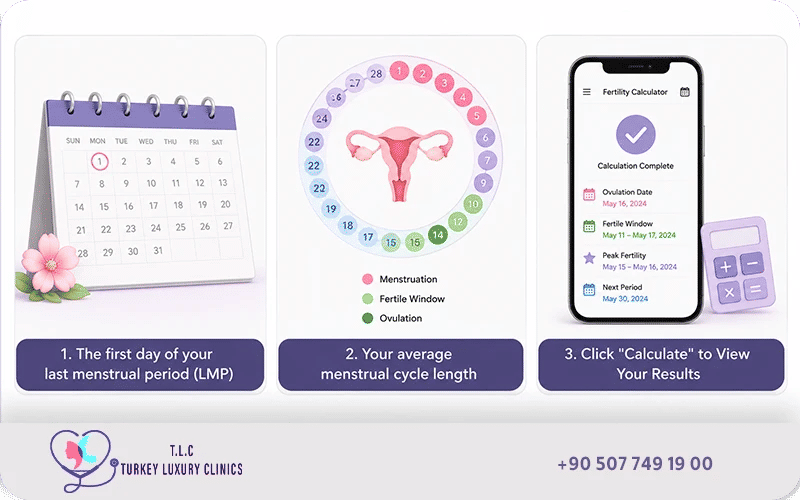
Enter the first day of your last menstrual period (LMP) and your average menstrual cycle length, then click Calculate.
1. The first day of your last menstrual period (LMP):
Enter the first day your most recent menstrual period began, which is the day full menstrual bleeding starts—not light spotting beforehand. This date marks Day 1 of your menstrual cycle and serves as the starting point for all ovulation calculations.
2. Your average menstrual cycle length:
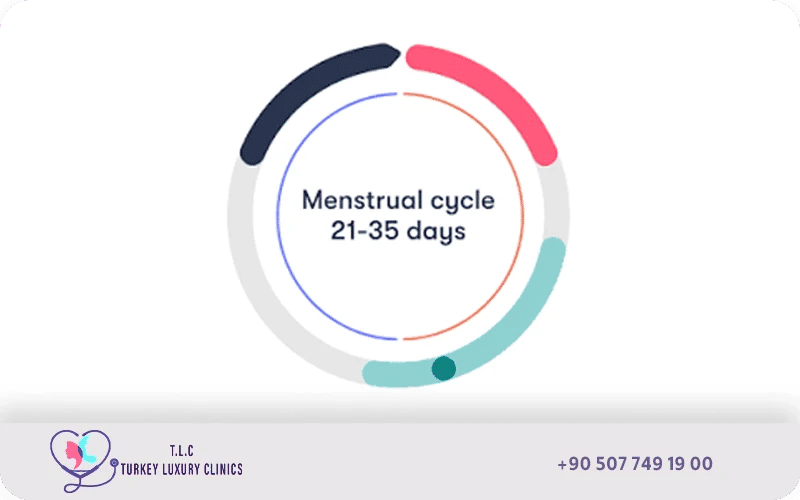
Your cycle length is the number of days from the first day of one menstrual period to the first day of the next. Although the average menstrual cycle lasts 28 days, a normal adult cycle typically ranges from 21 to 35 days.
If your cycle length varies slightly from month to month, calculate the average of your last three to six cycles to improve the accuracy of your results.
3. Click "Calculate" to View Your Results:
After clicking Calculate, the calculator will display several dates related to your fertility, including your estimated ovulation date, fertile window, peak fertility days, and expected date of your next period.
What Do Your Ovulation Calculator Results Mean?
1. Estimated Ovulation Date
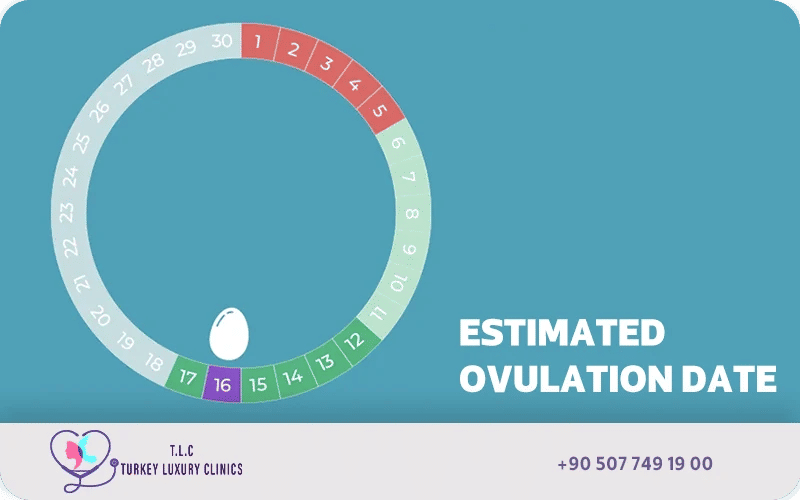
Your estimated ovulation date is the day you are most likely to release a mature egg from one of your ovaries. During ovulation, the egg is released into the fallopian tube, where it can be fertilized by sperm.
2. Determines Your Fertile Window
Your fertile window is the time during your menstrual cycle when pregnancy is most likely to occur. The calculator estimates this window using your last menstrual period and average cycle length to help identify your most fertile days.
3. Shows Your Peak Fertility Days
Your peak fertility days are the days when you have the highest chance of getting pregnant. These are usually the two days before ovulation and the day of ovulation. If you're trying to conceive, having intercourse during these days offers the greatest likelihood of pregnancy.
4. Your Next Expected Period
This prediction relies on the luteal phase, the time between ovulation and the start of your next period, which is relatively consistent in most women, typically lasting 12 to 14 days. In contrast, the timing of ovulation is more variable and may occur earlier or later from one cycle to another. Because the luteal phase changes less than the ovulation date, it helps the calculator estimate when your next period is likely to begin.
Understanding the Ovulation Cycle
During the first half of your menstrual cycle, hormones stimulate one ovarian follicle to grow and mature. When the egg is fully developed, it is released from the ovary into the fallopian tube. If sperm are present, fertilization may occur. If not, the egg survives for only 12–24 hours before breaking down, and hormone levels eventually fall, triggering your next menstrual period.
At ovulation, the mature egg is released from the ovary and enters the fallopian tube, where it can be fertilized if sperm are present. Because sperm can survive in the female reproductive tract for up to five days, pregnancy can occur if you have unprotected intercourse during the days leading up to ovulation or on the day of ovulation.
If the egg is fertilized, it begins dividing as it travels toward the uterus and typically implants in the uterine lining 6 to 12 days later, marking the beginning of pregnancy. If fertilization does not occur, the egg survives for only 12 to 24 hours before breaking down and being absorbed by the body. Hormone levels then fall, causing the uterine lining to shed, and your next menstrual period begins.
How Many Days After My Period Am I to Ovulate?
Ovulation usually occurs about 12–16 days before your next period, not a fixed number of days after your period ends. For women with a 28-day cycle, ovulation typically happens around Day 14, while women with shorter or longer cycles may ovulate earlier or later.
The table below shows the estimated ovulation day and fertile window for common menstrual cycle lengths.
Cycle Length | Estimated Ovulation | Fertile Window |
21 days | Day 7 | Days 2–7 |
24 days | Day 10 | Days 5–10 |
26 days | Day 12 | Days 7–12 |
28 days | Day 14 | Days 9–14 |
30 days | Day 16 | Days 11–16 |
32 days | Day 18 | Days 13–18 |
35 days | Day 21 | Days 16–21 |
Cycle Length and Ovulation Timing
- 21-day cycle: Ovulation usually occurs around Day 7, which may be around the time your period ends.
- 24-day cycle: Ovulation usually occurs around Day 10, about 5 days after a typical 5-day period ends.
- 26-day cycle: Ovulation usually occurs around Day 12, about 7 days after a typical 5-day period ends.
- 28-day cycle: Ovulation usually occurs around Day 14, about 9 days after a typical 5-day period ends.
- 30-day cycle: Ovulation usually occurs around Day 16, about 11 days after a typical 5-day period ends.
- 32-day cycle: Ovulation usually occurs around Day 18, about 13 days after a typical 5-day period ends.
- 35-day cycle: Ovulation usually occurs around Day 21, about 16 days after a typical 5-day period ends.
How the Ovulation Calculator Estimates Your Fertile Days
An ovulation calculator estimates your most fertile days by calculating when you are most likely to ovulate.The calculation is based on the fact that ovulation usually occurs about 12 to 16 days before your next period, rather than on a fixed day of the menstrual cycle.
The calculator estimates your ovulation date using the first day of your last menstrual period (LMP) and your average cycle length. It then highlights your fertile window, peak fertility days, and expected date of your next period.
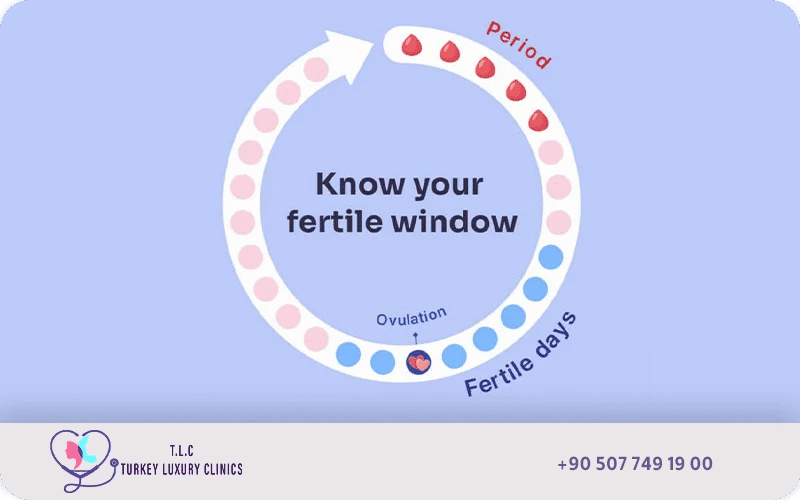
What Is the Fertile Window?
The fertile window is the period during your menstrual cycle when pregnancy is possible. It usually includes the five days before ovulation, the day of ovulation, and sometimes the following 24 hours, when a released egg can still be fertilized.
.
Why Does the Fertile Window Last About Six Days?
Although the egg survives for only 12–24 hours after ovulation, sperm can remain alive inside the female reproductive tract for up to five days under favorable conditions. Because sperm may already be waiting in the fallopian tube when the egg is released, pregnancy can occur even if intercourse happens several days before ovulation.
Best Days to Get Pregnant
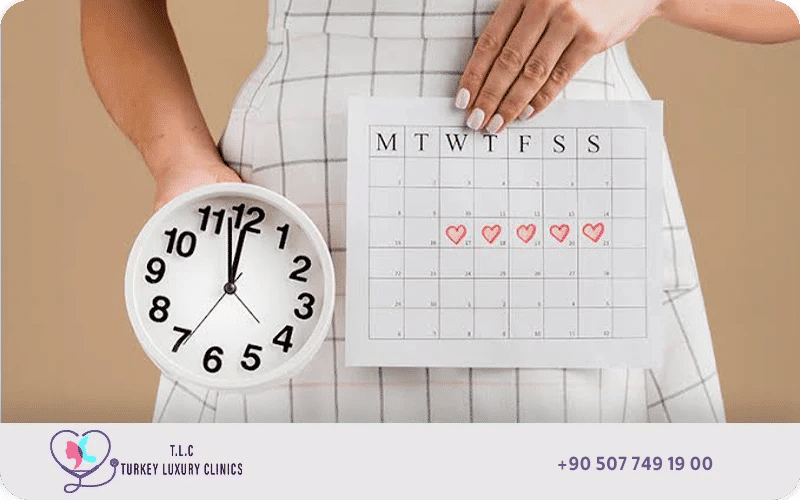
The highest chance of conception usually occurs during the two days before ovulation and on the day of ovulation. Rather than trying to predict the exact moment of ovulation, fertility specialists generally recommend having intercourse every one to two days throughout the fertile window, which ensures healthy sperm are present when ovulation occurs.
When Should You Take a Pregnancy Test?
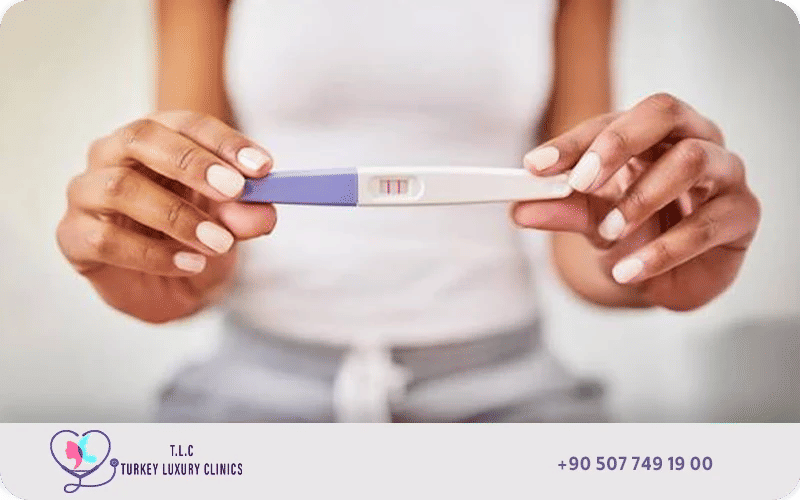
For the most accurate result, take a home pregnancy test on the first day of your missed period or at least 10 to 14 days after ovulation. Testing too early may produce a false-negative result because levels of the pregnancy hormone human chorionic gonadotropin (hCG) may not yet be high enough to detect.
Using your first morning urine can improve test accuracy because it typically contains the highest concentration of hCG.
If your pregnancy test is negative but your period still hasn't started, repeat the test 48 to 72 hours later, as hCG levels rise rapidly during early pregnancy.
What If Your Periods Are Irregular?
An ovulation calculator is less accurate if your cycles are irregular because ovulation may occur earlier or later than expected. Consider using LH tests, basal body temperature, or cervical mucus tracking to improve accuracy. If your cycles remain unpredictable, consult a healthcare professional.

Other Methods to Track Ovulation
Calendar Method
The calendar method estimates ovulation by tracking your menstrual cycle over several months. Because ovulation usually occurs about 12 to 16 days before your next period, recording the first day of each menstrual cycle can help predict your fertile window.
Cervical Mucus Tracking
Hormonal changes throughout the menstrual cycle affect the amount and consistency of cervical mucus. Shortly after your period, you may notice little or no mucus. As ovulation approaches, it often becomes creamy before changing into a clear, slippery, stretchy consistency similar to raw egg whites. This "egg-white" cervical mucus is considered the most fertile type because it helps sperm survive and move more easily through the reproductive tract.

Basal Body Temperature (BBT)
Basal body temperature is your body's resting temperature measured immediately after waking each morning. After ovulation, progesterone causes a small but noticeable increase in body temperature, usually around 0.2°C to 0.5°C.
Ovulation Predictor Kits (LH Tests)
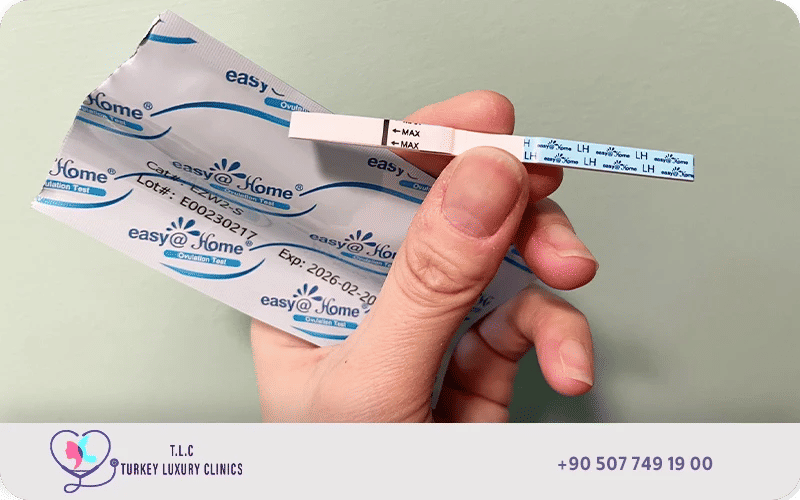
Ovulation predictor kits detect the surge in luteinizing hormone (LH), which usually occurs 24 to 36 hours before ovulation. A positive test indicates that ovulation is likely to occur within the next one to two days, making it one of the most useful home methods for identifying your most fertile days.
Signs and Symptoms of Ovulation
Most women experience one or more physical or hormonal changes as ovulation approaches. These signs can help identify your fertile window, but they cannot confirm ovulation on their own.
- Cervical mucus changes: Vaginal discharge becomes clear, slippery, stretchy, and similar to raw egg whites. This is one of the most reliable natural signs of peak fertility.
- Mittelschmerz (ovulation pain): Mild cramping or a sharp pain on one side of the lower abdomen when the ovary releases an egg.
- Breast tenderness: Mild soreness or increased breast sensitivity caused by hormonal changes around ovulation.
- Light spotting: A small amount of pink or brown vaginal spotting that may occur in some women at the time of ovulation.
- Basal body temperature (BBT) rises: Your resting body temperature increases slightly after ovulation because progesterone levels rise. BBT confirms that ovulation has already occurred rather than predicting it.
- Increased libido: Many women notice a temporary increase in sexual desire during their fertile window.
- Bloating or mood changes: Mild bloating, water retention, or subtle mood changes may occur around ovulation due to hormonal fluctuations.
How Accurate Is an Ovulation Calculator?
An ovulation calculator is most accurate for women with regular menstrual cycles because it estimates ovulation using the first day of your last menstrual period and your average cycle length. While it can accurately estimate your fertile window, it cannot confirm that ovulation has actually occurred.
Factors such as stress, illness, travel, breastfeeding, significant weight changes, PCOS, thyroid disorders, and certain medications may cause ovulation to occur earlier, later, or not at all. For greater accuracy, combine the calculator with ovulation predictor kits (LH tests), basal body temperature (BBT), or cervical mucus tracking.
Who May Not Benefit From an Ovulation Calculator?
An ovulation calculator may be less accurate if you have irregular menstrual cycles, PCOS, recently stopped hormonal birth control, are breastfeeding, approaching menopause, or have hormonal disorders that affect ovulation. In these situations, additional ovulation tracking methods or medical evaluation may provide more reliable information.
When Should You See a Doctor?
Consider seeing a healthcare professional if:
- You are under 35 and have been trying to conceive for 12 months without success.
- You are 35 or older and have been trying for 6 months.
- Your periods are consistently irregular, absent, or longer than 35 days.
- You suspect you are not ovulating regularly.
- You have experienced recurrent miscarriages, severe pelvic pain, or abnormal bleeding.
Early evaluation can help identify underlying conditions and improve your chances of a healthy pregnancy.

Ready to Find Your Most Fertile Days?
Use our Ovulation Calculator to estimate your ovulation date, fertile window, peak fertility days, and next expected period. Simply enter the first day of your last menstrual period and your average cycle length to receive personalized fertility estimates in seconds.
Start calculating now and discover your most fertile days.