

Use this free Depression Test based on the clinically validated PHQ-9 questionnaire to estimate the severity of depressive symptoms you've experienced during the past two weeks. The test takes about 2–3 minutes to complete and provides an instant score. While it cannot diagnose depression, it can help you determine whether a professional mental health evaluation may be appropriate.
What Is a Depression Test (PHQ-9)?
A depression test is a mental health screening questionnaire designed to estimate whether your recent symptoms may be consistent with depression. It evaluates emotional, physical, and cognitive symptoms commonly associated with depressive disorders, including persistent sadness, loss of interest, sleep disturbances, fatigue, appetite changes, difficulty concentrating, and feelings of hopelessness.
Most evidence-based online depression tests use the Patient Health Questionnaire-9 (PHQ-9), a clinically validated screening tool developed to identify people who may have symptoms of Major Depressive Disorder (MDD). Healthcare professionals worldwide routinely use the PHQ-9 in primary care clinics, hospitals, mental health practices, and community health programs because it is quick, reliable, and easy to interpret.
A depression test estimates symptom severity based on your answers, but it does not confirm or rule out a diagnosis of depression. Only a qualified healthcare professional can diagnose depression after evaluating your symptoms, medical history, daily functioning, and other medical or mental health conditions that may produce similar symptoms.
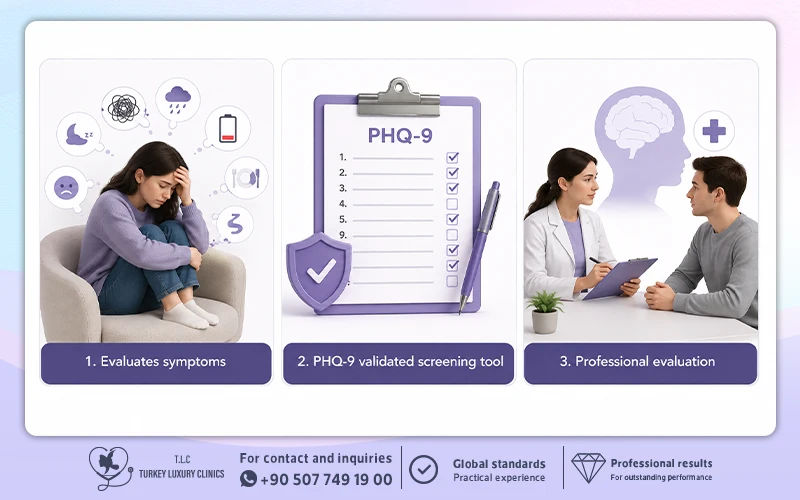
How to Use the Free Depression Test
Completing the PHQ-9 takes only a few minutes. Answer each question based on how you've felt during the past two weeks, not just today.
1. Answer Every Question Honestly
Read each statement carefully and choose the response that best reflects your overall experience. There are no right or wrong answers, and honest responses provide the most reliable estimate of your symptoms.
2. Choose How Often Each Symptom Occurred
For every question, select one of the following options:
- Not at all
- Several days
- More than half the days
- Nearly every day
Avoid overthinking individual questions. Instead, consider how you've generally felt during the previous two weeks.
3. Calculate Your Score
Once you've answered all nine questions, click Calculate or Get Results. Your responses are automatically added together to generate a total PHQ-9 score between 0 and 27.
4. Review What Your Score Means
Your score estimates the severity of depressive symptoms and indicates whether professional evaluation may be appropriate. Remember that the result is intended to guide the next step—not provide a diagnosis.
How to Interpret Your Depression Test Results
Your PHQ-9 score reflects how frequently you've experienced symptoms associated with depression over the previous two weeks. Higher scores generally indicate more severe symptoms, although every person's situation is unique.
PHQ-9 Score: 0–4 (Minimal or No Depression)
Your responses suggest few or no symptoms of depression.
If you feel emotionally well and your symptoms are not interfering with daily life, no immediate treatment may be necessary. Continue maintaining healthy sleep, regular physical activity, balanced nutrition, and supportive social relationships.
If you continue feeling emotionally unwell despite a low score, discuss your symptoms with a healthcare professional, as some conditions may not be fully reflected by the questionnaire.
PHQ-9 Score: 5–9 (Mild Depression)
Your score suggests mild depressive symptoms.
Some people improve through lifestyle changes such as regular exercise, improved sleep, stress management, and social support. However, if symptoms persist for several weeks or begin affecting work, school, or relationships, schedule an appointment with a healthcare provider for further assessment.
PHQ-9 Score: 10–14 (Moderate Depression)
Your results indicate symptoms consistent with moderate depression.
A score of 10 or higher is commonly used as the threshold for recommending professional evaluation because research has shown it provides a good balance between identifying people who may have depression while minimizing false-positive results.
A healthcare professional may recommend psychotherapy, lifestyle interventions, medication, or a combination of treatments depending on your individual circumstances.
PHQ-9 Score: 15–19 (Moderately Severe Depression)
Your symptoms are likely having a significant impact on your daily functioning.
Arrange a mental health evaluation as soon as possible. Early treatment can reduce symptom severity, improve quality of life, and decrease the risk of symptoms becoming more severe.
PHQ-9 Score: 20–27 (Severe Depression)
Your score suggests severe depressive symptoms that require prompt medical attention.
Schedule an evaluation with a qualified healthcare professional as soon as possible. Depression is a treatable medical condition, and early intervention often leads to better outcomes.
What If You Answered "Yes" to the Self-Harm Question?
The final PHQ-9 question asks whether you've experienced thoughts that you would be better off dead or of hurting yourself.
Any response indicating these thoughts should be taken seriously, regardless of your total PHQ-9 score.
If you selected "More than half the days" or "Nearly every day," contact a healthcare professional immediately for further evaluation.
If you believe you may act on these thoughts, cannot keep yourself safe, or are in immediate danger, seek emergency medical care or contact your local emergency services without delay.
When Should You See a Healthcare Professional?
Consider scheduling an appointment if:
- Your PHQ-9 score is 10 or higher.
- Your symptoms have lasted at least two weeks.
- Depression is interfering with work, school, or relationships.
- Your symptoms continue to worsen.
- You've experienced depression before and think it may be returning.
- You feel unable to manage everyday responsibilities.
Seek emergency medical attention immediately if:
- You have thoughts of suicide or self-harm.
- You have a plan or intent to harm yourself.
- You feel unable to keep yourself safe.
Early treatment significantly improves outcomes, and seeking help is an important first step toward recovery.

How Does the Depression Test Work?
The PHQ-9 depression test contains nine questions, each representing one of the core symptoms healthcare professionals use to screen for Major Depressive Disorder.
For every question, you'll select how often you've experienced that symptom during the past two weeks.
Your responses are added together to produce a total score ranging from 0 to 27.
In general:
- Lower scores suggest few or mild depressive symptoms.
- Higher scores indicate more frequent symptoms and a greater likelihood that further medical evaluation is appropriate.
Your score should always be interpreted alongside your overall health, recent life events, medical history, and daily functioning rather than viewed as a diagnosis on its own.
Why Does the PHQ-9 Ask About the Past Two Weeks?
The PHQ-9 evaluates symptoms experienced during the previous two weeks because this matches the time frame used in the diagnostic criteria for Major Depressive Disorder (MDD).
Everyone experiences temporary sadness, disappointment, or emotional stress from time to time. Limiting the questionnaire to the previous two weeks helps distinguish normal emotional reactions from persistent symptoms that may require further assessment.
Using a standardized time period also allows healthcare professionals to monitor whether symptoms improve, worsen, or remain stable over time by comparing repeated PHQ-9 scores.
What Does the Depression Test Measure?
The PHQ-9 evaluates the nine symptoms most commonly used to screen for depression. Each question measures how frequently you've experienced one symptom during the previous two weeks.
The depression test assesses:
- Little interest or pleasure in doing things.
- Feeling down, depressed, or hopeless.
- Difficulty falling asleep, staying asleep, or sleeping too much.
- Feeling tired or having little energy.
- Poor appetite or overeating.
- Feeling bad about yourself, excessive guilt, or feeling like a failure.
- Difficulty concentrating while reading, watching television, or completing everyday tasks.
- Moving or speaking noticeably slower than usual, or feeling unusually restless.
- Thoughts that you would be better off dead or thoughts of self-harm.
Looking at all nine symptoms together provides a more accurate estimate of depression severity than focusing on a single symptom alone.
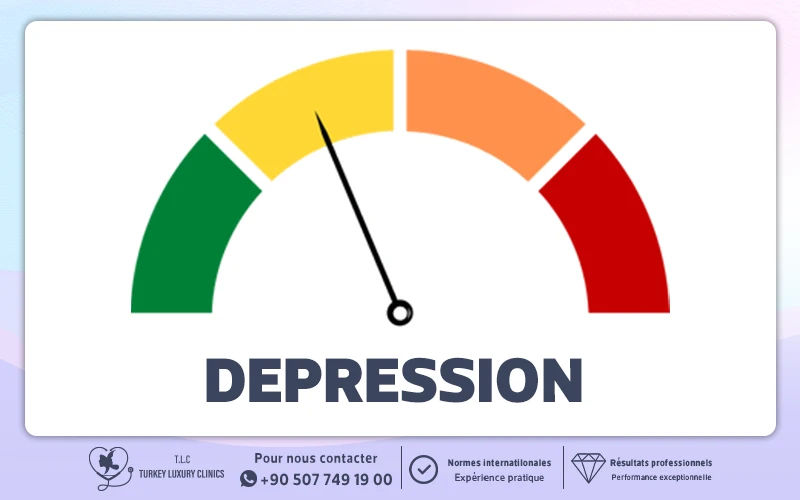
Who Should Take a Depression Test?
A depression screening test may be helpful if you've noticed ongoing changes in your mood, motivation, or emotional well-being.
Consider taking the test if:
- You've felt persistently sad, empty, or hopeless for two weeks or longer.
- You've lost interest in activities you normally enjoy.
- Your mood is affecting your work, school, relationships, or daily responsibilities.
- Friends or family have noticed changes in your behavior.
- You're experiencing prolonged fatigue, sleep problems, or appetite changes without a clear explanation.
- You've previously been diagnosed with depression and want to monitor your symptoms.
- You're recovering from a major life event, such as bereavement, childbirth, serious illness, or significant stress.
- Your healthcare provider has recommended routine depression screening.
Even if your symptoms seem mild, early screening can help identify problems before they become more severe.
Can a Depression Test Diagnose Depression?
No, a depression test cannot diagnose depression or replace a professional mental health evaluation.
The PHQ-9 is designed as a screening tool, meaning it estimates whether your symptoms may be consistent with depression and how severe those symptoms appear based on your responses.
Before diagnosing depression, a healthcare professional also considers:
- How long your symptoms have lasted.
- Whether they interfere with work, school, relationships, or everyday activities.
- Your medical history.
- Current medications.
- Recent stressful life events.
- Physical illnesses that may cause depression-like symptoms.
- Other mental health conditions, including anxiety disorders or bipolar disorder.
For this reason, your PHQ-9 score should be viewed as the first step toward understanding your mental health rather than a final diagnosis.
How Accurate Is the PHQ-9 Depression Test?
The PHQ-9 is one of the most extensively researched depression screening questionnaires available. It has been validated in primary care clinics, hospitals, mental health services, and community settings across many countries and age groups.
When completed honestly, the PHQ-9 provides a reliable estimate of depressive symptom severity and helps identify people who may benefit from professional assessment.
The test is generally most accurate when:
- You answer every question honestly.
- Your responses reflect the previous two weeks.
- You complete every question.
- Your symptoms are not primarily caused by another medical condition or substance use.
Like all screening tools, however, no questionnaire is perfect. The PHQ-9 estimates the likelihood of depression but cannot determine the exact cause of your symptoms.
When Is a Depression Test Less Reliable?
Several factors may influence your PHQ-9 results without necessarily indicating Major Depressive Disorder.
Your score may be temporarily higher if you're experiencing:
- Grief after losing a loved one.
- Significant work or academic stress.
- Relationship difficulties.
- Pregnancy or the postpartum period.
- Recovery from surgery or serious illness.
- Chronic pain or long-term medical conditions.
- Sleep deprivation.
- Alcohol or recreational drug use.
- Certain prescription medications.
Similarly, conditions such as anxiety disorders, bipolar disorder, thyroid disease, vitamin deficiencies, or neurological disorders may produce symptoms similar to depression.
Because many conditions overlap, a healthcare professional considers your overall medical history before making a diagnosis.
Can a Depression Test Be Wrong?
Yes. Like any screening questionnaire, a depression test can produce false-positive or false-negative results.
A higher score does not always mean you have clinical depression, and a lower score does not completely rule it out.
Your results may be affected by temporary emotional stress, physical illness, medications, or other mental health conditions. For this reason, healthcare professionals use the PHQ-9 alongside a clinical interview rather than as a stand-alone diagnostic tool.
If your symptoms persist or interfere with daily life, seek professional advice regardless of your score.
Should You Repeat the Depression Test?
Yes. Repeating the PHQ-9 can help monitor changes in your symptoms over time.
Healthcare professionals often use repeated PHQ-9 scores to evaluate whether symptoms are improving, remaining stable, or worsening during treatment.
If you are not receiving treatment, avoid taking the questionnaire repeatedly within a short period simply to check for small changes. Instead, repeat the test after several weeks or sooner if your symptoms change significantly.
What Happens After a Positive Depression Test?
A positive depression test means your responses suggest symptoms that may be consistent with depression. It does not confirm that you have Major Depressive Disorder, but it does indicate that further evaluation is recommended.
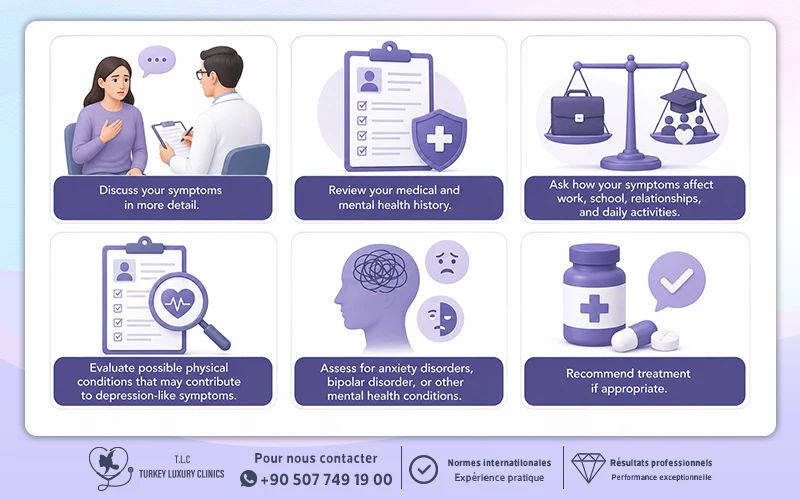
During a professional assessment, a healthcare provider may:
- Discuss your symptoms in more detail.
- Review your medical and mental health history.
- Ask how your symptoms affect work, school, relationships, and daily activities.
- Evaluate possible physical conditions that may contribute to depression-like symptoms.
- Assess for anxiety disorders, bipolar disorder, or other mental health conditions.
- Recommend treatment if appropriate.
Depending on your individual needs, treatment may include psychotherapy, medication, lifestyle modifications, or a combination of these approaches.
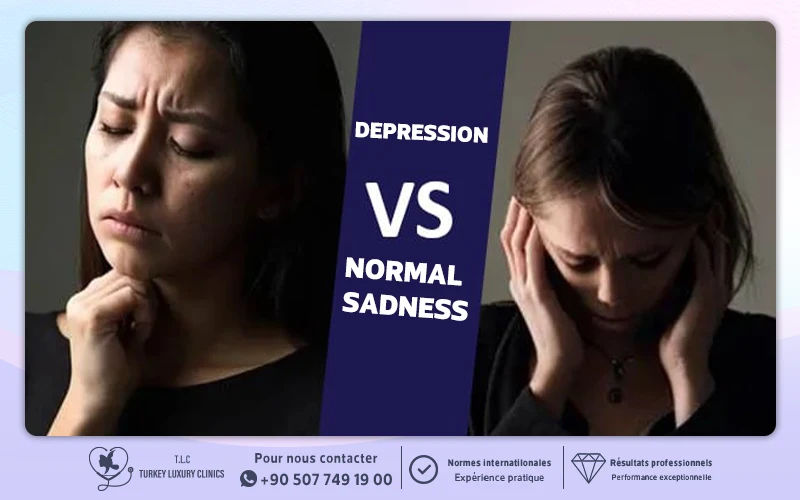
Depression vs Normal Sadness
Feeling sad does not always mean you have depression.
Temporary sadness is a normal emotional response to disappointment, loss, stress, or difficult life events. These feelings often improve as circumstances change.
Depression is different because symptoms are more persistent and typically last at least two weeks while affecting multiple areas of daily life.
People with depression often experience several symptoms simultaneously, such as:
- Persistent sadness or emptiness.
- Loss of interest in enjoyable activities.
- Fatigue.
- Sleep disturbances.
- Appetite changes.
- Difficulty concentrating.
- Feelings of worthlessness or excessive guilt.
If these symptoms interfere with work, relationships, school, or daily functioning, professional evaluation is recommended.
Depression vs Anxiety
Depression and anxiety frequently occur together, and many people experience symptoms of both conditions at the same time.
Depression commonly involves:
- Persistent low mood.
- Loss of motivation.
- Reduced interest in activities.
- Hopelessness.
- Low energy.
Anxiety more often causes:
- Excessive worry.
- Feeling constantly on edge.
- Restlessness.
- Racing thoughts.
- Muscle tension.
- Panic symptoms.
Because some symptoms overlap, such as poor sleep, fatigue, and difficulty concentrating, a depression test cannot distinguish depression from anxiety or determine whether both conditions are present.
Can Anxiety Affect My Depression Test Score?
Yes.
People living with anxiety disorders often experience symptoms that overlap with depression, including fatigue, sleep problems, poor concentration, and reduced energy.
As a result, anxiety may increase your PHQ-9 score even if depression is not the primary condition.
Only a comprehensive mental health assessment can determine whether your symptoms are caused by depression, anxiety, both conditions together, or another medical problem.