

- What Is an Exosome Facial?
- How Does an Exosome Facial Work?
- Exosome Facial Benefits: What Does It Do for Your Skin?
- Exosome Facial Before and After: What Results Can You Expect?
- Exosome Facial Cost: How Much Does It Cost?
- Exosome Facial Procedure: What to Expect
- Exosome Facial With Microneedling: How Does It Work?
- Exosome Facial Recovery and Downtime
- Exosome Facial Side Effects and Risks
- Exosome Facial vs PRP: Which Is Better?
- Exosome Facial vs Stem Cell Facial
- How Many Exosome Facial Treatments Do You Need?
- Who Is a Good Candidate for an Exosome Facial?
- Are Exosome Facials FDA Approved?
- Is an Exosome Facial Worth It?
- Exosome Facial Treatment in Turkey
- FAQs About Exosome Facials
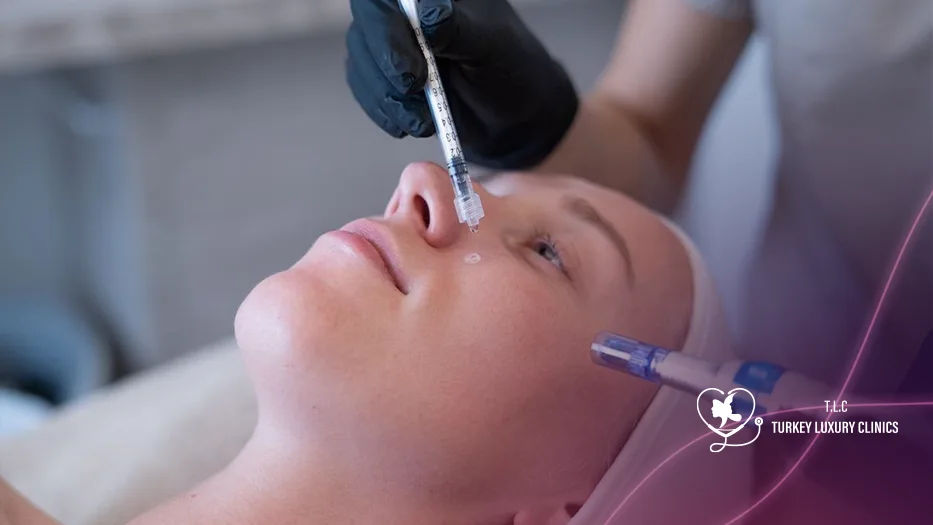
An exosome facial is a regenerative skin treatment that applies an exosome-based serum to the face, most commonly after microneedling or laser treatment, so the signaling molecules can reach the skin through newly created microchannels. The treatment is used to support skin repair, collagen production, hydration, and faster recovery, while improving fine lines, uneven tone, texture, redness, and acne scars.
Results are usually gradual rather than immediately dramatic, with early improvements in hydration and glow followed by changes in skin texture and firmness over the following weeks. However, exosome facials are still relatively new, and clinical evidence continues to develop.
In 2026, an exosome facial typically costs $300-$1,200 per session, depending mainly on whether it is performed with standard microneedling, RF microneedling, or laser resurfacing.
If you’re considering an exosome facial in Turkey, contact us at Turkey Luxury Clinics to get a personalized treatment plan and quote.
What Is an Exosome Facial?
An exosome facial treatment, also called exosome facial therapy, is a regenerative skin treatment that uses exosome-based products to support skin repair and rejuvenation. Exosomes are microscopic, cell-free extracellular vesicles released by cells that act as messengers between cells, carrying proteins, lipids, signaling molecules, and growth-factor-related cargo involved in cellular communication.
Depending on the product, exosomes may come from different cell sources, including stem cells or platelets. Unlike stem cell therapy, exosome treatments do not use living stem cells; they use the signaling particles released by cells instead.
How Does an Exosome Facial Work?
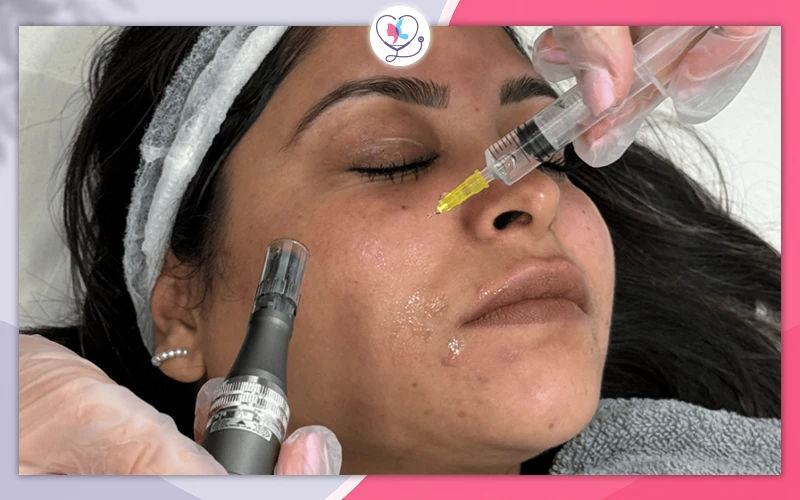
An exosome facial usually combines microneedling or laser resurfacing with the topical application of an exosome-based serum. The procedure creates controlled microchannels in the skin, while the exosome product provides signaling molecules intended to support the skin’s natural repair, inflammation-control, and collagen-related pathways.
Exosomes do not become new skin cells. Instead, they act as cellular messengers, carrying proteins, lipids, and other biological signals that may influence how existing skin cells respond during recovery.
Exosome Facial Benefits: What Does It Do for Your Skin?
Exosome facials are primarily used to support skin repair and improve overall skin quality, rather than dramatically change facial structure. Their potential benefits are linked to cellular signaling involved in collagen production, inflammation control, and tissue repair.
The main potential exosome facial benefits include:
- Supports collagen and elastin production: May gradually improve firmness and soften the appearance of fine lines.
- Improves skin texture and tone: May help smooth rough texture, minimize the appearance of pores and acne scars, and improve uneven pigmentation.
- Improves hydration and barrier function: May support moisture retention and skin-barrier recovery for softer, more hydrated-looking skin.
- May reduce redness and inflammation: Exosome signaling may help calm inflammatory responses and support skin recovery.
- May speed post-procedure recovery: Often used after microneedling or laser treatments to support healing and potentially reduce redness and downtime.
Overall, exosome facials aim for gradual improvements in texture, firmness, tone, hydration, and recovery, rather than immediate lifting or volume.
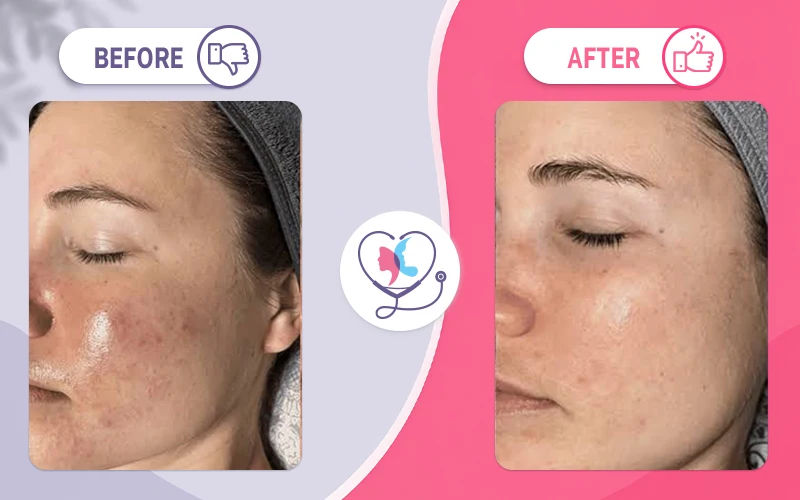
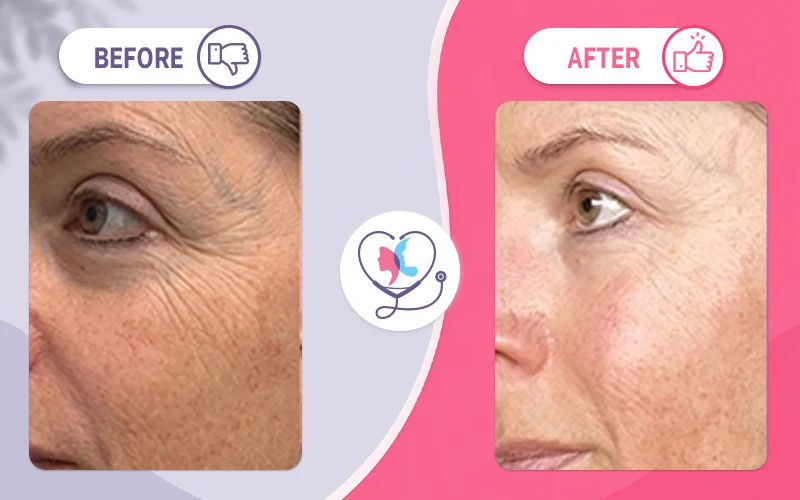
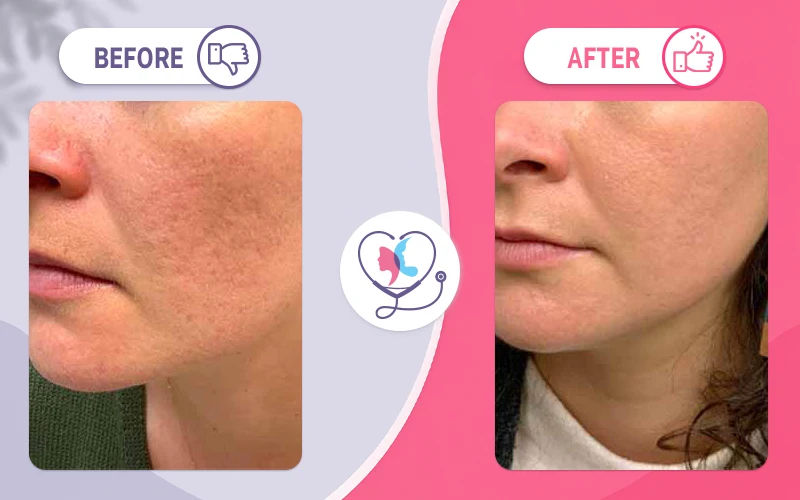
Exosome Facial Before and After: What Results Can You Expect?
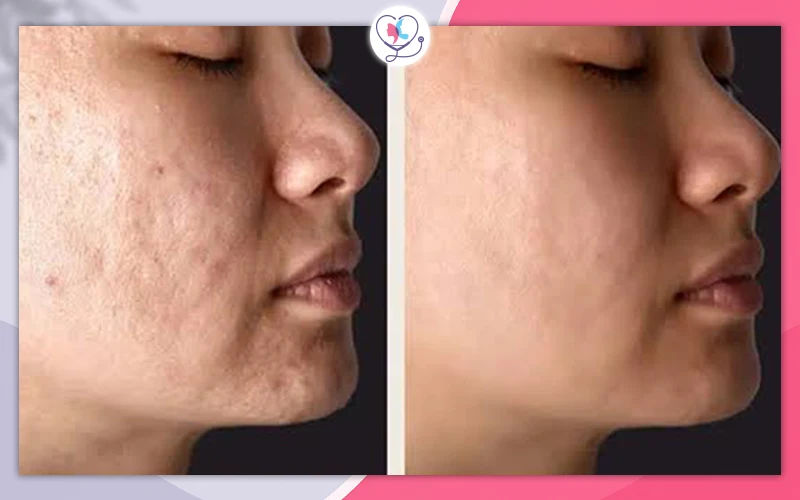
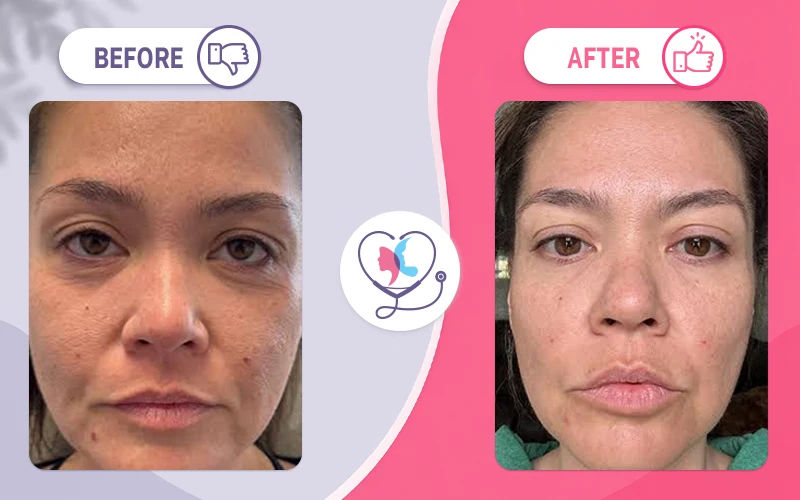
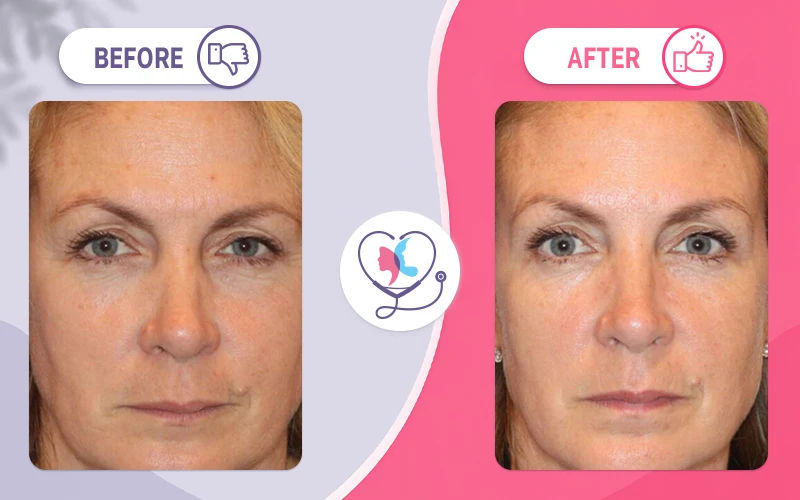
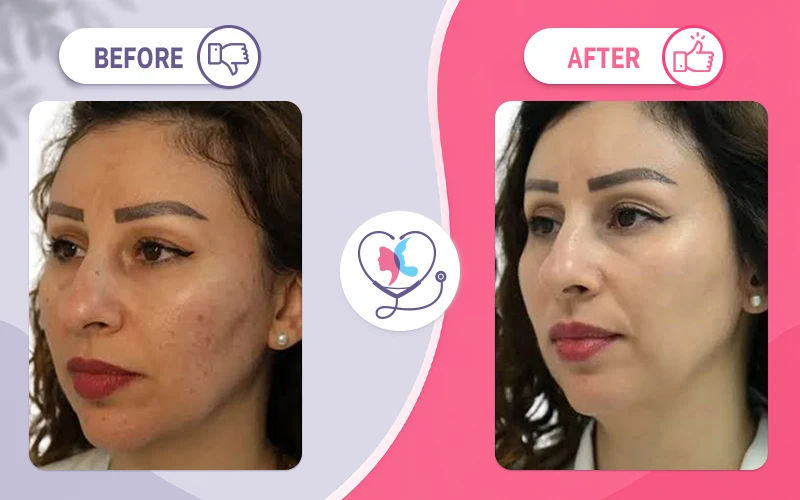
Exosome facial results usually develop gradually. Early changes are more likely to involve redness settling, improved hydration, and radiance, while changes in skin texture, tone, firmness, and fine lines may become more noticeable over the following weeks. Results vary depending on the exosome product, the condition of the skin, and whether treatment is combined with microneedling or laser resurfacing.
Immediately After Treatment
If the exosome facial is combined with microneedling or laser treatment, the skin may look pink or red and feel mildly warm, tight, or sensitive immediately afterward. The extent of this reaction depends largely on the procedure used to prepare the skin.
First Few Days
As the initial redness settles, the skin may begin to look more hydrated, smoother, calmer, and more radiant. Some patients describe this early improvement as a dewy or “glowing” appearance.
4–8 Weeks
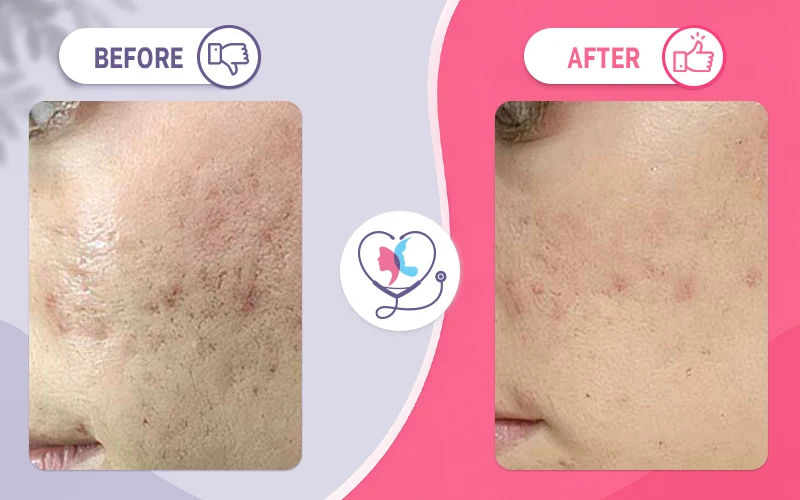
More gradual changes may become noticeable as the skin continues to remodel. These can include improvements in skin texture, uneven tone, firmness, fine lines, pore appearance, and the appearance of acne scars.
Changes associated with collagen remodeling generally take longer than the initial hydration and glow.
Longer-Term Results
With appropriate treatment and, in some cases, a series of sessions, improvements in overall skin quality may continue to develop over time. However, an exosome facial is intended to improve skin quality rather than facial structure.
It should not be expected to provide the lifting of a facelift, restore significant lost volume like dermal fillers, or completely erase deep wrinkles, scars, or pigmentation.
Exosome Facial Cost: How Much Does It Cost?
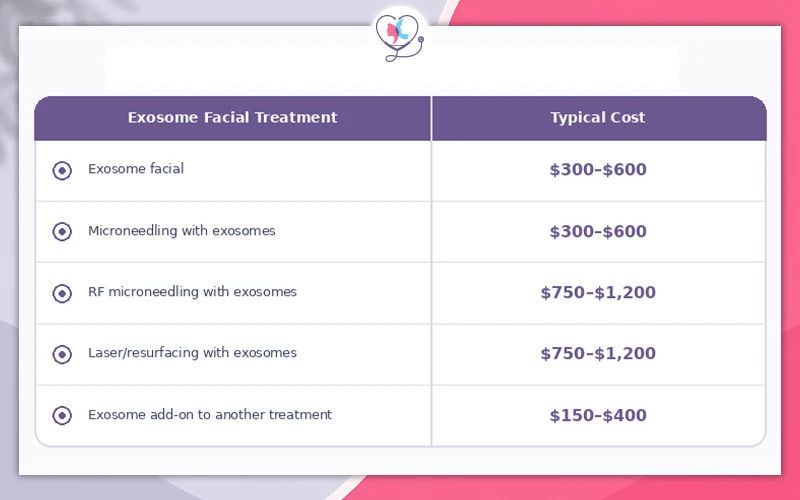
An exosome facial or exosome microneedling treatment typically costs 300–1,200 per session. Prices vary depending on whether exosomes are used alone, as an add-on after another procedure, or combined with treatments such as microneedling, RF microneedling, or laser resurfacing.
Exosome Facial Treatment | Typical Cost |
Exosome facial | $300–$600 |
Microneedling with exosomes | $300–$600 |
RF microneedling with exosomes | $750–$1,200 |
Laser/resurfacing with exosomes | $750–$1,200 |
Exosome add-on to another treatment | $150–$400 |
What Affects Exosome Facial Cost?
The cost of an exosome facial can vary depending on several factors:
- Exosome product: The brand, formulation, concentration, and quality of the exosome product can affect the price.
- Combined treatment: Costs are generally higher when exosomes are combined with microneedling, RF microneedling, or laser resurfacing.
- Clinic and provider: Provider expertise and the clinic’s pricing structure can influence the final cost.
- Location: Prices vary considerably between countries and cities.
- Treatment area: Treating the face alone may cost less than including the neck or décolletage.
- Number of sessions: A single treatment costs less upfront, while multi-session treatment plans increase the total cost.
Exosome Facial Procedure: What to Expect
An exosome facial procedure is usually performed alongside microneedling, microchanneling, or sometimes laser resurfacing. A typical session follows this process:
- Skin preparation: The face is cleansed, and topical numbing cream may be applied when microneedling or another resurfacing treatment is used.
- Microchannel creation: Microneedling, microchanneling, or laser treatment creates controlled pathways in the skin.
- Exosome application: The exosome-based serum is applied topically during or immediately after the procedure so it can reach the freshly treated skin.
- Post-treatment recovery: Mild redness, warmth, or tightness may occur afterward, particularly when microneedling or laser is used.
An exosome facial treatment typically takes around 45–60 minutes, although session length depends on the procedure combined with the exosome product.
Exosome products are most commonly applied topically after microneedling, microchanneling, or laser resurfacing, although some clinics may use injectable exosome-based formulations depending on the product and local regulations.
Exosome Facial With Microneedling: How Does It Work?
Exosome facials can be delivered in different ways, but topical application after microneedling is one of the most common approaches.
The tiny channels created during microneedling allow topical exosome products to be applied immediately afterward, while both treatments are intended to support skin repair and rejuvenation.
Microneedling with exosomes combines controlled micro-injuries with topical exosome application to support skin repair and collagen production. The microneedling device creates tiny channels in the skin, and the exosome serum is applied during or immediately after treatment to enhance delivery.
Compared with microneedling alone, adding exosomes may help reduce post-treatment redness, support faster recovery, and enhance improvements in skin texture, fine lines, acne scars, pigmentation, and enlarged pores.
A typical session takes around 60–90 minutes, including numbing. Mild redness or swelling may last 24–72 hours, while an initial glow can appear within days and collagen-related improvements develop gradually over the following weeks.
Exosome Facial Recovery and Downtime
Exosome facial downtime is typically minimal, with redness, tightness, and sensitivity often improving within 24–72 hours. Recovery time depends mainly on the procedure used with the exosomes. Topical application may involve little to no downtime, while microneedling or laser resurfacing can require several days or longer for the skin to recover.
Redness, tightness, warmth, and sensitivity usually improve within 24–72 hours after minimally invasive treatments. These effects may last longer when exosomes are combined with more intensive laser resurfacing or deeper microneedling.
Makeup should generally be avoided during the initial healing period, especially after microneedling or laser treatment. Resume makeup when the skin barrier has recovered and according to your provider’s aftercare instructions.
Strenuous exercise and excessive sweating should be avoided during the early recovery period. Heat and sweat may further irritate skin that is already sensitive after microneedling or resurfacing.
Direct sun exposure should be minimized while the skin is healing. Use broad-spectrum sunscreen and follow any additional sun-protection instructions provided after the accompanying procedure.
Retinoids, exfoliating acids, scrubs, and other potentially irritating skincare actives should be temporarily avoided until the skin has recovered. Keep the routine simple with a gentle cleanser, moisturizer, and sunscreen.
Most visible downtime may come from the accompanying procedure rather than the exosomes themselves. Applying an exosome product topically to intact skin is different from applying it after microneedling or laser resurfacing, which can cause redness, swelling, peeling, and sensitivity as the skin heals.
Exosome Facial Side Effects and Risks
Exosome facial treatments are generally associated with mild, short-term side effects, especially when combined with microneedling or another procedure that disrupts the skin barrier. Common reactions include:
- Redness and warmth
- Mild swelling or puffiness
- Temporary sensitivity or tenderness
- Skin tightness or dryness
- Minor bruising or pinpoint bleeding, mainly from microneedling
These effects are often related more to the delivery method than to the exosome product itself and typically improve within 24–72 hours.
More serious complications appear to be uncommon with topical cosmetic use, but the SERP highlights greater concern with intradermal injections, poor product purity, improper handling, or non-standardized formulations. Reported risks include severe or prolonged inflammation, allergic or hypersensitivity reactions, infection, persistent nodules, and scarring.
A 2025 case series appearing prominently in the SERP specifically reports adverse reactions after intradermal injection of exosome-based formulations, including severe inflammation, persistent nodules, and scarring. This is important because it should not be generalized to the typical topical exosome facial used after microneedling.
Exosome Facial vs PRP: Which Is Better?
PRP uses platelet-derived growth factors from your own blood, while exosome products contain cell-derived extracellular vesicles carrying signaling molecules. Exosome treatments also avoid the blood draw required for PRP and may provide more consistent potency and faster post-treatment recovery, while PRP has the advantage of being autologous and having a longer clinical history in aesthetic medicine.
Feature | Exosome Facial | PRP Facial |
Source | Lab-prepared exosomes | Patient’s own blood |
Blood draw | No | Yes |
Growth factors | Higher concentration | Platelet-derived |
Consistency | More standardized | Varies by individual |
Recovery | Often faster | About 1–3 days redness |
Clinical history | Newer, emerging | Long-established |
Main advantage | Concentration & convenience | Autologous & established |
Exosome treatments may appeal more to patients prioritizing no blood draw, product consistency, and potentially faster recovery, while PRP may appeal more to those who prefer an autologous treatment with a longer clinical history.
PRP has a longer clinical track record, while exosome-based treatments are newer and promising but less standardized.
Exosome Facial vs Stem Cell Facial
Stem cells differ from exosomes in that stem cells are living cells capable of self-renewal and differentiation, whereas exosomes are cell-free vesicles that carry regenerative signals between cells.
Feature | Exosome Facial | Stem Cell Facial |
Living cells | No | May contain living cells |
Product type | Cell-free | Cells, conditioned media, or extracts |
Stability | Generally higher | More complex |
Safety considerations | No cell replication | Additional considerations with live cells |
Common facial use | Often paired with microneedling or laser | Varies widely by product |
Standardization | Product-dependent | Highly variable |
How Many Exosome Facial Treatments Do You Need?
Most patients need 3–6 exosome facial treatments, typically spaced 3–6 weeks apart, to achieve noticeable improvements in skin texture, fine lines, and tone. After the initial treatment series, maintenance is commonly recommended once or twice a year, or every 6–12 months, to help maintain the results.
The exact number of sessions depends on your skin concerns, their severity, your response to treatment, and whether exosomes are combined with microneedling or laser resurfacing. When combined with another procedure, the treatment schedule may also follow the recommended protocol for that procedure.
Who Is a Good Candidate for an Exosome Facial?
A good candidate for an exosome facial is generally a healthy adult looking to improve early signs of aging or overall skin quality. The treatment may be suitable for people concerned about fine lines, wrinkles, dullness, uneven skin tone or texture, sun damage, large pores, acne scars, or hyperpigmentation.
It may also be considered after procedures such as microneedling or laser treatments to support skin recovery and help reduce post-treatment redness.
Exosome facials may be particularly suitable if your goals include:
- Reducing fine lines, wrinkles, and mild skin laxity
- Improving uneven texture and tone
- Addressing dull, dry, or tired-looking skin
- Improving the appearance of large pores, acne scars, or hyperpigmentation
- Supporting skin recovery after microneedling or laser procedures
However, people with active skin infections or open wounds in the treatment area, those who are pregnant or breastfeeding, and individuals with certain medical conditions, including some active cancers or severe autoimmune disorders, should discuss their suitability with a qualified medical professional before treatment.
Are Exosome Facials FDA Approved?
No. There are currently no FDA-approved exosome products for cosmetic skin rejuvenation or other human uses. Exosome-based aesthetic treatments remain emerging, and product sourcing, manufacturing standards, and regulatory status can vary.

Is an Exosome Facial Worth It?
An exosome facial may be worth it for people looking for improved skin texture, hydration, radiance, fine lines, or post-procedure recovery, particularly when exosomes are combined with microneedling or another professional skin treatment. However, results vary, the treatment can be expensive, and clinical evidence is still developing, so it should not be viewed as a proven replacement for established resurfacing or anti-aging treatments.
Exosome Facial Treatment in Turkey
Exosome facial treatment in Turkey is used for non-surgical skin rejuvenation, including fine lines, uneven texture, acne scars, pigmentation, and post-procedure recovery. Treatments may be performed alone or combined with microneedling, RF microneedling, or laser resurfacing, depending on the skin concern and treatment plan.
Turkey is also commonly considered by international patients because exosome treatments are available across aesthetic and dermatology clinics, with the final cost depending on the exosome product, treatment method, number of sessions, and clinic.
Considering an exosome facial in Turkey? Contact Turkey Luxury Clinics for a personalized treatment plan and quote.
FAQs About Exosome Facials