

- What Are Exosome Injections?
- How Do Exosome Injections Work?
- What Are Exosome Injections Used For?
- Do Exosome Injections Actually Work?
- Exosome Injections for the Face and Skin
- Exosome Injections Under the Eyes
- Exosome Injections for Hair Loss and Hair Growth
- Exosome Injections for the Knee
- Exosome Injections for Arthritis
- What Are the Benefits of Exosome Injections?
- Exosome Injections vs Topical Exosomes and Microneedling
- Exosome Injection Side Effects and Risks
- Are Exosome Injections FDA-Approved?
- How Much Do Exosome Injections Cost?
- What Happens During an Exosome Injection Treatment?
- Exosome Injection Before and After: What Results Can You Expect?
- How Long Do Exosome Injection Results Last?
- How Many Exosome Treatments Do You Need?
- Who Is a Good Candidate for Exosome Injections?
- Exosome Injections vs PRP: Which Is Better?
- Are Exosome Injections Worth It?
- Exosome Injections in Turkey: Treatment and Packages
- FAQs About Exosome Injections
Exosome injections are a regenerative treatment that delivers tiny, cell-free signaling particles into targeted tissues to support repair, reduce inflammation, and stimulate regenerative processes. These particles are being explored for applications ranging from skin rejuvenation and hair restoration to joint and tissue repair.
What makes exosomes different is that they are not stem cells themselves. Instead, they act as biological messengers, carrying signals that may influence how nearby cells communicate, respond, and repair.
Research into exosome signaling is promising, but injectable exosome products remain experimental and are not currently FDA-approved in the United States. Topical exosome products are also used in aesthetic care, particularly after procedures such as microneedling or laser, but topical application and direct injection are not the same treatment.
Considering exosome therapy as part of a treatment plan in Turkey? Request a free consultation with a licensed specialist who will review whether it's appropriate for your case.
What Are Exosome Injections?
Exosome injections are regenerative treatments that deliver tiny, cell-free vesicles called exosomes directly into a targeted area of the body. Rather than injecting living stem cells or replacing damaged cells, the goal is to deliver biological signals that may influence how existing cells communicate and respond.
Exosomes themselves are tiny biological messengers naturally released by cells throughout the body as part of normal cell-to-cell communication. They are extremely small—commonly around 30–150 nanometers—and transport molecular information from one cell to another.
They can carry proteins, lipids, growth-related signals, messenger RNA (mRNA), and microRNA, which may influence processes involved in inflammation, tissue repair, healing, and regeneration.
Exosome products used in regenerative treatments are often derived from cultured mesenchymal stem cells (MSCs). The exosomes are isolated and purified from the material released by these cells rather than injecting the stem cells themselves.
When injected into a targeted area, these exosomes are intended to deliver their biological signals to nearby cells. In the skin, for example, these signals may influence fibroblasts involved in collagen and elastin production.

To understand how exosome injections work, three questions matter:
- Where do exosomes come from?
- What do exosomes carry?
- What are exosome injections supposed to do?
Where Do Exosomes Come From?
Exosomes are naturally released by many types of cells. Products used in regenerative and aesthetic treatments are commonly produced from cultured mesenchymal stem cells (MSCs), although exosomes can also come from platelets, adipose tissue, and other cellular sources.
Stem-cell-derived exosomes are therefore not stem cells; a stem cell is a living cell capable of dividing and differentiating. An exosome is a tiny membrane-bound package released by a cell. It contains no living stem cell and cannot divide or develop into another tissue.
The source matters because exosomes are not all biologically identical. Their molecular cargo depends partly on the cells that produced them and how those cells were cultured and processed.

What Do Exosomes Carry?
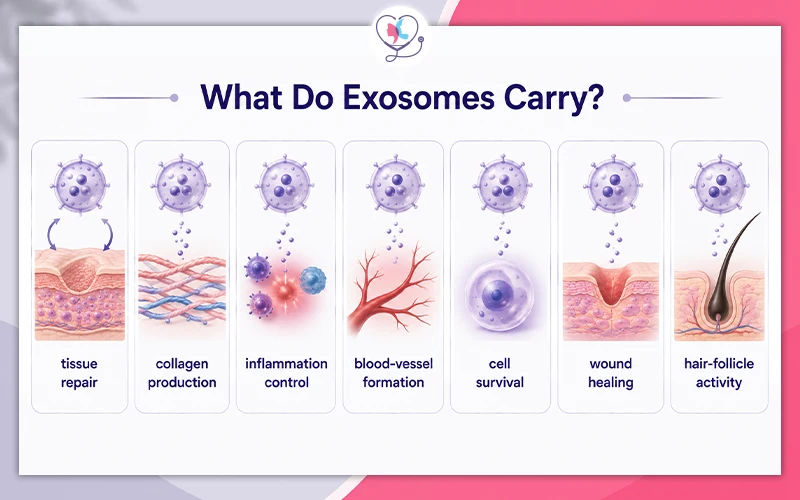
Exosomes carry biological molecules that cells use to communicate, including proteins, lipids, growth factors, messenger RNA (mRNA), and microRNA (miRNA).
This cargo is what makes exosomes interesting in regenerative medicine.
Depending on their source, exosomes may carry signals involved in:
- tissue repair
- collagen production
- inflammation control
- blood-vessel formation
- cell survival
- wound healing
- hair-follicle activity
The exosome itself acts largely as the delivery vehicle. The biological interest lies in the signals contained inside it.
What Are Exosomes Supposed to Do?
Exosomes are supposed to deliver repair-related signals to cells in the treated tissue. After local cells take them up, their proteins and RNA may influence cell activity, including collagen production, inflammatory signaling, wound healing, and hair-follicle activity.
They do not physically rebuild damaged tissue themselves.
Think of an exosome less like a replacement part and more like a biological message telling existing cells how to respond.
That distinction becomes important when judging treatment claims. Exosomes may influence cells that are still capable of responding, but they cannot necessarily restore tissue that has already been permanently lost.
How Do Exosome Injections Work?
Exosome injections are intended to work by delivering proteins, lipids, and RNA signals directly into a target tissue. Nearby cells can take up these vesicles, potentially influencing cellular pathways involved in repair, inflammation, collagen production, and other regenerative responses. Those signals may then influence gene expression and cellular activity.
The proposed process is:
- Exosomes reach the target tissue.
- Nearby cells absorb the vesicles.
- Proteins, lipids and RNA are released inside those cells.
- Cellular signaling pathways change.
- The tissue may respond with changes in repair activity, inflammation, collagen production or other functions, depending on the cells involved.
The response is therefore different in skin, hair follicles and joints.
Collagen and Elastin Production
In the skin, one important target is the fibroblast.
Fibroblasts produce collagen and elastin—the structural proteins that help give skin its firmness, elasticity and support.
Laboratory and early clinical research suggests certain exosome preparations may stimulate fibroblast activity. This is the biological basis for using exosomes to improve:
- fine lines
- skin texture
- elasticity
- acne scars
- post-procedure healing
Changes would be expected to develop gradually because the treatment is intended to influence remodeling rather than immediately fill or lift tissue.
Inflammation and Healing
Exosome cargo may also influence inflammatory pathways.
This is one reason exosomes are being studied and used after procedures such as microneedling and laser resurfacing, where reducing excessive inflammation while supporting repair could improve recovery.
It is also part of the rationale behind experimental orthopedic applications.
Why Exosomes Don't Work the Same Everywhere
One of the most important limitations of exosome therapy is often missing from clinic descriptions: a biological signal only helps if the receiving tissue is capable of responding to it.
Skin contains abundant, active fibroblasts.
A miniaturized but living hair follicle may still respond to growth signals.
Cartilage, however, has limited blood supply and relatively few cells capable of regeneration.
And a hair follicle that has been permanently destroyed cannot simply be signaled back into existence.
That is why the same exosome product should not be expected to produce equally strong results in the face, scalp and knee.
What Are Exosome Injections Used For?
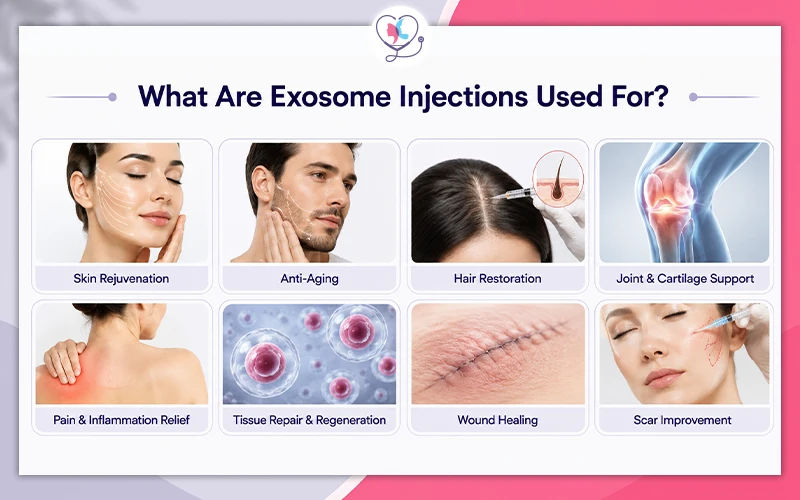
Exosome injections are most commonly marketed for skin rejuvenation, hair restoration and musculoskeletal conditions such as knee osteoarthritis. They are also increasingly used around the eyes and alongside cosmetic procedures.
However, the amount and quality of evidence varies considerably between these applications.
Treatment area | What exosomes are used for | Current evidence |
Face and skin | Texture, fine lines, healing, acne scars | Promising, particularly as an adjunct to procedures |
Under eyes | Crepey skin and skin quality | Limited |
Hair | Thinning hair, density, follicle support | Early but promising |
Knee | Osteoarthritis pain and tissue repair | Limited human evidence |
Arthritis | Inflammation and cartilage support | Experimental |
Do Exosome Injections Actually Work?
Exosome injections show promising early results, but how well they work depends heavily on what is being treated. Evidence is more encouraging for some skin and hair applications, while claims about cartilage regeneration and other medical uses remain much less established.
Application | What evidence currently suggests |
Skin | Promising for skin quality and recovery, particularly alongside procedures |
Hair | Early human evidence suggests potential benefit for thinning hair |
Under eyes | Limited direct evidence |
Knee/OA | Experimental; pain/function evidence is more plausible than proven cartilage regeneration |
Arthritis | Experimental |
Exosome Injections for the Face and Skin
Exosome injections for the face are primarily intended to improve skin quality rather than facial structure.
Potential uses include:
- improving skin texture
- softening superficial fine lines
- supporting collagen and elastin production
- improving hydration and radiance
- supporting healing after cosmetic procedures
- improving the appearance of some acne scars
This distinction matters when setting expectations.
Exosomes do not add volume like dermal fillers, physically lift sagging tissue, or replace a facelift when significant laxity is present.
The more realistic goal is gradual improvement in the condition and appearance of the skin.
Exosomes are also frequently combined with microneedling or fractional laser treatment. In these cases, it can be difficult to determine how much improvement came from the exosomes and how much came from the procedure itself.
Exosome Injections Under the Eyes
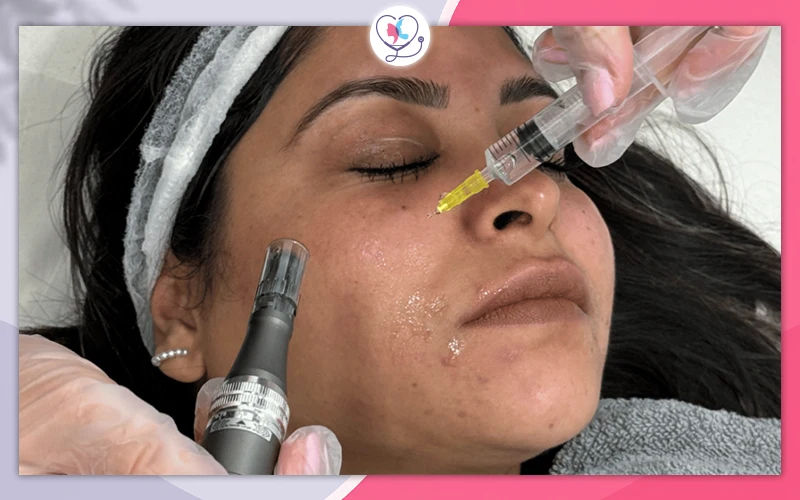
Exosome treatments under the eyes are used primarily to target fine lines, crepey texture, dryness, dullness, and overall skin quality by supporting regenerative and collagen-related signaling.
Because the under-eye area has thin, delicate skin, improvements are generally expected in skin quality rather than major structural correction. Exosomes will not replace lost volume in the same way as filler and should not be expected to eliminate deep tear troughs or significant under-eye hollowness.
Treatment around the eyes requires particular care because of the area's anatomy, and product quality and delivery technique are especially important.
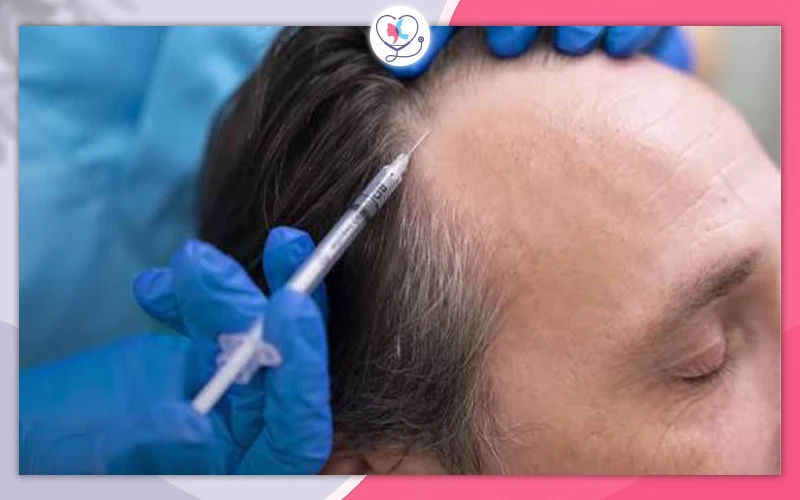
Exosome Injections for Hair Loss and Hair Growth
Exosome hair injections aim to deliver growth and repair signals around existing hair follicles to reduce shedding, improve shaft quality and potentially increase density in areas of thinning hair.
Treatment usually involves multiple shallow injections across the affected scalp.
The proposed mechanism involves growth factors and RNA signals acting around the hair follicle and dermal papilla, potentially supporting follicular activity and the transition toward the active anagen growth phase.
Realistic treatment goals include:
- reduced shedding
- thicker existing hairs
- improved hair density
- support for miniaturized follicles
- improved scalp environment
But exosomes cannot create entirely new follicles.
Someone with early or moderate thinning and functioning follicles is biologically very different from someone with a smooth bald area where follicles have been permanently lost.
In the latter situation, a hair transplant may address the actual problem more directly.
Visible hair improvement also takes time. Reduced shedding may appear first, while meaningful changes in density generally require several months because hair must pass through its natural growth cycle.
Exosome Injections for the Knee
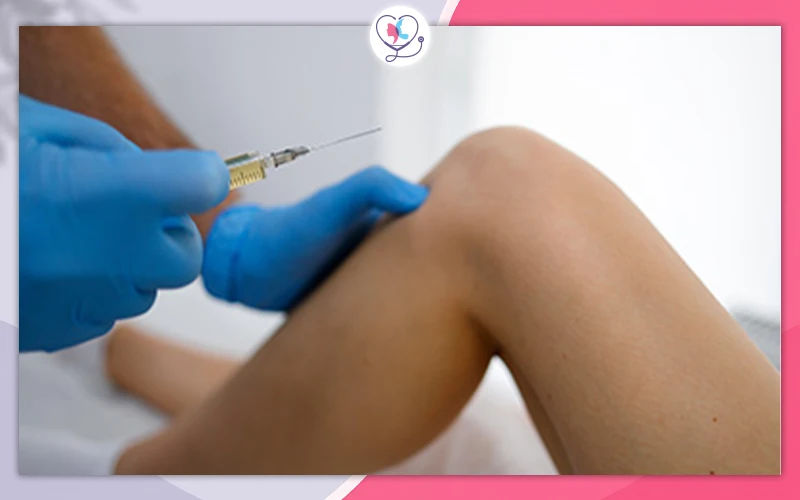
Exosome injections are also marketed for knee osteoarthritis, joint pain and cartilage repair.
The theory is attractive: exosome cargo may help regulate inflammation and send repair-related signals to cartilage and surrounding tissues.
Preclinical and animal research has produced promising findings.
Human evidence, however, remains much less established.
Many available studies are small, lack control groups or use different exosome preparations and protocols. This makes it difficult to determine how much improvement comes specifically from the exosomes.
Patients may report improvements in:
- pain
- stiffness
- mobility
- joint function
But evidence that commercially available exosome injections can reliably regenerate damaged human cartilage remains insufficient.
For this reason, exosome knee injections should be viewed differently from established osteoarthritis treatments rather than presented as a proven replacement for them.
Exosome Injections for Arthritis
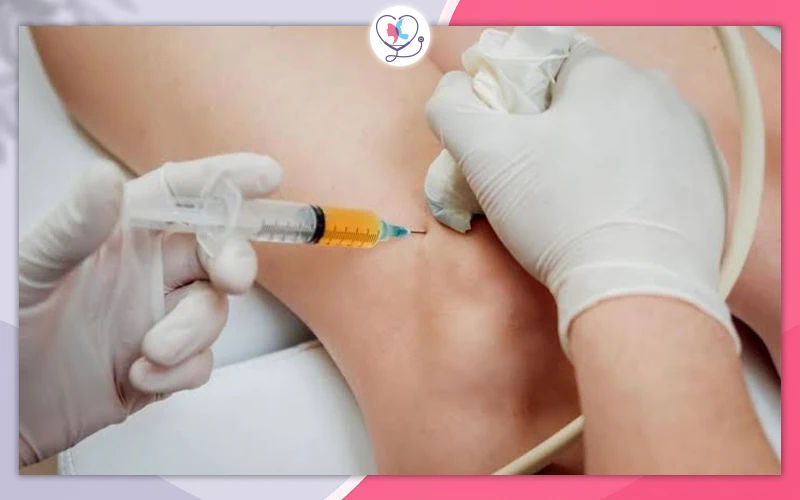
Most commercial interest in exosomes for arthritis concerns osteoarthritis, where researchers are studying whether exosome signaling can reduce inflammation and support cartilage-related repair pathways.
This remains experimental.
Inflammatory diseases such as rheumatoid or psoriatic arthritis are different. These are systemic immune-mediated diseases, and exosome injections should not be considered substitutes for prescribed disease-modifying treatment.
The word "arthritis" therefore should not be treated as one diagnosis when evaluating whether exosome therapy makes sense.
What Are the Benefits of Exosome Injections?
Potential benefits of exosome injections include supporting tissue repair, regulating inflammation, stimulating collagen-related activity, and delivering regenerative signals to targeted tissues.
Depending on the treatment area, potential benefits being investigated include:
- Skin: improved texture, hydration, elasticity, collagen activity, fine lines, and recovery after aesthetic procedures.
- Hair: support for weakened follicles and improvements in hair density or thickness in some early studies.
- Joints and soft tissues: potential effects on inflammatory and tissue-repair pathways, although clinical evidence remains limited.
- Recovery: regenerative signaling may support wound-healing and tissue-repair processes.
These are potential benefits rather than guaranteed outcomes. Evidence varies considerably by indication, product, dose, and delivery method, and some proposed applications remain experimental.
Exosome Injections vs Topical Exosomes and Microneedling
Not every treatment advertised as "exosome therapy" involves an injection.
There are three substantially different approaches:
Method | How exosomes are delivered | Typical use |
Direct injection | Injected into skin, scalp or joint | Hair, skin and experimental orthopedic treatment |
Microneedling + exosomes | Applied after microchannels are created | Skin rejuvenation and recovery |
Topical exosomes | Applied to the surface of the skin | Cosmetic/post-procedure use |
Direct Exosome Injection
Injection places the preparation directly into the intended tissue.
This provides more direct delivery, but it also raises greater regulatory and safety concerns because injectable biological products require a very different level of testing from topical cosmetics.
Exosomes With Microneedling
Microneedling creates thousands of temporary microscopic channels in the skin. Exosome products can then be applied over the treated area.
This combination has become particularly popular for facial rejuvenation because the procedure itself stimulates collagen while the exosome preparation is intended to support healing and repair signaling.
The important caveat is that microneedling itself works.
If skin improves after combined microneedling and exosome treatment, before-and-after photographs cannot tell you how much of that improvement came specifically from the exosomes.
Topical Exosomes
Simply applying an exosome serum to intact skin is not equivalent to injecting it or applying it after microneedling.
The skin barrier limits penetration of large biological particles. This makes the formulation and method of delivery particularly important when evaluating topical claims.
Exosome Injection Side Effects and Risks
Most immediate reactions after cosmetic exosome injections are related to the injection itself and may include:
- redness
- swelling
- bruising
- tenderness
- itching
- small injection marks
These usually improve within several days.
More concerning complications have also been reported, particularly with products that were not intended or properly regulated for injection.
Potential serious risks include:
- infection
- persistent inflammation
- firm nodules
- granulomatous reactions
- scarring
- immune reactions
- contamination or impurities in poorly controlled products
A published case series reported persistent inflammatory reactions, nodules and scarring after intradermal injection of exosome-based formulations, highlighting an important practical problem: the safety of exosome therapy depends not only on exosome biology but also on exactly what is inside the product being injected.
This makes product traceability unusually important.
Are Exosome Injections FDA-Approved?
No. There are currently no FDA-approved exosome products for treating diseases or conditions, and exosome products marketed for injection should not be confused with approved stem-cell or regenerative therapies.
This is one of the most important facts for patients considering treatment.
It does not mean that exosome biology is fake or that every future exosome therapy will fail. Exosomes are an active and legitimate field of biomedical research.
It means that scientific potential and an approved commercial treatment are two different things.
Regulation also varies between countries, so patients considering treatment outside the United States should ask specifically about the status of the exact product and route of administration in that country.
A product permitted for topical cosmetic use should not automatically be assumed to be authorized for injection.
Before treatment, ask:
- What is the exact product name?
- Who manufactures it?
- What type of cells are the exosomes derived from?
- Is the product specifically authorized for injection where I am being treated?
- How is the product tested for sterility, purity and contaminants?
- What concentration or dose will be used?
A clinic should be able to answer these questions clearly.

How Much Do Exosome Injections Cost?
Exosome injections typically cost about $300 to $5,000+ per session, depending on the treatment area and protocol. Cosmetic skin treatments or exosome add-ons after microneedling tend to cost less, while scalp injections for hair loss and orthopedic injections for joints usually cost more.
Treatment | Typical Exosome Injection Cost (USD) |
Face / skin | 300–900 when used as an add-on to microneedling or laser |
Hair / scalp injections | 1,500–5,000 per session |
Knee / joint injections | 2,500–6,000 per treatment area |
Hair treatment in Turkey | 750–2,000, depending on the clinic and protocol |
These are broad commercial price ranges rather than standardized medical fees, because there is no single approved exosome product, dose, or treatment protocol.
What Affects the Cost of Exosome Injections?
- Treatment area and goal: Larger or more complex treatment areas may require more product or multiple vials.
- Number of sessions: Hair, skin, or joint protocols may involve more than one treatment.
- Amount and concentration: Higher product volume or concentration can raise the price.
- Exosome source and manufacturer: Cell source, production method, purification, and quality control can affect product cost.
- Clinic and country: Pricing varies significantly between markets and providers.
- Combination treatments: Adding PRP, microneedling, laser, or other procedures increases the total cost.
- Insurance coverage: Exosome injections are generally considered experimental and are typically not covered by insurance.
What Happens During an Exosome Injection Treatment?
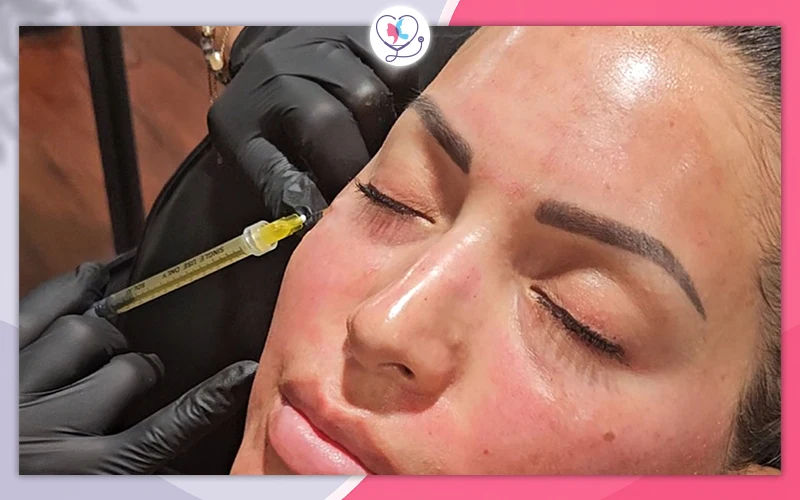
An exosome treatment typically begins with a consultation and assessment of the treatment area, followed by cleansing and, when needed, topical numbing. The exosome preparation is then delivered into targeted areas through small injections or combined with another delivery procedure.
A typical appointment may involve:
- Assessment and treatment planning.
- Cleansing and preparation of the area.
- Topical anesthetic when appropriate.
- Targeted injection or another planned delivery method.
- Post-treatment care instructions.
Sessions commonly take around 30–90 minutes, depending on the area and whether exosomes are combined with procedures such as microneedling or laser. Mild redness, swelling, tenderness, or irritation may occur afterward, while downtime is generally limited for minimally invasive applications
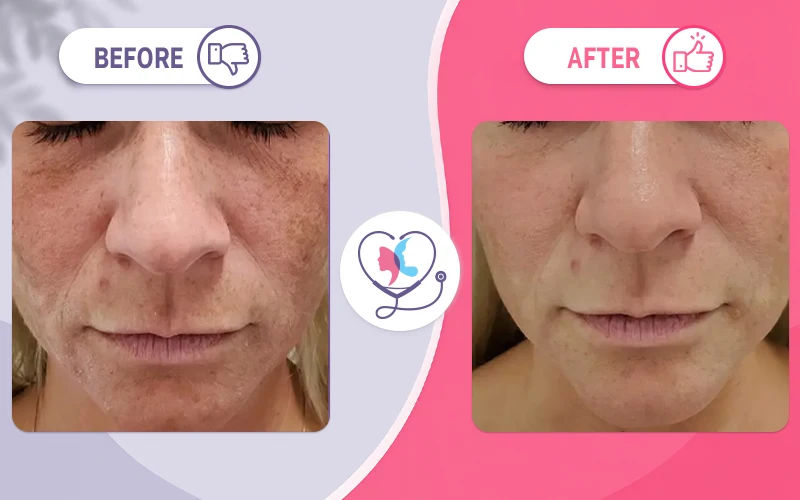
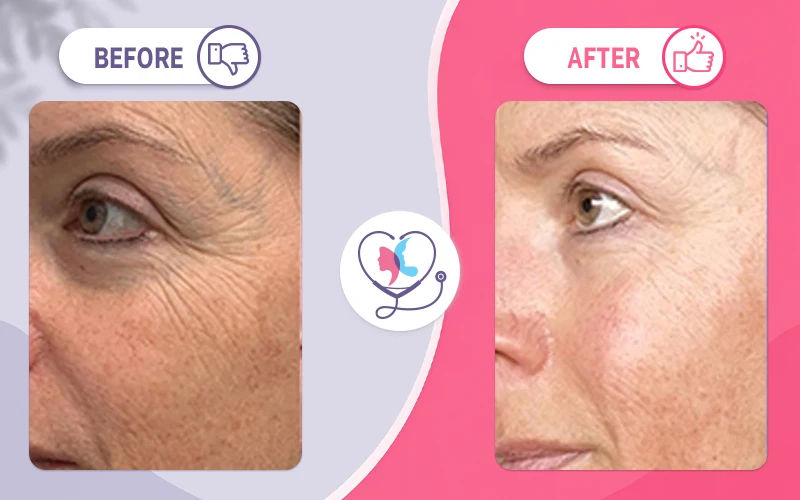
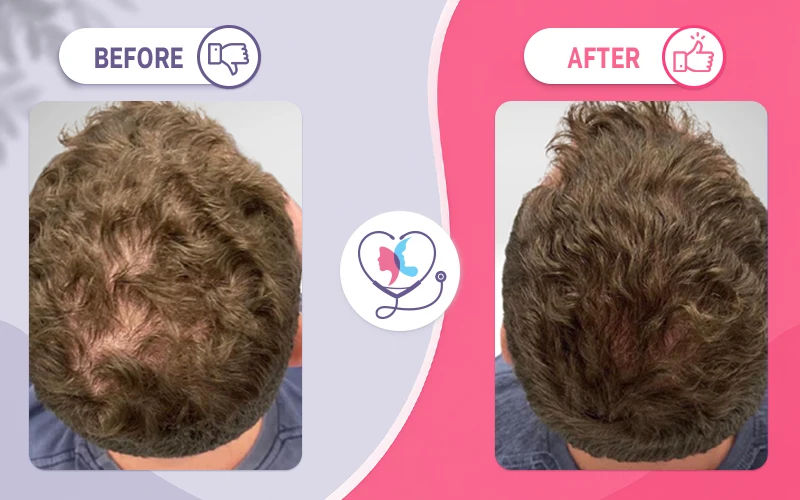
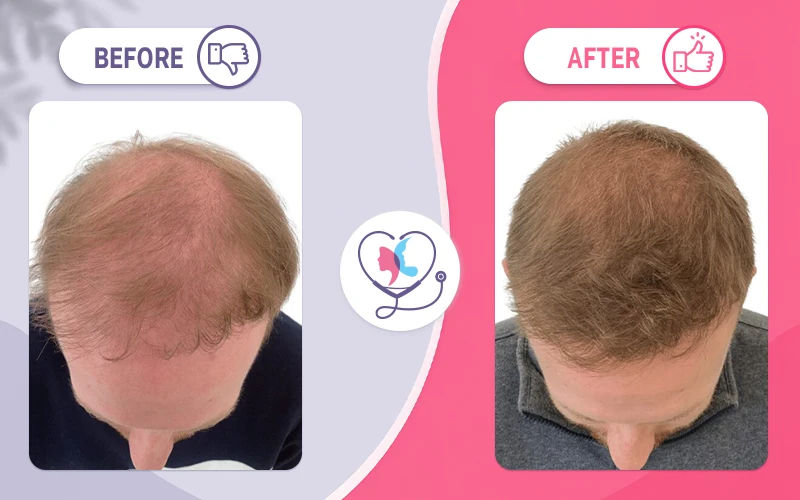
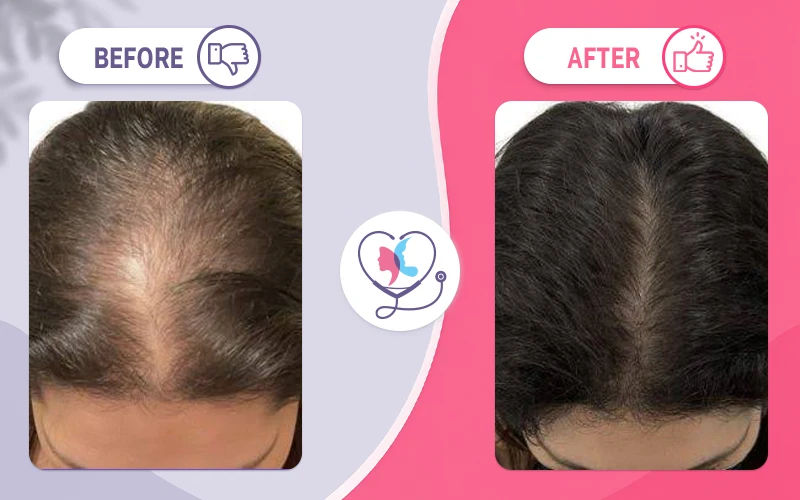
Exosome Injection Before and After: What Results Can You Expect?
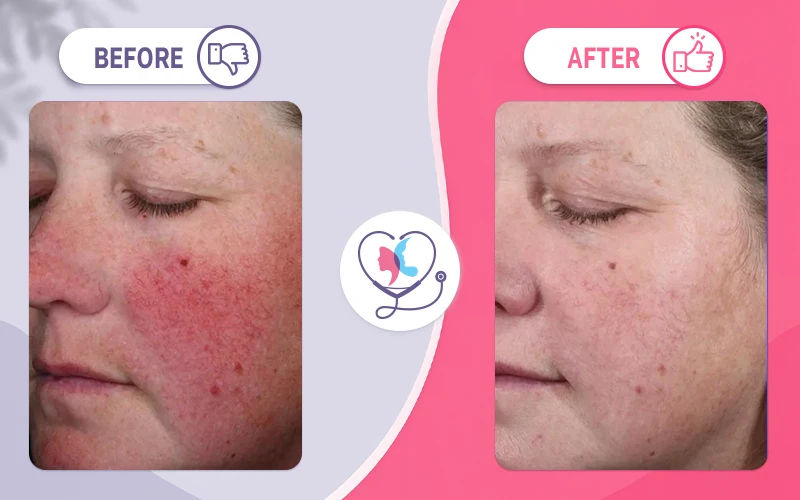
Exosome results are generally gradual rather than immediate, with changes developing over several weeks to months as regenerative signaling and tissue responses occur.
For skin treatments, patients may notice earlier changes in hydration, texture, radiance, and overall skin quality, while collagen-related improvements may develop progressively.
For hair restoration, visible changes generally require more time. Early improvements may begin within several weeks, while changes in hair density, thickness, or coverage are more commonly assessed over approximately 3–6 months.
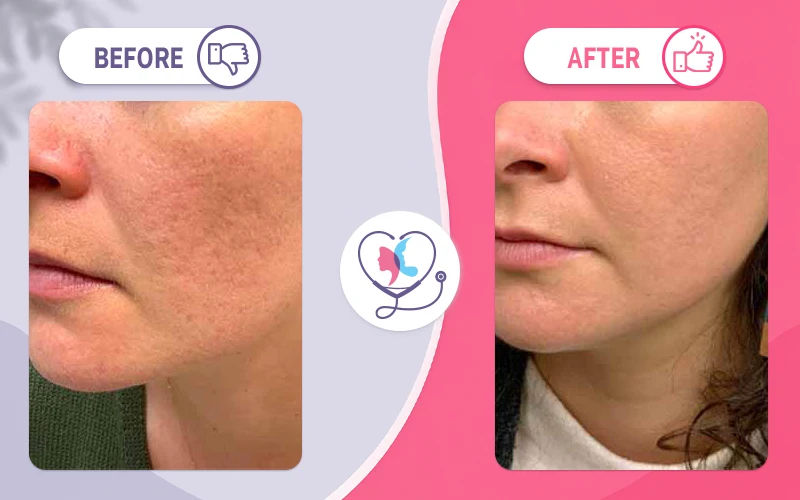
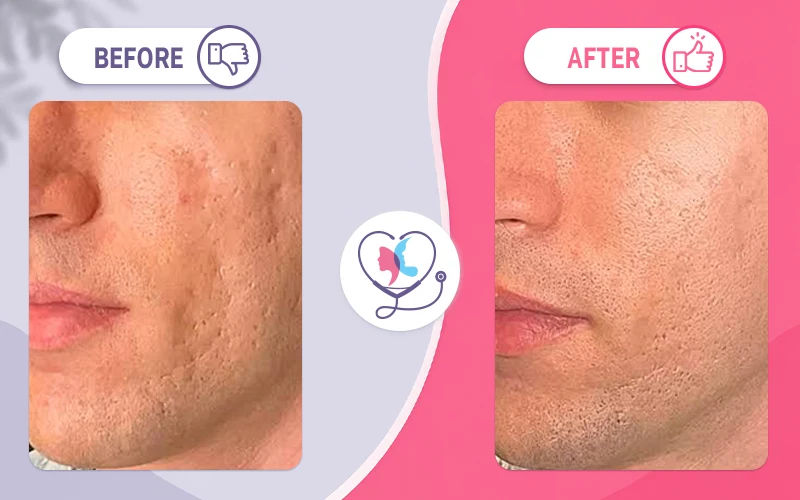
Results vary significantly between patients and should not be interpreted as guaranteed. Treatment area, age, baseline condition, product, delivery method, and number of sessions can all influence the before-and-after outcome.
How Long Do Exosome Injection Results Last?
Exosome injection results may last from about 6 months to 2 years, depending on the treatment area, number of sessions, age, lifestyle, and individual response. Aesthetic skin results often last around 6–9 months, while hair restoration and deeper tissue or joint treatments may last closer to 12–18 months in some patients.
Results usually develop gradually and may decline over time without maintenance. Some clinics recommend follow-up treatments once or twice a year, although there is no standardized maintenance schedule because exosome products and protocols vary.
Longevity can be affected by:
- Treatment purpose: Skin rejuvenation may have a shorter duration than hair or deeper tissue applications.
- Number of sessions: A series of treatments may produce longer-lasting effects than a single session.
- Age and biology: Cellular turnover, baseline tissue condition, and overall health can influence how long benefits persist.
- Lifestyle: Smoking, sun exposure, stress, and skincare may affect aesthetic results.
- Underlying condition: Progressive hair loss or joint degeneration can continue even after temporary improvement
How Many Exosome Treatments Do You Need?
Most exosome treatment plans use about 3–4 sessions spaced roughly 4 weeks apart, although the exact number depends on the treatment area, severity of the condition, and product used. Skin rejuvenation and hair restoration commonly involve a short treatment series, while deeper scars or more advanced hair loss may require additional sessions.
Typical plans may include:
- Skin rejuvenation: Around 3–4 sessions, usually spaced several weeks apart.
- Hair loss: Often 3–4 sessions initially; some patients may need 5–6 depending on the degree of thinning.
- Joint treatments: Some protocols begin with a single targeted injection and reassess before deciding whether another treatment is needed.
- Maintenance: Follow-up treatment may be recommended every 6–12 months if results begin to decline.
The number of sessions can also vary with age, tissue condition, treatment goals, product concentration, and individual response. Because exosome products and protocols are not standardized, there is no single treatment schedule that applies to every patient.
Who Is a Good Candidate for Exosome Injections?
Good candidates for exosome therapy are generally healthy adults with early-to-moderate skin aging, hair thinning, or other concerns where regenerative treatment is being considered. The best candidate depends strongly on the treatment area.
Potential candidates include people with:
- Fine lines, dullness, uneven texture, or early skin aging
- Acne scars or post-inflammatory skin changes
- Early-to-moderate hair thinning while viable follicles remain
- A preference for a minimally invasive treatment with limited downtime
- Realistic expectations about gradual rather than dramatic results
Treatment may not be appropriate during pregnancy or breastfeeding, with active infection or open wounds in the treatment area, or when the underlying condition requires another form of medical treatment. Advanced baldness is also less likely to respond when viable follicles are no longer present.
Exosome Injections vs PRP: Which Is Better?
PRP has the longer clinical history and a more established evidence base, while exosome therapy is newer and may offer more concentrated or consistent cell-signaling products. Early research suggests exosomes may produce promising results for some applications, particularly hair restoration, but direct comparisons remain limited. The main differences are:
Exosome injections | PRP | |
Source | Usually manufactured from cultured donor-cell sources | Patient's own blood |
Contains | Extracellular vesicles and signaling cargo | Concentrated platelets and platelet-derived growth factors |
Evidence | Emerging | Larger clinical evidence base for several uses |
Standardization | Major product-to-product variation | Also variable, but prepared from the patient |
Regulation | No FDA-approved exosome injectable | Established autologous procedure |
Cost | Usually higher | Usually lower |
PRP may therefore be the more established choice, while exosomes represent a newer regenerative approach with promising but less mature evidence. Neither treatment is automatically better for every patient.
Are Exosome Injections Worth It?
Exosome therapy may be worth considering for patients seeking a minimally invasive regenerative treatment for skin or hair concerns, but whether it is worth the cost depends on the indication, product quality, expected results, and available alternatives.
Potential advantages include limited downtime and a cell-free approach that delivers concentrated biological signals. However, exosome treatments can be more expensive than established options such as PRP, products are not standardized, and clinical evidence remains limited for many applications.
For this reason, exosome therapy may be more reasonable when there is a clear treatment goal, realistic expectations, and a qualified provider using a traceable product. It should not be viewed as a proven cure or guaranteed regenerative treatment.
Exosome Injections in Turkey: Treatment and Packages
Turkey is a popular destination for exosome treatments, from skin and hair rejuvenation to medical applications for the knees, joints, and tissue repair. Istanbul offers modern medical facilities, experienced specialists, and well-developed services for international patients.
At Turkey Luxury Clinics, treatment plans are personalized according to the treatment area, goals, and recommended protocol. International packages may include:
- Specialist consultation and treatment
- Medical tests when required
- Hotel accommodation
- VIP transfers
- Translation and patient support
- Follow-up and aftercare
Contact Turkey Luxury Clinics for a personalized exosome treatment plan and package in Turkey.
FAQs About Exosome Injections