

- How Much Does a Gastric Balloon Cost in Turkey in 2026?
- All-Inclusive Gastric Balloon Package in Turkey
- Gastric Balloon Cost in Turkey by Type
- Gastric Balloon Cost in Turkey vs UK and USA
- What Affects the Cost of a Gastric Balloon in Turkey?
- Are There Additional Gastric Balloon Costs in Turkey?
- Why Is Gastric Balloon Treatment Cheaper in Turkey?
- Gastric Balloon Cost vs Other Weight Loss Procedures in Turkey
- Is a Gastric Balloon in Turkey Worth the Cost?
- What is a Gastric Balloon Weight Loss Procedure?
- Why Patients Choose Turkey for Gastric Balloon
- Best Gastric Balloon Type: Which One Is Right for You?
- How is Gastric Balloon Procedure Performed?
- Gastric Balloon Recovery Time
- Gastric Balloon Realistic Weight Loss Results
- Real Patient Reviews and Experiences
- Who Is a Candidate for Gastric Balloon?
- Gastric Balloon vs. Gastric Sleeve vs. ESG
- Side Effects of a Gastric Balloon
- Is a Gastric Balloon Safe? Safety vs Risks
- Book for Gastric Balloon with Turkey Luxury Clinics
- FAQs About Gastric Balloon
Gastric balloon treatment in Turkey typically costs $1,500–$3,500 in 2026, depending on the balloon type, treatment duration, clinic, and package inclusions. All-inclusive gastric balloon packages may range from $1,700 to $4,000.
Common options include the 6-month Orbera balloon, swallowable Allurion balloon, and 12-month adjustable Spatz3 balloon. Many clinics offer all-inclusive packages covering the balloon procedure, medical tests, hotel accommodation, airport transfers, and nutritional follow-up.
This guide compares gastric balloon prices in Turkey, balloon types, package inclusions, expected weight-loss results, recovery, risks, and candidacy.
How Much Does a Gastric Balloon Cost in Turkey in 2026?
In 2026, the gastric balloon cost in Turkey typically ranges from $1,500 to $3,500, depending mainly on the type of balloon and treatment package. Standard 6-month endoscopic balloons usually cost around $1,700–$2,300, swallowable balloons such as Allurion around $1,900–$3,000, and 12-month adjustable balloons around $2,500–$3,500.
Most clinics in Turkey offer all-inclusive gastric balloon packages that may cover the balloon device, placement procedure, medical tests, hospital fees, hotel accommodation, airport transfers, and nutritional follow-up. However, balloon removal may cost an additional $350–$500 if it is not included in the package.
All-Inclusive Gastric Balloon Package in Turkey
All-inclusive gastric balloon packages in Turkey typically cost $1,700–$4,000, depending on the balloon type, clinic, and level of aftercare included. These packages combine the gastric balloon procedure with several medical and travel-related services, making it easier for international patients to estimate the total treatment cost before traveling.
A typical all-inclusive package may include:
- Pre-procedure medical evaluation and blood tests
- The gastric balloon device
- Balloon placement procedure
- Hospital or clinic fees
- Sedation or anesthesia when required
- 2–3 nights in a 4- or 5-star hotel
- VIP airport, hotel, and clinic transfers
- Dietitian and nutritional follow-up, sometimes for 6–12 months
However, balloon removal is not always included in the original package. For endoscopic 6-month or 12-month balloons, standalone removal may cost an additional $350–$500 if it is not specifically included in the treatment agreement.
Some clinics may also charge separately for post-procedure medications, such as anti-nausea or acid-reflux medication.
Gastric Balloon Cost in Turkey by Type
The cost of a gastric balloon in Turkey varies mainly by balloon type, brand, and treatment duration. Based on 2026 price ranges, a standard 6-month balloon typically costs $1,700–$2,300, while swallowable and longer-term adjustable balloons can cost up to $3,500.
Gastric Balloon Type | Example | Cost in Turkey |
Standard 6-Month Endoscopic Balloon | Orbera, MedSil | $1,700–$2,300 |
Swallowable Capsule Balloon | Allurion Ellipse | $1,900–$3,000 |
12-Month Adjustable Balloon | Spatz3 | $2,500–$3,500 |
The price difference reflects not only how long the balloon remains in the stomach but also how it is placed, whether endoscopy or anesthesia is required, and whether the balloon can be adjusted during treatment.
Standard 6-Month Gastric Balloon Cost in Turkey
A standard 6-month gastric balloon typically costs $1,700–$2,300 in Turkey. Common examples include Orbera and MedSil.
These balloons are placed in the stomach using an endoscopic procedure and are removed endoscopically at the end of the treatment period. Because both placement and removal may involve endoscopy and sedation, patients should check whether balloon removal is included in the original package price or charged separately.
Allurion Gastric Balloon Price in Turkey
The Allurion gastric balloon, also known as the Allurion Ellipse, typically costs $1,900–$3,000 in Turkey.
Unlike standard endoscopic balloons, Allurion is placed as a swallowable capsule without endoscopy or anesthesia. The balloon remains in the stomach temporarily before emptying and passing naturally through the digestive system.
Its different placement method and balloon technology help explain why its price may be higher than some standard 6-month gastric balloons.
12-Month Adjustable Gastric Balloon Cost in Turkey
A 12-month adjustable gastric balloon, such as Spatz3, typically costs $2,500–$3,500 in Turkey, making it one of the more expensive gastric balloon options.
Spatz3 is designed for a longer treatment period and allows the balloon volume to be adjusted when clinically appropriate. Its longer duration and adjustability are key reasons for the higher price compared with standard 6-month balloons.
Gastric Balloon Cost in Turkey vs UK and USA
Gastric balloon treatment in Turkey is considerably less expensive than in the UK and United States. In Turkey, treatment commonly costs around $1,700–$3,500, depending on the balloon type, while the national average in the United States is approximately $6,000–$9,000 out of pocket.
Some standard gastric balloon options in the UK cost around $4,500–$6,500, making Turkey one of the more affordable destinations for the procedure.
Country | Typical Gastric Balloon Cost |
Turkey | $1,500–$3,500 |
UK | $4,500–$6,500 |
USA | $6,000–$9,000 |
In the United States, gastric balloon treatment is also rarely covered by health insurance, as insurers often classify it as an elective or weight-loss procedure. The quoted U.S. price commonly includes balloon placement, removal, and several months of nutritional or behavioral support.
Turkey may therefore cost roughly 50%–70% less than treatment in the United States, depending on the balloon type and package selected. The difference can be even more significant when Turkish packages include accommodation, airport transfers, and follow-up care.
What Affects the Cost of a Gastric Balloon in Turkey?
The final cost of a gastric balloon in Turkey depends mainly on the balloon type and brand, treatment duration, placement method, clinic fees, and services included in the package.
The main price factors include:
- Balloon type and brand: Orbera, MedSil, Allurion, and Spatz3 have different price ranges.
- Treatment duration: 12-month balloons generally cost more than standard 6-month options.
- Placement method: Endoscopic balloons may require sedation or anesthesia, while Allurion is swallowed as a capsule.
- Adjustability: Adjustable systems such as Spatz3 may cost more than standard balloons.
- Doctor and facility fees: Prices vary according to the clinic, hospital, and medical team.
- Follow-up care: Dietitian support and additional medical monitoring can affect the package price.
- Medical tourism services: Hotel accommodation and private transfers may be included in higher-priced packages.
- Balloon removal: Some clinics include removal in the initial price, while others charge separately.
This is why two clinics offering the same balloon brand may quote different total prices.
Are There Additional Gastric Balloon Costs in Turkey?
Yes. The advertised gastric balloon price may not always include every part of treatment.
The most important potential extra cost is gastric balloon removal. If removal is not included in the original package, a standalone removal procedure in Turkey generally costs around $350–$500.
This applies mainly to endoscopic balloons such as 6-month Orbera or MedSil balloons and 12-month adjustable Spatz3 balloons, which require removal at the end of the treatment period.
The Allurion swallowable balloon does not normally require a removal procedure, because it empties and passes naturally through the digestive system.
Other possible additional expenses may include extra hotel nights, companion accommodation, medications, additional examinations, or extended nutritional follow-up.
For this reason, patients should confirm whether balloon removal is explicitly included in the original package price before booking treatment.
Why Is Gastric Balloon Treatment Cheaper in Turkey?
Gastric balloon treatment is generally cheaper in Turkey because healthcare and operating costs are lower than in countries such as the UK and United States, while Turkey's large medical tourism market allows clinics to offer treatment through competitive package pricing.
Many Turkish clinics combine the procedure with accommodation, transfers, medical tests, and follow-up services in one package. As a result, international patients may pay less overall even when additional travel-related services are included.
A lower price, however, should not be the only factor when choosing a provider. The balloon brand, medical team, facility standards, follow-up program, and exactly what the quoted package includes should also be considered.
Gastric Balloon Cost vs Other Weight Loss Procedures in Turkey
A gastric balloon is generally one of the more affordable weight loss procedures in Turkey, with prices ranging from $1,500 to $3,500. Unlike bariatric surgery, the gastric balloon does not require abdominal incisions or permanent surgical changes to the stomach, which helps keep the overall treatment cost lower.
Weight Loss Procedure | Typical Cost in Turkey | Procedure Type |
Gastric Balloon | $1,500–$3,500 | Non-surgical, temporary |
Gastric Sleeve | From $2,500 | Surgical, permanent |
Gastric Bypass | $5,500–$9,000 | Surgical, permanent |
Mini Gastric Bypass | $5,000–$8,500 | Surgical, permanent |
Duodenal Switch | $7,000–$12,000 | Surgical, permanent |
While a gastric balloon has a lower upfront cost, the procedures are not direct equivalents. A balloon is a temporary, non-surgical weight loss treatment, whereas procedures such as gastric sleeve and gastric bypass permanently alter the digestive anatomy and are generally used when greater and more durable weight loss is required.
Patients considering a surgical alternative can compare the gastric sleeve cost in Turkey or explore our complete bariatric surgery cost guide to compare prices, procedures, and package inclusions.
Is a Gastric Balloon in Turkey Worth the Cost?
A gastric balloon in Turkey may be worth the cost for suitable patients seeking a temporary, non-surgical and reversible weight-loss treatment, particularly because prices are generally lower than in the UK or United States.
However, value depends on more than the initial procedure price. Patients should consider the balloon type, expected weight loss, medical supervision, nutritional support, side effects, follow-up care, and ability to maintain lifestyle changes after treatment.
The cheapest gastric balloon package is therefore not necessarily the best value. A stronger package is one that combines an established balloon system with appropriate medical evaluation, professional nutritional support, follow-up care, and clear information about any additional costs.
What is a Gastric Balloon Weight Loss Procedure?
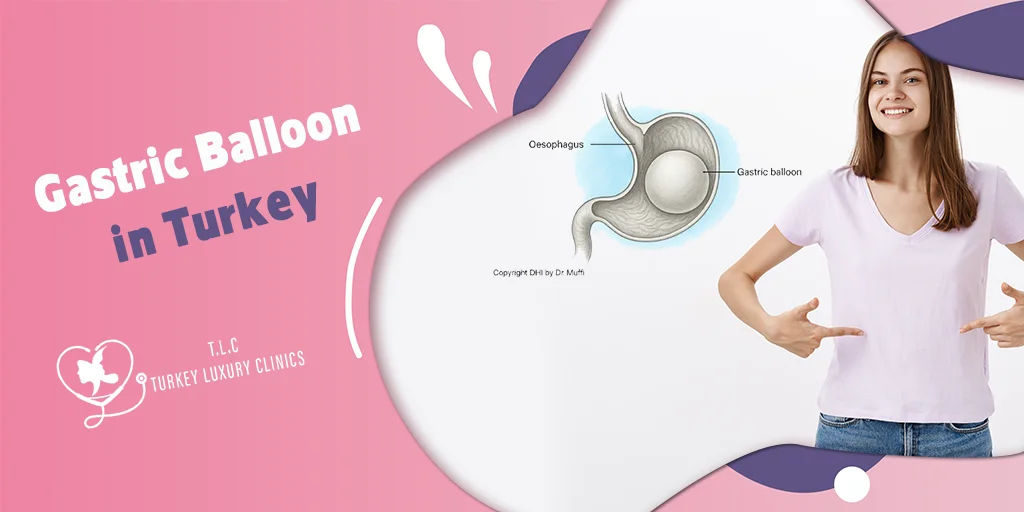
A gastric balloon (intragastric balloon) is a non-surgical weight-loss device temporarily placed inside the stomach. The soft silicone balloon is inserted through the mouth using an endoscope or swallowable capsule, then filled with saline to occupy space, helping patients feel full faster and eat smaller portions. This reduces the available volume for food, helping patients feel full faster and eat less. The balloon typically remains in place for up to six months before removal.

Why Patients Choose Turkey for Gastric Balloon
International patients from the US, UK, and Europe opt for gastric balloons in Turkey to save up to 60% of the procedure cost while receiving comparable efficacy, quality of care and combine the procedure with a tourism journey in Istanbul.
Turkey's health system is among the top worldwide, international patients achieve care in JCI accredited hospitals, with elite surgeons and top tier medical care. Choosing Turkey for your procedure guarantees you world-class medical quality combined with highly affordable prices. The country provides advanced medical tech, certified obesity doctors, and fully managed travel logistics.
Benefits of Travelling to Turkey for a Gastric Balloon
- Massive Cost Savings: The procedure costs up to 70% less compared to private clinics in the UK, Europe, or the United States.
- Experienced Bariatric Specialists: Turkish gastroenterologists and bariatric surgeons perform thousands of balloon procedures annually, creating high clinical expertise.
- No Waiting Lists: Unlike Western healthcare systems or public insurance waiting times, foreign patients can schedule their procedure immediately.
- FDA-Approved Brands: Turkish clinics strictly use globally recognized, internationally certified balloon systems like Allurion, Orbera, and Spatz3.
Best Gastric Balloon Type: Which One Is Right for You?
The U.S. Food and Drug Administration (FDA) has approved several intragastric balloon systems for weight loss, including Orbera, Spatz3 and, since February 2026, the swallowable Allurion Gastric Balloon System. In reality, different balloon systems are designed for different lifestyles, BMI ranges, comfort levels, and treatment goals.
1. Allurion Balloon: Best for Patients Wanting No Endoscopy or Surgery
The Allurion balloon (previously known as the Elipse balloon) does not require surgery, endoscopy, or anesthesia. Instead, the patient swallows a capsule attached to a thin catheter. Once the capsule reaches the stomach, the balloon is filled and begins functioning immediately.

- Duration: Stays for 4 months (16 weeks).
- How it exits: The balloon's release valve opens automatically, the fluid drains out safely, and the empty balloon exits the body naturally with your daily bowel movements.
- Who it is for: Busy professionals and patients anxious about sedation.
2. Orbera Gastric Balloon: Best for Proven Long-Term Clinical Experience
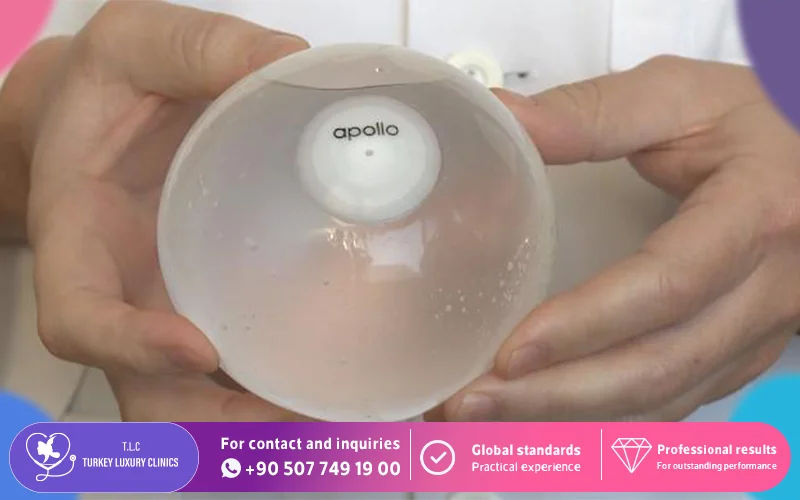
The Orbera balloon is considered the most established gastric balloon system worldwide. It is inserted endoscopically under mild sedation and filled with sterile saline solution.
- Duration: Stays in the stomach for 6 months.
- How it exits: Requires a quick, 15-minute endoscopic procedure under light sedation to be deflated and removed.
- Who it is for: Patients wanting stronger restriction and a highly predictable, time-tested outcome.
3. Spatz3 Adjustable Balloon: Best for Longer Treatment and Plateau Prevention
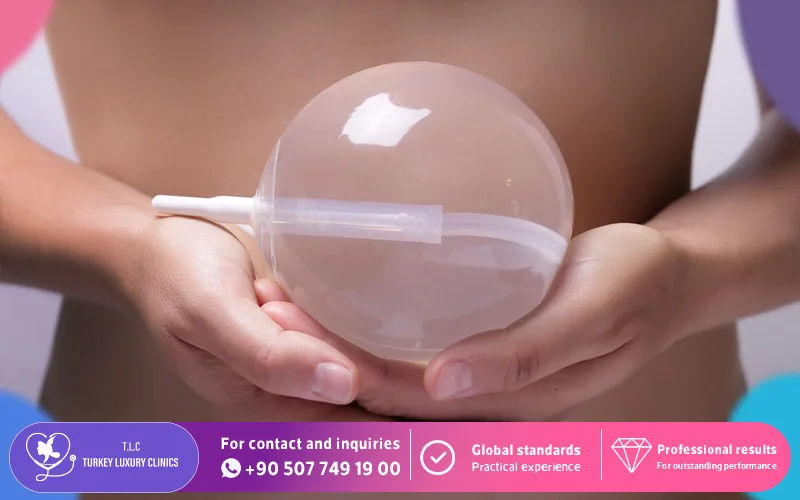
The Spatz balloon differs from other systems because its size can be adjusted during treatment. This feature is important because many patients experience stomach adaptation, where appetite slowly begins returning after several months. With Spatz, the balloon volume can be increased later via a quick endoscopy to restore fullness and reduce hunger again.
- Duration: Can safely remain in the stomach for up to 12 months.
- How it exits: Requires endoscopic removal at the end of the treatment.
- Who it is for: Higher BMI patients who need a full year to fix their relationship with food and prevent early weight loss plateaus.
How is Gastric Balloon Procedure Performed?
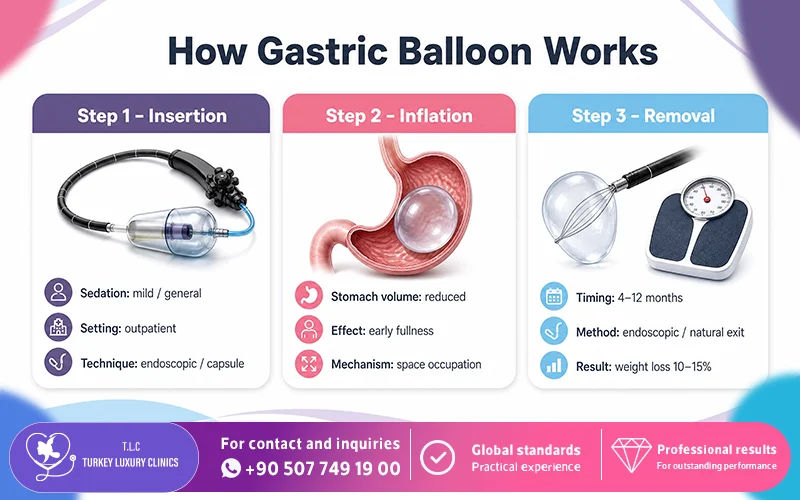
- Duration & Setting: The procedure takes around 20–30 minutes and is performed on an outpatient basis, meaning patients usually go home the same day.
- Anesthesia: It is done under mild sedation or light anesthesia depending on the balloon type.
- The Procedure: A doctor guides a deflated balloon through your mouth and down into your stomach using an endoscope. Some balloons can even be swallowed in a capsule. Once in place, it is filled with a saline (saltwater) solution.
- Removal: The balloon remains in place for up to 6 months (or 12 months for adjustable types) to help you retrain your eating habits, after which it is deflated and removed endoscopically (except swallowable types, which exit naturally).
- International Stay & Travel: International patients are required to stay in Turkey for 3 to 4 days for medical monitoring and to ensure the stomach adapts smoothly to the device. After this short recovery window, patients are medically cleared to fly back home safely.
Gastric Balloon Recovery Time
Most patients return home the same day and resume light daily activities within 24 to 72 hours. The first 3 to 7 days are usually the hardest due to nausea, stomach cramps, and temporary vomiting while the stomach adapts to the balloon. Recovery is generally much faster and less demanding compared to bariatric surgery because no stomach cutting or surgical incisions are involved.
Gastric Balloon Realistic Weight Loss Results
Most gastric balloon patients lose approximately 10% to 15% of their total body weight during treatment. Weight loss is usually fastest during the first month, then becomes more gradual over the following months. Results depend heavily on diet, physical activity, starting BMI, and long-term lifestyle changes. The gastric balloon works best as a temporary tool that helps patients feel full faster, reduce portion sizes, and improve eating habits.
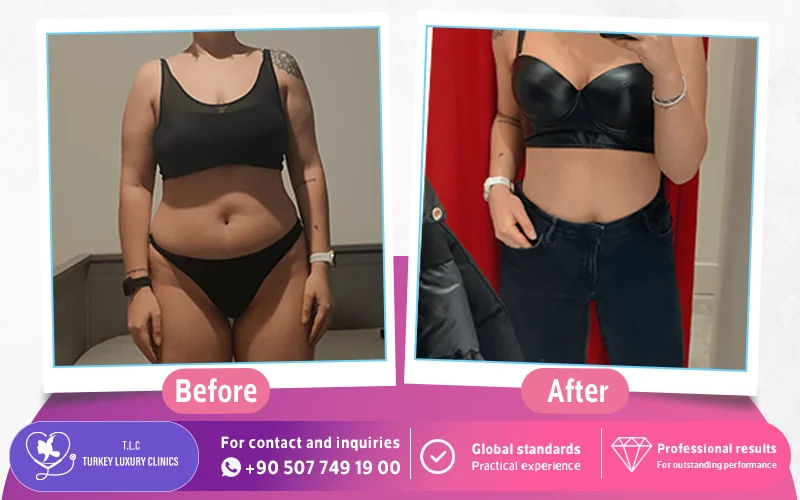
Weight Loss Milestones After a Gastric Balloon
Treatment Phase | What Most Patients Experience |
First 30 Days | Usually the fastest weight-loss phase. Many patients lose approximately 3 to 7 kg (7–15 lbs). |
Months 2 to 3 | Weight loss becomes steadier and more sustainable. Many patients continue losing around 0.5 to 1 kg (1–2 lbs) per week. |
Months 4 to 6 | Weight loss often slows as the body adapts. Long-term success depends on maintaining healthy eating habits, portion control, and regular physical activity. |
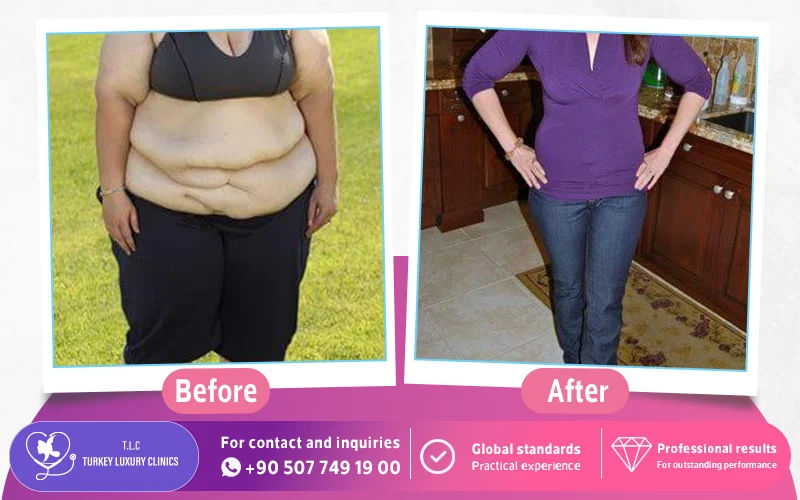
Main Factors Affecting Your Results
Your final weight loss outcome is directly dictated by three main elements:
- Starting BMI: Higher starting weights show larger numerical drops on the scale.
- Diet Quality: Avoiding high-calorie liquids (soda, milkshakes, ice cream) is mandatory.
- Lifestyle Changes: Incorporating a 30-minute daily walk preserves your metabolic rate.
Unrealistic Expectations & Why Some Patients Don’t Get Results
- Expecting surgical-level weight loss without lifestyle changes: Some patients believe the balloon alone is enough, but long-term results still depend on diet and activity.
- Continuing high-calorie eating habits: Liquid calories such as soft drinks, milkshakes, and sweets can bypass restriction and reduce effectiveness.
- No follow-up or nutritional support: Patients who do not follow medical or dietitian guidance often achieve lower weight loss.
- Assuming permanent results after removal: The gastric balloon is temporary, and weight maintenance depends on sustained behavioral changes.
Will You Regain Weight After Balloon Removal?
Yes, if you return to your old eating habits. The balloon reduces your stomach's capacity temporarily. Once it is out, your stomach goes back to its original size.
Clinical data shows that up to 78% of patients may experience weight regain years after balloon removal if long-term dietary habits are not permanently altered. The balloon is an effective intervention tool, not a permanent cure.
The patients who maintain results long-term are usually the ones who use the balloon period to permanently rebuild their eating structure, portion awareness, and physical activity habits.
Real Patient Reviews and Experiences
Most patients report that the first week is the most challenging due to nausea, cramps, and a liquid-only diet while the stomach adapts to the balloon.
After the first week, symptoms usually improve significantly, and early fullness becomes noticeable, making it easier to reduce portion sizes. Many patients describe the treatment as a “reset” that helps them regain control over eating habits, especially in terms of portion control and reduced snacking. Long-term success, however, depends on maintaining dietary changes after the balloon is removed.
Who Is a Candidate for Gastric Balloon?
A gastric balloon candidate is typically an adult with a Body Mass Index (BMI) between 30 and 40 who has struggled to lose weight through diet and exercise alone. You may be a good candidate if you have:

- Body Mass Index (BMI): A BMI between 30 and 40. In some cases, patients with a BMI between 27 and 32, or those needing weight loss before a major surgery, may also be eligible.
- History of Failed Weight Loss: Previous unsuccessful attempts to lose weight through diet, exercise, or lifestyle changes.
- Age Requirement: Generally 18 years or older, with some programs recommending patients be 22 or older depending on medical evaluation.
- Commitment to Lifestyle Change: Willingness to follow a long-term, medically supervised diet and behavioral modification program alongside the gastric balloon.
Who Should Not Get a Gastric Balloon
The procedure is generally not recommended for individuals who:
- Have previously undergone stomach or bariatric surgery.
- Have active inflammatory diseases of the gastrointestinal tract, a hiatal hernia, or severe bleeding/clotting disorders.
- Are pregnant or planning to become pregnant.
Gastric Balloon vs. Gastric Sleeve vs. ESG
It is vital to understand that these options are fundamentally different in terms of surgery, risk, and permanence:
- Gastric Balloon: A temporary, non-surgical tool (4–12 months) that fills stomach space. Best for mild to moderate obesity (BMI between 27 and 35). It is completely reversible.
- Endoscopic Sleeve Gastroplasty (ESG): A non-surgical, permanent option where the stomach is stitched and folded from the inside using an endoscope to reduce its volume without cutting any tissue.
- Gastric Sleeve (Sleeve Gastrectomy): A permanent surgical operation where 75% to 80% of the stomach is physically cut and removed. It is designed for severe or morbid obesity (BMI over 40) and involves a standard surgical recovery phase.
Side Effects of a Gastric Balloon
Most side effects are temporary and typically last only during the first 3 to 7 days. This period is known as the adjustment phase, when the stomach reacts to the balloon as a foreign object, leading to temporary spasms and discomfort. Typical timeline of side effects include:
Days 1–3 (Peak phase):
This is usually the most intense period. Nausea, vomiting, and abdominal cramping are most common. Doctors usually prescribe anti-nausea and antispasmodic medications to help manage symptoms.
Days 4–7 (Improvement phase):
Symptoms begin to decrease significantly as the stomach adapts to the balloon. Cramping becomes milder, and nausea is less frequent.
Week 2 onward (Adaptation phase):
Most patients feel largely normal by this stage. The body has adapted, and the balloon is no longer noticeable in daily life, although early fullness during meals becomes more apparent.
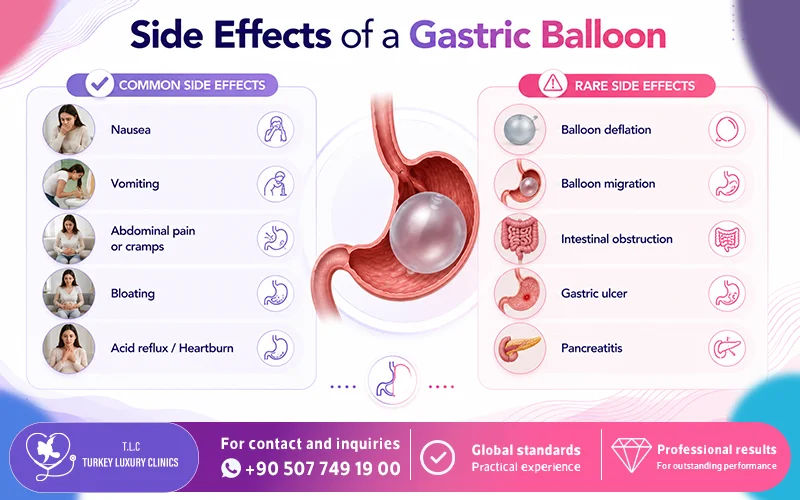
How Common are Gastric Balloon Side Effects?
- Nausea and vomiting: up to 50%–80% of patients
- Abdominal pain and cramping: around 33%–40%
- Acid reflux or GERD: approximately 18%–30%
- Early balloon removal due to intolerance: about 3.5%–5%
When to Seek Medical Attention for Intragastric Balloon
Patients are advised to contact their doctor if they experience:
- Persistent vomiting beyond the first few days
- Severe or worsening abdominal pain
- Signs of dehydration
- Inability to tolerate liquids
Is a Gastric Balloon Safe? Safety vs Risks
The gastric balloon is widely considered one of the safest weight-loss procedures because it is not invasive, the balloon placed using endoscope without incisions, stomach cutting, or permanent alterations to the digestive system, however, it may involve some risks.
Serious complications are uncommon, occurring in a very small percentage of patients.
- Stomach ulcers or irritation
- Early balloon deflation (less than 1% of cases)
- Balloon intolerance leading to early removal (about 3.5%–5%)
- Worsening reflux in sensitive patients
These risks are typically managed through medication, monitoring, and timely medical follow-up.
Book for Gastric Balloon with Turkey Luxury Clinics
Achieving your health goals shouldn't mean compromising on clinical quality or facing exhausting financial barriers. At Turkey Luxury Clinics, we combine advanced, non-surgical bariatric expertise with rigorous international safety standards, ensuring your weight loss journey is both highly effective and medically secure.
Contact our coordinator to get access to certified obesity specialists today and to receive a transparent, all-inclusive treatment plan tailored directly to your health metrics and long-term goals.
FAQs About Gastric Balloon