

- The Emotional Impact of Hair Loss Before a Hair Transplant
- Hair Transplant Beginning Experience: Consultation Turns Uncertainty Into a Plan
- Hair Transplant Experience: What Does Getting a Hair Transplant Feel Like?
- How Long Does the Procedure Take?
- Hair Transplant Pain Experience: What Patients Really Feel
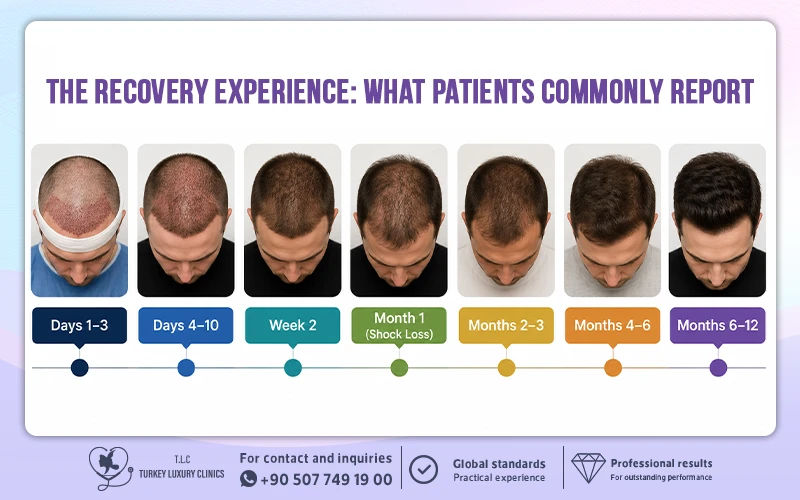
- The Recovery Experience: What Patients Commonly Report
- Was the Hair Transplant Worth It?
- Turkey Hair Transplant Experience: Is It Different
- What Patients Should Know Before Their First Hair Transplant
- My Hair Transplant Experience with Before and After Photos
- FAQs About Hair Transplant Experience
A hair transplant experience typically involves a day-long procedure lasting 6 to 8 hours, during which patients spend much of the time in the same position while the surgical team extracts hair follicles from the donor area and implants them into thinning or balding areas. The procedure is performed under local anesthesia, so most patients feel pressure and movement rather than pain.
Patience is an important part of the hair transplant journey because it is followed by a challenging month of healing, a temporary "ugly duckling" shedding phase, and about 8 to 12 months before you see your full, final results.
During this period, patients must follow specific instructions, avoid strenuous activities, protect the grafts, and manage temporary symptoms such as mild itching, redness, and scabbing.
Early growth typically begins around month three, with noticeable improvements developing between months six and twelve, when most patients start seeing the results they have been waiting for.
Read real patient experiences, see before-and-after photos, and learn what getting a hair transplant really feels like before, during, and after surgery.
The Emotional Impact of Hair Loss Before a Hair Transplant
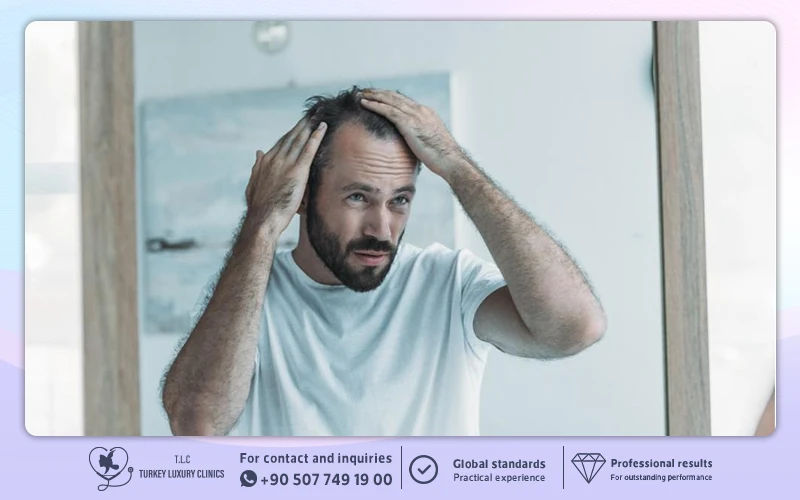
Male pattern baldness and female hair thinning often begin much earlier than many people expect. For some men, the first signs appear in their twenties, when appearance and self-confidence are especially important.
Because hair loss develops gradually over many years, most patients do not decide to get a hair transplant overnight. By the time they undergo the procedure, many have already spent years trying treatments such as minoxidil, finasteride, PRP, supplements, hair growth shampoos, and other products in an attempt to slow or reverse their hair loss.
Many patients first notice a receding hairline, thinning temples, a widening part line, or increased scalp visibility. Over time, they often report feeling older than they actually are, avoiding certain hairstyles, and becoming more self-conscious in photographs and social situations.
While non-surgical treatments may help slow hair loss progression, they cannot permanently restore hair that has already been lost. By the time patients schedule a hair transplant consultation, many have already spent years researching solutions and searching for a long-term answer.
Hair Transplant Beginning Experience: Consultation Turns Uncertainty Into a Plan
A hair transplant consultation is your first critical step to map out realistic expectations, evaluate your scalp’s donor capacity, and confirm if you are a surgical candidate.
During the consultation, the surgeon evaluates:
- Whether the patient is a suitable candidate
- Pattern and stage of hair loss
- Donor hair quality and density
- Risk of future hair loss progression
- Whether FUE or FUT is more suitable
- Estimated graft requirements
For many, this stage brings relief. After years of uncertainty, they finally understand what results are realistically achievable and whether they are a suitable candidate for a hair transplant.
Hair Transplant Experience: What Does Getting a Hair Transplant Feel Like?
A hair transplant is generally not painful. Most discomfort comes from the local anesthesia injections at the start of the procedure. Once the scalp is numb, patients typically feel pressure, movement, or vibration rather than pain. Recovery discomfort is usually mild and often described as scalp tightness, tenderness, or a sunburn-like sensation during the first few days.
Preparation Before Hair Transplant Procedure
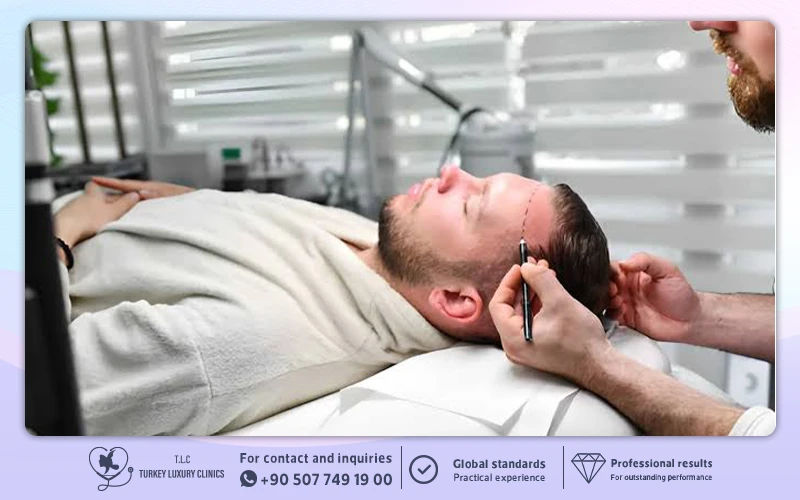
Upon arrival at the clinic and before hair transplant procedure, patients typically complete final paperwork, undergo pre-operative photography, and meet with the surgeon for hairline design and treatment planning. Before the procedure begins, the donor area and, in some cases, the recipient area are shaved and cleaned. The surgeon then performs a final review of the treatment plan, draws the new hairline, marks the extraction and implantation zones, and confirms the estimated graft count.
Many patients consider this one of the most important parts of the day because it is their first opportunity to see the planned hairline design. Once the surgeon finalizes the markings, the medical team prepares the scalp and begins the anesthesia process before graft extraction starts.
What Does Hair Transplant Anesthesia Feel Like?
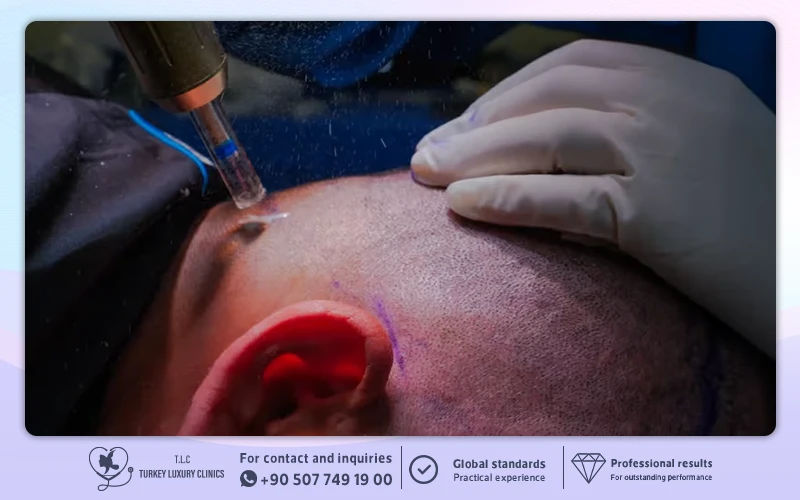
Hair transplants are generally considered low-pain procedures because local anesthesia keeps both the donor and recipient areas numb throughout surgery. Many patients describe the numbing injections as the most uncomfortable part of the entire hair transplant experience. Although the discomfort typically lasts only a few minutes, achieving complete numbness usually requires multiple injections across different areas of the scalp.
Once the anesthesia takes effect, most patients report feeling pressure, movement, or vibration rather than pain during the extraction and implantation phases. To improve comfort, some clinics offer needle-free anesthesia systems, vibration-assisted devices, or mild sedation. However, regardless of the technique used, most patients find the procedure significantly more comfortable than they initially expected.
What Does Harvesting and Grafting Feel Like?
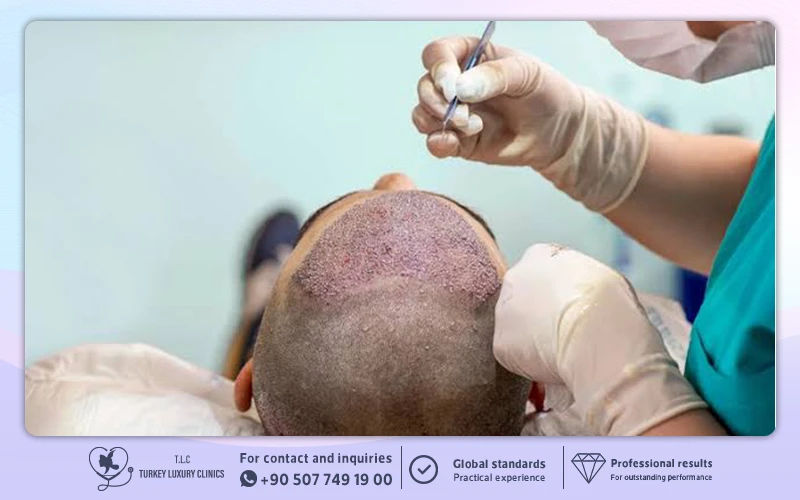
During the harvesting phase, the donor area is shaved and numbed before follicular units are extracted one by one from the back and sides of the scalp. Patients often hear small clicking sounds from the extraction device and may occasionally feel vibration, pressure, or pulling sensations, but little to no pain once the anesthesia has taken effect.
Because FUE involves extracting thousands of individual follicles, this stage can last several hours. Most patients spend this time lying face down or on their side while the surgical team works on the donor area. As the procedure progresses, neck stiffness, shoulder discomfort, and general fatigue from remaining in the same position are reported more frequently than actual pain.
After harvesting is completed, the implantation phase begins. Tiny recipient sites are created in the thinning areas, and the extracted grafts are carefully implanted according to the planned hairline design. Patients generally remain awake throughout the process and often pass the time by listening to music, watching movies, talking with the medical team, or resting.
Many patients later describe the procedure as long rather than painful. By the end of the day, physical tiredness from spending several hours in surgery is often more noticeable than discomfort from the transplant itself.
How Long Does the Procedure Take?
Depending on the number of grafts being transplanted, most hair transplant procedures take between 6 and 10 hours and are performed on an outpatient basis. Patients undergoing mega sessions involving more than 5,000 grafts may require two consecutive treatment days.
Before leaving the clinic, patients receive medications, aftercare products, and detailed recovery instructions. Most return to their hotel or home on the same day without requiring hospitalization.
Most international patients stay in Istanbul for 4 to 5 days. This allows for the procedure, one follow-up wash, and enough rest before the flight home.
Hair Transplant Pain Experience: What Patients Really Feel
- The Anesthesia Injection: The only truly painful part is the initial local anesthesia. Most patients describe it as a series of sharp, stinging pinches that last about 60–90 seconds.
- During Harvesting and Grafting: Most patients feel pressure, movement, or vibration during the procedure but do not experience significant discomfort. During recovery, mild soreness, tightness, and scalp sensitivity are common but usually manageable with prescribed medications.
- Post-Op: Once the anesthesia wears off, it is more "throbbing" or "tightness" than acute pain. We manage this with mild painkillers. It is rarely a 10/10 pain experience; it’s more of an annoying discomfort.
How Painful Are Hair Transplant Injections?
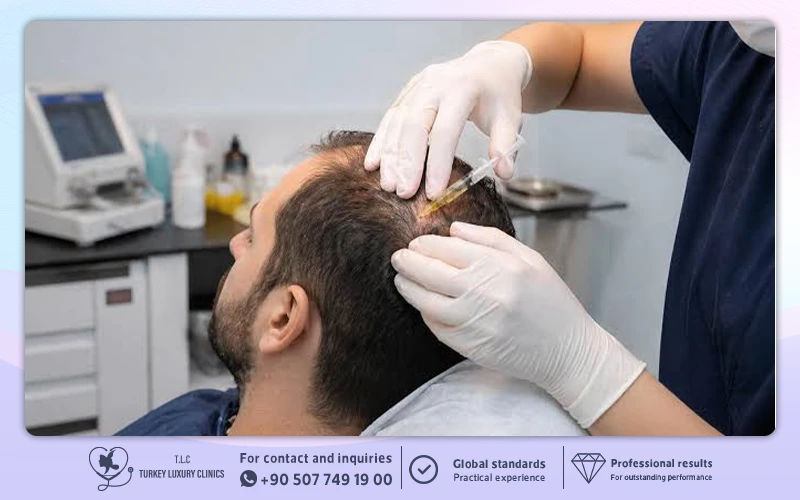
Many patients describe the initial needle prick and the fluid entering the scalp as a brief pinch, sting, or a feeling like "spicy sauce" rating these initial sting a 3 to 5 out of 10 on a pain scale, very similar to a dental numbing shot. The discomfort lasts only a few seconds per injection, after which the entire scalp becomes completely numb.
The Recovery Experience: What Patients Commonly Report
The most challenging part of the hair transplant journey is often the hair transplant recovery period rather than the procedure itself. While surgery lasts only a single day, the recovery process unfolds over several months and requires patience at every stage.
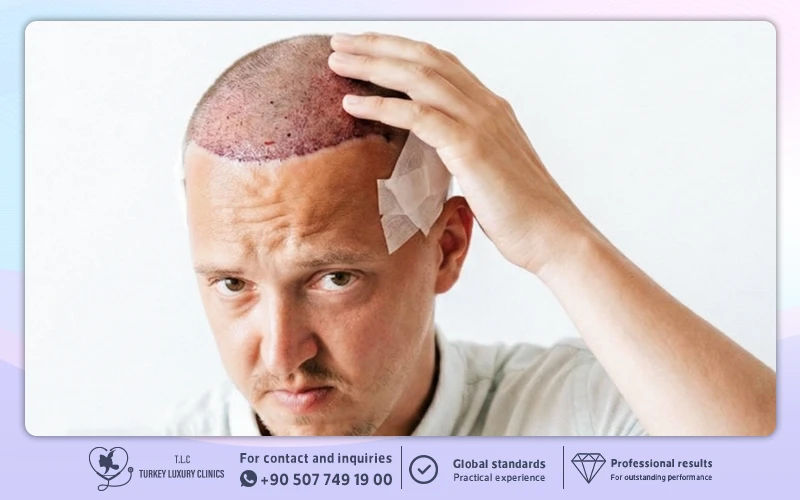
The first two weeks involve strict aftercare, along with temporary swelling, redness, and scabbing. This is followed by the "shock loss" phase, during which the transplanted hairs shed. Many patients find this stage emotionally challenging because the scalp may look similar to how it did before the procedure. Some even refer to it as the "ugly duckling phase." However, this is a normal part of recovery. The hair shafts fall out, but the transplanted follicles remain securely implanted beneath the skin and continue their growth cycle.
One of the biggest challenges is simply waiting for visible results. Early growth may not appear for several months, and meaningful improvements typically begin between months three and six. Final results generally continue maturing for 9 to 12 months after the procedure.
The first few nights after surgery can also be challenging. Patients are usually advised to sleep with their head elevated to minimize swelling and protect the newly transplanted grafts. While not painful, many describe this sleeping position as awkward and uncomfortable.
Another commonly reported challenge is itching. As the scalp heals during the first couple of weeks, itching can become surprisingly intense. Patients are instructed to avoid scratching the grafts, making this one of the most frustrating aspects of early recovery.
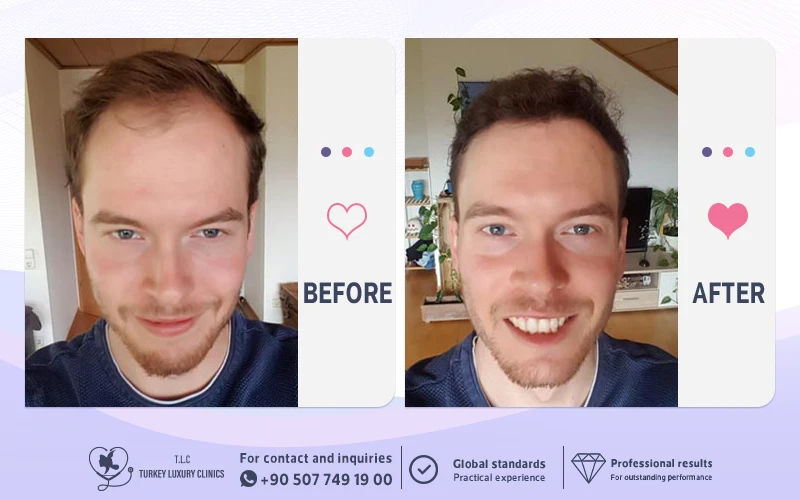
Days 1–3
Most patients describe the first few days as more awkward than painful. Swelling, scalp tightness, and sensitivity are common, while sleeping in an elevated position is often considered the biggest challenge.
Days 4–10
Redness and scabbing gradually improve, but itching often becomes more noticeable as the scalp heals. Many patients feel relieved once they can gently wash their hair and see the recovery progressing normally.
Week 2
Most visible signs of surgery have largely disappeared, allowing many patients to return to normal social activities. At this stage, the transplanted grafts are usually secure, although the scalp may still feel slightly sensitive.
Month 1 (Shock Loss)
This is often the most emotionally challenging phase. The transplanted hairs begin shedding, causing many first-time patients to worry that the procedure has failed, even though shock loss is a normal part of the process.
Months 2–3
Little visible growth is usually seen during this period, making patience difficult for many patients. Early hairs may start emerging, but density remains limited and results can appear uneven.
Months 4–6
Noticeable growth begins, and many patients see the first meaningful improvement in coverage and hairline appearance. Confidence often increases as the transplant starts looking more natural each month.
Months 6–12
Hair continues to thicken, mature, and blend with the existing hair. By the end of the first year, most patients can fully appreciate the results and often describe the procedure as one of the best decisions they have made.
FUE vs FUT: Patient Recovery Experience Comparison
Patients who undergo FUE generally describe the recovery as faster and easier to manage. Because follicles are extracted individually, the donor area heals as hundreds of tiny dots that become difficult to notice once the hair grows back. Most patients can return to light daily activities within a few days.
The FUT experience is often different. Since the procedure involves removing a strip of scalp from the donor area, patients commonly report more scalp tightness, greater post-operative discomfort, and a longer recovery period. The linear scar also requires additional healing time compared to FUE.
Was the Hair Transplant Worth It?
Despite the challenges of the hair transplant journey—including the discomfort of anesthesia injections, a long procedure day, the uncertainty of shock loss, and months of waiting for results—most patients ultimately feel the experience was worth it.
Many report that the biggest reward is not simply having more hair, but regaining confidence in their appearance. Patients often describe feeling more comfortable in photographs, social situations, and professional settings. Others appreciate being able to style their hair freely again without constantly worrying about thinning areas or bald spots.
While the procedure requires patience, most patients agree that the final results make the temporary challenges of recovery worthwhile.
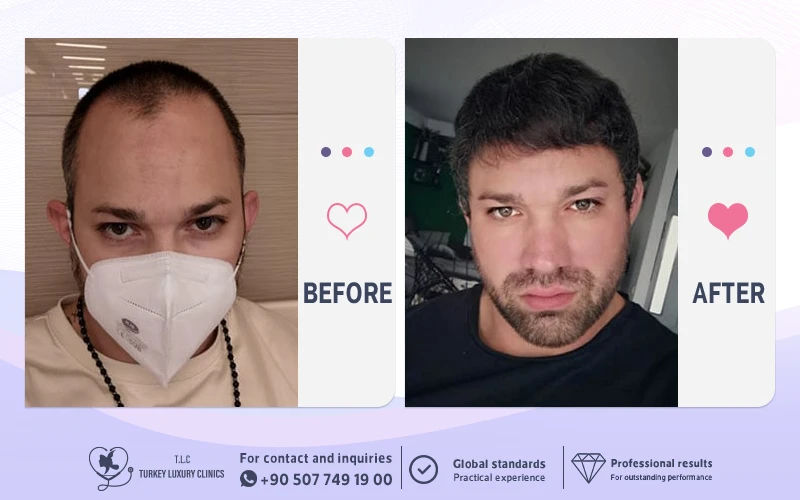
What Happens 10 Years After a Hair Transplant?
By Ten years after a hair transplant, transplanted follicles generally remain permanent and continue to grow. However, because the natural aging process continues, surrounding un-treated native hair may thin. This may result in an uneven appearance, requiring secondary procedures or medication to maintain overall density
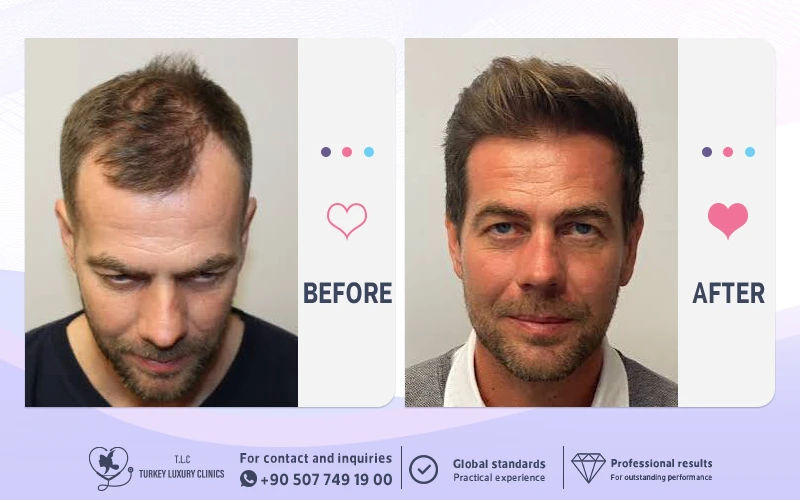
Turkey Hair Transplant Experience: Is It Different
For international patients, the hair transplant experience in Turkey involves more than the procedure itself. The journey typically begins with online consultations, where patients share photographs of their hair loss and receive a preliminary treatment plan, graft estimate, and package details before traveling.
Most patients arrive in Istanbul one or two days before the procedure. Many clinics provide airport transfers, hotel accommodations, and dedicated patient coordinators, making the process relatively straightforward even for first-time visitors. Upon arrival, patients often notice that hair transplantation is a highly established industry in Turkey, with specialized clinics performing multiple procedures every day.
On the day of surgery, the experience is largely similar to what patients would encounter elsewhere. The consultation is finalized, the hairline is designed, and the procedure is performed under local anesthesia. However, many international patients report feeling reassured by the large number of foreign patients undergoing treatment at the same clinic.
The recovery experience is also similar to that of patients in other countries. Most remain in Istanbul for four to five days, allowing time for the procedure, the first professional hair wash, and a follow-up evaluation before flying home. During this period, patients often spend most of their time resting at the hotel and following aftercare instructions.
One aspect that patients frequently mention is the convenience of all-inclusive packages. Rather than arranging separate appointments, transportation, accommodation, and follow-up care, many find it easier to have these services coordinated through a single provider.
For most international patients, the biggest difference is not the procedure itself but the overall treatment journey. The combination of experienced surgeons, established medical tourism infrastructure, and comprehensive patient support is what many describe as the defining feature of the Turkey hair transplant experience.
What Patients Should Know Before Their First Hair Transplant
- Be patient. The procedure can take 6–10 hours, and final results may take up to 12 months.
- Take time off work if possible. While many patients return to desk jobs within a few days, swelling, redness, and scabbing can make some people prefer a week away from public-facing work.
- Prepare for shock loss. Shedding of transplanted hairs during the first month is normal and does not mean the transplant has failed.
- Do not judge your results too early. Many patients see little improvement during the first 2–3 months before noticeable growth begins.
- Recovery is often harder than surgery. Sleeping upright, avoiding graft contact, and managing itching can be more challenging than the procedure itself.
- Every patient grows differently. Comparing your progress to online photos or other patients can create unrealistic expectations.
- A hair transplant does not stop future hair loss. Some patients still require medications such as finasteride or minoxidil to maintain long-term results.
- Follow aftercare instructions carefully. Most complications occur when patients scratch grafts, return to exercise too early, or ignore post-operative guidelines.
- Consider using a hair transplant cap if approved by your clinic. It can help protect the scalp and make social situations more comfortable during recovery
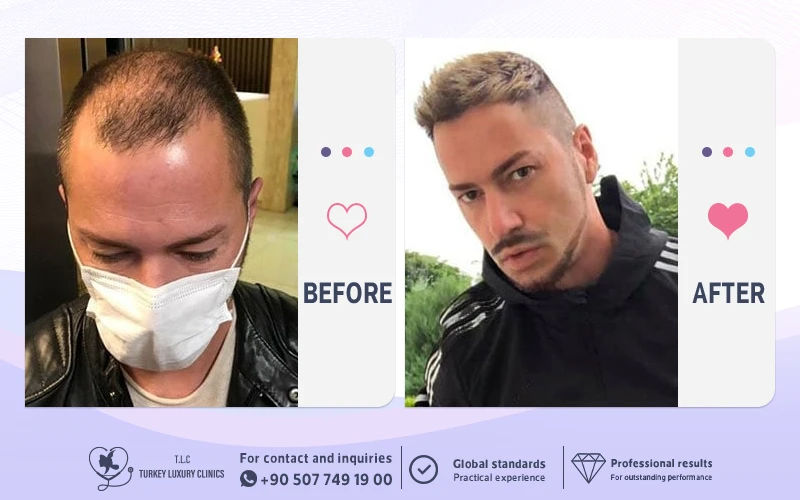
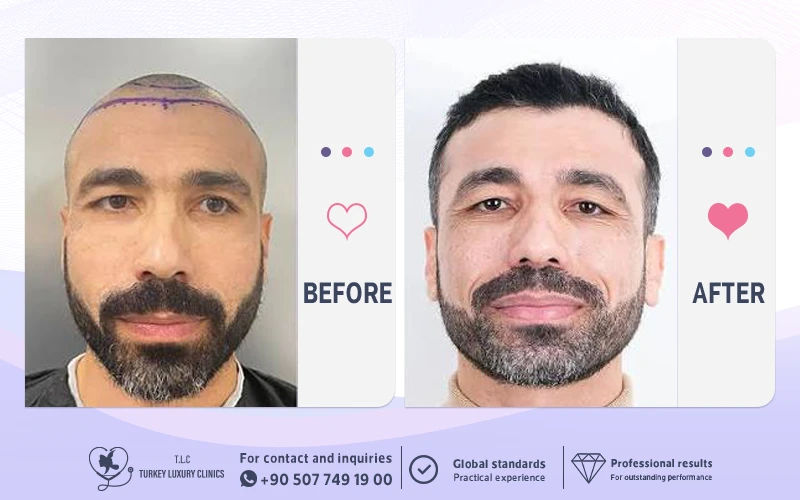
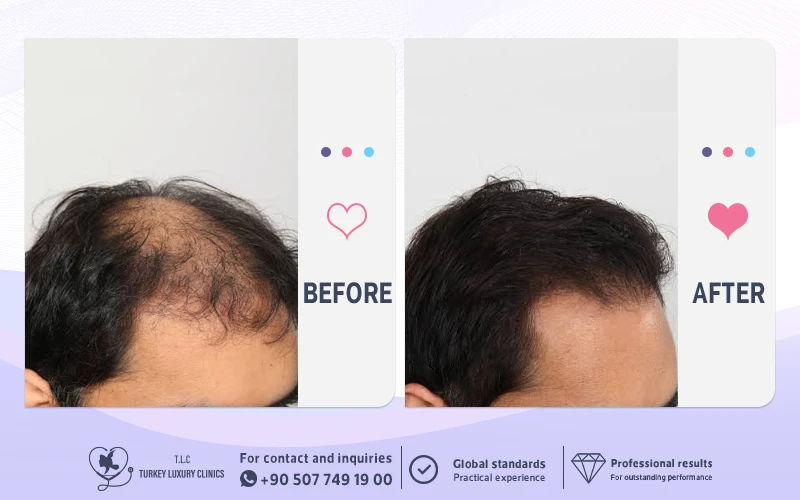
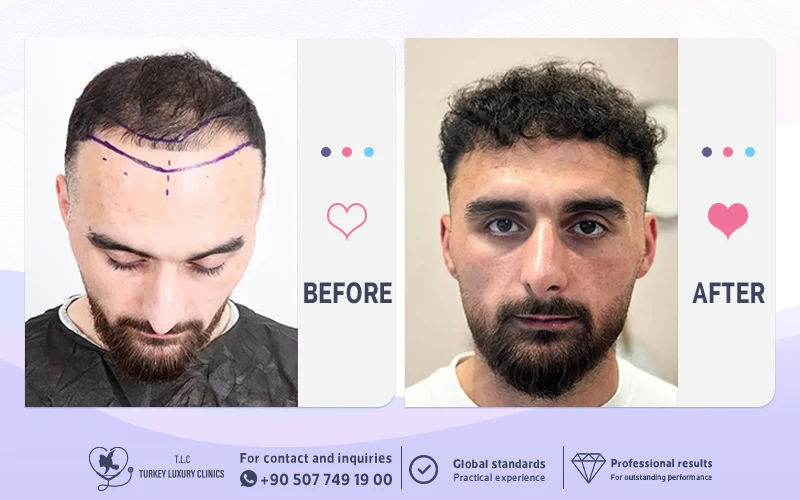
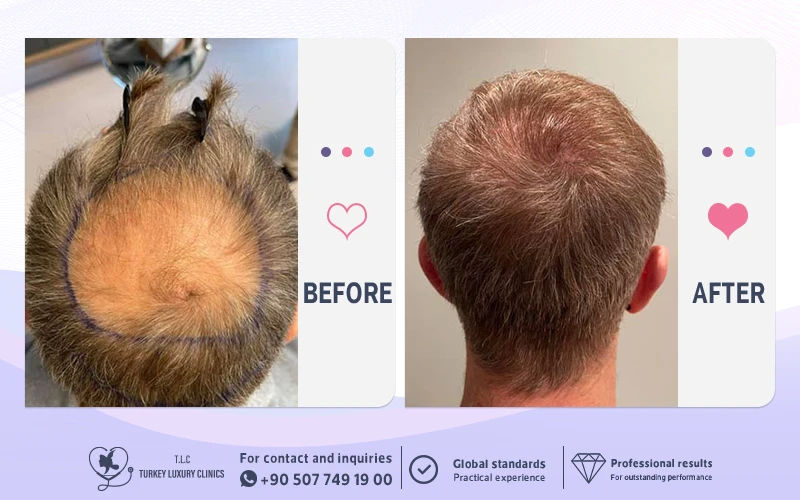
My Hair Transplant Experience with Before and After Photos
FAQs About Hair Transplant Experience