

- Day-by-Day Septoplasty Recovery Timeline
- Septoplasty Recovery Week by Week
- When Can You Breathe Normally Again After Septoplasty?
- How Long Does Swelling Last After Septoplasty?
- Is Septoplasty Recovery Painful?
- How Should You Sleep After Septoplasty?
- Normal Healing Signs vs. Signs of Complications
- What Are the Do's and Don'ts After Septoplasty?
- Septoplasty Recovery Abroad: Tips If You Had Surgery in Turkey
- FAQs About Septoplasty Recovery
Septoplasty recovery typically takes 1 to 2 weeks for initial functional healing, while complete internal tissue and cartilage remodeling may continue for 3 to 6 months. Septoplasty is performed as an outpatient procedure, meaning patients usually return home on the same day, although someone will need to drive them because of the effects of anesthesia.
Recovery from septoplasty is generally manageable. The biggest challenge during recovery is usually nasal congestion and pressure that peak during the first few days rather than severe pain. Healing happens gradually in stages, meaning breathing improvement is not immediate after surgery. As internal swelling decreases and the nose continues healing, airflow typically becomes clearer and more comfortable over the following weeks.
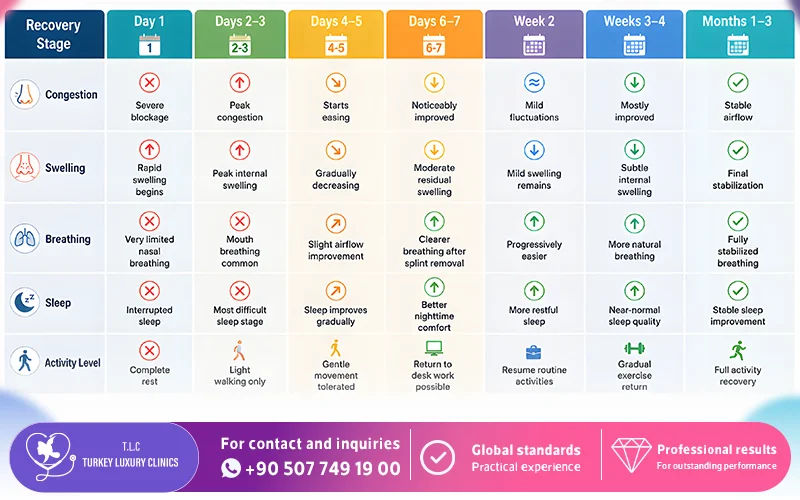
Day-by-Day Septoplasty Recovery Timeline
Initial healing after septoplasty usually takes about 1 to 2 weeks, during which swelling, congestion, and internal tenderness gradually decrease and breathing starts to improve step by step. Full internal healing and tissue stabilization may continue for up to 3 months.
You can usually return to work, study, and normal social activities within 5 to 7 days for desk-based routines. However, strenuous activities such as heavy exercise, weight lifting, and intense physical effort should be avoided for 4 to 6 weeks to prevent complications.
Day 0: When You Wake Up
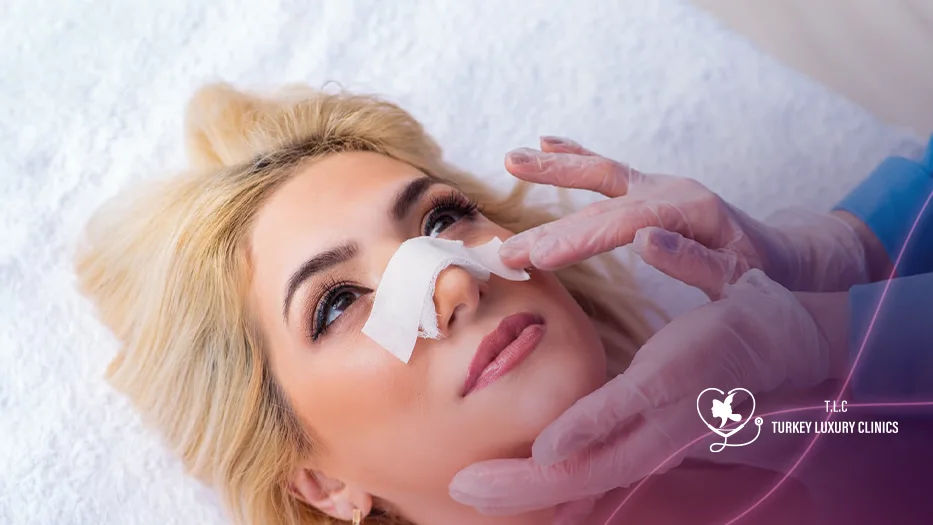
When you wake up after the surgery, you will find a small gauze pad taped under your nose to catch light dripping, and you will feel very drowsy, foggy, and tired from the anesthesia. Your nose will feel completely blocked and stuffy, forcing you to breathe entirely through your mouth, which quickly makes your mouth and throat feel very dry and thirsty.
Day 1: The Immediate Post-Op
The first 24 hours after septoplasty are mainly affected by anesthesia recovery rather than surgical pain itself. Most patients feel drowsy, fatigued, mentally foggy, and congested during the remainder of the day. Because nasal tissues swell quickly after surgery, breathing through the nose is usually very limited during the first night.
Light bleeding or blood-tinged drainage is normal during this stage, which is why surgeons often place a small drip pad beneath the nostrils temporarily. The nose may feel completely blocked even without nasal packing because internal swelling develops rapidly after surgery. Mouth breathing is extremely common during the first night and often causes a dry mouth, dry throat upon waking, mild thirst, and interrupted sleep. Most surgeons recommend strict rest, hydration, sleeping with the head elevated, and avoiding unnecessary movement during this period.
Days 2–3: Peak Swelling Phase
For most patients, Days 2 and 3 are the hardest stage of septoplasty recovery. This is when internal swelling and inflammation usually peak, causing maximum congestion and pressure. The discomfort during this stage is rarely described as sharp pain. Instead, patients commonly report:
- Intense nasal blockage
- Facial pressure around the nose, cheeks, upper lip, or between the eyes
- Head heaviness and ear pressure or fullness
- Difficulty sleeping because of mouth breathing
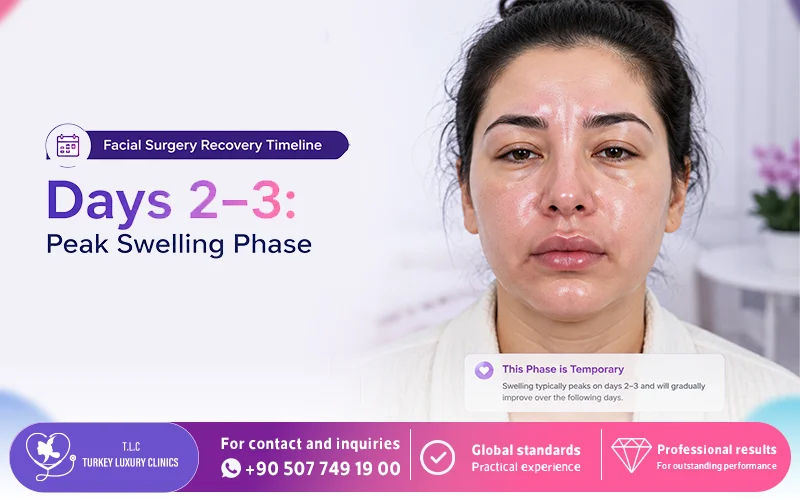
Many patients compare the sensation to a severe sinus infection or heavy cold. Sleeping comfortably can become difficult because the nose feels completely obstructed, especially while lying flat. A humidifier and proper hydration often help reduce nighttime discomfort. Although this stage feels frustrating, it is considered a normal inflammatory response after internal nasal surgery. Gradual improvement typically begins shortly afterward.
Days 4–5: The Turning Point
By Days 4 and 5, inflammation inside the nose usually begins stabilizing, and many patients notice that pressure becomes less intense. While the nose may still feel blocked, the discomfort is generally more manageable compared to earlier days.
At this stage, sleep quality usually improves, facial pressure decreases, energy levels slowly return, and bleeding becomes minimal or stops completely. Crusting and dried mucus inside the nostrils often become more noticeable during this stage as healing tissues regenerate. Saline sprays are commonly recommended to keep the nasal passages moist and reduce irritation. Many patients describe Day 4 as the turning point of recovery because symptoms begin improving more noticeably afterward.
Days 6–7: Splint or Packing Removal
Toward the end of the first week, many surgeons schedule follow-up visits to remove internal splints or nasal packing if used during surgery. This is often a major turning point because patients commonly experience noticeable airflow improvement immediately afterward.
Modern septoplasty techniques often use soft silicone splints instead of traditional tight nasal packing, making recovery more comfortable for patients. Most patients describe packing or splint removal as uncomfortable rather than painful. The process usually lasts only a few seconds and creates immediate breathing relief afterward. During removal, patients commonly feel internal pressure, temporary discomfort, and a brief watering of the eyes.
Septoplasty Recovery Week by Week
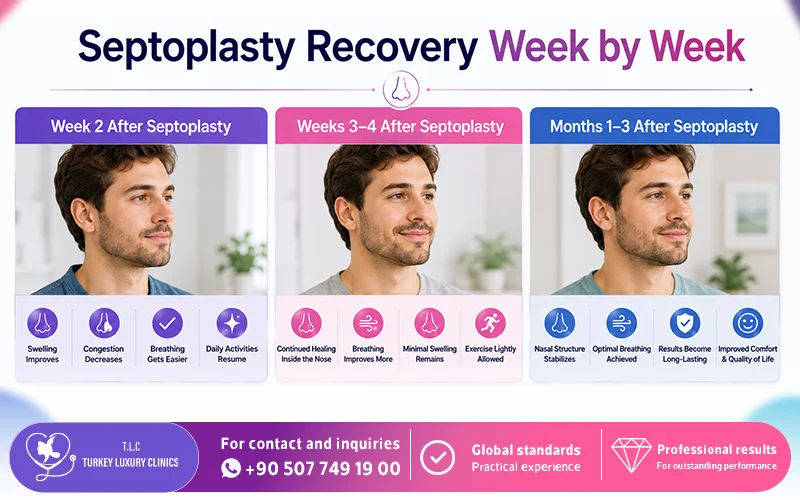
Week 2 After Septoplasty
During the second week, healing becomes more stable and predictable. Internal swelling continues decreasing gradually, allowing breathing to feel progressively clearer. However, healing inside the nose is still actively occurring, meaning temporary congestion fluctuations are common. Patients may still experience mild crusting, intermittent congestion, temporary blockage on one side, increased mucus production, and mild sensitivity inside the nose. These symptoms are part of normal healing rather than signs of complications. By the end of Week 2, many patients resume most routine activities comfortably while continuing to avoid heavy physical exertion.
Weeks 3–4 After Septoplasty
Between Weeks 3 and 4, most visible recovery has significantly improved. Nasal airflow generally feels much more open and stable compared to the first weeks after surgery. During this stage, internal swelling continues decreasing, breathing becomes more natural, sleep quality improves significantly, and physical energy returns closer to normal. Most surgeons allow patients to slowly resume gym workouts, jogging, and more physically demanding activities during this phase, provided healing remains uncomplicated.
Months 1–3 After Septoplasty
Deep healing after septoplasty continues long after the early recovery phase ends. During Months 1 to 3, internal scar tissue softens, cartilage stabilizes, and nasal airflow becomes more consistent. Patients often notice more stable breathing throughout the day, less sensitivity inside the nose, reduced swelling fluctuations, and improved sleep and exercise tolerance. Minor congestion may still occasionally appear in dry weather, during allergies, or after intense exercise, but this usually improves gradually as tissues fully mature internally. For some patients, complete internal remodeling and final stabilization may continue for up to 6 months or longer.
When Can You Breathe Normally Again After Septoplasty?
Initial nasal breathing improvement after septoplasty surgery begins 1 to 2 weeks immediately following the professional removal of internal silicone splints. Breathing improvement is a gradual process rather than an immediate one, as severe internal swelling temporarily blocks airflow during the early stages of healing.
While airflow becomes noticeably clearer once the splints are out, steady and fully stabilized nose breathing develops over 4 to 6 weeks as deeper internal tissue swelling continues to recede.
The Clinical Breathing Progression:
- The First Week: Very limited or absent nasal breathing due to structural obstruction from splints, packing, and early surgical trauma.
- Post-Splint Removal: Immediate and significant restoration of baseline airflow, marking the first major recovery milestone.
- Weeks 2 to 6: Steady, week-over-week airflow improvement as mucosal linings heal and expand.
- Beyond 3 Months: Final stabilization where structural nasal breathing reaches its optimal and permanent capacity.
Note on Nasal Shifting: It is highly common for one side of the nose to temporarily feel more blocked than the other during recovery. This fluctuation is entirely normal and is caused by uneven swelling patterns or the natural nasal cycle reacting to healing tissues.
How Long Does Swelling Last After Septoplasty?
Internal nasal swelling after septoplasty peaks within the first 48 to 72 hours, decreases significantly by the end of the second week, and fully resolves within 3 to 6 months.
Because the procedure is performed entirely through internal incisions, visible external facial swelling is exceptionally mild and typically disappears within 7 to 10 days. However, the residual swelling hidden inside the nasal passages is a major component of recovery and directly impacts your breathing architecture for several weeks.
Typical Swelling Timeline:
- Days 2–3 (The Peak): Maximum internal tissue inflammation, causing intense pressure and congestion.
- Week 2 (The Drop): Noticeable structural improvement as the acute inflammatory response subsides.
- Months 1–3 (The Healing Phase): Continued internal healing with zero visible external signs.
- Up to 6 Months (The Final Stage): Complete tissue stabilization and cartilage remodeling.
Daily Swelling Fluctuations: Internal swelling does not remain constant; it fluctuates throughout the day. It is normal for congestion to temporarily worsen when lying flat on your back, spending time in dry environments, or after experiencing minor physical exertion.
Is Septoplasty Recovery Painful?
Septoplasty recovery is generally considered uncomfortable rather than severely painful. Most patients report that congestion, pressure, and blockage are far more bothersome than actual pain.
The sensation is commonly described as:
- Severe nasal congestion and difficulty breathing through the nose
- Deep sinus pressure
- Facial fullness and pressure around the cheeks and eyes
Because septoplasty is performed internally without large external wounds, sharp pain is usually limited. Most patients manage recovery comfortably using prescribed medications, saline sprays, hydration, and rest.
How Should You Sleep After Septoplasty?
Sleeping properly after septoplasty helps reduce swelling, pressure, and bleeding during early recovery. Many patients experience poor sleep during the first few nights because congestion makes nasal breathing difficult, but sleep usually improves significantly after swelling decreases and splints are removed.
Essential Sleep Setup Guidelines:
- Stay Upright: Elevate your head and upper back 30 to 45 degrees above your chest. Using a recliner or stacking 2-3 firm pillows helps blood flow away from the nasal cavity, reducing swelling and minimizing pain.
- Back Sleep Only: Commit to sleeping flat on your back. Side sleeping can cause you to accidentally roll over, apply direct pressure to the healing nose, and increase the risk of accidental trauma. Maintain this elevation and back-sleeping rule for at least the first week.
- Manage Mouth Breathing: Your nose will likely be blocked with packing, splints, or swelling. Be prepared to breathe through your mouth. Keep water, lip balm, and hydrating mouth sprays nearby to combat dryness overnight.
- Use a Humidifier: Place a cool-mist humidifier in your room while you sleep. This adds moisture to the air and helps soothe irritatbeforeed nasal passages and a dry throat.
- Avoid Environmental Irritants: Ensure your sleeping space is free of smoke, dust, and allergens. Washing your bed linens prior to surgery is highly recommended.
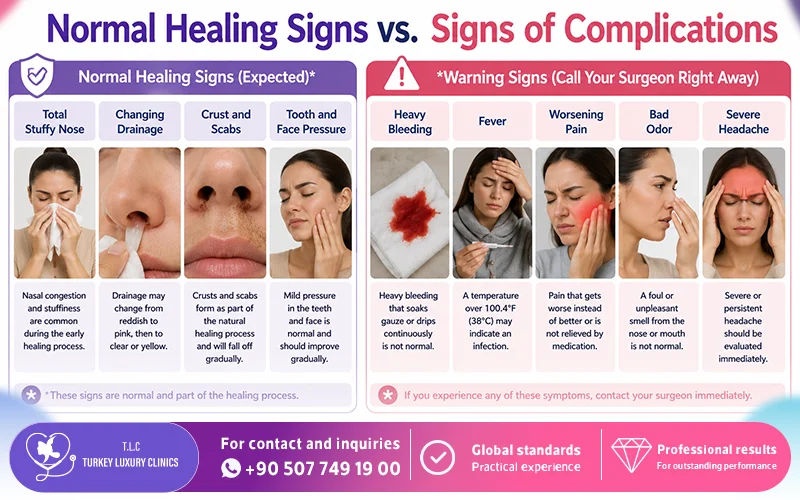
Normal Healing Signs vs. Signs of Complications
Understanding what is normal and what requires medical attention is essential for a safe recovery. Here is how to distinguish between normal healing and potential warning signs:
Normal Healing Signs (Expected)
- Total Stuffy Nose: Feeling completely blocked for the first week because of swelling and internal splints.
- Changing Drainage: Pinkish fluid on Day 1 that changes to a dark, brownish color by Days 2–3.
- Crust and Scabs: Dried blood and mucus forming inside your nostrils as the nose heals.
- Tooth and Face Pressure: A dull ache in your cheeks, forehead, or front upper teeth.
Warning Signs (Call Your Surgeon Right Away)
- Heavy Bleeding: Fast, bright red blood that completely soaks your gauze pad every few minutes and doesn't slow down with ice or rest.
- Fever: A body temperature rising over 38°C (100.4°F), which can mean an infection.
- Worsening Pain: Severe, sharp pain that gets worse over time and is not relieved by your pain medicine.
- Bad Odor: Yellow or green fluid coming from your nose that smells bad, which is a common sign of a sinus infection.
- Severe Headache: An intense headache accompanied by neck stiffness or blurred vision.
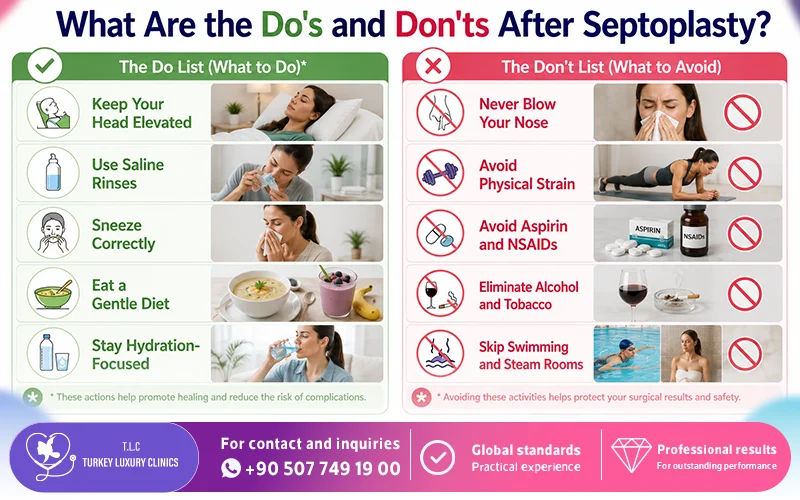
What Are the Do's and Don'ts After Septoplasty?
Following a strict post-operative care routine is essential to protect your newly aligned nasal cartilage and accelerate tissue healing. Use this comprehensive checklist during your recovery timeline:
The Do List (What to Do)
- Keep Your Head Elevated: Sleep with your head propped up on 2–3 pillows or in a recliner chair for the first 3 to 5 nights to utilize gravity in reducing swelling and facial throbbing.
- Use Saline Rinses: Apply your prescribed saline sprays or rinses liberally starting the day after surgery to keep nasal passages moist, loosen crusting, and clear mucus safely.
- Sneeze Correctly: If you feel the urge to sneeze, always do so with your mouth wide open to prevent sudden, intense air pressure from damaging your internal nasal passages.
- Eat a Gentle Diet: Opt for soft, lukewarm foods (such as yogurt, mashed potatoes, or lukewarm soup) for the first few days, as vigorous chewing and hot foods can promote bleeding.
- Stay Hydration-Focused: Drink at least 2 to 3 liters of water daily to support tissue regeneration and prevent a sore throat caused by mandatory mouth breathing.
The Don’t List (What to Avoid)
- Never Blow Your Nose: Refrain from blowing your nose entirely for at least 1 to 2 weeks. For any dripping or drainage, simply dab the nostrils gently with a soft tissue.
- Avoid Physical Strain: Skip heavy lifting, bending forward, and strenuous workouts for at least 1 to 2 weeks, as these actions instantly raise blood pressure and can trigger severe bleeding.
- Avoid Aspirin and NSAIDs: Do not take pain relievers containing ibuprofen, aspirin, or other anti-inflammatory drugs because they function as blood thinners and increase bleeding risks. Stick strictly to plain Acetaminophen as prescribed.
- Eliminate Alcohol and Tobacco: Avoid smoking, vaping, and drinking alcohol for at least 2 to 3 weeks, as these substances impair immune function, constrict blood vessels, and significantly delay healing.
- Skip Swimming and Steam Rooms: Avoid swimming pools, hot tubs, or steam rooms for a minimum of 4 to 6 weeks to protect your healing internal incisions from severe bacterial infections.
Septoplasty Recovery Abroad: Tips If You Had Surgery in Turkey
Undergoing a septoplasty abroad requires careful planning to balance travel logistics with medical recovery. If you are flying to Turkey for your procedure, prioritize the following clinical guidelines to ensure a safe and comfortable journey home:
- Plan Your Fly-Home Date: Air travel is generally safe after Week 2, once early internal swelling stabilizes and the risk of pressure-induced bleeding decreases. Avoid booking flights during the first 7 days.
- The Travel Hydration Routine: Airplane cabins have notoriously dry air, which can exacerbate mouth-breathing discomfort. Drink plenty of water and use your prescribed saline spray right before boarding to keep your nasal passages moist.
- In-Flight Pressure Management: Avoid blowing your nose during take-off and landing. If you feel sinus pressure changes, yawn or swallow to help equalize the ears naturally.
- Keep Medical Documentation Close: Always carry your official surgical report, discharge summary, and fit-to-fly certificate in your hand luggage for easy access at airport security and customs.
Schedule Your Septoplasty Surgery with Turkey Luxury Clinics
For those seeking expert surgical care combined with comprehensive post-operative support, Turkey Luxury Clinics provides specialized septoplasty packages. Every procedure is performed by board-certified ear, nose, and throat (ENT) specialists in fully accredited surgical facilities. Packages include dedicated medical translation, coordinated transfers, and structured follow-up care to monitor your early milestones before you fly home.
Contact Turkey Luxury Clinics today to review your treatment plan and receive a direct, fact-based cost estimate.
FAQs About Septoplasty Recovery