

- What Are Skin Booster Injections?
- What Are the Benefits of Skin Boosters?
- What Areas Can Be Treated With Skin Boosters?
- How Do Skin Boosters Work?
- What Skin Boosters Can and Cannot Fix
- Skin Boosters vs. Dermal Fillers
- Types of Skin Boosters
- Best Skin Boosters and How to Choose
- What Happens During a Skin Booster Treatment Session?
- How Many Skin Booster Sessions Do You Need? Treatment & Maintenance Schedule
- When Do Skin Booster Results Appear?
- How Long Do Skin Boosters Last?
- Skin Booster Before and After: What Results Can You Expect?
- Side Effects After Skin Booster Injections
- Are Skin Boosters Safe?
- Skin Booster Aftercare
- How Much Do Skin Boosters Cost in 2026?
- Skin Booster Injections in Turkey 2026
- FAQs About Skin Boosters
Skin boosters are injectable treatments designed to improve overall skin quality by targeting concerns such as dehydration, dullness, uneven texture, loss of elasticity, and fine lines. Unlike traditional dermal fillers, they focus on improving the condition of the skin rather than significantly changing facial shape or adding volume.
They use micro-injections of hydrating or regenerative compounds, including hyaluronic acid (HA), polynucleotides, and collagen-stimulating formulations. Depending on the product, skin boosters can deeply hydrate the skin, support skin repair, improve elasticity, or stimulate collagen production for smoother, plumper, and more radiant-looking skin.
What Are Skin Booster Injections?
Skin boosters are minimally invasive injectable treatments designed to improve skin hydration, texture, elasticity, and overall skin quality rather than add facial volume or reshape facial contours. They are delivered through small micro-injections into the dermis, the supportive layer of skin beneath the surface.
Most skin boosters are based on hyaluronic acid (HA), a naturally occurring substance in the skin that attracts and retains water. Some formulations also combine HA with amino acids, vitamins, antioxidants, minerals, or other bioactive ingredients.
What Are the Benefits of Skin Boosters?
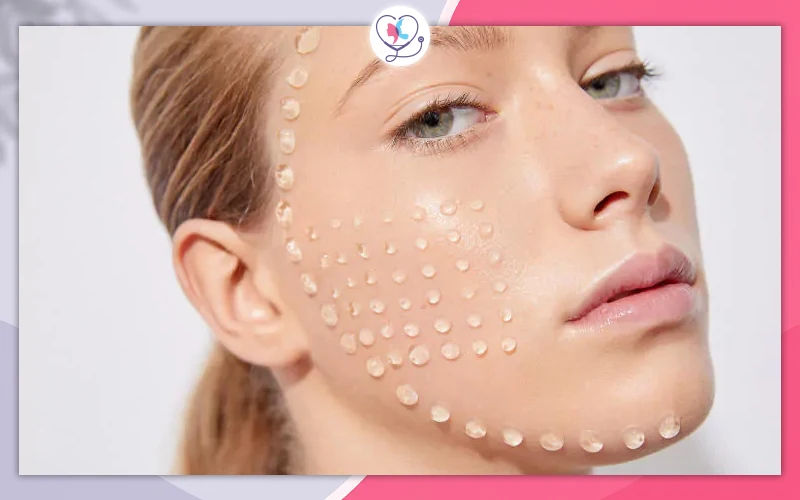
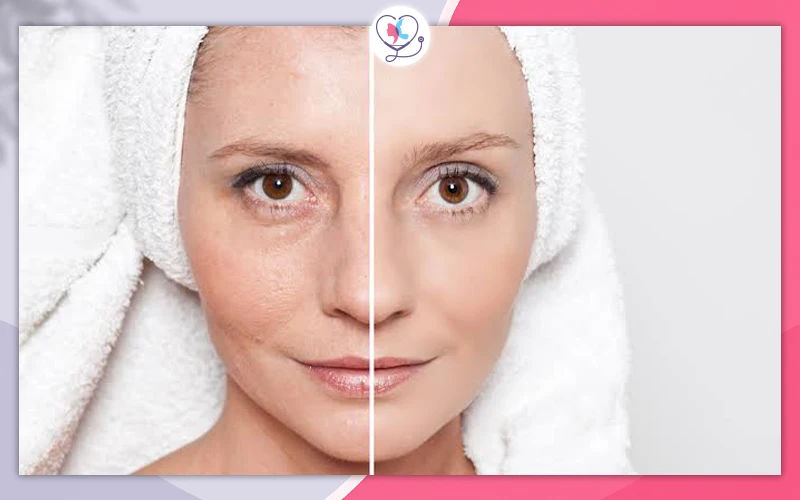
The main benefits of skin boosters include deeper hydration, smoother texture, improved elasticity, softer fine lines, and a more radiant complexion. Depending on the formulation, potential benefits include:
- Deep hydration: Helps replenish moisture within the skin for a plumper, dewier appearance.
- Improved firmness and elasticity: Some skin boosters support collagen and elastin production, helping improve firmness and skin bounce.
- Smoother skin texture: Can improve roughness and the appearance of crepey skin for smoother-looking skin.
- Fine-line softening: Improved hydration and skin quality can soften the appearance of superficial fine lines.
- Improved acne-scar appearance: Certain skin boosters may help improve skin texture and the appearance of mild acne scars, depending on the product used.
- More radiant skin: Better hydration can make dull or tired-looking skin appear fresher and more luminous.
What Areas Can Be Treated With Skin Boosters?
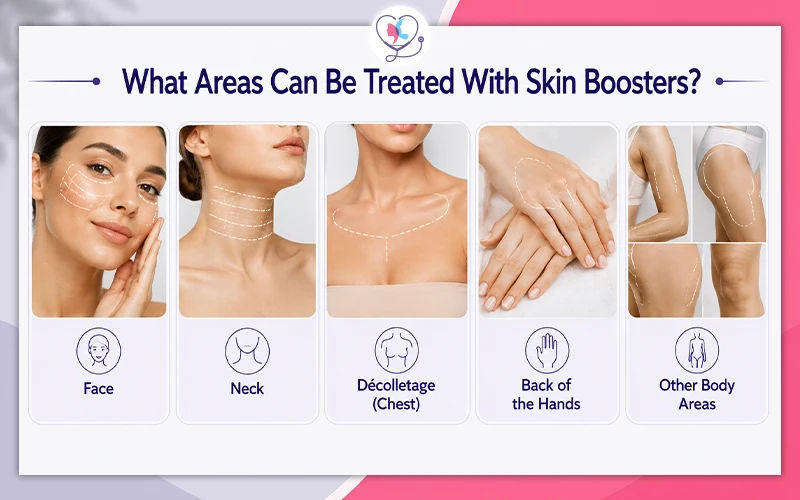
Skin boosters can be used on the face, neck, décolletage (chest), and hands, as well as selected body areas such as the arms, inner thighs, and knees. Treatment is generally used to improve hydration, texture, fine lines, and overall skin quality.
- Face: The most common treatment area, including the cheeks, smile lines, and under-eye area, to improve hydration, texture, and radiance.
- Neck: Used for crepey skin, fine horizontal neck lines, and loss of skin elasticity.
- Décolletage (Chest): Helps improve hydration, fine lines, and sun-damaged skin on the upper chest.
- Back of the Hands: Targets thin, dry, or aging skin to improve hydration and skin quality.
- Other Body Areas: Skin boosters may also be used on the arms, inner thighs, and knees to address dryness, crepey texture, or skin laxity.
How Do Skin Boosters Work?
Skin boosters work by delivering hydrating or bioactive ingredients directly into the dermal layer of the skin. With HA-based boosters, hyaluronic acid binds and retains water within the dermal tissue, improving hydration and helping the skin appear smoother, softer, and more radiant.
Beyond hydration, HA interacts with the skin's extracellular matrix (ECM) and may influence fibroblasts, the cells involved in producing structural proteins such as collagen. Research suggests that these effects can support collagen production and contribute to gradual improvements in skin firmness, elasticity, and texture.
What Skin Boosters Can and Cannot Fix
Skin boosters cannot correct every sign of facial aging. They are primarily skin-quality treatments, so concerns caused by significant volume loss, muscle movement, deep wrinkles, or substantial skin laxity may require other treatments.
Skin Boosters Can Help With | Skin Boosters Cannot Replace |
Dehydrated, dull skin | Dermal fillers for significant volume loss |
Fine superficial lines | Botox for dynamic expression lines |
Rough or crepey texture | A facelift for significant skin laxity |
Mild loss of elasticity | Treatments for deep wrinkles or major sagging |
Overall skin quality | Facial contouring or structural augmentation |
Skin Boosters vs. Dermal Fillers
Skin boosters and dermal fillers can both contain hyaluronic acid (HA), but they serve different purposes. Skin boosters primarily improve hydration and overall skin quality, while dermal fillers add or restore volume and reshape facial contours.
Feature | Skin Boosters | Dermal Fillers |
Main Purpose | Improve skin hydration and quality | Restore volume and reshape contours |
HA Formula | Usually fluid HA that spreads through the skin | Usually thicker HA gel that holds its shape |
How They Work | Hydrate the dermis and improve skin quality | Provide structural support and volume |
Main Results | Smoother, hydrated, more radiant skin | Fuller or more defined facial features |
Facial Volume | Not primarily designed to add volume | Specifically designed to add or restore volume |
Common Areas | Face, neck, décolletage, and hands | Lips, cheeks, chin, and jawline |
Best For | Dryness, dullness, fine lines, and uneven texture | Volume loss, facial contouring, and augmentation |
Types of Skin Boosters
Skin boosters vary by formulation and treatment goal. Hyaluronic acid (HA) boosters are the most established type, while other skin-quality injectables include polynucleotides and nutrient-based formulations. Collagen biostimulators are related injectable rejuvenation treatments but are generally considered a separate category.
Hyaluronic Acid (HA) Skin Boosters
HA skin boosters primarily improve hydration, elasticity, texture, and radiance. Different products use different HA formulations and technologies.
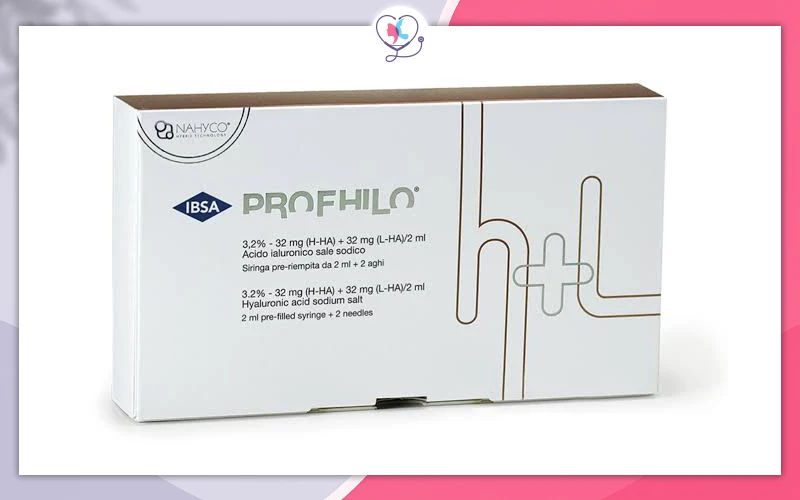
- Profhilo: Combines high- and low-molecular-weight HA and is designed to spread through the tissue, improving hydration and skin firmness.
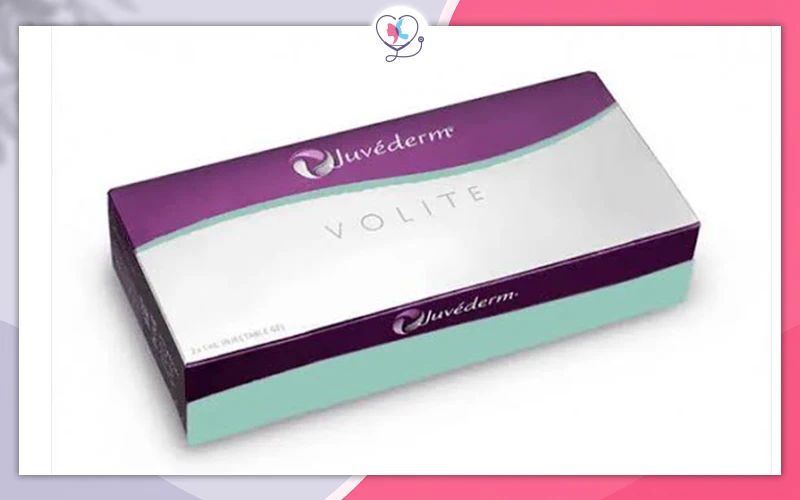
- Juvéderm Volite: Uses cross-linked HA to improve hydration, smoothness, and fine lines.
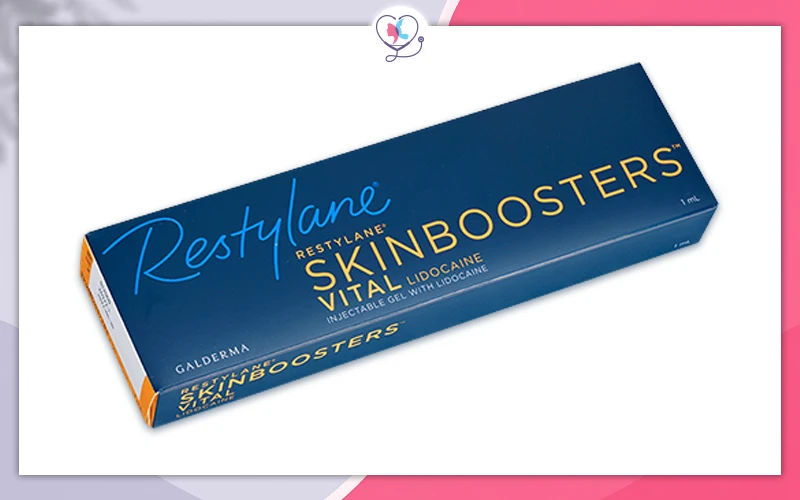
- Restylane Skinboosters: Uses stabilized HA delivered through micro-injections to improve hydration, elasticity, and skin texture.
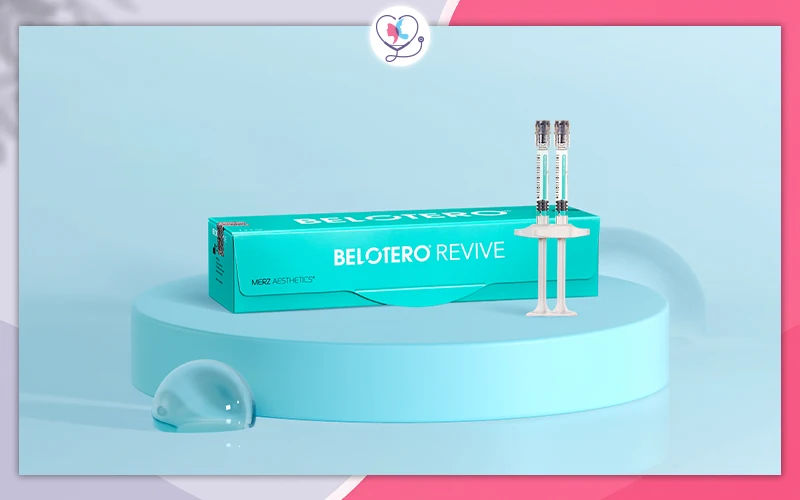
- Belotero Revive: Combines HA with glycerol to improve hydration, elasticity, and overall skin quality.
Polynucleotide Skin Injectables
Polynucleotides (PN) and PDRN-based treatments are better classified as regenerative skin injectables rather than traditional HA skin boosters. They focus more on skin regeneration and tissue repair than simply providing hydration.
Products such as Rejuran, Plinest, and Nucleofill are used to support skin quality, elasticity, and regeneration. Their composition and mechanism differ from traditional HA skin boosters.
HA, Vitamin and Nutrient Formulations
Some injectable skin treatments combine non-cross-linked HA with vitamins, amino acids, antioxidants, minerals, or other nutrients.
Filorga NCTF 135HA, for example, combines HA with multiple active ingredients and is commonly used as a mesotherapy-style treatment for hydration and skin revitalization.
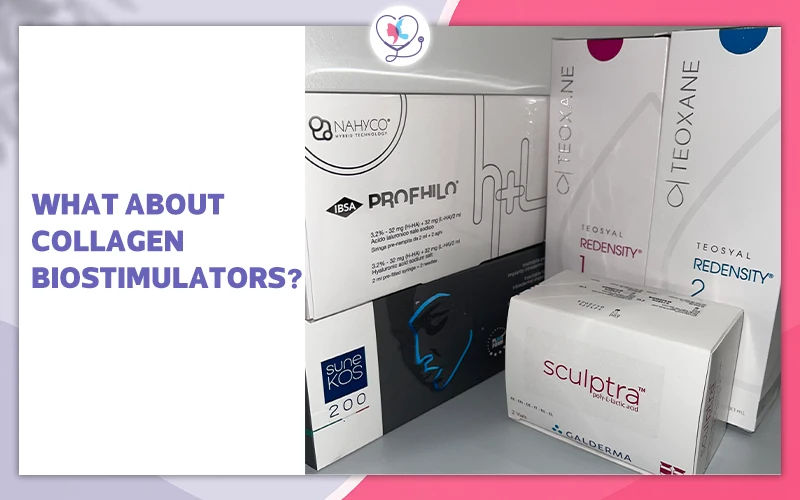
What About Collagen Biostimulators?
Sculptra and Radiesse are better classified as collagen biostimulators rather than traditional skin boosters. Sculptra uses poly-L-lactic acid (PLLA), while Radiesse contains calcium hydroxylapatite (CaHA). Their primary role is to stimulate collagen and provide longer-term structural improvement rather than simply deliver dermal hydration.
Best Skin Boosters and How to Choose
There is no single “best” skin booster for everyone. The right choice depends on each patient’s skin condition, concerns, and treatment goals, whether that is dehydration, fine lines, laxity, acne-related texture, or dullness. A qualified practitioner can recommend the most suitable formulation based on your individual needs.
Skin Booster | Best For | How It Works |
Profhilo | Crepey skin, laxity & loss of firmness | Stimulates collagen and elastin production for bioremodeling |
Skinvive / Volite | Extreme dryness, dehydration & radiance | Provides long-lasting deep hydration and improves smoothness |
Rejuran | Acne scars, damaged skin & aging repair | Supports cellular regeneration and skin repair |
Restylane Skin boosters | Fine lines & deep dehydration | Creates dermal hydration reservoirs to smooth fine lines |
Belotero Revive | Early sun damage, rough texture & dehydration | Improves hydration, texture, and early signs of photoaging |
Teosyal Redensity 1 | Dull, tired-looking skin & loss of radiance | Supports hydration and skin revitalization for improved radiance |
Sunekos | Crepey, mature skin, fine lines & loss of elasticity | Supports collagen and elastin production to improve elasticity |
What Happens During a Skin Booster Treatment Session?
Skin booster treatment involves a series of small injections placed into or just beneath the skin. The exact injection technique depends on the skin booster brand, formulation, and treatment area.
- Skin Preparation: The treatment area is cleansed and assessed before the injection points are planned.
- Numbing (Optional): A topical numbing cream may be applied and typically left for 20–30 minutes to take effect and make the micro-injections more comfortable.
- The Injections: The practitioner injects small amounts of the skin booster into or just beneath the skin. Two commonly used techniques include:
- 5-Point BAP Technique: Used with products such as Profhilo, with 5 specific injection points on each side of the face to distribute the product.
- Micro-Droplet Technique: Uses multiple tiny, shallow injections distributed evenly across the treatment area, as commonly used with Restylane Skinboosters.
- After Treatment: Temporary redness, swelling, tenderness, or small bumps may occur around the injection sites as the product settles.
How Many Skin Booster Sessions Do You Need? Treatment & Maintenance Schedule
Treatment Phase | Typical Schedule |
Initial course | 2–3 sessions, 3–4 weeks apart |
Dry or mature skin | May require 3–4 sessions |
Maintenance | Usually every 6–9 months, depending on the product |
Most skin booster treatments start with 2 to 3 sessions spaced about 3 to 4 weeks apart. Drier, mature, or more damaged skin may require 3 to 4 initial sessions, depending on the product and treatment goals.
After the initial course, a single maintenance session every 6 to 9 months is common for many hydration-focused skin boosters. Some longer-lasting products may require maintenance only every 9 to 12 months.
The exact schedule depends on the formulation. For example, collagen biostimulator Sculptra typically involves 2 to 3 sessions over several months, with sessions usually spaced at least 3 to 4 weeks apart, according to its official treatment guidance.
When Do Skin Booster Results Appear?
Skin booster results typically become visible within 1–2 weeks after treatment. Maximum benefits generally develop over the following weeks as hydration improves and, depending on the formulation, collagen production is stimulated.
- Immediate glow (first days to 2 weeks): Fast results appear as increased hydration, smoother texture, and a brighter complexion become noticeable during the first 2 weeks.
- Peak results (4–8 weeks): Improvements in hydration, texture, elasticity, and overall skin quality may become more noticeable over the following weeks, particularly after completing the recommended initial treatment course.
Recovery and Results Timeline
Timeline | What to Expect |
Day 1–7 | Small injection-site bumps, redness, or swelling usually settle. Early hydration may become noticeable. |
Week 2–3 | Skin may look smoother, fresher, and better hydrated, with gradual texture improvement. |
Week 4–6 | More noticeable improvements in skin quality and elasticity may develop as the treatment response progresses. |
After the Initial Course | Results are usually more established after completing the recommended series of sessions. |
Following Months | Results gradually fade depending on the product used; maintenance treatments may help sustain the effects. |
How Long Do Skin Boosters Last?
Skin booster results can last from about 4 months to 12 months or longer, depending on the type of treatment. Standard hyaluronic acid (HA) skin boosters commonly last around 4–6 months, while related polynucleotide and biostimulatory treatments may produce effects lasting 12–24 months.
Longevity depends largely on the active ingredients, formulation, treatment course, and mechanism of action. Traditional HA boosters mainly provide hydration and skin-smoothing effects, while related regenerative injectables such as polynucleotides and biostimulators work more gradually by supporting skin regeneration or stimulating collagen production.
Skin Booster Type / Example | Typical Longevity |
Standard HA Skin Boosters | 4–6 months |
Profhilo | 6–12 months |
Restylane Skin boosters | 6–9 months |
Related regenerative injectables — Rejuran / Nucleofill / PDRN | 9–12 months |
Related biostimulatory injectables — Sculptra / HArmonyCa | 12–24 months |
The exact duration varies by the specific product, skin condition, age, metabolism, treatment area, and maintenance schedule.
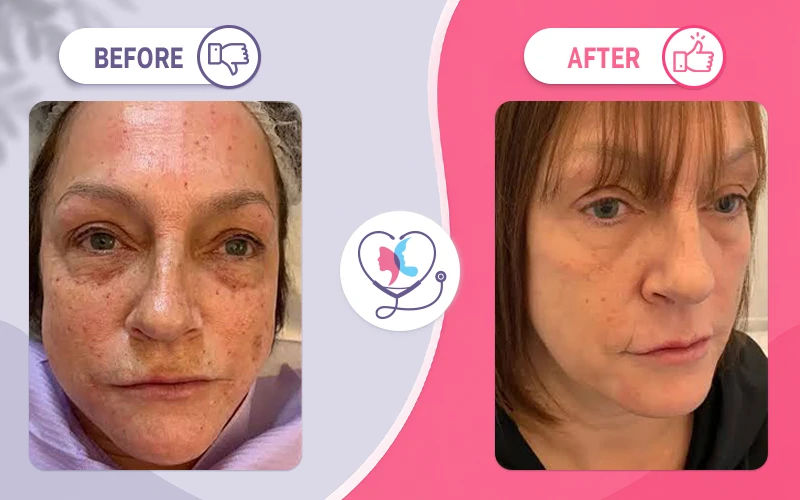
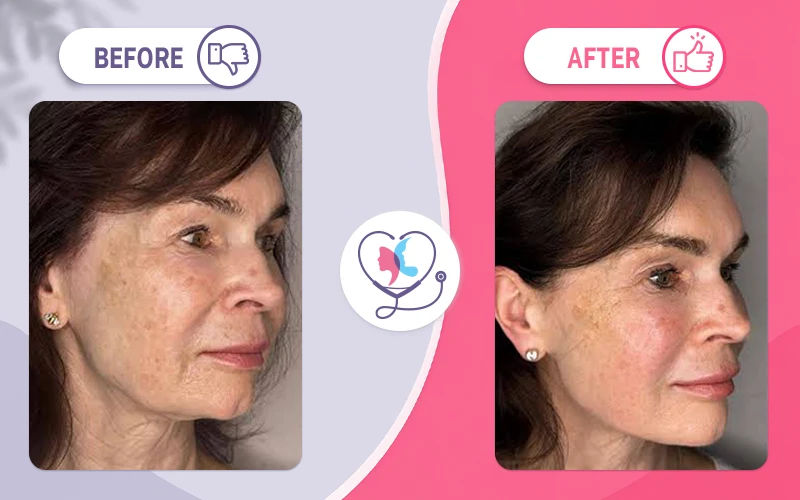
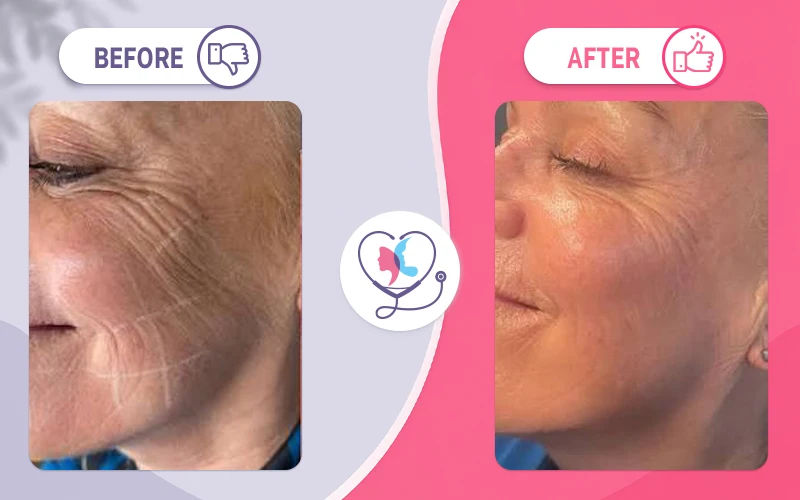
Skin Booster Before and After: What Results Can You Expect?
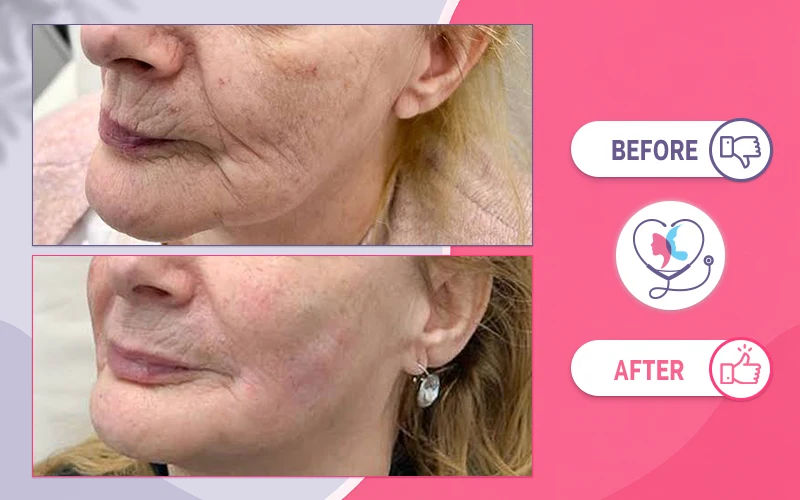
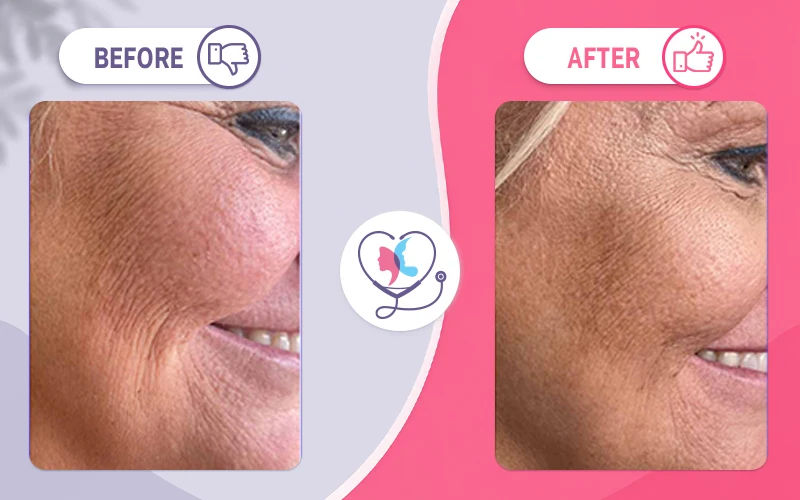
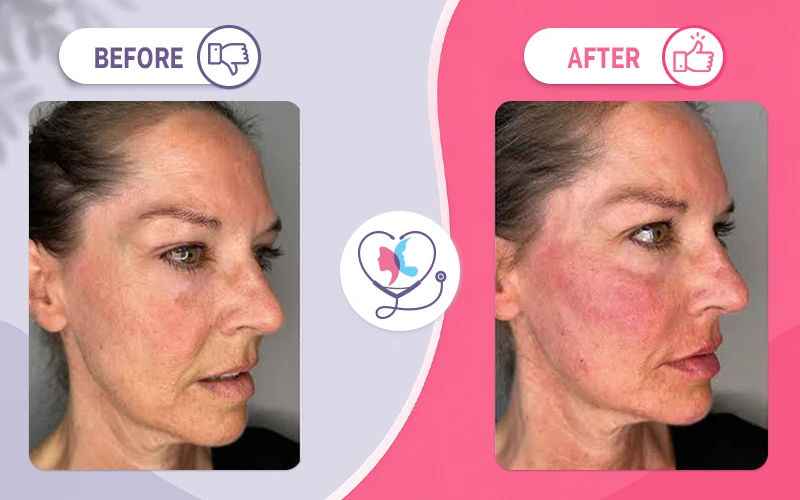
Skin boosters are designed to improve hydration, texture, elasticity, and overall skin quality rather than significantly change facial shape or add volume. Results develop gradually and vary depending on the product and individual skin condition.
Before Skin Boosters | After Skin Booster Treatment |
Dry or dehydrated skin: Skin may look flat, dry, or flaky. | Improved hydration: Skin may appear plumper, fresher, and better hydrated. |
Dull tone: The complexion may look tired or lack radiance. | Brighter appearance: Skin may develop a healthier, more radiant glow. |
Fine lines: Superficial lines and crepey areas may be more noticeable. | Softer fine lines: Fine lines may appear less visible as skin hydration and quality improve. |
Rough texture: Skin may feel uneven, with pores appearing more noticeable. | Smoother texture: Skin may feel softer, smoother, and more refined. |
Reduced elasticity: Skin may feel less firm or resilient. | Better elasticity: Skin may feel firmer and have improved “bounce.” |
Side Effects After Skin Booster Injections
Most side effects after skin booster injections are mild and temporary, appearing around the injection sites during the first few days. Common reactions include:
- Small bumps: Tiny raised papules or pin-prick marks may appear where the product was injected. They usually flatten as the product settles, often within 24–48 hours, although some may last longer depending on the product used.
- Redness and swelling: Mild redness, puffiness, or tenderness can occur around the treated areas and generally improves within a few days.
- Light bruising: Small bruises may develop at some injection points and can take several days to 1–2 weeks to fully resolve.
These temporary effects can usually be managed with a cool compress, gentle skin care, and avoiding rubbing or applying pressure to the treated area. Patients are also commonly advised to avoid strenuous exercise, excessive heat, and alcohol for the first 24–48 hours, depending on their provider's aftercare instructions.
Are Skin Boosters Safe?
Yes. Skin boosters are generally considered safe when administered by a qualified, licensed medical professional using approved products and proper injection techniques. Most reactions are mild and temporary, but complications can occur with any injectable treatment.
Rare Risks and Complications
- Infection: Uncommon, but possible whenever the skin is punctured, particularly if proper hygiene and sterile injection techniques are not followed.
- Allergic or hypersensitivity reactions: Rare, but reactions to the injected product or other ingredients can occur.
- Persistent lumps or inflammation: Nodules, prolonged swelling, or inflammatory reactions can occasionally develop.
- Vascular complications: Rare but potentially serious complications can occur if injectable material enters or compresses a blood vessel and requires urgent medical assessment.
Who Should Avoid Skin Boosters?
Skin booster treatment may need to be avoided or postponed in people who:
- Are pregnant or breastfeeding, depending on the product and medical guidance.
- Have a known allergy or hypersensitivity to any ingredient in the selected product.
- Have an active infection, inflammation, or skin condition in the treatment area.
- Have certain immune, bleeding, or other medical conditions, or take medications that may affect treatment safety.
A medical consultation before treatment is important to determine whether a specific skin booster is appropriate for you.
Skin Booster Aftercare
Proper aftercare can help reduce temporary swelling, redness, and bruising after skin booster injections.
- First 24 hours: Avoid touching, rubbing, or applying pressure to the treated areas, and keep the skin clean.
- Exercise: Avoid strenuous exercise for around 24–48 hours, as increased blood flow may worsen swelling or bruising.
- Makeup: Avoid makeup for at least 12–24 hours, or follow your provider's specific instructions.
- Heat and sauna: Avoid saunas, steam rooms, hot baths, and excessive heat for 24–48 hours.
- Alcohol: Avoid alcohol for around 24 hours, as it may increase redness or bruising.
- Skincare and actives: Use gentle skincare and temporarily avoid retinoids, exfoliating acids, scrubs, and other irritating actives for a few days or until the skin has settled.
Follow the specific aftercare instructions provided by your practitioner, as recommendations can vary by skin booster product and treatment area.
How Much Do Skin Boosters Cost in 2026?
Skin booster injections typically cost $400–$800 per session, while a localized treatment or single syringe may start around $300–$500. Because most patients need an initial course of 2–3 sessions, the total upfront cost typically ranges from $1,000 to $2,400. Maintenance usually involves a touch-up every 6–9 months.
Cost Type | Typical Cost |
Per Session | $400–$800 |
Localized Area / Single Syringe | $300–$500 |
Initial 2–3 Session Course | $1,000–$2,400 |
Maintenance Session | $300–$800 per touch-up session |
Annual Maintenance | Approximately $700–$1,500 per year |
Skin Booster Cost by Type
Treatment Type | Typical Cost |
HA Skin Boosters | $350–$750/session |
Profhilo | $500–$700/session |
Related polynucleotide injectables / Rejuran | $500–$1,000/session |
Related collagen biostimulators | $800–$1,500/vial |
Skin Booster Cost by Country
Country | Typical Price Per Session |
United States | $800–$1,500 |
United Kingdom | $320–$780 |
Turkey | $500–$1,000 |
South Korea | $200–$700 |
The final cost depends mainly on the product used, treatment area, amount required, number of sessions, clinic location, and injector expertise.
Skin Booster Injections in Turkey 2026
Turkey is a popular destination for skin booster injections, offering access to treatments such as Profhilo, Restylane Skinboosters, polynucleotides, and other skin rejuvenation injectables. In 2026, prices typically range from $500 to $1,000 per session, depending on the product, treatment area, and number of sessions required.
At Turkey Luxury Clinics, we help international patients find the right skin booster treatment based on their skin concerns, treatment goals, and budget, while connecting them with experienced medical professionals in Turkey. Contact us for a personalized treatment plan and price quote.
FAQs About Skin Boosters