

- What is stem cell therapy, and how does it work?
- How Much is Stem Cell Therapy in Turkey
- Why Turkey is a Global Hub for Stem Cell Therapy
- Results and Success Rate of Stem Cell Therapy
- Uses of Stem Cell Therapy
- Safety, Risks, and Side Effects of Stem Cell Therapy
- Pros and Cons of Stem Cell Therapy
- Get Safe and Effective Stem Cell Therapy with Turkey Luxury Clinics
- FAQs About Stem Cell Therapy in Turkey
Stem cell therapy represents a breakthrough in modern medicine, offering new possibilities for repairing damaged tissues, restoring function, and treating conditions that were once difficult to manage.
From its early experimental stages to today’s clinical applications, stem cell therapy continues to evolve, promising innovative solutions for a healthier future.
Today, stem cell therapy is used in a wide range of treatments, from cosmetic applications such as skin rejuvenation and hair restoration to regenerative medicine for injuries, chronic diseases, and organ repair.
Turkey is a popular destination for stem cell therapy due to advanced medical facilities, highly experienced specialists, and more affordable costs compared to many Western countries.
Stem cell therapy in Turkey offers access to safer treatments, faster recovery, and personalized medical solutions, all supported by world-class healthcare facilities.
Discovering Turkey Luxury Clinics, how stem cell therapy is applied in various medical fields in Turkey, what conditions are managed by this innovative treatment, and how much it costs to treat conditions like cerebral palsy, autism, and even hair loss.
What is stem cell therapy, and how does it work?
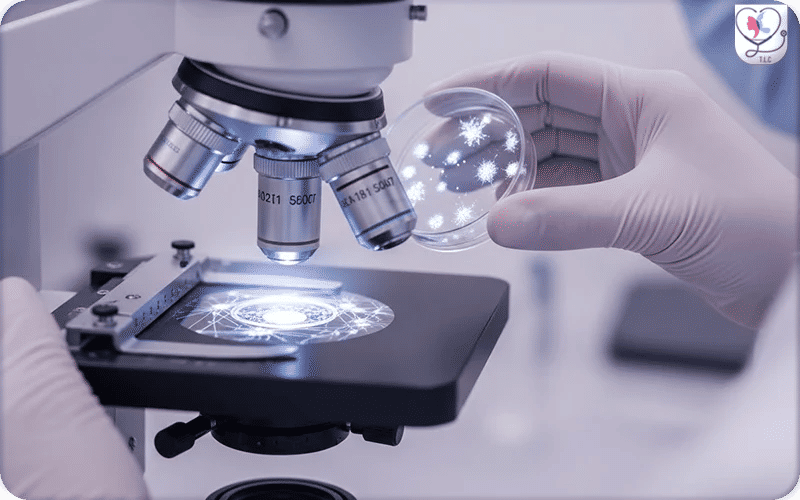
Stem cell therapy uses stem cells to treat diseases by repairing, replacing, or regenerating damaged or diseased cells in the body. Stem cells are natural cells that are unique because they are unspecialized, can self-renew, divide to produce more stem cells, differentiate into various specialized cell types, and help heal damaged tissues.
These abilities enable doctors to utilize stem cells in the treatment of a wide range of diseases, particularly those that do not respond well to traditional therapies. Eligibility for treatment is determined on a case-by-case basis after a medical history review and consultation.
How Does Stem Cell Therapy Work?
Naturally, the body uses stem cells to repair and regenerate tissues after injury. In regenerative medicine, doctors collect these cells from their natural sources, process them, and inject them into the damaged area.
Once injected, stem cells support healing by releasing growth signals, reducing inflammation, preventing cell death, and encouraging the formation of new, healthy tissue. In some cases, they may also transform into specialized cells.
Stem cells don’t need to become every type of cell to be effective—their primary power lies in their ability to regulate, stimulate, and repair the surrounding environment.
Sources of Stem Cells in Stem Cell Therapy
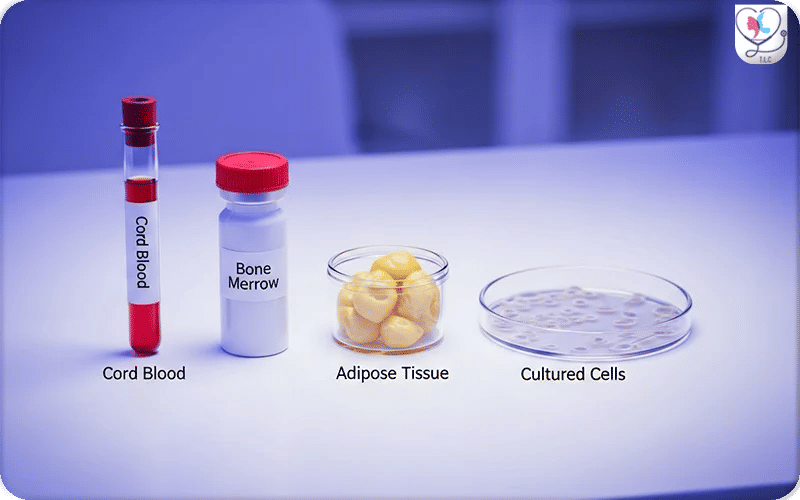
Stem cells come from multiple sources, including human embryos, adult bone marrow, and umbilical cord blood. They can also be found in adult tissues such as fat, skin, teeth, and the placenta. Additionally, scientists can create stem-cell–like cells in the laboratory from adult cells.
Benefits of Stem Cells for Treatments
Stem cell therapy helps regenerate tissues, reduce pain, and control inflammation through the body's natural healing mechanisms. It can offer a minimally invasive alternative to surgery and may help manage chronic conditions such as arthritis or neurodegenerative diseases. Because stem cells can be taken from the patient’s own body, the risk of rejection is generally low.
Types of Stem Cells Used in Treatment
Stem cell therapy can be classified based on the source of the stem cells, including embryonic stem cells, adult stem cells, and induced (synthesized) stem cells.
Embryonic stem cells (ESCs): These cells are derived from very early-stage embryos, typically before implantation in the uterus. ESCs have the highest potential among stem cells for self-renewal and differentiation, meaning they can divide extensively and develop into almost any cell type in the body.
Adult Stem Cells (ASCs): Found in specialized tissues such as bone marrow, fat, umbilical cord blood, and other adult organs. They can generate specific cell types related to the tissue they come from. These cells are typically multipotent, meaning they can only develop into cell types related to their tissue of origin.
- Hematopoietic Stem Cells (HSCs): Found in bone marrow, they are used to regenerate blood and immune cells.
- Mesenchymal Stem Cells (MSCs): A type of ASC found in tissues like bone marrow, fat, and umbilical cord. They are versatile and used in many non-blood-related therapies.
Induced Pluripotent Stem Cells (iPSCs): These are artificially created in the laboratory from adult cells and have properties similar to embryonic stem cells, allowing them to develop into multiple cell types.
How Much is Stem Cell Therapy in Turkey
Stem cell therapy in Turkey can cost anywhere from $3,000 to over $15,000, with a broad range of possibilities in between. The final price depends on the specific condition being treated, the type of stem cells used, the clinic's reputation and location, the patient's overall health, and the complexity of the procedure.
For example, the cost of autism treatment with stem cells in Turkey ranges between $6,000 and $11,400, depending on the clinic and medical procedure.
Stem cell therapy is significantly cheaper in Turkey compared to the US and Europe,
by around 40-60%. Other countries like Thailand and Mexico may have price ranges comparable to Turkey, whereas Turkey is often cited as having the most affordable prices.
Cost of Stem Cell Therapy in Turkey vs. Other Countries
| Country | Typical Cost Range (USD) |
| Turkey | $2,000 – $15,000 |
| United States | $20,000 – $50,000+ |
| Thailand | $3,000 – $13,000 |
| Mexico | $3,500 – $15,000 |
| Colombia | $5,500 – $14,000 |
| Spain | From $25,000 |
Cost of Stem Cell Therapy in Turkey by Procedure
| Procedure / Condition | Approximate Cost (USD) |
| General / Cosmetic (Anti-aging) | $3,500 – $4,500 |
| Knee Therapy | $3,500 – $7,000 |
| Diabetes | $6,000 – $12,000 |
| Cardiovascular | $4,000 – $8,000 |
| Hair Transplant | From $3,000 |
| Spinal Cord Injury | $8,000 – $15,000 |
| Multiple Sclerosis (MS) | From $12,000 |
| Infertility | $3,000 – $10,000 |
Why Turkey is a Global Hub for Stem Cell Therapy
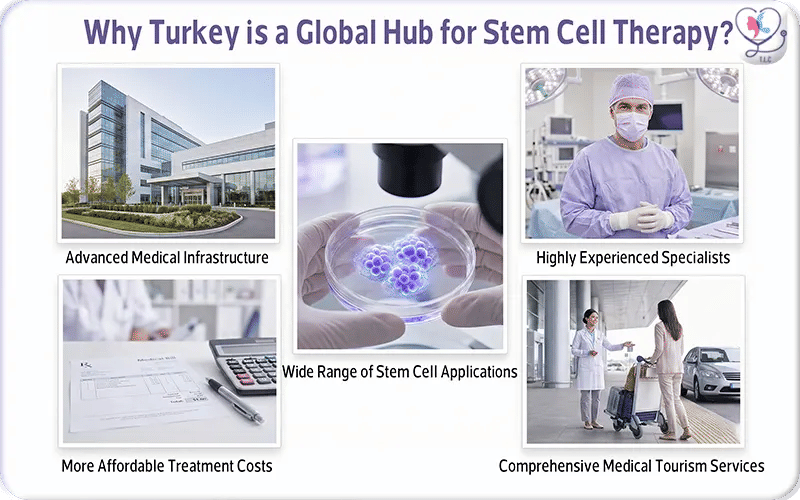
Turkey is a popular destination for stem cell therapy due to its advanced medical infrastructure, experienced specialists, and lower costs compared to some other countries.International patients can benefit from
1. Advanced Medical Infrastructure
Turkey offers world-class hospitals and specialized clinics equipped with state-of-the-art technology. Many facilities in Istanbul meet international standards and hold accreditations such as Joint Commission International (JCI).
2. Highly Experienced Specialists
The country is known for its well-trained doctors and researchers. Many have international education and significant experience in stem cell therapy for orthopedic, neurological, and cosmetic conditions.
3. More Affordable Treatment Costs
Stem cell therapy in Turkey is often 50–70% cheaper than in many Western countries, making advanced regenerative treatments more accessible to international patients.
4. Comprehensive Medical Tourism Services
Patients choose Turkey for full-support medical tourism packages, including translation services, transportation arrangements, and assistance throughout the treatment journey.
5. Wide Range of Stem Cell Applications
Turkey provides stem cell treatments for numerous conditions—including neurological disorders, orthopedic injuries, metabolic diseases, and cosmetic rejuvenation—under the supervision of specialized teams.
Results and Success Rate of Stem Cell Therapy
Success rates of stem cell therapy vary widely, generally ranging from 50% to 95% depending on the condition and the type of stem cells used. In blood-related cancers, outcomes can reach 60–70% in complex cases and up to 90–95% in more localized cases. Orthopedic conditions such as knee osteoarthritis typically show 60–85% improvement in pain and mobility, while soft-tissue injuries like rotator cuff tears often achieve success rates above 70%.
Results ultimately depend on several factors, including disease severity, the patient’s overall health, and the specific stem cell protocol used.
Uses of Stem Cell Therapy
Stem cell therapy is used in medicine for regenerative purposes, such as repairing damaged tissues and organs, especially muscles and tendons.
Well-established applications include blood stem cell transplants for blood disorders and skin grafts for burns.
Emerging applications focus on treating neurological disorders, heart disease, joint problems, and autoimmune diseases by regenerating nerve tissues, repairing heart muscle, and modulating immune responses.
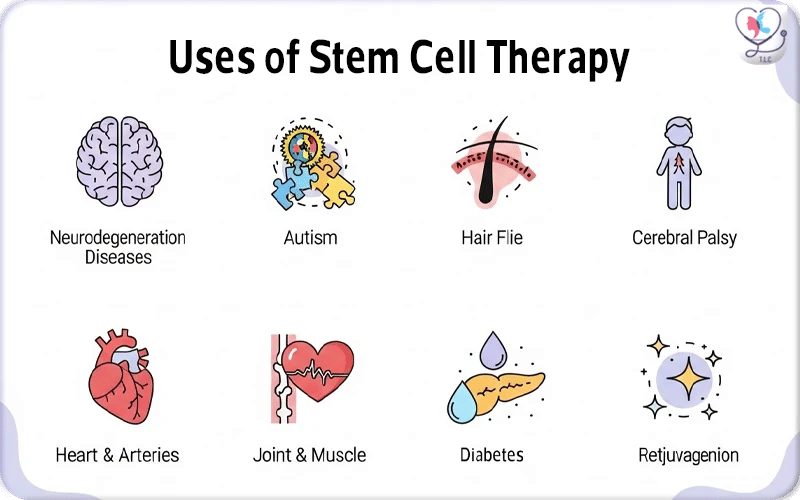
1. Neurodegenerative Diseases: Alzheimer’s and Parkinson’s
Stem cell therapy holds promise for neurodegenerative diseases like Alzheimer’s and Parkinson’s by repairing damaged nerve cells, reducing inflammation, and stimulating the growth of new neurons to improve cognitive function and motor skills.
However, the therapy faces challenges such as immune rejection, safety concerns, and ethical considerations. In Turkey, stem cell treatments for neurodegenerative diseases are available with high-quality care and affordable prices. Read about deep brain stimulation surgery, which is used to manage Parkinson's symptoms
2. Stem Cell Therapy for Autism in Turkey
Stem cell therapy is an emerging approach for treating autism spectrum disorder (ASD). It is based on the theory that some autism symptoms may be linked to immune system issues and inflammation in the brain and body. Based on a unique ability of stem cells to support the immune system, improve metabolism, and help repair damaged cells and tissues.
While it is still considered experimental and scientific evidence is limited, many patient reports suggest potential benefits.
Some observed improvements in autistic children receiving stem cell therapy include:
- Greater interest in different foods and new activities
- Improved eye contact and social interaction
- Better behavior at home and outside
- Reduced fear of loud noises, strangers, and bright colors
- Non-verbal autistic children may start making sounds and pronouncing words, while verbal children may expand their vocabulary
- Improved writing skills and self-care abilities
- Increased attention span and concentration
Turkey is considered a leading destination for treating autism, offering advanced stem cell therapy at affordable prices. Turkish clinics combine high-quality medical procedures with precise handling of stem cells, rigorous testing, and professional care, ensuring safety and attention throughout the treatment process.
3. Stem Cell Therapy for Hair Loss in Turkey
Stem cell therapy for hair loss in Turkey is a rejuvenation treatment using a patient’s own stem cells, usually from fat or scalp tissue. The cells are processed and injected into thinning areas to stimulate hair growth, activate dormant follicles, improve blood circulation, and encourage thicker, stronger hair.
Although still experimental, clinical studies report significant increases in hair density and thickness. Turkey is a popular destination due to cost-effective treatment, skilled medical professionals, and comprehensive care packages.
4. Stem Cell Therapy for Cerebral Palsy in Turkey
Stem cell therapy for cerebral palsy (CP) is still considered experimental, but it has shown potential to improve motor function, muscle tone, coordination, and overall quality of life in some patients. Clinics in Turkey provide advanced stem cell treatments with precise handling, rigorous testing, and professional care, making the country a top destination for families seeking innovative therapies at competitive prices.
5. Rejuvenation of the Cardiovascular System by Stem Cells
Stem cells can rejuvenate the cardiovascular system by repairing damaged heart tissue and forming new blood vessels. They work by replacing dead cells, releasing growth factors, and differentiating into heart muscle or vascular cells. Although still a developing field, research is exploring different stem cell types, such as pluripotent stem cells (PSCs) and mesenchymal stem cells (MSCs), for treating conditions like heart failure and damage from heart attacks.
6. Repairing Damaged Joints and Muscles by Stem Cells
Stem cell therapy is widely used in Turkey clinics to repair damaged joints and muscles. When injected into the affected area, stem cells stimulate the body’s natural healing processes, reducing inflammation, and differentiating into new bone, cartilage, or muscle tissue.
This minimally invasive procedure is commonly used for worn or injured tendons and in sport medicine for fast recovery, with full benefits typically seen within 3–6 months. Turkey offers high-quality medical expertise and competitive costs compared to Western countries.
7. Stem Cell Therapy for Diabetes in Turkey
When used for diabetes stem cell therapy typically restores insulin production by converting them into insulin-producing cells. Many clinics in Istanbul offer this treatment, which usually includes cell harvesting from sources such as fat tissue or bone marrow, laboratory processing, and injection or IV infusion.
8. Rejuvenation Therapy with Stem Cells
As breakthrough rejuvenation therapy uses a patient’s own stem cells, usually derived from fat or blood, to repair and revitalize skin tissues. This treatment helps reduce signs of aging such as wrinkles and fine lines by stimulating collagen and elastin production, while promoting the regeneration of new skin cells.
Safety, Risks, and Side Effects of Stem Cell Therapy
Stem cell therapy's safety is highly dependent on the type of treatment and its approval status.
Stem cell therapy can cause short-term side effects such as fatigue, nausea, infection, and anemia. However, more serious long-term complications may occur in some cases, including graft-versus-host disease, organ damage, or an increased risk of certain cancers.
Hematopoietic stem cell transplants also carry their own specific risks, which differ from those associated with other types of stem cell treatments.
Pros and Cons of Stem Cell Therapy
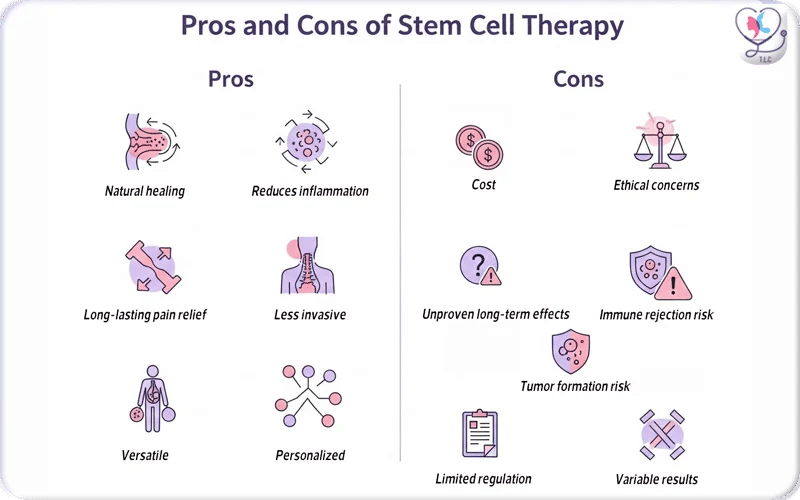
Pros of Stem Cell Therapy
- Natural healing: Promotes the body's ability to repair damaged tissues.
- Reduces inflammation: Helps decrease inflammation linked to many conditions.
- Long-lasting pain relief: Many patients experience extended relief.
- Less invasive: Often an alternative to surgery or other invasive treatments.
- Versatile: Can address a wide range of medical issues.
- Personalized: Treatment can be tailored to each patient.
Cons of Stem Cell Therapy
- Cost: Expensive; often not covered by insurance.
- Ethical concerns: Use of embryonic stem cells raises objections for some.
- Unproven long-term effects: Long-term safety and success are still under study.
- Immune rejection risk: Possible that the body rejects transplanted cells.
- Tumor formation risk: Rarely, stem cells may form tumors.
- Limited regulation: Some therapies lack strict oversight.
- Variable results: Effectiveness depends on age, health, and condition.
Get Safe and Effective Stem Cell Therapy with Turkey Luxury Clinics
Ready to take the next step toward advanced healing and rejuvenation? Turkey Luxury Clinics offers world-class stem cell therapy tailored to your unique needs, combining cutting-edge technology, highly experienced specialists, and personalized care. Whether you’re seeking treatment for neurological conditions, orthopedic injuries, or cosmetic rejuvenation, our team ensures safety, comfort, and exceptional results. Book your consultation today and discover how stem cell therapy in Turkey can transform your health and well-being.
You may like
Health Check-Up Packages in Turkey: Full Body & VIP Prices and Booking Guide
Men’s Health Check-Up Packages 2026: Comprehensive, VIP & Premium Options
Women’s Health Checkup in Turkey 2026: Comprehensive & Master Packages
FAQs About Stem Cell Therapy in Turkey