

- What Is the Difference Between Upper and Lower Blepharoplasty?
- How Do Upper and Lower Eyelid Changes Vary with Aging
- What is Upper Blepharoplasty?
- Signs You Need Upper Blepharoplasty
- What is Lower Blepharoplasty?
- Signs You Need Lower Blepharoplasty
- Upper vs Lower Blepharoplasty: Areas, Recovery, Scar, and Results
- Which Blepharoplasty Makes You Look Younger?
- Combining Upper and Lower Blepharoplasty (Quad Blepharoplasty)
- Upper Blepharoplasty: More Open and Refreshed Eyes
- Lower Blepharoplasty: A Smoother, Less Tired Under-Eye Area
- Upper Eyelid Surgery Before and After Photos
- Lower Eyelid Surgery Before and After Photos
- Can Eyelid Surgery Improve Vision?
- What Is The Best Age For Blepharoplasty?
- How Much Does An Upper Vs Lower Blepharoplasty Cost?
- Upper vs Lower Blepharoplasty Cost Comparison
- Which Is Simpler: Upper Or Lower Blepharoplasty?
- Are Blepharoplasty Results Permanent or How Long Do They Last?
- Recovery Timeline, Healing, and Scars of Eyelid Surgery
- Risks and Possible Side Effects of Upper vs Lower Blepharoplasty
- Can Fillers Replace Blepharoplasty?
- Do You Need Upper or Lower Eyelid Surgery?
- Why Choose Turkey Luxury Clinic for Upper and Lower eyelid surgery?
- FAQs About Upper vs Lower Blepharoplasty
Eyelid surgery, known as blepharoplasty, is one of the most sought-after cosmetic procedures for treating tired, heavy, or aging eyes. While some patients struggle with drooping upper eyelids and hooding that can even affect vision, others are more concerned with persistent under-eye bags, puffiness, and deep shadows beneath the eyes.
Choosing between upper and lower blepharoplasty depends less on age and more on your unique eye anatomy and where structural aging occurs. Upper blepharoplasty removes excess skin and heaviness from the upper lids to create a more open and refreshed appearance, while lower blepharoplasty focuses on repositioning fat pads and smoothing the under-eye contour for a more rested look.
Heavy upper lids, blocked vision, or hooded eyes usually indicate the need for upper blepharoplasty. Persistent eye bags, lower eyelid puffiness, or crepey under-eye skin are more commonly treated with lower blepharoplasty. Some patients only need one procedure, while many others benefit from combining both surgeries for complete eye rejuvenation.
What Is the Difference Between Upper and Lower Blepharoplasty?
Feature | Upper Eyelid Surgery | Lower Eyelid Surgery |
Main Concern Treated | Heavy, sagging, or hooded upper eyelids | Under-eye bags, puffiness, hollows, and tired-looking eyes |
How It Changes Appearance | Makes the eyes look more open, lifted, and awake | Creates a smoother, fresher, and more rested under-eye area |
Incision Location | Hidden in the natural upper eyelid crease | Inside the eyelid or just below the lower lashes |
Procedure time | 45 minutes to 1 hour | 90 minutes to 2.5 hours for a combined procedure |
Visible Scarring | Scars usually become nearly invisible after healing | Minimal to no visible scarring depending on technique |
Recovery Time | Around 7–10 days | Around 10–14 days with more swelling |
Surgery Complexity | Generally simpler and faster | More delicate due to fat repositioning and eye support structures |
Anesthesia | Often, local anesthesia with sedation | Frequently deeper sedation or general anesthesia |
Medical vs Cosmetic | May improve vision if skin blocks sight | Mostly cosmetic and appearance-focused |
Average US Cost | $3,000 – $4,500 | $3,500 – $5,500 |
How Do Upper and Lower Eyelid Changes Vary with Aging
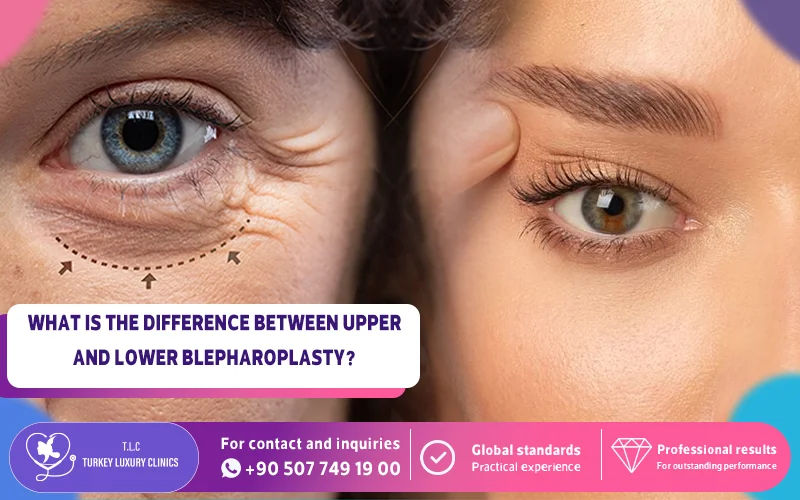
Eyelid aging does not happen uniformly. Each region behaves differently because of variations in skin thickness, fat distribution, and ligament support.
- Upper Eyelid Aging: Typically presents as skin redundancy that gradually folds over the lash line. This causes hooded eyelids, creates a heavy upper lid feeling, and leads to visual obstruction in advanced cases. It also triggers functional annoyances like makeup creasing in the folds.
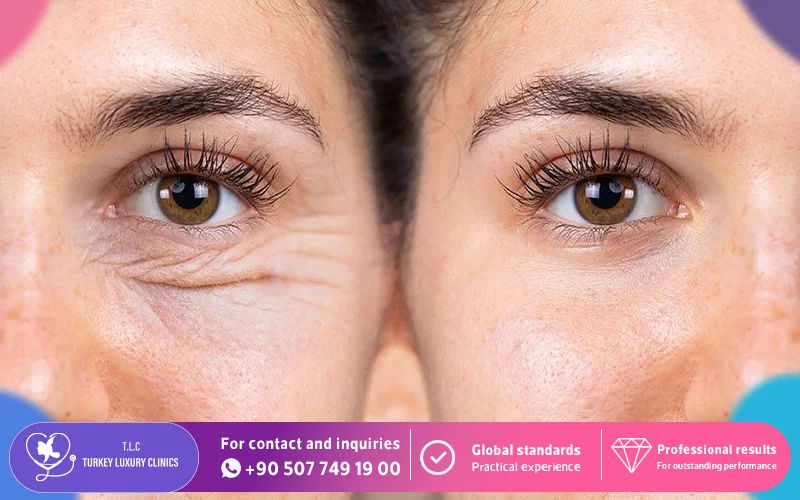
- Lower Eyelid Aging: Driven by fat displacement and the weakening of the orbital septum. This causes herniated fat pads to bulge forward and form under-eye bags, creating deep tear trough hollows, crepey under-eye skin, and a poor lid-cheek transition that yields a chronic tired appearance.
What is Upper Blepharoplasty?
Upper blepharoplasty is a surgical procedure that is known as an "eyelid lift," it removes excess skin, muscle, and sometimes fat from the upper eyelids.
It is performed to eliminate a heavy, hooded appearance, create a more open, and youthful look by eliminating heaviness and excess tissues above the eye. It removes:
- Excess Skin (Hooding): As skin loses elasticity, it folds over the natural crease, sometimes resting on the eyelashes and blocking peripheral vision.
- Fat Removal: Surgeons may conservatively remove a small portion of the inner nasal fat pad if there is pronounced bulging near the bridge of the nose.
Signs You Need Upper Blepharoplasty
Upper eyelid aging typically affects eyelid openness, visual comfort, and facial expression rather than just appearance.
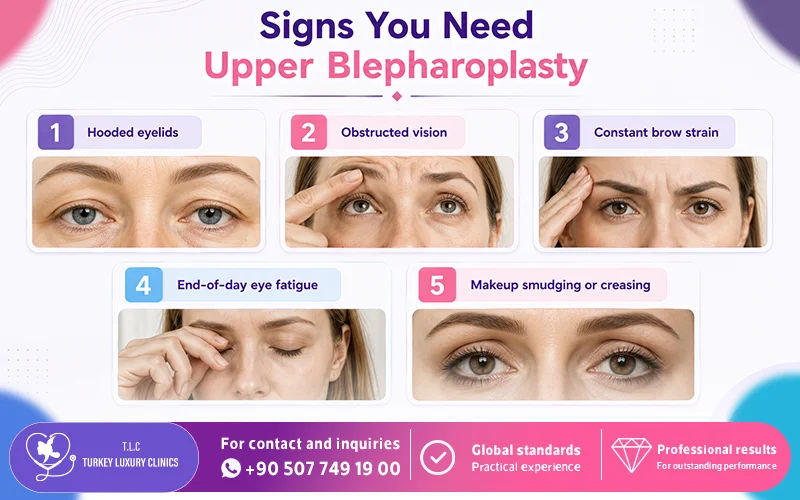
- Hooded eyelids: Excess upper eyelid skin folds over the natural crease, making the eyes look smaller, heavier, or less open.
- Obstructed vision: Drooping upper eyelid skin begins to block part of the upper or peripheral field of vision.
- Constant brow strain: You frequently raise your eyebrows or tighten your forehead muscles just to keep your eyes feeling open.
- End-of-day eye fatigue: The upper eyelids feel physically heavy, tired, or weighed down later in the day.
- Makeup smudging or creasing: Eye makeup regularly transfers into the folds or disappears because of reduced visible lid space.
What is Lower Blepharoplasty?
Lower blepharoplasty is a cosmetic or reconstructive surgical procedure that targets the lower eyelids. It is designed to remove or reposition excess fat, tighten loose skin, and reduce under-eye bags or puffiness, resulting in a smoother, more youthful look.
Lower eyelid surgery is a highly complex structural procedure focused on contouring and smoothing the transition between the eye and the cheek.
- Herniated Fat Pads: Aging weakens the orbital septum, causing fat pads to bulge forward and form visible "bags". Surgeons reshape or redistribute this fat rather than aggressively cutting it out to avoid a hollow appearance.
- Hollowness and Tear Troughs: Fat is frequently repositioned into dark hollows to smooth deep shadows.
- Skin Laxity: Minimal skin is trimmed from the lower lash line to prevent eyelid pulling or retraction.
Signs You Need Lower Blepharoplasty
Lower eyelid aging mainly affects under-eye volume, shadowing, and skin smoothness rather than eyelid function.
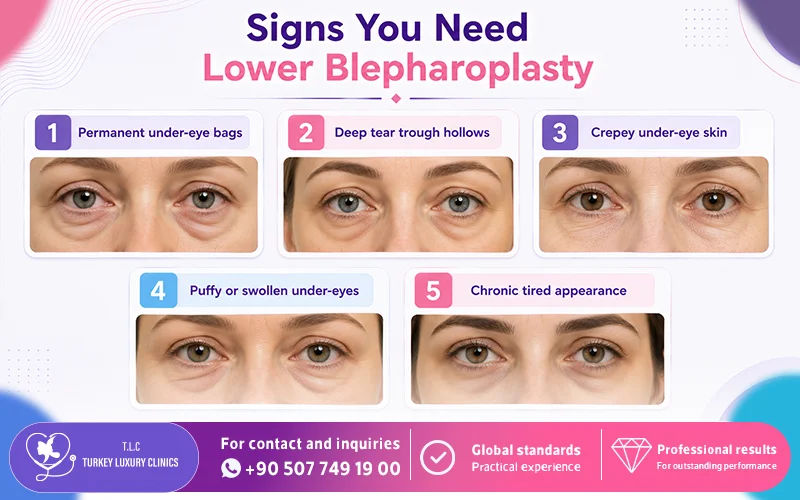
- Permanent under-eye bags: Puffy fat bulges remain visible even after rest, hydration, or skincare.
- Deep tear trough hollows: Sunken shadows beneath the eyes create a tired or aged appearance.
- Crepey under-eye skin: Thin, wrinkled skin beneath the lashes starts to look loose or uneven in texture.
- Puffy or swollen under-eyes: Persistent swelling or fullness beneath the eyes creates a fatigued appearance.
- Chronic tired appearance: The under-eye area constantly looks shadowed or exhausted even when you feel fully rested.
Upper vs Lower Blepharoplasty: Areas, Recovery, Scar, and Results
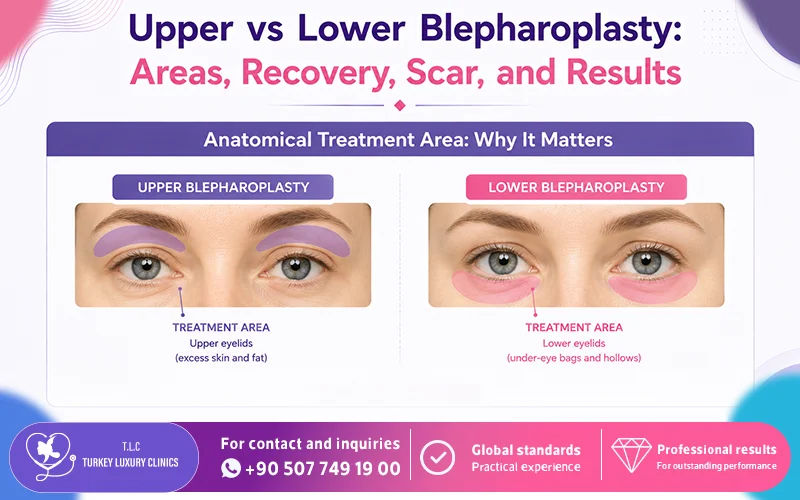
Anatomical Treatment Area: Why It Matters
Upper blepharoplasty targets excess skin that affects eyelid opening and expression, while lower blepharoplasty focuses on structural aging changes like fat displacement and loss of midface support. This difference explains why upper surgery is often more functional, while lower surgery is more contour-driven.
Anesthesia Type: Upper vs Lower eyelid
Upper eyelid surgery is typically simpler and well-tolerated under local anesthesia with mild sedation. Lower eyelid surgery may require deeper sedation because it involves more delicate manipulation around fat pads and orbital support structures.
Incisions & Scarring: Does it Affect the Result
In upper blepharoplasty, the incision is designed to preserve natural eyelid fold definition, which is essential to avoid a “surgical” appearance. In lower blepharoplasty, internal approaches are preferred whenever possible to completely avoid visible scarring, especially in younger patients with good skin elasticity.
Procedure Duration: Upper vs Lower Eyelid Surgery
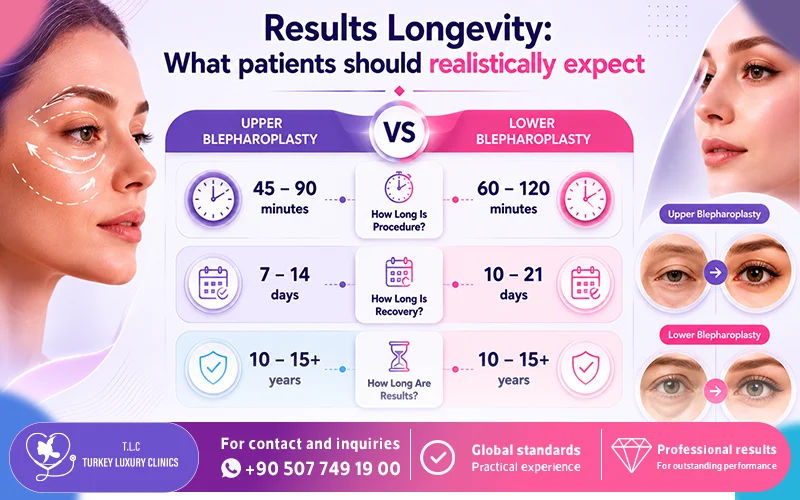
- Upper blepharoplasty: around 45–60 minutes
- Lower blepharoplasty: around 90 minutes
- Combined (if done together): up to 2–2.5 hours
Recovery Differences and Why Lower Takes Longer
Upper eyelid surgery heals faster because it involves more superficial tissue. Lower eyelid surgery requires adjustment of deeper fat and support layers, which naturally leads to longer swelling and slower fluid drainage in the under-eye area.
Results Longevity: What patients should realistically expect
Both procedures provide long-term improvement, but they do not stop aging. Upper eyelid changes may gradually reappear over time due to natural brow descent and skin laxity, while lower eyelid improvements tend to remain more stable when fat repositioning is performed correctly.
Which Blepharoplasty Makes You Look Younger?
Lower blepharoplasty generally yields the most dramatic anti-aging results because it eliminates under-eye bags and hollows, which are primary indicators of facial aging and fatigue. Upper blepharoplasty provides a complementary effect by making the eyes appear wider, more awake, and refreshed.
Combining Upper and Lower Blepharoplasty (Quad Blepharoplasty)
Many patients choose to combine upper and lower blepharoplasty in a single operation known as quad blepharoplasty. This approach rejuvenates the entire eye area simultaneously, creating a more balanced and harmonious result while reducing overall downtime, anesthesia exposure, and recovery compared to undergoing two separate surgeries. Combined upper and lower eyelid surgery is considered safe and highly common when performed by an experienced surgeon.
Upper Blepharoplasty: More Open and Refreshed Eyes
Upper blepharoplasty removes excess upper eyelid skin that makes the eyes look heavy or tired. By restoring the visible eyelid crease and reducing hooding, the eyes appear more open, awake, and refreshed. It can also improve eye symmetry and create a smoother surface for makeup application.
Lower Blepharoplasty: A Smoother, Less Tired Under-Eye Area
Lower blepharoplasty improves puffiness, under-eye bags, and tear trough hollows by repositioning or removing fat and tightening loose tissue. This creates a smoother under-eye contour and a more rested, youthful appearance without the constant tired look.
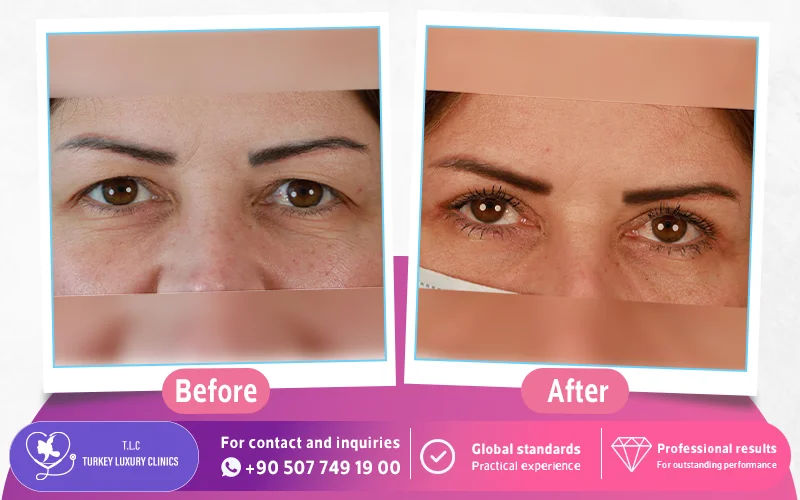
Upper Eyelid Surgery Before and After Photos
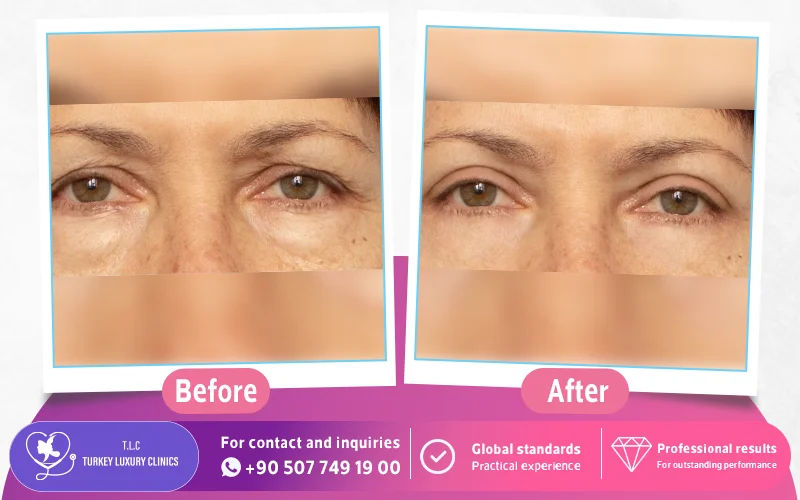
Lower Eyelid Surgery Before and After Photos
Can Eyelid Surgery Improve Vision?
Blepharoplasty does not affect your sight but can improve vision if the excess upper eyelid skin hangs low enough to block peripheral vision. In these cases, an upper blepharoplasty (rather than a lower procedure) can significantly improve both visual function and eyelid comfort. Patients often notice reduced forehead strain as they no longer need to constantly raise their brows to keep their eyes open.
What Is The Best Age For Blepharoplasty?
There is no ideal universal age because eyelid aging is strongly influenced by genetics, skin quality, and facial anatomy. Some patients seek lower blepharoplasty in their 30s due to inherited under-eye bags, while upper eyelid surgery becomes more common in the 40s and 50s as skin laxity progresses. Surgeons focus more on anatomical changes than age itself when determining timing.
How Much Does An Upper Vs Lower Blepharoplasty Cost?
Upper blepharoplasty typically costs between $4,000 and $8,000, while lower blepharoplasty generally runs between $6,000 and $12,000 due to its higher complexity. Combined procedures usually range from $10,000 to $20,000
The price difference between upper and lower eyelid surgery comes down to surgical complexity, time in the operating room, and the type of anesthesia required.
Why does lower blepharoplasty cost more than upper eyelid surgery?
Lower blepharoplasty is usually more expensive because it is more complex and requires advanced surgical techniques such as fat repositioning and precise contour balancing. Upper blepharoplasty is generally simpler, shorter in duration, and therefore less costly in most cases.
Upper vs Lower Blepharoplasty Cost Comparison
Surgical Procedure | United States (Private Centers) | United Kingdom (Private Clinics) | Turkey (All-Inclusive Packages) |
Upper Blepharoplasty | $4,000 – $8,000 | $3,200 – $4,900 | $1,600 – $2,500 |
Lower Blepharoplasty | $6,000 – $12,000 | $3,800 – $6,200 | $1,700 – $2,500 |
Combined (Quad Blepharoplasty) | $10,000 – $20,000 | $5,700 – $9,700 | $2,500 – $3,500 |
In Turkey, clinics use an all-inclusive package model. The price covers the surgery, anesthesia, medical fees, and logistical support. This allows international patients to save 60% to 70% on costs while receiving medical care that meets international and JCI standards.
Which Is Simpler: Upper Or Lower Blepharoplasty?
Upper blepharoplasty is generally considered the simpler procedure because it focuses mainly on removing or tightening excess skin through a single, well-hidden incision in the natural eyelid crease. The surgical field is more predictable, and the anatomical structures involved are less complex, which makes the procedure more straightforward and consistent in outcomes.
Lower blepharoplasty, on the other hand, is technically more complex. It involves delicate manipulation of fat pads, fine adjustment of lower eyelid support structures, and sometimes fat repositioning rather than removal. Because the lower eyelid plays a key role in eyelid–cheek harmony, even small adjustments require higher precision to avoid hollowing or contour irregularities.
Are Blepharoplasty Results Permanent or How Long Do They Last?
Blepharoplasty does not stop the natural aging process, but it permanently corrects the excess skin and fat that is removed or repositioned during surgery. This means the structural improvement achieved during the procedure does not “wear off” or reverse.
The results are long-lasting, with upper eyelid surgery typically maintaining improvement for around 10 to 15 years, depending on skin quality, genetics, and lifestyle factors. Lower blepharoplasty often lasts even longer in many patients because fat repositioning and contour correction create more stable long-term structural changes.
Although the eyes continue to age naturally over time, patients usually maintain a noticeably more rested and youthful appearance compared to how they would have looked without surgery.
Recovery Timeline, Healing, and Scars of Eyelid Surgery
Upper blepharoplasty generally has a faster and simpler recovery period, with most swelling and bruising resolving within 7–10 days. Lower blepharoplasty requires a slightly longer healing time, typically 10–14 days or more, due to the delicate nature of the lower eyelid structures.
Swelling under the eyes may persist longer in lower eyelid surgery because this area retains fluid more easily. Patients are usually advised to keep their heads elevated during sleep to reduce edema and support faster recovery.
Blepharoplasty scars are usually discreet and well-hidden. In upper eyelid surgery, the incision is placed within the natural crease, making it almost invisible after healing. In lower eyelid surgery, scarring depends on the technique used—either no external scar in transconjunctival procedures or a fine line hidden just beneath the lashes, which typically fades over time.
Risks and Possible Side Effects of Upper vs Lower Blepharoplasty
Both upper and lower eyelid surgeries are generally safe when performed by an experienced surgeon; however, there are some risks and temporary side effects.
Upper blepharoplasty is typically associated with milder and more predictable side effects. Patients may experience temporary swelling, bruising, dryness of the eyes, and mild tightness around the eyelid. Because the procedure is more superficial, recovery tends to be smoother, and complications are less common when compared to lower eyelid surgery.
Lower blepharoplasty carries a slightly higher sensitivity due to its deeper anatomical work around fat pads and eyelid support structures. In addition to swelling and bruising, patients may notice longer-lasting puffiness, temporary difficulty with eyelid tightness, or minor contour irregularities during healing.
Rare risks such as eyelid malposition or prolonged swelling are more associated with lower eyelid procedures because of its structural complexity.
Most side effects are temporary and resolve as the tissues heal naturally. Following post-operative instructions carefully, including eye care, head elevation, and avoiding strain, significantly reduces the likelihood of complications and supports smooth recovery with optimal aesthetic results.
Can Fillers Replace Blepharoplasty?
Fillers can improve mild hollowing beneath the eyes, but they cannot remove excess skin, tighten muscle laxity, or correct significant fat bulging. In patients with true eyelid aging, fillers may soften shadows temporarily while leaving puffiness or heaviness unchanged. Blepharoplasty becomes more appropriate when structural changes such as hooding, under-eye bags, or skin redundancy are the main cause of the aged appearance.
Do You Need Upper or Lower Eyelid Surgery?
What You Actually See | Underlying Problem | Best Surgical Solution |
Upper eyelid skin folding over lashes | Excess upper eyelid skin | Upper Blepharoplasty |
Eyes look small, tired, or partially closed | Loss of upper lid definition | Upper Blepharoplasty |
Constant need to lift eyebrows to see clearly | Visual field obstruction from the upper lid skin | Upper Blepharoplasty |
Puffiness or bags under eyes | Fat pad protrusion | Lower Blepharoplasty |
Dark shadows under eyes even after rest | Tear trough hollowing or volume loss | Lower Blepharoplasty |
Flat or tired transition between eye and cheek | Midface–lid separation | Lower Blepharoplasty |
Both upper heaviness + under-eye aging | Combined periorbital aging | Upper + Lower (Quad Blepharoplasty) |
Why Choose Turkey Luxury Clinic for Upper and Lower eyelid surgery?
At Turkey Luxury Clinics, we approach eyelid surgery not as a standardized procedure, but as a highly personalized surgical art designed to preserve your natural facial expression while creating a more refreshed and youthful appearance. From the moment you arrive until your final follow-up, we provide a seamless VIP medical experience tailored to international patients.
- Board-Certified Plastic Surgeons: Our surgical team includes internationally recognized aesthetic specialists with prestigious fellowships, active memberships in the International Society of Aesthetic Plastic Surgery, and thousands of successful eyelid surgery outcomes.
- Advanced Micro-Surgical Techniques: We prioritize modern techniques such as transconjunctival lower blepharoplasty whenever appropriate to minimize visible scarring, preserve natural eyelid contours, and support smoother recovery.
- Luxury All-Inclusive Experience: Your medical journey includes premium 5-star accommodation in Istanbul, private VIP airport and clinic transfers, multilingual patient coordination, and dedicated support throughout every stage of treatment and recovery.
FAQs About Upper vs Lower Blepharoplasty