


- Vaginoplasty Cost in Turkey: What You’ll Pay in 2026
- What Is Vaginoplasty?
- Why Does the Vagina Become Loose?
- Who Is a Good Candidate for Vaginoplasty?
- Benefits of Vaginoplasty
- Is Turkey Vaginoplasty Safe? Risks and Complications
- Preparing for Vaginoplasty Surgery
- Vaginoplasty Step-By-Step
- Recovery and Aftercare
- Surgery vs Laser and Other Non-Surgical Vaginoplasty Options
- Book Your Free Vaginoplasty Consultation in Turkey
Vaginoplasty in Turkey typically costs between $2,500 and $4,000. Surgery takes one to two hours under anesthesia, with same-day discharge or sometimes one night in the hospital. Stay five to seven days in Istanbul or Antalya.
At Turkey Luxury Clinics, you’re cared for by our experienced surgeons in modern, accredited hospitals. Our all-inclusive packages cover your hotel and transfers, at a fraction of Western prices, in a discreet, welcoming city.
Think the price is the whole story? Keep reading to see what’s included, how recovery really goes, and how to choose safely.
Vaginoplasty Cost in Turkey: What You’ll Pay in 2026
Vaginoplasty in Turkey typically costs between $2,500 and $4,000, which can be 50% to 75% less than you’d pay for the same vaginal tightening surgery in the US or UK.

Why Choose Vaginoplasty in Turkey?
Turkey combines experienced surgeons, modern accredited hospitals and all-inclusive packages covering hotel and transfers, all at a fraction of Western prices. Clinics also protect your privacy, so you recover discreetly.
Vaginoplasty Turkey Cost vs the US and UK
Country | Typical vaginoplasty cost | Savings in Turkey |
Turkey | $2,500 to $4,000 | — |
United Kingdom | $3,900 to $9,100 | Up to 50% to 75% |
United States | $6,500 to $11,500 | Up to 50% to 75% |
What Affects the Price?
- Surgeon’s experience: A highly experienced, specialized surgeon usually charges more, and for good reason, because skill directly affects your safety and your result.
- Case complexity: Mild looseness costs less to correct than a significant repair that needs more tightening and more operating time.
- Combined procedures: Adding labiaplasty or perineoplasty raises the total, because the operation is longer and more complex.
- Anesthesia and hospital stay: General anesthesia and an overnight stay cost more than sedation with same-day discharge.
- Facility standard: Accredited hospitals with modern equipment and strict infection control charge more than basic clinics.
- Package inclusions: Prices rise when the package adds consultations, aftercare, hotel nights and airport transfers.
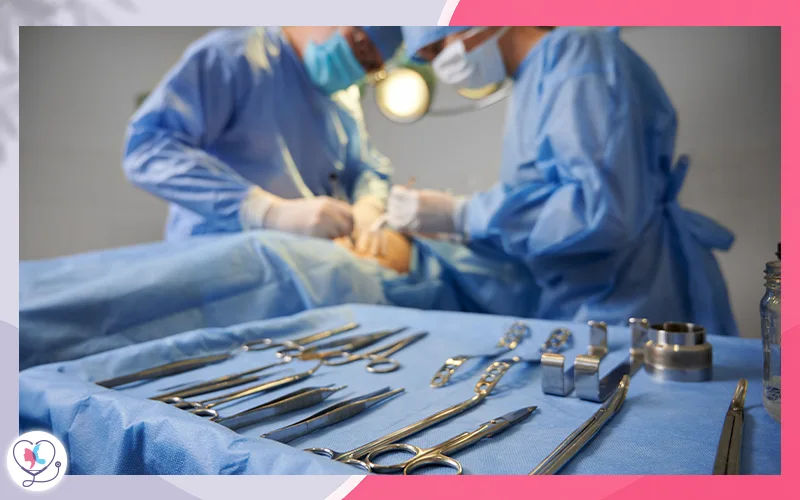
Vaginal Tightening Cost in Turkey: Surgery vs Laser
Surgery is a single payment with longer-lasting results. Laser costs less per session, but most women need several, so the total often matches surgery. Its effects are subtler and usually fade within a year, so you may pay again later.
What Does a Vaginoplasty Turkey Package Include?
Category | What’s usually included |
Before you travel | Video or text consultation, and a quote based on your medical history |
Pre-operative tests | Blood tests, infection screening, chest X-ray, ECG or heart check |
Surgery | Vaginoplasty by a gynecologist or plastic surgeon, with perineoplasty in many premium packages |
Anesthesia | Anesthesiologist consultation and general anesthesia, or sedation with local anesthesia |
Hospital stay | One night in a private room, with nursing care and meals |
Hotel | 4 or 5 star hotel, typically 4 to 5 nights, sometimes with breakfast |
Transfers | VIP transfers between airport, hotel and clinic |
Aftercare | Medications, compression stockings, follow-up check-ups and 24/7 contact with the medical team |
Extras | Language assistance or translator, and sometimes a free companion stay or a city tour |
Where Is It Done? Istanbul and Antalya
Most international vaginoplasty patients choose Istanbul or Antalya. Istanbul offers the widest choice of accredited hospitals and specialists, while Antalya offers a calm Mediterranean setting for a peaceful, relaxed recovery.
How To Choose A Surgeon And Clinic?
Choose a gynecologist or plastic surgeon experienced in vaginal procedures. Check credentials, ask how many cases they perform, confirm the hospital is accredited, and make sure your surgeon will operate.
Planning Your Trip As An International Patient
Start with an online consultation and written quote. Send any requested tests or photos, confirm what’s included, then book flights. Your clinic usually arranges the hotel, transfers and surgery date.
How Long To Stay And When You Can Travel Home?
Plan to stay five to seven days in Turkey. This covers your consultation, surgery, one hospital night and a follow-up check. Avoid flying for the first two to three days.
What Is Vaginoplasty?
Vaginoplasty is a surgical procedure that tightens the vaginal canal and repairs the muscles that support it. Many women consider it after childbirth or with age, when these tissues have stretched or weakened.
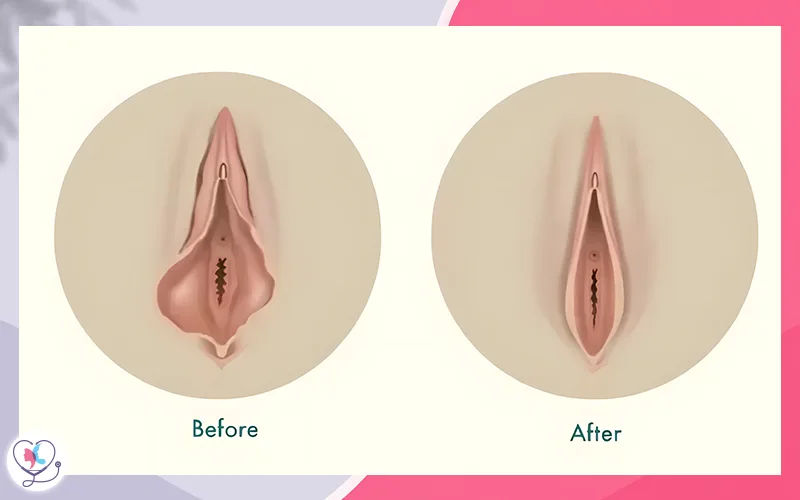
Vaginoplasty vs Vaginal Rejuvenation vs Labiaplasty
Vaginoplasty, labiaplasty, and vaginal rejuvenation are distinct procedures targeting different anatomical areas and functional or cosmetic goals:
Vaginoplasty focuses on the inside. It tightens the vaginal walls and brings the supporting muscles back into line, which is why women often consider it after childbirth or with age. It’s often paired with perineoplasty, and it can help with sensation and muscle tone.
Labiaplasty works on the outside. It reshapes, reduces or evens out the labia, the folds of skin around the vaginal opening. Women choose it to ease friction and discomfort, or simply because they want a different look.
Vaginal rejuvenation is the odd one out. It isn’t a single procedure but an umbrella term. It can mean surgery, such as vaginoplasty and labiaplasty together, or non-surgical options like laser and radiofrequency treatments.
So how do you tell them apart?
It comes down to where the work happens, what it’s meant to fix, and whether the term describes one procedure or several.
Why Does the Vagina Become Loose?
A feeling of vaginal looseness, or so-called vaginal laxity, is usually caused by a decrease in muscle tone or stretching of the pelvic floor muscles rather than the vagina itself.
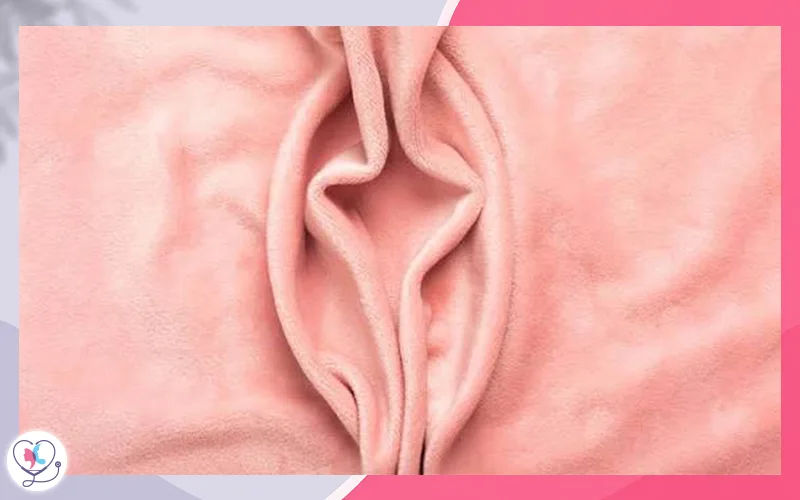
Common Causes of Vaginal Looseness
- Vaginal Childbirth: Labor and delivery stretch the vaginal canal and surrounding pelvic floor muscles, especially after multiple births or large babies. Pregnancy alone, even with a C-section, can strain these supportive tissues.
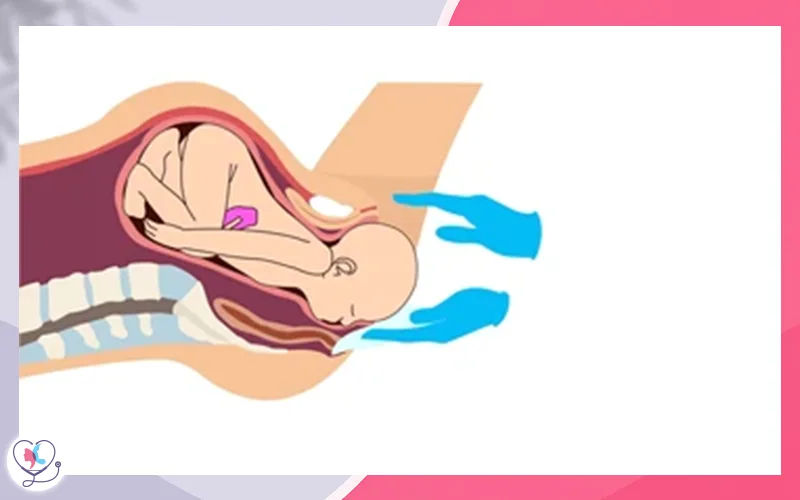
- Aging and Menopause: Collagen production naturally slows with age. During menopause, falling estrogen levels make vaginal tissues and muscles thinner, drier and less elastic, which gradually reduces firmness and support over the years.

- Pelvic Floor Weakness: Ongoing pressure on the pelvic floor muscles can weaken them and lower vaginal tone. Common causes include chronic coughing, constipation with straining, heavy lifting, and excess body weight or obesity.
- Prior Pelvic Surgeries or Trauma: Previous pelvic surgery or physical injury can disrupt the structures that hold everything in place, affecting support and tissue tone in the vaginal region.
- Genetic Factors: Some women inherit connective tissue disorders or naturally produce less collagen, so their tissues are less firm to begin with and may loosen more easily over time.
Did you know? Frequent sex or multiple partners don’t cause vaginal loosening. The vaginal canal is elastic, stretching during arousal and intercourse, then naturally returning to its usual shape afterward.
When Should You Get Medical Attention?
When the pelvic floor weakens, the bladder or rectum can bulge into the vaginal wall. This may cause urine leaks, bowel control problems, pelvic pain or less satisfying intimacy. Repairing those supporting muscles can ease these symptoms, so a specialist assessment matters first.
Who Is a Good Candidate for Vaginoplasty?
Vaginoplasty suits women who feel a noticeable change in vaginal tone and are in good general health. Most candidates share these points:
- Good overall health: You should ideally be generally healthy, with no uncontrolled medical conditions that could slow wound healing.
- Non-smoker: You don’t smoke, or you’re willing to quit for a set period before and after surgery.
- Realistic expectations: You clearly understand the procedure, its risks and the downtime, so you know exactly what surgery can and cannot achieve.
- Vaginal laxity from childbirth or aging: You have loose muscles, stretched tissues, or reduced friction and sensation during intercourse after vaginal delivery or natural aging.
- Completed childbearing: Ideally, you’ve finished having children, because future vaginal births can stretch the tissues again and may reverse the tightening results.
- Birth-related tissue changes: Scar tissue or tears from a difficult delivery cause discomfort or pain, and your surgeon thinks surgery can help.
- Pelvic floor or urinary concerns: You have mild to moderate symptoms, though severe prolapse or incontinence often needs targeted pelvic floor treatment before surgery.
When Should You Wait or Choose Another Option?
If you plan to have future children, or have unmanaged health concerns, then you should probably wait to get vaginoplasty:
- Future pregnancies: Later deliveries re-stretch the tissues and can reverse the tightening, so wait until you’ve fully finished having children.
- Lack of mental readiness: Doubts or unrealistic expectations about recovery and results are reasons to delay until you feel confident.
- Health or weight limits: Uncontrolled conditions, smoking, or a BMI over 34 mean postponing until it’s safe.
Is There an Age Limit?
Yes, there is a minimum age but no maximum. Most clinics require patients to be at least 18, so they can give legal, informed consent to this surgery.
There’s no upper age limit. Candidacy depends on your overall health, heart condition, safety under anesthesia and tissue quality, not the number of years. Older and post-menopausal women may need a thorough evaluation beforehand, and possibly localized estrogen therapy.
Benefits of Vaginoplasty
Vaginoplasty provides distinct functional, cosmetic, and psychological benefits for you:
- Restored muscle tone: Surgery tightens the pelvic floor muscles and vaginal walls that childbirth or aging has stretched or weakened, bringing back firmness and support to the area.
- Better sexual satisfaction: A firmer canal increases friction and sensation during intercourse, which many women and their partners notice and enjoy after they have fully healed.
- Less pain: The surgeon can remove painful scar tissue or repair tears left by a difficult delivery, easing discomfort during daily life and intimacy.
- More self-confidence: Feeling comfortable with how the area looks and feels helps many women relax, feel at ease in their bodies, and enjoy intimacy without self-consciousness.
Is Turkey Vaginoplasty Safe? Risks and Complications
- Infection: Keep the area clean and follow your surgeon’s care instructions.
- Bleeding or hematoma: Some bleeding is normal, but heavy or worsening bleeding needs urgent attention.
- Pain during sex: Too much tightening or scarring can cause discomfort, which is why choosing an experienced surgeon matters.
- Changes in sensation: Numbness is usually temporary and fades within weeks or months, though it rarely lasts longer.
- Unsatisfying results: Rarely, the outcome falls short of expectations and needs a revision.
Preparing for Vaginoplasty Surgery
Good preparation makes surgery and recovery smoother, and it usually starts two to four weeks before your date. Your surgeon will review your goals and medical history, go over any medications or supplements you take, and carry out a physical exam and any lab tests.
They’ll also explain what to expect, so you walk in feeling calm and informed. A few simple habits beforehand help your body heal well:
- Stop smoking and avoid alcohol, since both can slow healing.

- Stop aspirin, blood thinners and supplements about a week before surgery, but only as your surgeon instructs.

- Don’t eat or drink anything for 12 hours before the operation, or follow the fasting time your clinic gives you.

- Arrange for someone to take you home, and plan at least a week off work to rest.
Vaginoplasty Step-By-Step
Vaginoplasty in Turkey follows a clear, planned sequence. Here’s what your surgeon does at each step, so nothing feels unfamiliar to you.
Step 1: Sedation & Incision
Once you’re asleep or comfortably sedated, the surgeon starts by making a small incision on the back wall of the vaginal canal, the side closest to the rectum.
Because everything happens inside, there are no cuts on the outside of your body and no visible marks afterward. The surgeon has already planned where to cut, based on your examination and your goals at the consultation.
Step 2: Removing the Excess Vaginal Lining
Next, the surgeon removes the loose, stretched lining from the back wall of the vaginal canal. This is usually a small, triangular or strip-shaped section of tissue, and taking it out is what makes the canal narrower and firmer.
If your anatomy requires it, a little extra lining may also be removed from the front wall, the side next to the bladder. The surgeon removes only what is needed, never more.
Step 3: Tightening the Pelvic Floor Muscles
This is the most important step. With the lining out of the way, the surgeon gently pulls the stretched pelvic floor muscles back toward the center and stitches them together.
These muscles support the vaginal walls and the organs around them, and childbirth or aging often leaves them wide apart. Bringing them close again restores the structure underneath, which is what gives lasting tightness and better tone, not just a smaller surface.
The surgeon adjusts the amount of tightening carefully, so the result feels comfortable and natural for you, not too tight.
Step 4: Closing With Dissolvable Stitches
Once the muscles are secure, the surgeon trims any remaining loose lining and closes the incision from the inside, using dissolvable stitches. These stitches break down on their own as you heal, so you don’t need a return visit to have them removed.
That’s especially helpful if you’re traveling and heading home soon after surgery. The closure is done neatly, so the tissue heals smoothly, and no scars are visible from the outside. The surgeon then checks that the result is even and that there is no bleeding before moving on to the final step.
Step 5: Tightening the Vaginal Opening (Perineoplasty)
Many surgeons finish with a perineoplasty, which narrows the entrance of the vagina and strengthens the small muscles in the area between the vagina and anus.
This step helps the whole result look and feel balanced, because it tightens the opening as well as the canal inside. It uses the same dissolvable stitches, so there’s nothing to remove later.
Note that not every woman needs it, and your surgeon will explain at your consultation whether it suits you. If it does, it’s usually done in the same operation, so it adds only a little to your surgery and recovery time.
How Long Does Vaginoplasty Take?
Vaginoplasty usually takes one to two hours. The exact time depends on how much tightening you need and whether perineoplasty or labiaplasty is added, which can make the operation longer.
Which Anesthesia Is Used?
Most clinics use general anesthesia or regional anesthesia, so you feel nothing during surgery. Your anesthesiologist reviews your health history beforehand, answers questions and recommends the safest option for you.
Outpatient or One Night in Hospital?
Vaginoplasty is often outpatient, so you rest at the clinic for a few hours, then head to your hotel. Some hospitals prefer one night of observation, especially with combined procedures.
Recovery and Aftercare
Healing happens in stages. Here’s what to expect, when you can return to normal life, and what needs a call.
Healing Timeline
Timeline | What to expect | What to do |
24 to 72 hours | Soreness, swelling, pelvic discomfort | Rest, take prescribed pain medication, walk gently |
3 - 7 days | Light social activity possible | Avoid strain, use a ring pillow, stay near your clinic |
1 - 2 weeks | Swelling and bruising fade, mild numbness | Skip heavy lifting and long sitting |
3 - 4 weeks | Discomfort mostly gone, stitches dissolving | Keep the area clean and dry, attend follow-ups |
6 - 8 weeks | Tissue mostly healed | Resume sex, swimming and gym once your surgeon clears you |
3 months and beyond | Final result settles | Continue gentle care and routine check-up |
When You Can Have Sex, Exercise and Swim Again?
Most women can walk lightly within days, but sex, swimming and gym workouts usually wait six to eight weeks. Your surgeon must confirm healing before you resume any of them.

Warning Signs to Report
- Heavy or worsening bleeding that doesn’t settle with rest.
- Fever above 38°C (100.4°F), shivering or chills.
- Foul-smelling discharge, or redness, swelling and heat around the area.
- Severe pain even with prescribed meds.
- Difficulty passing urine, or being unable to empty your bladder.
Surgery vs Laser and Other Non-Surgical Vaginoplasty Options
Surgery isn’t your only option. Actually, you can use laser-tightening therapy for mild to moderate loose vagina:
Laser Tightening
Laser tightening is a non-surgical option. A small probe gently sends controlled heat into the vaginal tissue, stimulating collagen to firm mild looseness without cuts, stitches or a long recovery.
Results are subtler than surgery. Most women need several sessions, and the effect usually fades within a year.
Kegel Exercises and Physical Therapy
Kegel exercises strengthen the pelvic floor, and you can do it by squeezing the muscles you’d use to stop urine, holding for ten seconds, then relaxing. Repeat fifteen times daily. A physical therapist can guide you.
Tightening Sticks and Pills: Do They Work?
Skip tightening sticks, wands and pills. Sticks have no proven effect and have caused chemical burns, and no pill is safe or effective. Surgery is the only proven and effective option so far.
Book Your Free Vaginoplasty Consultation in Turkey
Vaginoplasty in Turkey can be a safe and affordable choice when you pick an experienced surgeon and an accredited hospital.
Ready to take the next step? Turkey Luxury Clinics will answer your questions for vaginoplasty in Turkey, explain every cost in writing, and match you with an experienced specialist. Book your private free consultation and feel confident from your first message to your flight home.
Copyright © Turkey Luxury Clinics