

- Wharton's Jelly at a Glance
- What Is Wharton's Jelly and What Is Its Function?
- Wharton's Jelly in Newborn Babies
- What Are Wharton's Jelly Stem Cells?
- Wharton's Jelly Uses in Regenerative Medicine
- Wharton's Jelly Treatment: Tissue Products vs Stem Cell Therapy
- Wharton's Jelly Injections: Benefits, Limitations and Evidence
- Wharton's Jelly Side Effects and Safety Risks
- Wharton's Jelly Exosomes: What Is the Difference?
- Wharton's Jelly Injection Reviews: What Does the Evidence Show?
- Wharton's Jelly Treatment in Turkey
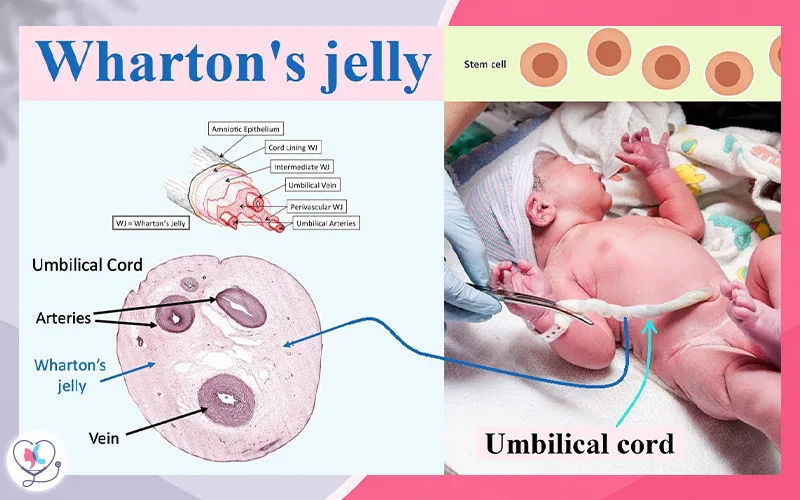
Wharton's jelly is a soft, gel-like connective tissue inside the umbilical cord. It surrounds and protects the blood vessels that carry blood between the baby and placenta. It also contains mesenchymal stromal cells (MSCs), which researchers are studying for their potential role in tissue repair.
These findings have sparked interest in regenerative medicine. However, Wharton's jelly injections, laboratory-grown stem cells and exosomes are different products. Their safety and effectiveness cannot be assumed to be the same.
Wharton's Jelly at a Glance
Feature | Key facts |
What it is | Gel-like connective tissue within the umbilical cord |
Main function | Protects the umbilical cord's blood vessels |
Main components | Hyaluronic acid, collagen, proteoglycans and stromal cells |
Stem cell source | Wharton's jelly-derived mesenchymal stromal cells (WJ-MSCs) |
Collection | Donated umbilical cord tissue after childbirth |
Research areas | Joint disorders, tissue repair, wound healing and immune regulation |
Commercial injections | May contain processed tissue rather than living stem cells |
FDA approval | No FDA-approved Wharton's jelly treatment for arthritis or neurological disorders |
Main limitation | Laboratory findings do not prove clinical effectiveness |
Wharton's jelly has a clear biological function. Its proposed therapeutic uses are still being investigated.
What Is Wharton's Jelly and What Is Its Function?
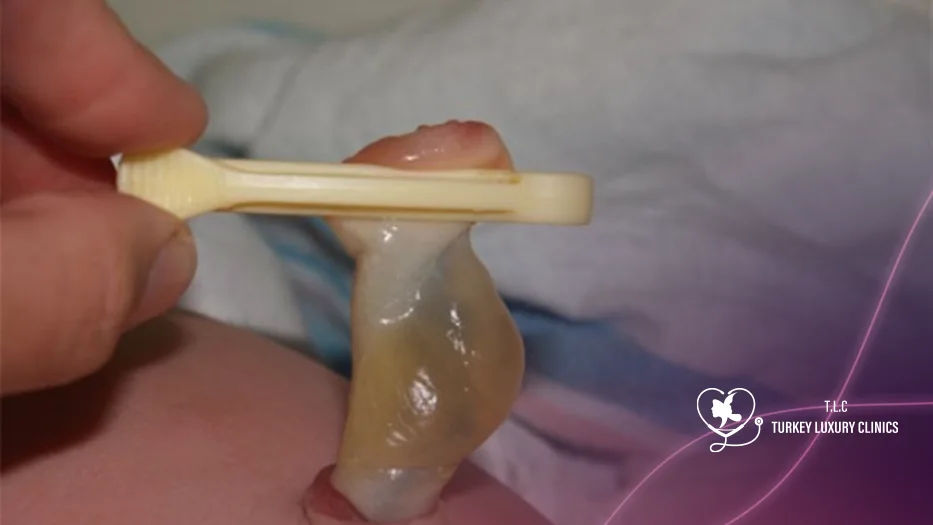
Wharton's jelly is a specialised connective tissue that cushions the two arteries and one vein inside the umbilical cord. Its flexible structure helps protect these vessels from compression and twisting during pregnancy.
The tissue takes its name from Thomas Wharton, who described the umbilical cord's anatomy in the seventeenth century.
What Is Wharton's Jelly Made Of?
Wharton's jelly contains a water-rich extracellular matrix, the network of materials surrounding its cells.
Its main components are:
- Hyaluronic acid: Retains water and helps maintain the tissue's gel-like consistency.
- Collagen: Provides strength and structural support.
- Proteoglycans and chondroitin sulphate: Help organise the matrix and retain moisture.
- Fibronectin: Supports cell attachment and tissue organisation.
- Stromal cells: Contribute to maintaining the tissue and its biological activity.
These components explain why Wharton's jelly is useful as a natural cushioning material.
Researchers are also studying its extracellular matrix as a possible scaffold for tissue engineering.
Wharton's Jelly in Newborn Babies
Wharton's jelly supports the umbilical cord's structure throughout pregnancy. Its water-rich matrix allows the cord to bend while helping protect the vessels supplying the developing baby.
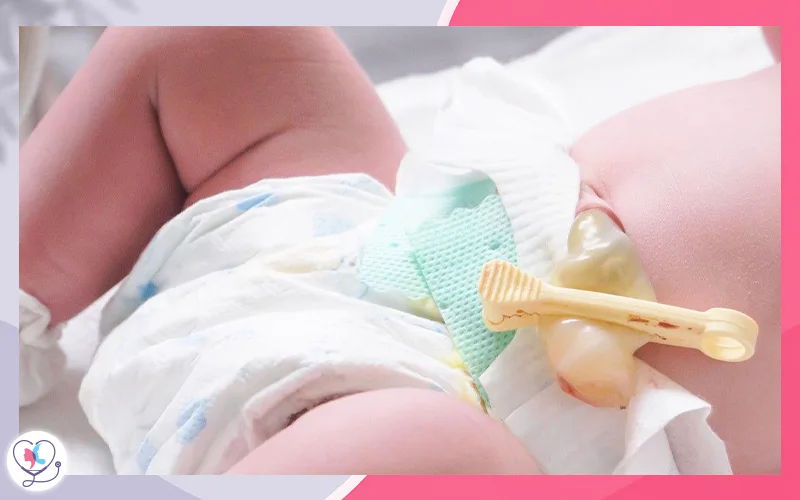
After birth, the cord is clamped and cut. With appropriate consent, donated umbilical cord tissue may then be collected for research or laboratory cell processing.
This natural role is separate from the proposed medical uses of Wharton's jelly-derived products. Benefits observed during foetal development do not establish the effectiveness of injections in adults.
What Are Wharton's Jelly Stem Cells?
Wharton's jelly stem cells are mesenchymal stromal cells isolated from umbilical cord tissue. They can grow under controlled laboratory conditions and display properties of several connective tissue cell types.
These cells are known as WJ-MSCs. They are not embryonic stem cells; they are multipotent mesenchymal stromal cells with more limited developmental potential.
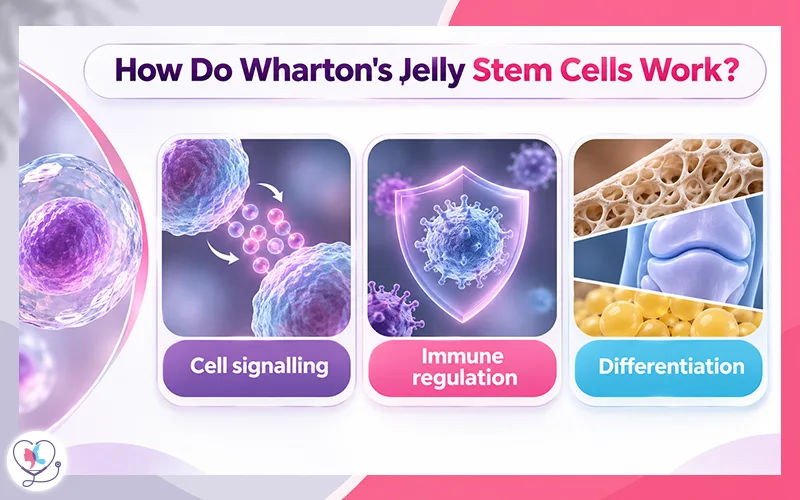
How Do Wharton's Jelly Stem Cells Work?
Researchers are investigating three main properties of WJ-MSCs.
- Cell signalling: They release molecules that can influence surrounding cells.
- Immune regulation: They may affect certain inflammatory and immune pathways.
- Differentiation: Under specific laboratory conditions, they can develop characteristics associated with bone, cartilage and fat cells.
These properties make WJ-MSCs interesting for regenerative medicine.
However, laboratory behaviour does not establish that injected cells will produce the same effects inside a human body.
Wharton's Jelly Stem Cells vs Bone Marrow Stem Cells
Both sources provide mesenchymal stromal cells, but their collection and processing differ.
Feature | Wharton's jelly-derived MSCs | Bone marrow-derived MSCs |
Source | Donated umbilical cord tissue | Bone marrow |
Collection | After childbirth | Bone marrow collection procedure |
Donor tissue | Perinatal | Usually from an older donor |
Laboratory growth | Often shows strong proliferation potential | Varies with donor and laboratory conditions |
Immune-related properties | Under investigation | Also under investigation |
Clinical superiority | Not established across conditions | Not established across conditions |
A younger cell source does not automatically mean a better treatment.
The specific preparation, dose and medical condition all influence whether a therapy can be evaluated reliably.
Wharton's Jelly Uses in Regenerative Medicine
Wharton's jelly is being studied for tissue engineering, cartilage disorders, immune regulation and wound repair. Its medical potential comes from both the extracellular matrix and its stromal cells.
The research is promising, but most proposed treatments remain experimental.
Research area | What scientists are investigating | Evidence limitation |
Knee osteoarthritis | Pain and joint function following MSC treatment | Small and varied clinical studies |
Cartilage repair | Cell signalling and cartilage-related changes | Reliable regeneration remains unproven |
Wound healing | Tissue repair and biological scaffolds | Clinical benefits depend on the preparation |
Neurological injuries | Inflammation and recovery pathways | Insufficient evidence for routine treatment |
Immune disorders | Effects on immune activity | Disease-specific trials are needed |
Tissue engineering | Support materials for cell growth | Largely experimental applications |
The important distinction is between a biological property observed in research and an established benefit for patients.
Wharton's Jelly for Knee Osteoarthritis
Early studies of umbilical cord/Wharton's jelly-derived MSC preparations have reported improvements in some measures of knee pain and function.
A 2025 systematic review examined six studies involving 97 patients and 134 knees. Some participants experienced improvements in pain and functional measures.
The studies followed patients for periods ranging from three to 48 months. They reported no serious adverse events within the included groups.
However, the trials were small. Cell preparation, treatment schedules and outcome measures also differed. Imaging results were mixed.
Therefore, these findings do not prove that WJ-MSCs reliably regenerate cartilage or reverse arthritis.
They also cannot be applied automatically to every commercial Wharton's jelly injection.
Other Areas of Wharton's Jelly Stem Cell Therapy
Wharton's jelly-derived stem cells are being studied for inflammatory diseases, tissue injuries and certain neurological disorders. However, their effectiveness for these conditions has not been established.
Researchers are exploring whether cell signalling and immune regulation can improve patient outcomes. Yet early findings do not support routine WJ-MSC treatment for stroke, spinal cord injury, chronic pain or autoimmune diseases.
Established medical treatments should not be replaced by experimental therapies without a sound clinical reason.
Wharton's Jelly Treatment: Tissue Products vs Stem Cell Therapy
A Wharton's jelly treatment may use processed connective tissue or specifically prepared living cells. The two preparations have different biological characteristics.
This is one of the most important distinctions in regenerative medicine.
Product | What it contains | What the evidence can support |
Native Wharton's jelly | Extracellular matrix and resident cells | Its natural biological properties |
Processed tissue matrix | Mainly structural matrix components | Product-specific structural or research applications |
Isolated WJ-MSCs | Living cells prepared under laboratory controls | Findings from trials using comparable cells |
MSC-derived extracellular vesicles | Cell-released particles without living cells | Experimental signalling research |
A 2026 study examined six commercially sourced, cryopreserved Wharton's jelly products marketed as minimally manipulated tissue. Cell viability ranged from 0% to 19.1%, with only rare viable MSCs detected.
The findings suggest that some commercial products should be understood primarily as extracellular matrix materials, not therapies delivering meaningful doses of living MSCs.
The study was funded by TAM Global and Cellular Performance Institute. All authors disclosed employment or consulting relationships with these organisations. Its findings therefore require interpretation alongside independent evidence.
Nevertheless, the central lesson is clear: a product's name does not establish its cellular contents or clinical effectiveness.
Wharton's Jelly Injections: Benefits, Limitations and Evidence
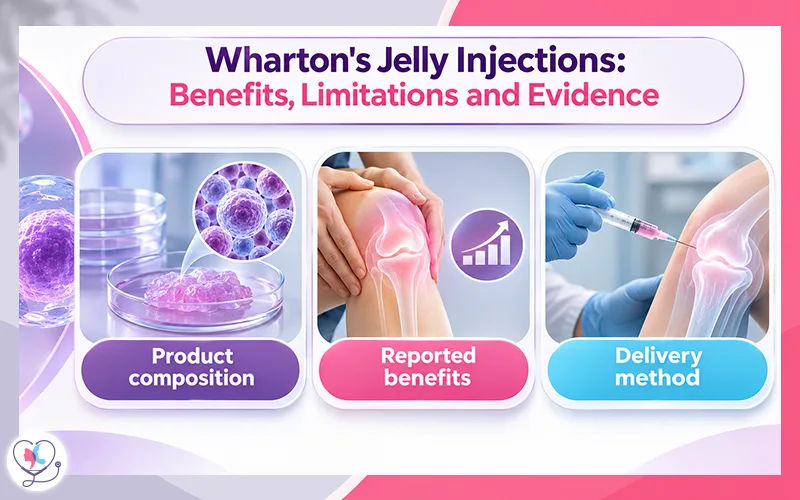
Wharton's jelly injections are marketed for joint pain and musculoskeletal conditions, but their effectiveness has not been established as standard treatment. Three differences matter when interpreting the evidence:
- Product composition: Some preparations contain tissue-derived materials, while others use cultured cells prepared for clinical research. A common tissue origin does not make them equivalent treatments.
- Reported benefits: Small studies of specific MSC preparations have reported reduced pain or improved function. These results cannot be assumed for unrelated commercial injections.
- Delivery method: Research may involve injections into a joint, intravenous delivery or other local routes. Each method carries distinct risks.
The exact product and method matter more than the general label on an injection.
Is Wharton's Jelly Injection FDA-Approved?
No Wharton's jelly-derived product is FDA-approved to treat arthritis, joint pain or neurological conditions in the United States.
The US Food and Drug Administration warns that unapproved regenerative products may be marketed for conditions without adequate evidence of safety or effectiveness.
This position concerns US regulation. Other countries have different legal frameworks.
However, treatment availability abroad does not establish that a specific product is approved or clinically effective.
Clinical-trial participation is also different from receiving a routinely authorised commercial treatment.
Wharton's Jelly Side Effects and Safety Risks
Wharton's jelly injections may cause local reactions, infections or other complications. The risks depend on the product's composition, preparation and route of administration.
There is no reliable single complication rate for every product sold under this name.
Possible risk | What it means |
Pain or swelling | A local reaction may follow an injection |
Infection | Contamination or infection during treatment can cause serious illness |
Inflammation | The body may react to introduced biological material |
Immune response | Donor-derived products are not automatically free from immune reactions |
Uncertain composition | Some products may contain very few viable cells |
Unknown long-term effects | Follow-up evidence may be limited for experimental treatments |
The FDA has warned about serious adverse events associated with some unapproved regenerative products.
When to Seek Medical Care After a Wharton's Jelly Injection
Symptoms following an injection require different levels of care:
- Prompt medical review: Increasing pain, significant swelling, fever, spreading redness or discharge.
- Emergency care: Sudden breathing difficulty, collapse or signs of a severe allergic reaction.
An uncomplicated procedure does not establish that a product is effective. Clinical benefit and safety require separate evaluation.
Wharton's Jelly Exosomes: What Is the Difference?
Wharton's jelly exosomes are not stem cells. Exosomes are a type of small extracellular vesicle released by cells.
They carry biological molecules that may influence communication between cells.
Researchers are studying whether vesicles released by MSCs can affect inflammatory pathways and tissue repair.
However, exosome products differ from both whole Wharton's jelly tissue and living WJ-MSC preparations.
They may require different processing, quality testing and regulatory approval.
The FDA states that no exosome products are currently FDA-approved.
Terms such as cell-free or natural do not mean a product is automatically safe or proven effective.
Wharton's Jelly Injection Reviews: What Does the Evidence Show?
Wharton's jelly injection reviews cannot prove that a treatment works. Testimonials can provide context, but reliable clinical studies are needed to assess safety and effectiveness.
To interpret personal accounts, consider these points:
- Reported outcomes: Personal accounts cannot show whether an injection caused a change in pain or movement. Rehabilitation, other care and natural changes in symptoms may also play a role.
- Clinical evidence: A 2025 review of six studies involving 97 patients reported improvements in some measures of knee pain and function. The small studies used different treatment methods, so the results remain uncertain.
- Product differences: Reviews of living mesenchymal stromal cell (MSC) treatments do not necessarily apply to injections made from processed Wharton's jelly tissue. Their contents and potential effects may differ.
Reliable conclusions require details of the exact preparation, patient outcomes, adverse events and follow-up period.
Wharton's Jelly Treatment in Turkey
Wharton's jelly-related therapies are still being studied in regenerative medicine. The exact product, clinical evidence and regulatory status must be clear before treatment is considered.
For patients considering treatment in Turkey, these details matter:
- Availability and evidence: Turkey has healthcare providers and research involving cell-based therapies. However, this does not mean that every Wharton's jelly injection is authorised or proven effective.
- Turkey Luxury Clinics services: Turkey Luxury Clinics provides information about stem cell therapy. This does not confirm that a specific Wharton's jelly injection, cultured WJ-MSC preparation or exosome product is available through the clinic.
- Assessment and follow-up: A medical assessment should distinguish established treatments from experimental procedures. International patients also need a clear follow-up plan after returning home.
For information about available care options, contact Turkey Luxury Clinics. An individual assessment can help clarify which established treatments may be suitable and whether any proposed regenerative intervention has adequate clinical evidence and regulatory authorisation.