

- What Are Zirconia Implants?
- Who Are the Best Candidates for Zirconia Implants?
- Why Choose Zirconia Dental Implants?
- Zirconia Implant vs. Titanium Implants
- Disadvantages of Zirconia Implant
- Types of Zirconia Dental Implants
- Zirconia Implants Side Effects and Complications
- How Much Does the Zirconia Implant Cost?
- Best Zirconia Dental Implant Brands
- Get the Best Zirconia Implants at Turkey Luxury Clinics
- FAQs About Zirconia Dental Implants
Zirconia dental implants are high-strength, bio-inert ceramic, tooth-colored alternatives to titanium, offering superior aesthetics, excellent biocompatibility, and reduced plaque accumulation.
Known as ceramic dental implants, Zirconia implants combine durability, biocompatibility, and natural aesthetics, making them one of the fastest-growing alternatives to titanium implants.
Many patients choose zirconia implants for medical reasons, such as a titanium allergy, while others prefer their natural, tooth-colored look that blends seamlessly with surrounding teeth.
Globally, the demand for zirconia implants is rising as more people seek a metal-free and highly biocompatible solution for tooth replacement.
At Turkey Luxury Clinics, we guide you through the unique benefits of zirconia implants, explain their cost in Turkey compared to other countries, and provide a personalized treatment plan with a detailed price quote tailored to your needs.
What Are Zirconia Implants?
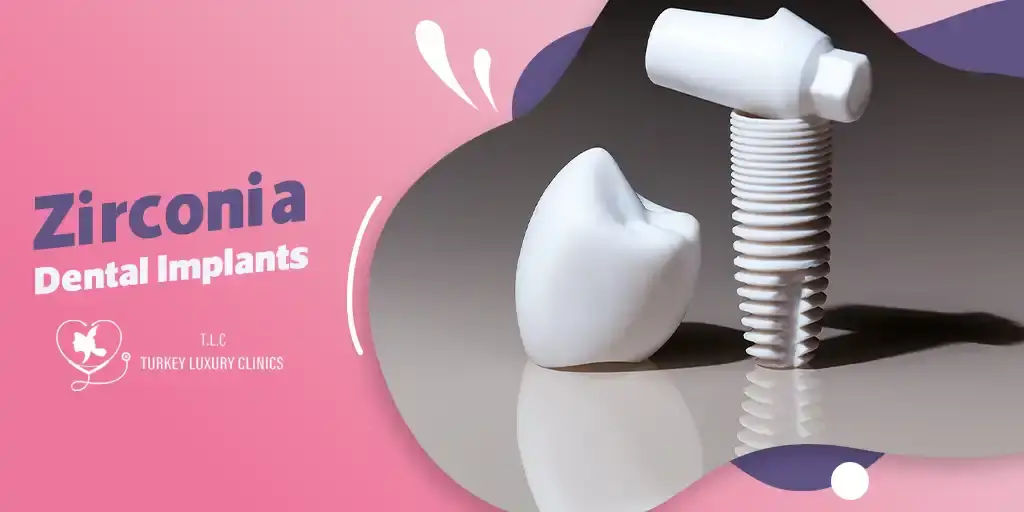
Zirconia implants are dental implants made from zirconium dioxide, a strong, white ceramic material. They offer a metal-free, tooth-colored alternative to traditional titanium implants and are designed to replace single or multiple missing teeth. As a newer generation of implants, zirconia implants focus on aesthetics, biocompatibility, and seamless integration with the jawbone.
For patients seeking a tailored solution, a custom-made dental implant zirconia can be created using 3D implant technology. The patient’s jaw is captured with digital scans, the implant is designed with CAD/CAM software, and then manufactured for a precise, personalized fit.
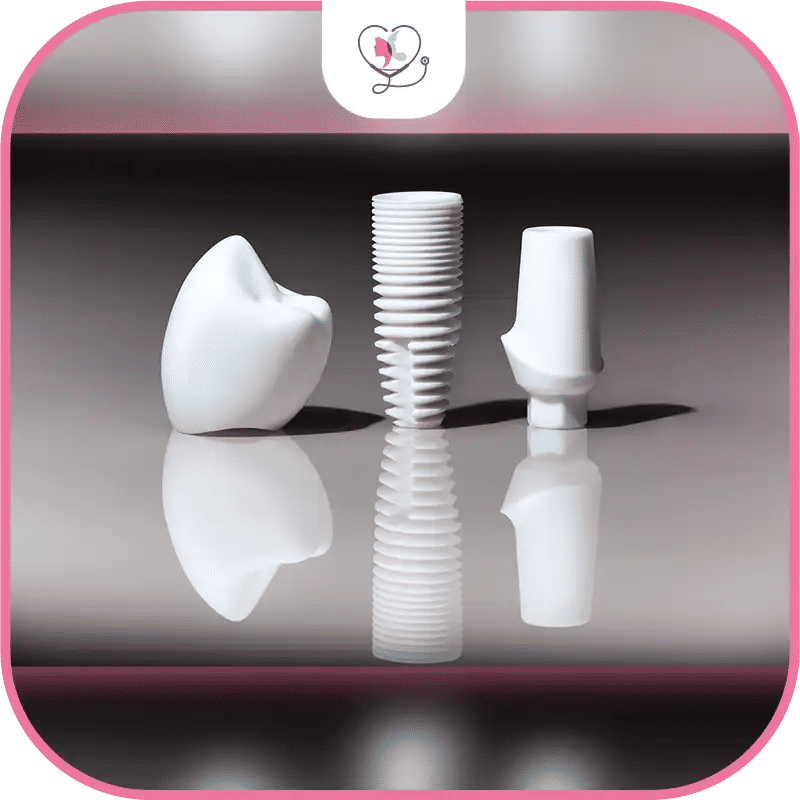
Components of zirconium implants:
- Zirconia Implant: The implant post is made from high-strength, tooth-colored zirconia ceramic, offering a metal-free, biocompatible alternative to titanium.
- Dental Implant Zirconia Abutment: Connects the implant post to the crown. Zirconia abutments provide excellent compatibility with soft tissues and enhance long-term stability.
- Dental Implant Zirconia Crown: While porcelain crowns have more natural-looking translucency, zirconia crowns provide greater strength, durability, and resistance to chipping, so porcelain crowns are ideal for front teeth, while zirconia is ideal for posterior teeth and patients who grind their teeth.
- Zirconia dental implant bridge: Used for replacing multiple missing teeth, providing strength and seamless integration.
Who Are the Best Candidates for Zirconia Implants?
1. Zirconia (ceramic) implants are suitable for anyone with missing teeth who wants a strong and reliable single or full mouth zirconia implant replacement
2. They work for all types of dental implants, including both single-tooth restorations and full-mouth solutions such as All-on-4, All-on-6, or All-on-8 treatments.
3. Metal free implants are especially recommended for people with allergies or sensitivities to metals, as zirconia is completely metal-free.
4. Zirconia implants are also durable enough for those who grind or clench their teeth,
5. Ceramic implants offer a natural, tooth-colored appearance that makes them perfect for front teeth or for patients with thin or receding gums.
Read more about best candidate for dental implants
This natural-looking zirconia is the favorite of people looking for a natural smile, thanks to its excellent compatibility with the body and lack of sensitivity.
Why Choose Zirconia Dental Implants?
Patients often choose zirconia dental implants for medical reasons, such as titanium allergies, or for aesthetic purposes, as zirconia blends naturally with surrounding teeth. Advanced zirconia implants combine high-strength, biocompatible ceramic material with a tooth-colored, metal-free design, promoting healthy gums, resisting plaque buildup, and providing durable, long-lasting results. Most zirconia implants currently come as single-piece designs, ideal for areas with sufficient bone and lower stress. Ongoing research continues to enhance their long-term performance through advanced material formulations and surface treatments.
Key Benefits of Zirconia Implants:
- Metal-free and Biocompatible: Safe for patients with metal sensitivities and unlikely to cause allergic reactions.
- Corrosion-Resistant: Bioinert material that maintains stability over time.
- High Strength and Durability: Engineered to withstand normal chewing and biting forces.
- Natural Aesthetics: Tooth-colored ceramic blends seamlessly with surrounding teeth.
- Seamless Bone Integration: Promotes stability and long-term success in the jawbone.
- Reduced Plaque Buildup: Smooth surface discourages bacterial accumulation, supporting gum health.
- No Metallic Taste: Provides a more comfortable oral experience.
Zirconia Implant vs. Titanium Implants
Titanium implants have long been the standard in dentistry due to their durability and proven track record, while zirconia implants offer a metal-free, tooth-colored alternative that appeals to patients seeking a more natural look.
1.Durability and Strength: Titanium is stronger and more flexible, making it ideal for complex restorations, while zirconia is strong but slightly more brittle.
2. Aesthetics and Appearance: Zirconia has a natural tooth-colored look, making it perfect for front teeth, whereas titanium may show through thin or receding gums.
3. Allergies and Biocompatibility: Zirconia is safe for patients with metal sensitivities, while titanium is highly biocompatible but contains metal.
4. Flexibility and Cost: Titanium is easier to adjust after placement and is generally more affordable, whereas zirconia is more expensive and less adjustable.
5. Gum Health: Zirconia reduces plaque buildup and can support better gum health in some cases.
The choice between zirconia and titanium depends on several factors, including aesthetic needs, metal sensitivities, cost considerations, and the desire for maximum durability, which often favors titanium.
Disadvantages of Zirconia Implant
1. Brittle and Prone to Fracture
Zirconia dental implants are strong but more brittle than titanium. Under heavy or uneven bite forces—especially in molar areas, they may have a higher risk of fracture.
2. Higher Cost Compared to Titanium
Zirconia implants are generally more expensive than titanium implants due to advanced manufacturing techniques and material costs.
3. Limited Long-Term Clinical Data
While titanium implants have over 50 years of documented success, zirconia dental implants currently have more limited long-term (15+ years) research.
4. Difficult to Modify During Placement
The hardness of zirconia makes surgical adjustments more challenging compared to titanium implants.
5. One-Piece Design Limitations
Many zirconia implants come as one-piece systems, reducing flexibility in angulation and positioning for complex cases.
6. Risk of Aseptic Loosening in Two-Piece Systems
Some studies suggest a potential risk of loosening in two-piece zirconia implant systems, though research is still evolving.
7. Possible Material Aging or Degradation
Zirconia may undergo structural changes over time in certain conditions, which could affect long-term strength.
8. Less Versatile in Low Bone Density Cases
Zirconia implants may not be the ideal option for patients with low bone density or complex multi-unit restorations.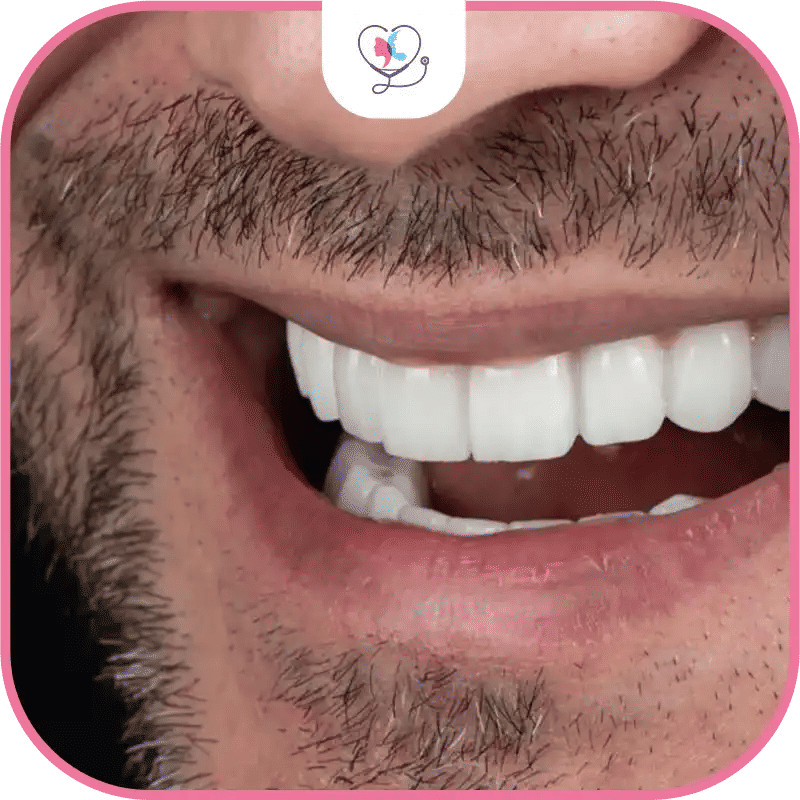
Types of Zirconia Dental Implants
Zirconia dental implants are metal-free, biocompatible tooth replacements available in one-piece, two-piece, and three-piece designs. Each type differs in structure, flexibility, and best use case, helping dentists choose the ideal solution for surgical and restorative needs.
1. One‑Piece Zirconia Implants (Monobloc)
One-piece zirconia implants combine the implant body and abutment into a single solid ceramic unit. They are high-strength, bacteria-resistant, and ideal for immediate or simple cases. Benefits include fast surgical placement, reduced peri-implantitis risk, and superior aesthetics, while angulation flexibility is limited.
2. Two‑Piece Zirconia Implants
Two-piece implants consist of a separate implant body and abutment, offering greater surgical and restorative flexibility. They allow customized angulation, making them suitable for complex or aesthetic cases. These implants maintain strong bone integration and a metal-free, biocompatible structure.
3. Three‑Piece Zirconia Implants
Three-piece implants include a zirconia root, a separate zirconia abutment, and a connecting screw (often carbon fiber or titanium). They are ideal for complex, customized restorations, provide a natural white appearance, reduce plaque accumulation, and enhance gum line aesthetics compared to titanium alternatives.
Comparison Between One-Piece vs Two-Piece vs Three-Piece Zirconia Implants
| Feature | One-Piece Zirconia | Two-Piece Zirconia | Three-Piece Zirconia |
| Structure | Monobloc (implant + abutment) | Implant + Abutment | Implant + Abutment + Screw |
| Flexibility | Limited | High | High |
| Bacterial Risk | Lowest (no micro-gap) | Low (if properly sealed) | Varies (depends on screw type) |
| Best Use Case | Immediate or simple cases | Complex or aesthetic cases | Complex or specific clinical cases |
| Strength | Very high | High | Moderate to high |
Zirconia Implants Side Effects and Complications
Zirconium (zirconia) dental implants are highly biocompatible, metal-free, and generally safe; however, potential side effects may include rare allergic reactions, gum irritation, peri-implantitis (infection), fractures, or implant loosening.
- Infection and Peri-Implantitis: Peri-implantitis is the most common complication associated with zirconium dental implants. It occurs when bacteria cause inflammation or infection in the gum and surrounding bone, potentially leading to implant failure if not treated promptly.
- Implant Loosening or Failure: Although rare with proper surgical placement and successful osseointegration, zirconia implants may fail to bond with the jawbone, resulting in implant mobility or loss.
- Fractures or Material Chipping: Zirconia is highly durable, but excessive bite force or improper loading can lead to cracking or chipping of the implant or restoration.
- Gum Irritation and Inflammation: Temporary swelling, redness, or discomfort around the implant site is common during the healing process and typically resolves as the tissues recover.
- Tooth or Gum Sensitivity: Some patients experience sensitivity in nearby teeth or surrounding gum tissue, especially during the early healing phase.
- Nerve Damage: In rare cases, improper implant positioning may affect nearby nerves, leading to tingling, numbness, or altered sensation in the lips, chin, or tongue.
- Hypersensitivity Reactions: While zirconia implants are significantly less likely to cause allergic reactions compared to metal implants, extremely rare hypersensitivity responses have been reported.
How Much Does the Zirconia Implant Cost?
The cost of a single zirconia dental implant typically ranges from $1,500 to $5,000 and more, depending on the area and country. In the US and UK, costs reach around $7,000 for a single zirconia implant. While in affordable countries such as Turkey and India, the cost of a zirconia dental implant starts at $700 for a single tooth and reaches up to $1,500
The cost of zirconia dental implants in Turkey is more affordable, typically ranging from $800 to $1,200 per implant; this price includes the implant, abutment, and crown, though final costs may vary depending on the clinic, the brand of the implant, and additional services offered in the treatment package.
The total cost of tooth replacement with zirconia implants depends on the number of implants required, with cost of an All-on-4 zirconia implant in Turkey is approximately $3,000 to $7,000 per arch, while an All-on-6 zirconia implant can range from $8,000 to $15,000 per arch.
However, many dental clinics in Turkey offer all-inclusive packages for international patients. These packages often cover not only the implant procedure but also accommodation, airport transfers, and other conveniences—making the overall treatment more cost-effective compared to Western countries.
Zirconia implants are generally more expensive than titanium implants, with titanium implant prices starting from $300 per implant.
Best Zirconia Dental Implant Brands
Some of the leading zirconia dental implant brands include Straumann, Zimmer Biomet, and Dentsply Sirona.
Other well-known brands, such as BioHorizons and Nobel Biocare, also offer high-quality zirconia implant solutions.
These companies provide reliable implants, abutments, and crowns that combine strength, durability, and natural aesthetics for long-lasting dental restorations.
Get the Best Zirconia Implants at Turkey Luxury Clinics
Turkey is known for offering zirconia dental implants at international standards, with modern clinics and skilled dentists providing excellent results.
The high success rate of treatments like All-on-4 and All-on-6 zirconia implants attracts many patients seeking full-mouth restoration.
In addition, Turkey’s strong medical tourism sector offers affordable, all-inclusive packages—covering treatment, accommodation, and transfers—making it both cost-effective and convenient for international patients from Europe, the US, and the UK.
Ready to restore your smile with zirconia dental implants in Turkey? Reach out to Turkey Luxury Clinics today to receive expert guidance, a detailed treatment plan, and a free personalized consultation with our leading specialists.
FAQs About Zirconia Dental Implants