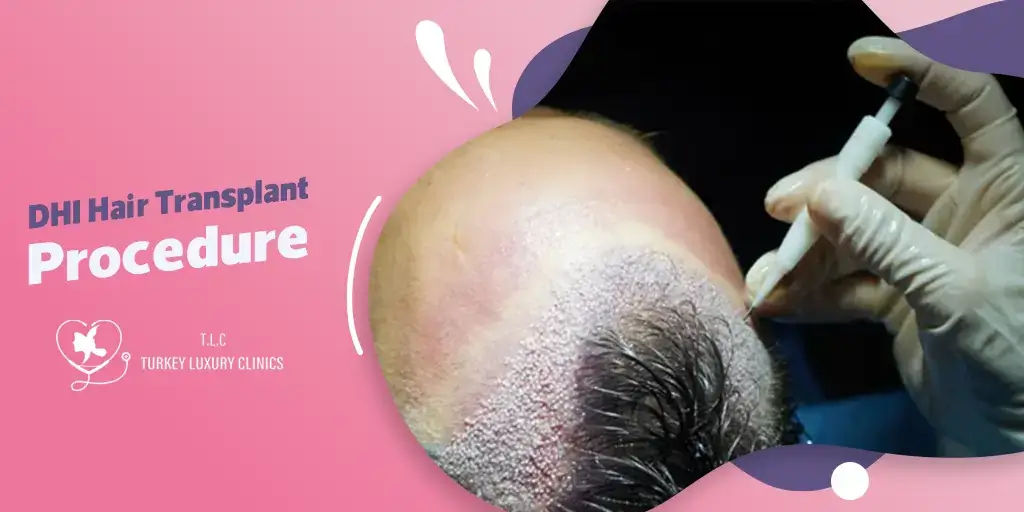


- Что такое трансплантация волос DHI?
- Стоимость трансплантации волос методом DHI в 2026 году
- Факторы, влияющие на стоимость трансплантации волос методом DHI
- Сколько стоит трансплантация волос методом DHI в разных странах? Цены 2026 года
- Кто является лучшим кандидатом для трансплантации волос методом DHI?
- Как работает процедура трансплантации волос методом DHI?
- Чего ожидать после трансплантации волос методом DHI с фотографиями
- Побочные эффекты трансплантации волос методом DHI
- Почему выбирают трансплантацию волос методом DHI в Турции?
- Лучшая трансплантация волос методом DHI в Турции
- Сделайте трансплантацию волос методом DHI с уверенностью в Клинике Turkey Luxury Clinics
- Часто задаваемые вопросы о трансплантации волос методом DHI
Direct Hair Implantation (DHI) — это современная методика трансплантации волос. Она восстанавливает естественный рост волос в областях, затронутых облысением или выпадением волос. DHI особенно подходит для зон, требующих высокой точности и плотности, таких как линия роста волос, виски, макушка и борода.
Процедура использует специализированное перо Choi Implanter. Этот инструмент позволяет хирургам извлекать и имплантировать волосяные фолликулы непосредственно в кожу головы без предварительно сделанных разрезов. Это обеспечивает полный контроль над глубиной, углом и направлением каждого трансплантата.
DHI улучшает приживаемость трансплантатов, сокращает время восстановления и обеспечивает более плотные и естественные результаты в сравнении с традиционными методами трансплантации волос. Хотя это более дорогостоящая процедура, DHI обладает высокой точностью, позволяя разместить каждый фолликул под идеальным углом для естественного внешнего вида.
В Турции ведущие клиники используют передовые методики DHI для обеспечения максимальной эффективности при минимальных побочных эффектах. Лучшие процедуры трансплантации волос DHI в Стамбуле обеспечивают высокое качество специализированной помощи со скидкой 60–80% по сравнению с ценами в США или Великобритании. Пациенты со всего мира из США, Великобритании, Канады и Европы выбирают Турцию для трансплантации волос DHI благодаря сочетанию высокого качества медицинского обслуживания, естественного внешнего вида результатов и доступных цен.
Что такое трансплантация волос DHI?
Direct Hair Implantation (DHI) — это передовой метод трансплантации волос, основанный на технике FUE, при которой волосяные фолликулы извлекаются индивидуально и имплантируются непосредственно в область-реципиент с помощью специализированного инструмента в виде пера, известного как Choi Implanter.
В отличие от традиционного метода FUE, DHI исключает необходимость в предварительно сделанных разрезах, обеспечивая больший контроль над углом, направлением и глубиной каждого трансплантата, что приводит к более естественному внешнему виду и более быстрому восстановлению.
Чем DHI отличается от других методов трансплантации волос?
- Минимально инвазивный метод: Вызывает минимальную травму кожи головы.
- Высокая точность: Позволяет точно разместить каждый фолликул.
- Комфортная процедура: Меньше боли во время и после операции.
- Естественные, плотные результаты: Обеспечивает более густые, естественно выглядящие волосы.
- Не требуется бритье: Область реципиента может оставаться небритой.
- Контроль пера Choi: Точный угол, глубина и направление каждого трансплантата.
- Высокая приживаемость трансплантатов: 90–95% выживаемость фолликулов с минимальной потерей донорского материала.
- Минимальное кровотечение: Сниженная травма и более быстрое заживление.
- Без видимых рубцов: Кожа головы остается нетронутой.
- Быстрое восстановление: Возобновление нормальной деятельности в течение нескольких дней.
Что такое перо Choi Implanter для DHI?
Специализированное перо с тонким полым иглой (обычно менее 1 мм), позволяющее производить прямую имплантацию без предварительно сделанных каналов.
Перо Choi implanter — это специализированное медицинское устройство, используемое во время DHI (Direct Hair Implantation). Оно оснащено тонкой полой иглой на кончике, позволяющей прямо имплантировать волосяные фолликулы в кожу головы.
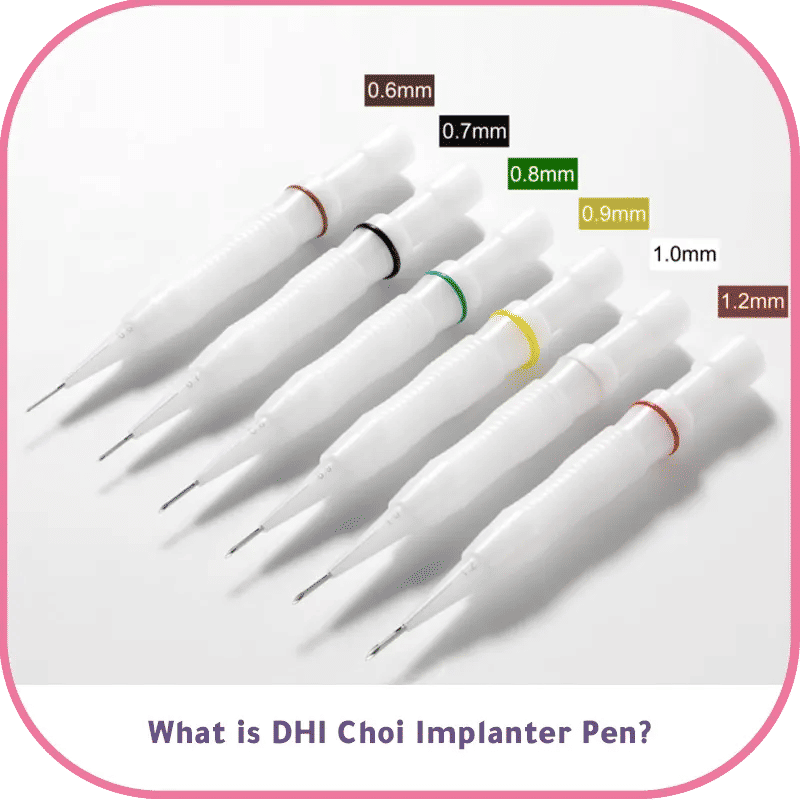
Каждый фолликул тщательно вводится в перо, и одним точным движением хирург создает крошечное отверстие и одновременно вставляет фолликул, что обеспечивает большую точность при проектировании линии роста волос, минимизирует разрезы и поддерживает более быстрое восстановление, особенно в области линии роста волос.
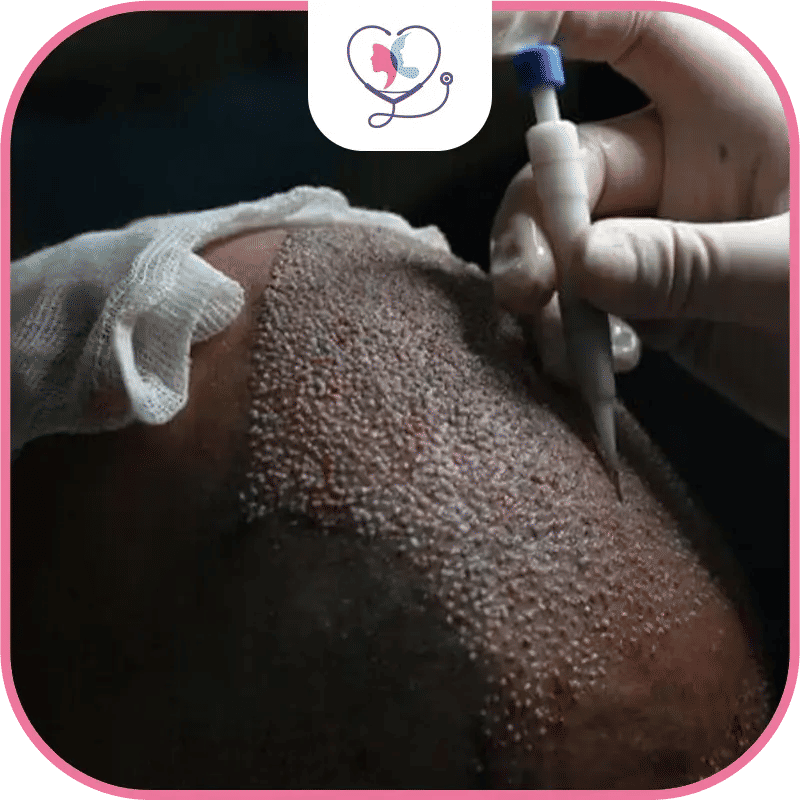
Преимущества и особенности DHI
Трансплантация волос DHI предлагает преимущества по сравнению с другими методами трансплантации волос, такие как более естественный внешний вид благодаря точному размещению трансплантатов, отсутствие необходимости в разрезах или бритье области реципиента, более быстрое восстановление, минимальные рубцы после трансплантации волос, а также более высокие показатели приживаемости трансплантатов, обеспеченные пером Choi implanter.
- Высокоточные и плотные результаты: DHI обеспечивает на 20% более высокую плотность и точный контроль над углом, глубиной и направлением каждого трансплантата, обеспечивая естественно выглядящую линию роста волос.
- Минимальные рубцы и повреждения: Поскольку техника минимально инвазивна и не требует предварительного нарезания каналов в области реципиента, она вызывает меньше травм кожи головы и практически не оставляет рубцов.
- Более быстрое восстановление и меньше боли: Процедура практически безболезненна, с периодом восстановления, часто длящимся всего 7–10 дней.
- Более высокий показатель приживаемости трансплантатов: Волосяные фолликулы имплантируются сразу после извлечения без хранения, что снижает воздействие окружающей среды и повышает их выживаемость.
- Нет обязательного бритья: DHI можно выполнять без бритья области реципиента, что идеально подходит для пациентов, стремящихся к менее заметной процедуре.
- Универсальность: Техника подходит как для мужчин, так и для женщин и может использоваться для трансплантации волос, бороды, усов и бровей.
- Идеально для конкретных случаев: Это считается лучшим вариантом для пациентов с ограниченной донорской зоной или для тех, кто нуждается в точечной коррекции облысения.
DHI против FUE трансплантация волос
Как DHI, так и техники трансплантации волос FUE извлекают фолликулы индивидуально из донорской зоны, но ключевое различие заключается в имплантации.
FUE предполагает предварительное создание каналов, а затем ручное размещение трансплантатов, что делает ее идеальной для эффективного покрытия больших облысевших участков и более экономичной. DHI, с другой стороны, использует перо Choi implanter для прямого размещения каждого фолликула в один этап, обеспечивая больший контроль над углом, глубиной и плотностью, что особенно важно для естественного вида линии роста волос и зон с высокой плотностью.
Ключевые различия между DHI и FUE
- Техника имплантации: DHI использует перо Choi implanter для прямого размещения каждого фолликула в кожу головы в один этап, исключая необходимость в предварительно сделанных каналах. FUE, напротив, требует, чтобы хирург сначала создал каналы, а затем вручную вставил каждый трансплантат.
- Плотность и точность: DHI позволяет добиться на 20% более высокой плотности волос и точного контроля над углом и направлением роста, что делает это идеальным решением для линии роста волос и деликатных зон. FUE немного менее точный, но эффективно работает для покрытия больших облысевших участков.
- Требования к бритью: DHI часто требует частичного или полного отсутствия бритья, что удобно для локализованных или деликатных процедур. FUE обычно требует полного бритья головы для подготовки области реципиента.
- Восстановление и приживаемость трансплантатов: Поскольку фолликулы имплантируются немедленно с минимальным обращением, DHI предлагает более быстрое восстановление — обычно 3–5 дней — и более высокую приживаемость. FUE обычно требует примерно 7 дней для заживления и может иметь немного более низкие показатели выживаемости.
- Стоимость и время процедуры: DHI имеет тенденцию быть более дорогостоящей и трудоемкой из-за специализированных инструментов и точной техники. FUE более экономична и быстрее, особенно для крупных сеансов с 4000+ трансплантатами.
Эта таблица сравнивает техники трансплантации волос DHI и FUE, выделяя различия в процессе, оптимальном использовании, преимуществах, недостатках, восстановлении и плотности волос.
Характеристика | Техника DHI (Direct Hair Implantation) | Техника FUE (Follicular Unit Extraction) |
Инструмент имплантации | Перо Choi Implanter | Пинцет/игла (после разрезов) |
Одновременные этапы | Да (Извлечение и имплантация) | Нет (Отдельные этапы) |
Плотность | Выше (на 20% больше) | Стандартная/высокая |
Бритье | Часто не требуется | Обычно требуется |
Лучше всего подходит для | Небольших, точных участков (линия роста волос) | Больших, распространенных участков |
Время заживления | Быстрее (3-5 дней) | Умеренно (7-10 дней) |
Стоимость | Обычно выше | Обычно ниже |
Стоимость трансплантации волос методом DHI в 2026 году
Трансплантация волос методом Direct Hair Implantation (DHI) обычно стоит $8,000–$15,000+ в США или Великобритании, в зависимости от количества графтов, квалификации хирурга и клиники. В Турции аналогичная процедура обычно стоит от $2,500 до $5,000, часто по принципу «всё включено», с опытными хирургами и высококачественной медицинской помощью. DHI обычно дороже, чем стандартный метод FUE, благодаря его точности, специализированной технике и опциональному подходу без бритья.
Стоимость трансплантации волос методом DHI обычно рассчитывается за один графт. Один графт обычно стоит $2.50–$6, с более высокими ценами в западных странах ($3–$15 за графт) по сравнению с центрами медицинского туризма, такими как Турция, где графты стоят от $0.5–$3. Клиники в Турции часто предлагают пакеты из 3,000–5,000 графтов за $2,500–$8,000, делая процедуру более доступной.
DHI (Direct Hair Implantation) обычно на 20–30% дороже, чем FUE, благодаря более высокой технической точности, позволяющей хирургам имплантировать фолликулы более точно для получения более плотных и естественно выглядящих результатов.
Факторы, влияющие на стоимость трансплантации волос методом DHI
- Количество необходимых графтов: Основной фактор, определяющий стоимость — обширное облысение, требующее большего количества графтов, увеличивает общую цену.
- Техника (DHI или FUE): DHI на 10–20% дороже, чем стандартный метод FUE, благодаря использованию специализированных ручек-имплантеров Choi и более высокой точности имплантации.
- Опыт и репутация хирурга: Высокопрофессиональные и репутационные хирурги берут более высокую плату за опыт в достижении естественной плотности волос и правильных углов.
- Географическое расположение: Стоимость в западных странах (США, Великобритания) значительно выше ($10,000–$25,000+) по сравнению с центрами медицинского туризма, такими как Турция ($2,500–$4,500).
- Удобства клиники и пакеты услуг: Комплексные пакеты в Турции — включающие проживание, трансферт и послеоперационный уход — предоставляют лучшее соотношение цены и качества, в то время как премиум-клиники с передовыми технологиями могут взимать более высокую плату.
- Лечение конкретной области: Специализированные процедуры, такие как трансплантация бровей или бороды, могут стоить от $10,000 до $16,000.
Сколько стоит трансплантация волос методом DHI в разных странах? Цены 2026 года
Страна | Стоимость за графт (USD) | 2,500 графтов (примерно) |
США | $5.00 – $15.00 | $12,500 – $25,000+ |
Великобритания | $4.00 – $7.00 | $10,000 – $18,000 |
Германия | $3.50 – $6.00 | $8,750 – $15,000 |
Таиланд | $1.50 – $3.00 | $3,750 – $7,500 |
Мексика | $1.00 – $2.50 | $2,500 – $6,250 |
Турция | $0.70 – $1.50 | $2,500 – $3,500* |
Индия | $0.50 – $1.50 | $1,250 – $3,750 |
Трансплантация волос методом DHI значительно дороже в США или Великобритании, с ценами за графт в диапазоне от $4 до $15 и общей стоимостью в среднем $10,000–$25,000+. В Турции цены за графт намного ниже, от $0.70–$2.00, с комплексными пакетами для 3,000–5,000 графтов в диапазоне от $2,500–$6,000, что делает это более доступным вариантом для медицинского туризма.
Стоимость трансплантации волос методом DHI в 2026 году в зависимости от количества графтов в Турции и США
Графты | Турция (USD) | США (USD) |
Небольшое (1,000–1,500) | $1,600 – $2,000 | $4,000 – $7,000 |
Среднее (2,000–2,500) | $2,100 – $2,500 | $7,000 – $11,000 |
Большое (3,000+) | $2,600 – $3,200 | $11,000 – $16,000+ |
Почему трансплантация волос методом DHI дешевле в Турции?
Трансплантация волос методом DHI обычно дешевле в Турции благодаря низкой стоимости жизни, сниженным затратам на рабочую силу и благоприятному обменному курсу иностранных валют (USD, EUR, GBP) по отношению к турецкой лире. Интенсивная конкуренция среди клиник, более низкие операционные расходы и большой объём медицинского туризма также способствуют конкурентоспособному ценообразованию с принципом «всё включено».
Одна из важных причин заключается в том, что цены на трансплантацию волос методом DHI часто входят в комплексные пакеты, которые охватывают большое количество графтов по более низким ценам и также включают проживание, транспорт и специализированные медицинские услуги, обеспечивая отличное соотношение цены и качества.
Узнайте больше о стоимости трансплантации волос в Турции и средней стоимости в разных странах
Кто является лучшим кандидатом для трансплантации волос методом DHI?
В целом, идеальные кандидаты для любой трансплантации волос должны иметь стабильное облысение, достаточно здоровых донорских волос и реалистичные ожидания.
В частности, лица с андрогенетической алопецией (облысение по мужскому или женскому типу), плотность волос в донорской области 40+ фолликулов на см², в возрасте старше 25 лет без серьезных проблем со здоровьем часто считаются подходящими.
Трансплантация волос методом DHI особенно рекомендуется для женщин, пациентов, которые предпочитают не бриться в области пересадки, и в случаях, когда требуется высокая точность — например, восстановление бровей, ресниц, бородыили линии роста волос.
Лучшие области для трансплантации волос методом DHI обычно включают линию роста волос, макушку и области, требующие высокой плотности волос, так как ручка-имплантер Choi позволяет точно контролировать угол и глубину. Она идеальна для заполнения промежутков между существующими волосами и обеспечивает естественные результаты с минимальными рубцами при более мелких, деликатных процедурах.
Как работает процедура трансплантации волос методом DHI?
Трансплантация волос методом DHI должна выполняться высокопрофессиональным специалистом под непосредственным контролем хирурга для обеспечения точных, естественных результатов с правильным углом, направлением и линией роста волос. Для имплантации используются высокоточные ручки-имплантеры Choi, в то время как микролезвия или сапфировые лезвия используются при сборе фолликулов.
Процедура трансплантации волос методом DHI выполняется под местной анестезией и обычно занимает 6-8 часов в зависимости от размера обрабатываемой области. Волосяные фолликулы индивидуально извлекаются из донорской области с помощью микропанча, а затем сразу же имплантируются в область пересадки с помощью ручки Choi, которая создаёт канал и помещает графт за один шаг — минимизируя обработку, снижая травму и улучшая приживаемость графта.
DHI Трансплантация волос включает 3 ключевых этапа: подготовка к процедуре, сбор волосяных фолликулов и введение этих фолликулов.
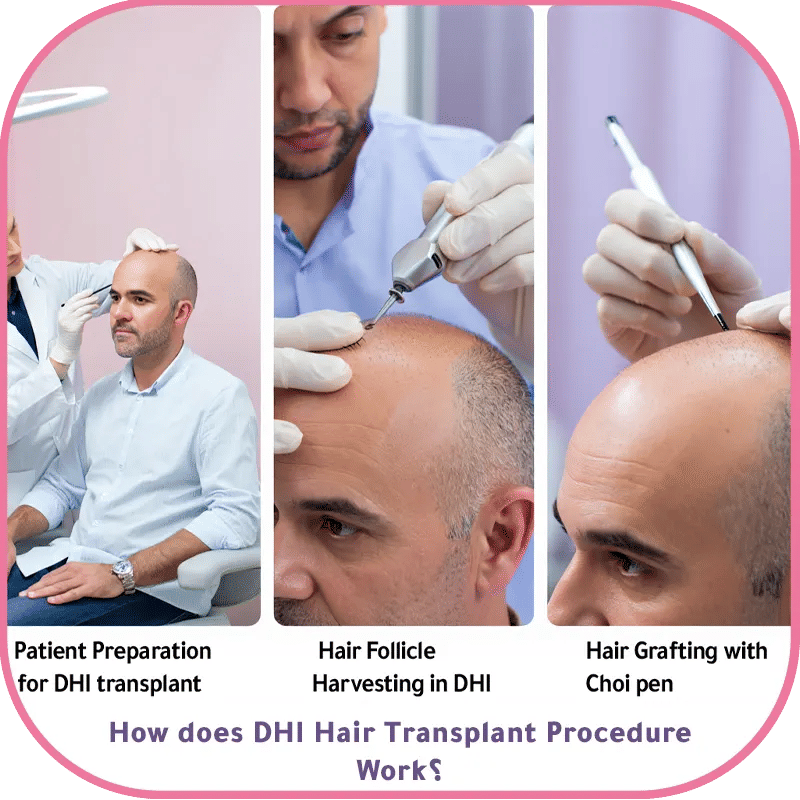
1. Подготовка пациента к трансплантации методом DHI
Этот этап включает анестезию кожи головы местной анестезией для минимизации дискомфорта. Донорская и реципиентная (трансплантационная) области точно определяются, и волосы бреются только в донорской области — нет необходимости бриться или подрезать окружающие волосы в области трансплантации.
2. Сбор волосяных фолликулов при DHI
Используя инструмент микропанча, хирург один за одним извлекает волосяные фолликулы из донорской области без необходимости делать крупные разрезы.
3. Трансплантация волос с помощью ручки Choi
Волосяные фолликулы загружаются в ручку-имплантер Choi и непосредственно имплантируются в кожу головы за один шаг. Это позволяет точно контролировать глубину, угол и направление каждого графта, обеспечивая естественный результат без предварительных разрезов.
Чего ожидать после трансплантации волос методом DHI с фотографиями
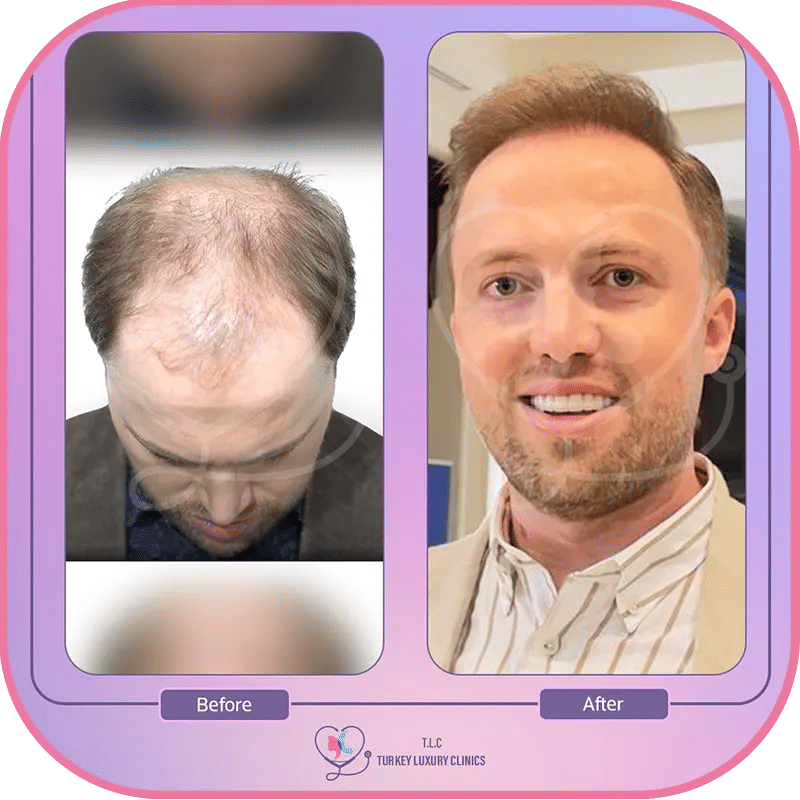
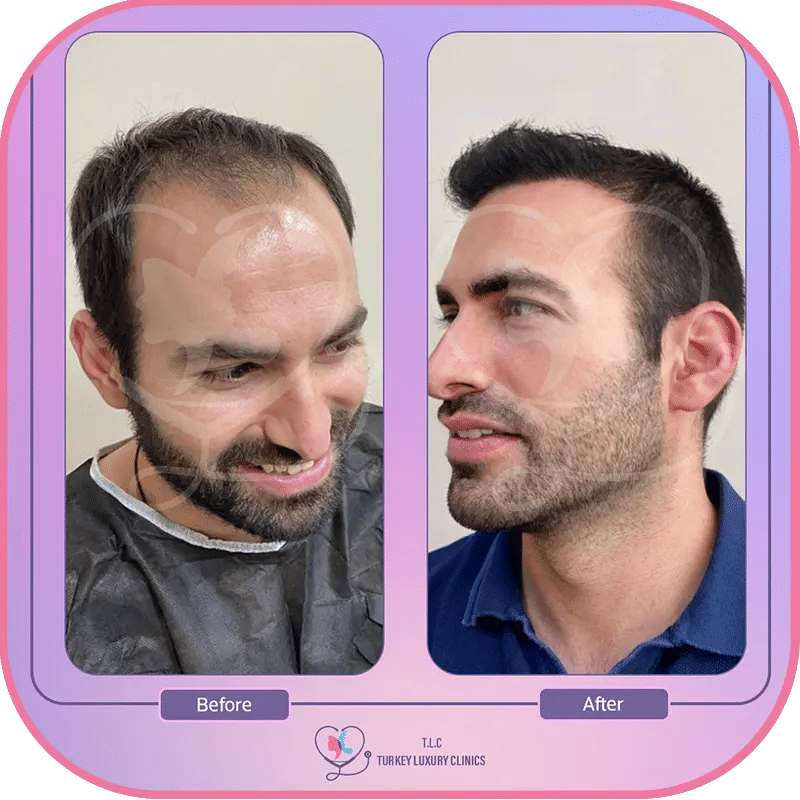
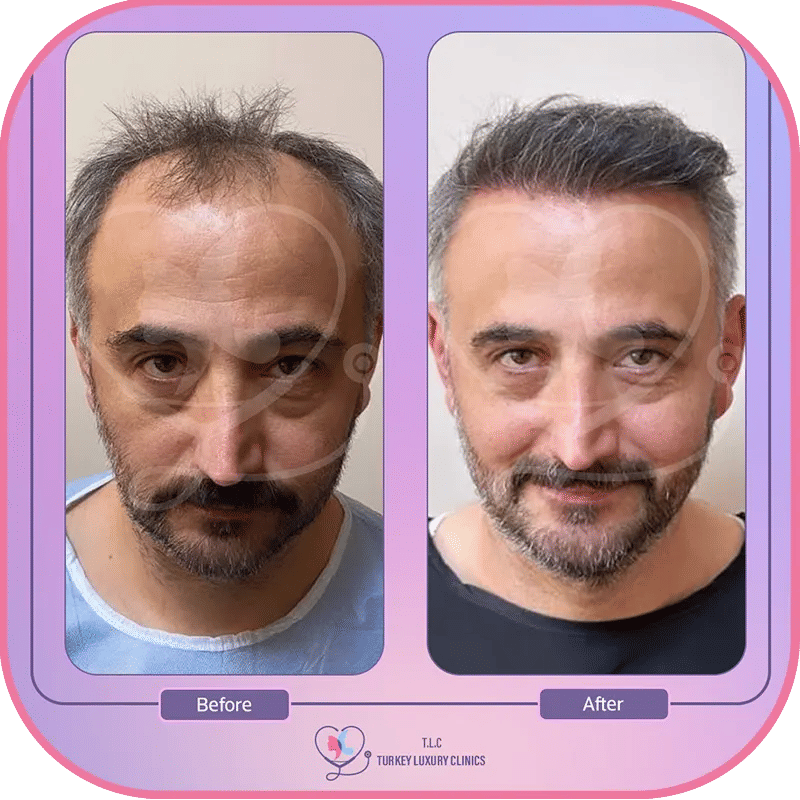
После трансплантации волос методом DHI ожидайте легких побочных эффектов, выпадения волос в первый месяц и начала роста новых волос примерно на 3-й месяц. Полные результаты видны в течение 12 месяцев.
Результаты DHI с фотографиями
После трансплантации волос методом DHI результаты будут значительно и стабильно более густыми волосами с естественным внешним видом, которые полностью проявляются в течение 12-18 месяцев после процедуры.
Период восстановления после трансплантации волос методом DHI
В первую неделю после трансплантации волос методом DHI пациенты могут испытывать лёгкий отёк, покраснение и дискомфорт, а также образование корочек в трансплантированных областях.
Эти корочки обычно отпадают естественным образом в течение недели. Важно не царапать и не насильно удалять их, так как это может сместить недавно имплантированные фолликулы.
Нормальная часть процесса восстановления — шок-облысение — временное выпадение трансплантированных волос — которое обычно начинается на второй или третьей неделе и может длиться до трёх месяцев.
Это выпадение является частью естественного цикла роста волос и не влияет на имплантированные фолликулы.
Хотя результаты не являются немедленными, рост новых волос следует предсказуемому графику рост волос обычно становится заметным между 3-6 месяцами после процедуры, с полными результатами, развивающимися в течение 12-18 месяцев.
Оставляет ли DHI шрамы?
Нет, метод трансплантации волос DHI не оставляет видимых шрамов. В отличие от традиционных методов, требующих разрезов или открытия каналов, техника DHI использует ручку Choi для прямой имплантации волосяных фолликулов в кожу головы и избегает разрезов и швов, что приводит к восстановлению без рубцов.
Побочные эффекты трансплантации волос методом DHI
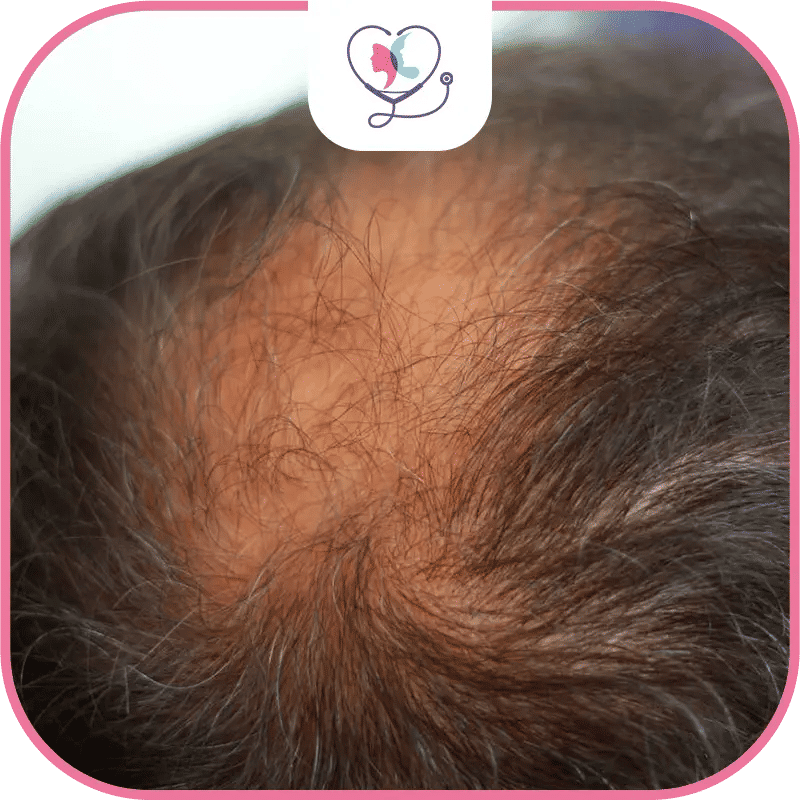
Трансплантация волос методом DHI в целом безопасна, но некоторые временные побочные эффекты могут возникнуть во время фазы восстановления. Распространённые реакции включают отёк, покраснение, зуд и образование корочек в донорской области и в области пересадки. В редких случаях пациенты могут испытывать инфекцию, перхоть, длительное выпадение волос или прыщи, которые могут потребовать медицинской помощи. Долгосрочные побочные эффекты, такие как видимые рубцы, редки благодаря точности метода DHI.
Вот наиболее часто сообщаемые побочные эффекты трансплантации волос методом DHI:
- Зуд
- Отёк
- Кровотечение
- Боль
- Рубец
- Телоген-эффлювиум
- Инфекция
- Парестезия
- Образование корочек
- Фолликулит
- Внезапная потеря волос
Почему выбирают трансплантацию волос методом DHI в Турции?
Выбор трансплантации волос методом DHI в Турции гарантирует точные, естественно выглядящие результаты с процентом успеха до 95%. Используя передовые ручки Choi, опытные хирурги выполняют эту малоинвазивную технику, обеспечивающую большую плотность волос, быстрое восстановление и отсутствие видимых рубцов, часто по комплексным пакетам на 60–80% дешевле, чем в западных странах.
Причины, по которым Турция является ведущим выбором для восстановления волос методом DHI.
1. Лучшие клиники и аккредитованные JCI больницы
Ведущие клиники трансплантации волос в Турции, аккредитованные JCI, предоставляют безопасные, современные и международно признанные процедуры DHI.
2. Комплексные пакеты трансплантации волос методом DHI в Стамбуле
Пакеты включают проживание, трансфер из аэропорта и услуги переводчика, что делает процедуры DHI удобными и безстрессовыми для иностранных пациентов.
3. Сертифицированные хирурги и высокопрофессиональный персонал
Опытные, имеющие сертификаты хирурги выполняют трансплантацию DHI, обеспечивая точное размещение, естественные результаты и высокий процент приживаемости трансплантатов.
4. Высокое качество медицинского обслуживания для иностранных пациентов
Персонализированный уход, многоязычная поддержка и внимательное постоперационное сопровождение делают Турцию лучшим выбором для иностранных пациентов, желающих пройти трансплантацию волос методом DHI.
Лучшая трансплантация волос методом DHI в Турции
Турция в 2026 году остается одним из лучших направлений для процедур трансплантации волос методом DHI благодаря специализированным клиникам, передовым медицинским технологиям и опытным хирургам. В Клинике Turkey Luxury Clinics мы сотрудничаем с аккредитованными JCI больницами и полностью лицензированными клиниками, регулируемыми Министерством здравоохранения Турции. Процедуры DHI выполняются с использованием оригинальных ручек Choi с имплантацией под руководством хирурга и персонализированным планированием трансплантатов, обеспечивая естественную плотность волос и долгосрочные результаты благодаря безопасным комплексным пакетам лечения.
Сделайте трансплантацию волос методом DHI с уверенностью в Клинике Turkey Luxury Clinics
Ищете более густые и естественно выглядящие волосы с точностью DHI? Сделайте трансплантацию волос правильно — с безопасностью, точностью и мастерством — в Клинике Turkey Luxury Clinics. Забронируйте бесплатную консультацию сегодня и сделайте первый шаг к волосам, которые вам действительно понравятся.
Часто задаваемые вопросы о трансплантации волос методом DHI
Что такое DHI при трансплантации волос?
DHI (прямая имплантация волос) — это метод трансплантации волос, при котором фолликулы имплантируются непосредственно с помощью ручки Choi, обеспечивая естественные результаты без разрезов и с быстрым восстановлением.
Что лучше: DHI или FUE?
DHI обеспечивает большую точность и более быстрое восстановление по сравнению с FUE, что делает его идеальным для уточнения линии роста волос и минимизации рубцов. Однако FUE может быть лучше для покрытия больших облысевших участков.
Как долго длятся результаты DHI?
Результаты трансплантации волос методом DHI являются постоянными. Пересаженные волосы обычно растут на протяжении всей жизни при условии надлежащего ухода после процедуры.
Какие недостатки у DHI?
Недостатки DHI включают более высокую стоимость, более длительное время процедуры и необходимость высокопрофессионального хирурга во избежание плохого дизайна линии роста волос или неровной плотности.
Через какое время видны результаты трансплантации волос методом DHI?
Первоначальный рост волос появляется через 3–4 месяца, с полными результатами, обычно видимыми через 9–12 месяцев после процедуры DHI.
Чего ожидать после трансплантации волос методом DHI?
После трансплантации DHI ожидайте легкой отечности, покраснения, образования корочек и выпадения волос в течение первого месяца. Видимый рост начинается примерно в месяц 3, постепенно улучшаясь на протяжении года.
Через какое время после DHI можно надевать шапку?
Вы можете безопасно надевать свободно облегающую шапку через 7–10 дней после трансплантации DHI, как только трансплантаты установятся и корочки отпадут естественным образом.