

- What Is the Duodenal Switch (BPD/DS)?
- How Does Duodenal Switch Surgery Work?
- Expected Excess Weight Loss (%EWL) Results After Duodenal Switch
- How Duodenal Switch Improves Metabolism and Type 2 Diabetes
- Duodenal Switch Cost in 2026: US vs Turkey vs Mexico vs UK
- Why Patients Choose Turkey for Duodenal Switch
- Is Duodenal Switch Surgery Safe in Turkey?
- Patients' Reviews About Duodenal Switch Surgery in Turkey (2026)
- Who Is a Good Candidate for Duodenal Switch Surgery?
- What is the Recovery Time for a Duodenal Switch?
- What to Eat After Duodenal Switch Surgery and What to Avoid?
- What are the Risks and Complications of Duodenal Switch?
- Duodenal Switch vs Gastric Bypass vs Sleeve Gastrectomy
- What is SADI-S Weight Loss Surgery?
- Best Bariatric Surgeon for Duodenal Switch in Turkey
- FAQs About Duodenal Switch Surgery
Duodenal Switch (DS) is a highly effective bariatric surgery that combines sleeve gastrectomy with intestinal bypass to achieve significant long-term weight loss and strong metabolic improvement. It is considered one of the most powerful surgical options for severe obesity and type 2 diabetes remission.
Patients typically lose about 60%–80% of their excess body weight after surgery, and studies report diabetes remission rates reaching up to 90% in selected cases. The procedure works by reducing stomach size and decreasing calorie and nutrient absorption, which leads to rapid fat loss and improved insulin sensitivity.
However, Duodenal Switch is also one of the most nutritionally demanding weight loss surgeries, requiring lifelong vitamin supplementation and strict medical follow-up due to permanent malabsorption.
Quick facts about Duodenal Switch:
- Weight loss: 60–80% excess weight loss
- Type 2 diabetes remission: Up to 90% in selected patients
- Procedure type: Restrictive + strongly malabsorptive
- Hospital stay: Usually 1–2 days
- Recovery time: About 4–6 weeks
- Reversible: No
- Long-term vitamin supplements: Required for life
- Best candidates: Severe obesity (BMI 50+) or difficult metabolic disease
What Is the Duodenal Switch (BPD/DS)?
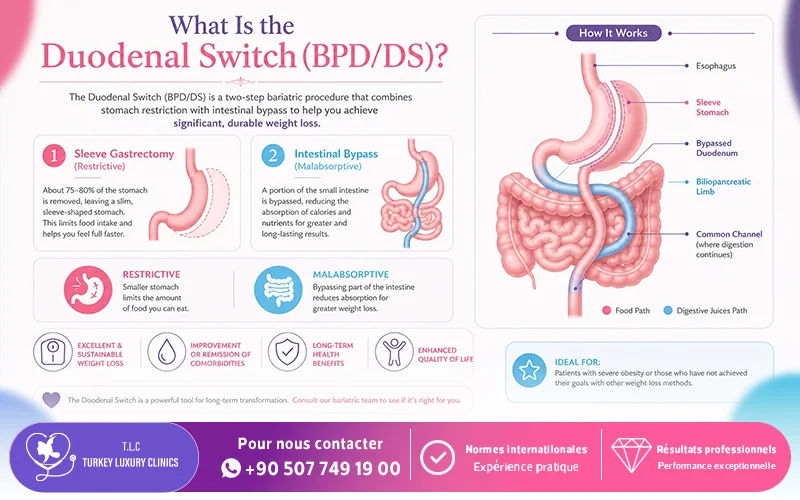
Duodenal switch (DS) surgery, also known as biliopancreatic diversion with duodenal switch (BPD/DS), is a complex two-step weight loss procedure that combines two bariatric surgeries in a single operation: sleeve gastrectomy and intestinal bypass surgery for maximum weight loss.
This changes both the anatomy and physiology of the digestive system by creating a smaller, sleeve-shaped stomach and reducing nutrient and calorie absorption.
Medically, it is classified as a restrictive and strongly malabsorptive bariatric surgery and is typically recommended for patients with severe obesity, high BMI, or certain revision bariatric cases.
How Does Duodenal Switch Surgery Work?
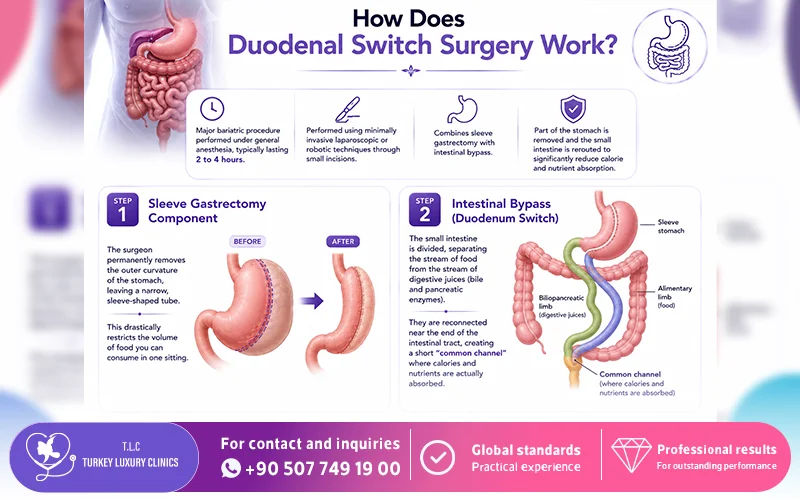
Duodenal switch surgery is a major bariatric procedure performed under general anesthesia, typically lasting 2 to 4 hours. It is carried out using minimally invasive laparoscopic or robotic techniques through small abdominal incisions.
The operation combines sleeve gastrectomy with intestinal bypass, where part of the stomach is removed and the small intestine is rerouted to significantly reduce calorie and nutrient absorption.
Step 1: Sleeve Gastrectomy Component
The surgeon permanently removes the outer curvature of the stomach, leaving a narrow, sleeve-shaped tube. This drastically restricts the volume of food you can consume in one sitting.
Step 2: Intestinal Bypass (Duodenum Switch)
The small intestine is divided, separating the stream of food from the stream of digestive juices (bile and pancreatic enzymes). They are reconnected near the end of the intestinal tract, creating a short "common channel" where calories and nutrients are actually absorbed.
Expected Excess Weight Loss (%EWL) Results After Duodenal Switch
After Duodenal Switch surgery, patients can typically lose 60–80% of their excess weight and achieve type 2 diabetes remission rates exceeding 90% in some cases. However, the procedure requires lifelong high-protein nutrition, strict vitamin supplementation, and regular medical follow-up because nutrient absorption is permanently reduced.
Most clinical studies report the following average outcomes:
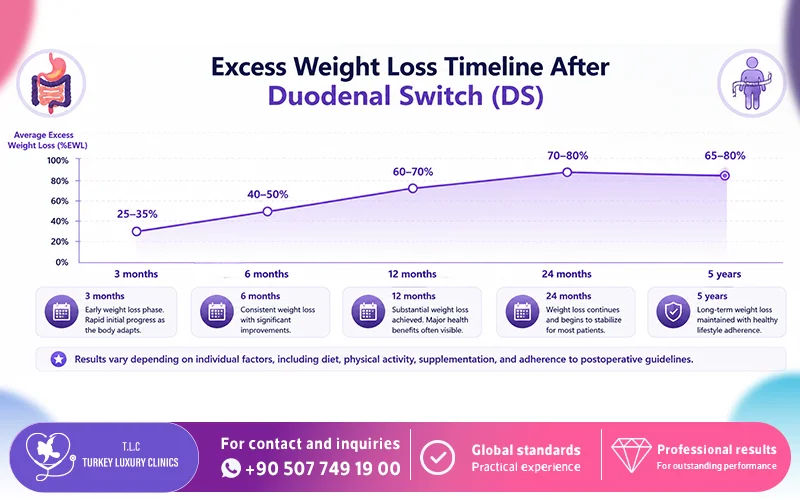
Time After Surgery | Average Excess Weight Loss (%EWL) |
1 year | 60–75% |
3 years | 70–85% |
5 years | 65–80% sustained weight loss |
Patients with severe obesity (BMI over 50) often achieve greater total body weight reduction with Duodenal Switch compared with sleeve gastrectomy or gastric bypass.
Weight loss usually occurs in phases, with rapid loss during the first 12–18 months followed by gradual stabilization and occasional plateaus.
For best and safest Duodenal Switch outcomes, patients must commit to lifelong vitamin and mineral supplementation, regular blood testing, high daily protein intake, long-term medical follow-up and structured postoperative nutrition
Long-term outcomes after Duodenal Switch depend heavily on patient adherence to postoperative guidelines.
Key factors include:
- Daily protein intake
- Physical activity
- Vitamin supplementation compliance
- Long-term follow-up care
- Eating behavior after surgery
How Duodenal Switch Improves Metabolism and Type 2 Diabetes
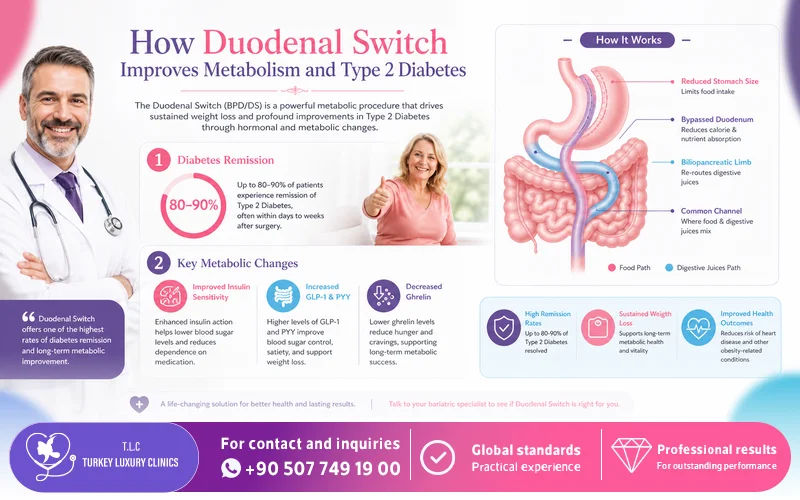
Duodenal Switch is considered one of the most effective metabolic surgeries for type 2 diabetes remission. Multiple bariatric studies have shown that DS achieves:
- Diabetes remission rates exceeding 80–90% in many patients
- Major reduction in insulin resistance
- Significant decreases in HbA1c levels
- Reduced dependence on insulin and diabetes medications
After surgery, insulin sensitivity improves significantly as shown by marked reductions in insulin resistance markers. At the same time, incretin hormones such as GLP-1 and PYY rise sharply, enhancing post-meal insulin response and increasing satiety signals to the brain. This combination leads to better glucose control in diabetic patients and reduced hunger almost immediately in many patients.
Key metabolic changes include:
- Improved insulin sensitivity and glucose regulation
- Increased GLP-1 and PYY enhancing fullness and glycemic control
- Reduced ghrelin levels, lowering appetite drive
- Decreased leptin levels reflecting improved fat metabolism
- Strong gut-brain signaling changes affecting eating behavior
Duodenal Switch Cost in 2026: US vs Turkey vs Mexico vs UK
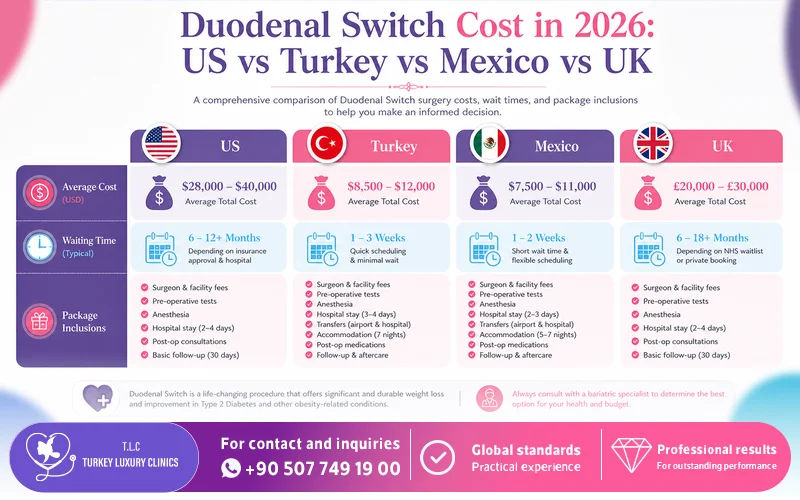
Duodenal Switch surgery typically costs $20,000–$35,000 in the United States, $6,000–$10,000 in Turkey, $8,000–$12,000 in Mexico, and about $12,000–$18,000 in the United Kingdom (private care). The price difference mainly reflects healthcare system structure, hospital costs, and package inclusions—not surgical technique.
Destination | Average Cost | Typical Waiting Time | Common Package Coverage |
United States | $25,000 – $35,000 | 3–6 months | Surgery and hospital fees |
United Kingdom (Private) | £11,000 – £15,000 | 2–4 weeks | Surgery with local follow-up |
Turkey | $7,500 – $9,500 | 1–2 weeks | Surgery, hotel, transfers, dietitian support |
Mexico | $8,000 – $12,000 | 1–3 weeks | Surgery and basic medical tourism support |
Duodenal switch surgery is generally more expensive than the cost of simpler bariatric surgeries such as gastric sleeve, gastric bypass or gastric balloon.
This higher duodenal switch cost is due to the increased surgical complexity, longer operating time, requirement for advanced bariatric expertise, specialized equipment, and the need for intensive post-operative nutritional monitoring and lifelong follow-up care.
Several factors affect the price of duodenal switch, including surgeon experience and hospital accreditation level, complexity of the patient’s case (BMI level or revision surgery), and the type of medical package offered such as hospital stay, dietitian support, and post-operative follow-up care.
Turkey is among the most affordable destinations for Duodenal Switch surgeries, with international hospitals in Istanbul offering prices that are typically 50–70% lower than in Western countries without compromising quality or safety standards.
Why Patients Choose Turkey for Duodenal Switch
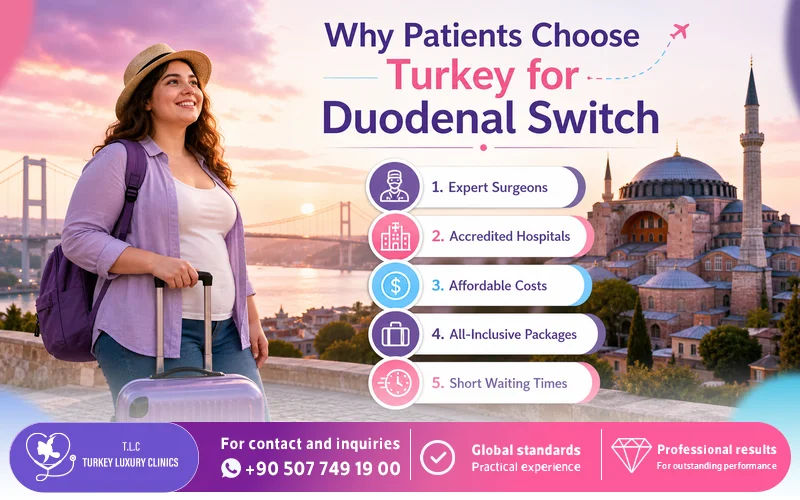
International patients usually choose Turkey for Duodenal Switch surgery because it offers experienced high-volume bariatric surgeons, internationally accredited hospitals, and significantly lower costs compared to the US and UK, while maintaining the same surgical standards. Most patients also benefit from shorter waiting times and all-inclusive medical tourism packages.
Key Advantages of Duodenal Switch Surgery in Turkey:
1. High-Volume Bariatric Surgeons
Turkey is known for bariatric centers that perform a large number of complex procedures, including Duodenal Switch, SADI-S, and revision surgeries.
This high case volume is strongly associated with:
- Greater surgical experience
- Lower complication rates
- More consistent long-term outcomes
2. Internationally Accredited Hospitals
Most procedures are performed in private hospitals equipped with advanced laparoscopic and robotic systems.
These hospitals typically follow:
- International patient safety protocols
- Strict infection control standards
- Multidisciplinary bariatric care teams
3. Lower Cost With the Same Surgical Standards
Patients receive the same surgical techniques used in Europe and the United States, but at significantly lower prices due to differences in healthcare system structure and bundled care models.
This makes treatment more accessible without reducing clinical quality.
4. All-Inclusive Medical Tourism Packages
Many bariatric programs in Turkey offer structured packages designed for international patients, which may include:
- Surgery and hospital stay
- Hotel accommodation
- Airport transfers
- Interpreter services
- Post-operative dietitian support
This reduces logistical stress and improves overall patient experience.
5. Short Waiting Time
Unlike countries with long surgical queues, patients in Turkey can often schedule Duodenal Switch surgery within days or a few weeks, depending on medical evaluation and availability.
Is Duodenal Switch Surgery Safe in Turkey?
Yes, when performed in accredited hospitals by experienced bariatric surgeons, it is considered safe. However, it remains a complex procedure requiring careful patient selection and lifelong follow-up.
Choose a hospital that is accredited by the Joint Commission International (JCI) and a board-certified general surgeon who is an active member of the International Federation for the Surgery of Obesity and Metabolic Disorders (IFSO).
Avoid clinics that offer a price that seems drastically lower than competing Turkish hospitals; they may be rushing pre-op testing, reusing disposable instruments, or lacking an on-site Intensive Care Unit (ICU) for unexpected emergencies.
Patients' Reviews About Duodenal Switch Surgery in Turkey (2026)
International patients highlight structured aftercare, especially dietitian guidance, supplement protocols, and online follow-up after returning home (this ongoing support is considered essential for long-term DS success).
Patients frequently praise smooth medical travel coordination, including airport pickup, hotel and hospital arrangements, interpreter services, fast scheduling, and efficient admission and discharge processes (this reduces stress and improves the overall treatment experience).
A key reason for patient confidence is the experience level of bariatric surgeons in Turkey, especially in high-volume centers handling complex cases and revisions (such as sleeve to Duodenal Switch conversions).
Many patients also report use of advanced laparoscopic and robotic surgical techniques, along with clear pre-operative preparation and structured post-operative care protocols (which help improve safety and recovery outcomes).
Who Is a Good Candidate for Duodenal Switch Surgery?
Duodenal switch surgery is the type of weight loss surgery recommended for patients with severe obesity or advanced obesity-related metabolic diseases, especially when long-term and substantial weight loss is medically required.
Duodenal switch is most often considered for individuals with Class III obesity (BMI ≥ 40) or super obesity (BMI ≥ 50), particularly when other bariatric procedures are unlikely to provide sufficient results.
The procedure may also be recommended as a revision surgery for patients who previously underwent procedures such as sleeve gastrectomy or gastric bypass but experienced inadequate weight loss or weight regain.
Ideal candidates are patients who are fully committed to long-term lifestyle changes, including:
- Lifelong vitamin and mineral supplementation
- Regular medical follow-up and blood tests
- High-protein structured diet compliance
- Permanent dietary behavior changes

Medical Conditions That Benefit Most From Duodenal Switch
Duodenal Switch is known for its strong metabolic impact, making it particularly effective for:
- Type 2 diabetes: often significant improvement or remission due to hormonal and insulin sensitivity changes
- Severe obesity: one of the highest long-term excess weight loss outcomes among bariatric procedures
- Dyslipidemia: improved cholesterol and triglyceride levels
- Hypertension: reduced blood pressure and medication dependence
- Obstructive sleep apnea: improvement in breathing patterns due to weight reduction
- Non-alcoholic fatty liver disease (NAFLD): reduction in liver fat and improved liver function
- Metabolic syndrome: overall improvement in insulin resistance, lipids, and cardiovascular markers
- Joint pain and osteoarthritis: reduced pressure on joints and improved mobility
Who Is NOT a Good Candidate?
Duodenal Switch may not be suitable for patients with:
- Crohn’s disease or severe inflammatory bowel disease
- Active alcohol or substance use disorder
- Uncontrolled psychiatric conditions or untreated eating disorders
- Severe pre-existing nutritional deficiencies
- Inability or unwillingness to comply with lifelong supplementation and follow-up
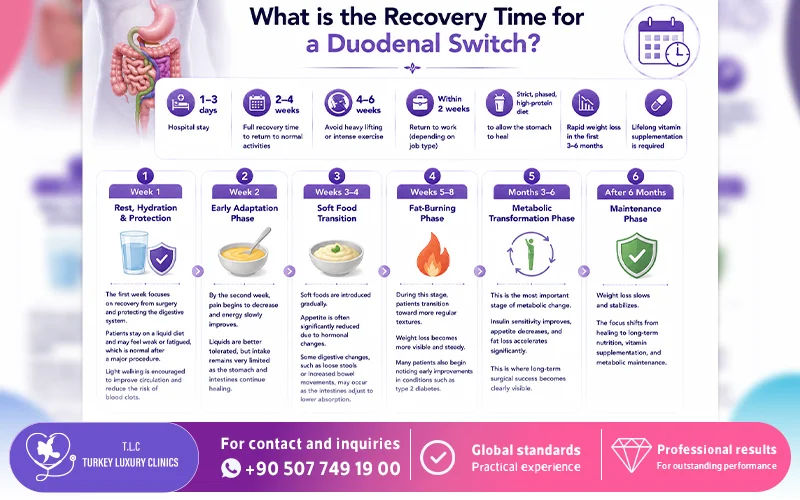
What is the Recovery Time for a Duodenal Switch?
Duodenal switch recovery typically involves a 1–3 day hospital stay and a full recovery period of 2–4 weeks for returning to normal activities, with restrictions on heavy lifting for up to 4–6 weeks. Most patients return to work within 2 weeks, depending on the job type, while adhering to a strict, phased, high-protein diet to allow the stomach to heal. Weight loss is rapid in the first 3–6 months, and long-term vitamin supplementation is required for life.
Week 1: Rest, Hydration & Protection
The first week focuses on recovery from surgery and protecting the digestive system. Patients stay on a liquid diet and may feel weak or fatigued, which is normal after a major procedure. Light walking is encouraged to improve circulation and reduce the risk of blood clots.
Week 2: Early Adaptation Phase
By the second week, pain begins to decrease and energy slowly improves. Liquids are better tolerated, but intake remains very limited as the stomach and intestines continue healing.
Weeks 3–4: Soft Food Transition
Soft foods are introduced gradually. Appetite is often significantly reduced due to hormonal changes. Some digestive changes, such as loose stools or increased bowel movements, may occur as the intestines adjust to lower absorption.
Weeks 5–8: Fat-Burning Phase
During this stage, patients transition toward more regular textures. Weight loss becomes more visible and steady. Many patients also begin noticing early improvements in conditions such as type 2 diabetes.
Months 3–6: Metabolic Transformation Phase
This is the most important stage of metabolic change. Insulin sensitivity improves, appetite decreases, and fat loss accelerates significantly. This is where long-term surgical success becomes clearly visible.
After 6 Months: Maintenance Phase
Weight loss slows and stabilizes. The focus shifts from healing to long-term nutrition, vitamin supplementation, and metabolic maintenance.
What to Eat After Duodenal Switch Surgery and What to Avoid?
After a duodenal switch, you must strictly avoid high-sugar foods, fried/greasy meals, starchy/gummy carbs, tough meats, and carbonated or caffeinated drinks. These can trigger dumping syndrome, obstruct your restricted stomach pouch, or lead to dehydration.
To prevent internal tearing, leaks, or severe dumping syndrome, your diet right after surgery is strictly structured. It is not a short-term diet—it is a mandatory healing protocol:
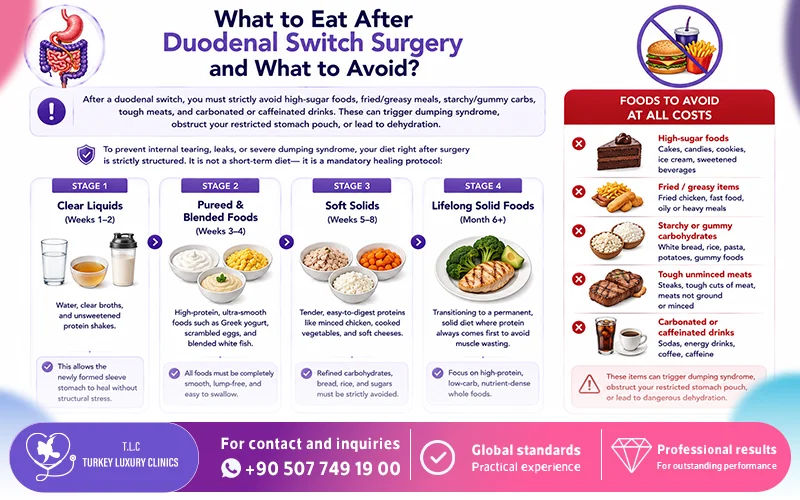
- Stage 1: Clear Liquids (Weeks 1–2): Water, clear broths, and unsweetened protein shakes. This allows the newly formed sleeve stomach to heal without structural stress.
- Stage 2: Pureed & Blended Foods (Weeks 3–4): High-protein, ultra-smooth foods such as Greek yogurt, scrambled eggs, and blended white fish.
- Stage 3: Soft Solids (Weeks 5–8): Tender, easy-to-digest proteins like minced chicken, cooked vegetables, and soft cheeses. Refined carbohydrates, bread, rice, and sugars must be strictly avoided.
- Stage 4: Lifelong Solid Foods (Month 6+): Transitioning to a permanent, solid diet where protein always comes first to avoid muscle wasting.
Foods to Avoid At All Costs: High-sugar foods, fried/greasy items, starchy or gummy carbohydrates (like white bread and rice), tough unminced meats, and all carbonated or caffeinated drinks. These items can trigger dumping syndrome, obstruct your restricted stomach pouch, or lead to dangerous dehydration.
What are the Risks and Complications of Duodenal Switch?
Duodenal switch risks include significant long-term nutritional deficiencies (vitamins A, D, E, K, iron, calcium), chronic diarrhea, foul-smelling flatus, and, rarely, severe protein-calorie malnutrition. As a complex, malabsorptive surgery, it carries risks of surgical leaks, infection, blood clots, bowel obstruction, and a strict requirement for lifelong supplementation to avoid severe complications.
Risk / Side Effect | How Common | Severity | Notes |
Vitamin & mineral deficiencies | Very common (30% – 53.5%) | High | Requires lifelong supplements + blood tests |
Gas & foul-smelling stools | Common (30% – 50%) | Moderate | Improves with diet and enzymes over time |
Bowel obstruction | Less common (12% – 16%) | High | May require medical intervention or surgery |
Protein malnutrition | Uncommon (1% – 4.1%) | High | Linked to poor diet adherence / non-compliance |
Surgical leakage / infection | Rare (0.8% – 1.6%) | High | Early post-op complication risk at staple lines |
Dumping syndrome | Rare (< 1%) | Mild–Moderate | Usually triggered by sugar or high-fat meals |
Why Does Duodenal Switch Cause Bad Gas and Odor?
Bad gas and strong odor after Duodenal Switch surgery happen because part of the small intestine is bypassed, so fats and proteins are not fully digested. These undigested nutrients reach the large intestine, where gut bacteria ferment them, producing gas, odor, and sometimes loose stools. This is most common during the early recovery phase and can improve with diet changes and enzyme support.
Dumping Syndrome After Duodenal Switch
Dumping syndrome is less common after Duodenal Switch compared to gastric bypass because the pyloric valve is preserved. However, it can still occur after eating high-sugar or very fatty meals, leading to symptoms like nausea, sweating, dizziness, and rapid bowel movements.
Can a Duodenal Switch Be Reversed?
A full reversal of Duodenal Switch is extremely rare and complex because part of the stomach is permanently removed. In most cases, reversal is not possible. If severe malabsorption occurs, surgeons usually perform a revision surgery to lengthen the common channel and improve nutrient absorption instead of reversing the procedure.
Duodenal Switch vs Gastric Bypass vs Sleeve Gastrectomy
Feature | Duodenal Switch (DS) | Gastric Bypass | Sleeve Gastrectomy |
Weight Loss Potential | Highest and most durable long-term weight loss | Strong long-term weight loss | Moderate to high |
Surgical Complexity | Most complex | Moderately complex | Simplest |
Malabsorption | Strong | Moderate | Minimal |
Diabetes Improvement | Excellent | Very good to excellent | Good |
Reflux (GERD) | May worsen | Often improves | May worsen |
Dumping Syndrome | Less common | Common | Rare |
Vitamin Deficiency Risk | Highest | Moderate | Lower but still possible |
Long-Term Follow-Up | Very strict | Important | Important |
Best For | Severe obesity (BMI 50+) and aggressive metabolic disease | Obesity with reflux or diabetes | Patients seeking lower surgical complexity |
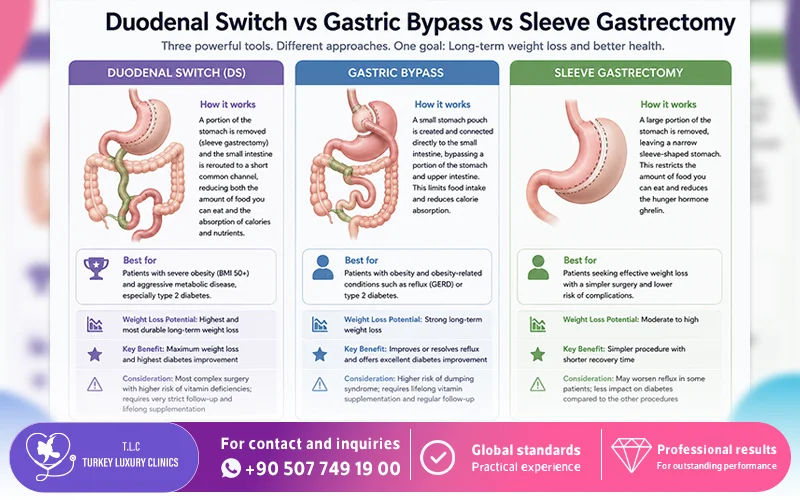
Duodenal Switch offers the highest long-term weight loss and diabetes remission rates among bariatric surgeries, but it also carries the highest risk of chronic nutritional and surgical complications.
What is SADI-S Weight Loss Surgery?
SADI-S stands for Single-Anastomosis Duodeno-Ileal Bypass with Sleeve Gastrectomy. It is a modern, simplified version of the traditional Duodenal Switch designed to maximize weight loss while reducing the high surgical risks and intense nutritional complications of the older procedure.
Both procedures share the exact same first step (the gastric sleeve), they are fundamentally different in how the intestines are rerouted.
During SADI-S, the intestine is not cut completely in half; instead, it is looped up and joined to the stomach exit in a single loop. Fewer connections mean less time under anesthesia and fewer areas that could potentially leak.
Also, SADI-S reduces the risks of long-term bowel obstruction from 10% to 12% in Duodenal Switch to less than 1%
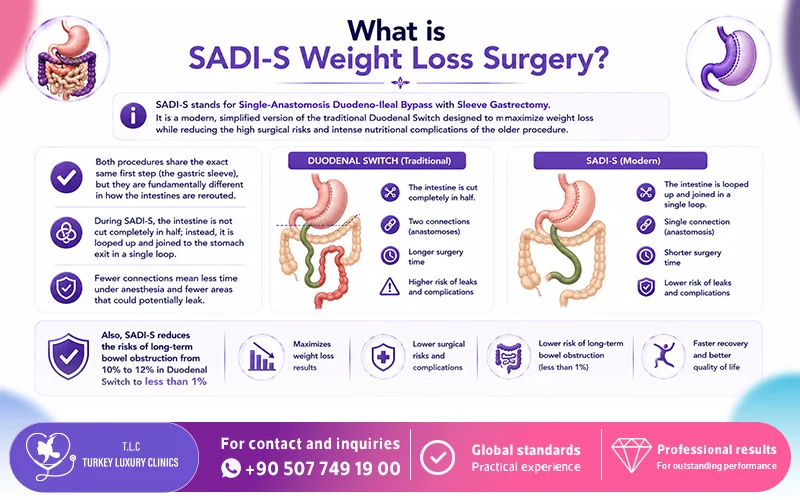
Traditional Duodenal Switch vs. SADI-S Comparison
Feature | Traditional Duodenal Switch (DS) | SADI-S |
Intestinal Connections | Two intestinal connections | One intestinal connection |
Surgical Complexity | More complex | Simpler procedure |
Malabsorption Level | Higher | Moderate |
Common Channel Length | Shorter (75–100 cm) | Longer (250–300 cm) |
Nutritional Deficiency Risk | Higher risk | Lower risk |
Protein Malnutrition Risk | More common | Less common |
Bowel Side Effects | More gas and diarrhea | Usually milder symptoms |
Excess Weight Loss | 80–85% EWL | 70–80% EWL |
Type 2 Diabetes Remission | Very high (>95%) | Very high (~90%) |
Long-Term Maintenance | Requires strict supplementation | Slightly easier nutritional management |
Best Bariatric Surgeon for Duodenal Switch in Turkey
Istanbul is home to internationally trained, board-certified bariatric surgeons who specialize in advanced metabolic and revision weight loss procedures, including Duodenal Switch, SADI-S, gastric bypass, and complex bariatric revisions. Many bariatric centers in Turkey use advanced laparoscopic and robotic surgical technologies and perform high volumes of metabolic surgery cases each year.
Because Duodenal Switch is considered one of the most technically demanding bariatric procedures, choosing an experienced high-volume bariatric surgeon with structured long-term nutritional follow-up is critical for both surgical safety and durable long-term success.
At Turkey Luxury Clinics, patients receive personalized support in selecting the most suitable bariatric surgeon, hospital, and treatment plan based on BMI, metabolic condition, previous surgeries, and long-term goals.
The team coordinates comprehensive medical tourism packages that may include:
- Bariatric surgery in accredited hospitals
- VIP airport transfers
- Hotel and hospital accommodation
- Translation and patient coordination services
- Dietitian and nutritional guidance
- 24/7 patient assistance
- Online follow-up after returning home
This type of structured aftercare is especially important after Duodenal Switch because lifelong monitoring, supplementation, and nutritional management are essential for preventing long-term complications and maintaining metabolic results.
FAQs About Duodenal Switch Surgery