

- What Is Bariatric Surgery?
- Bariatric Surgery in Turkey: Real Patient Experience
- How Much Does Bariatric Surgery Cost in Turkey? (2026 Prices)
- Is Bariatric Surgery in Turkey Safe?
- Best Hospitals and Bariatric Surgeons in Turkey
- International Patient Journey for Bariatric Surgery in Turkey
- Who Is a Good Candidate for Bariatric Surgery?
- Types of Bariatric Surgery in Turkey
- Bariatric Surgery Risks and Complications
- Recovery after bariatric surgery in Turkey
- How to Choose the Right Bariatric Surgery Procedure
- Bariatric Surgery in Turkey Before and After Photos
- Why Patients Travel to Turkey for Bariatric Surgery
- FAQs About Bariatric Surgery in Turkey
Bariatric surgery (weight loss surgery) in Turkey includes gastric sleeve, gastric bypass, mini gastric bypass, gastric balloon, SADI-S, and revision surgery. It typically costs $3,000–$8,000 for gastric sleeve and gastric bypass, with all-inclusive packages starting from around $2,650 that cover the surgery, a 2–3 night hospital stay, hotel accommodation, VIP transfers, and follow-up care. Complex revision and metabolic procedures can exceed $10,000.
Most procedures are performed laparoscopically by experienced bariatric surgeons in JCI-accredited hospitals in Istanbul, such as Memorial Hospital, and most international patients stay in Turkey for 5–7 days. Turkey Luxury Clinics connects patients with top bariatric surgeons and accredited partner hospitals, coordinating every step from the first consultation to aftercare at home, at up to 70–80% lower cost than in the USA or UK.
The right procedure, such as gastric sleeve surgery or gastric bypass, depends on obesity severity, metabolic health, reflux symptoms, and long-term weight loss goals. Adjustable gastric banding (lap band) is still performed in selected cases, though far less often than in the past.
Get a free bariatric surgery quote via WhatsApp and receive a personalized procedure recommendation from our bariatric team.
What Is Bariatric Surgery?
Bariatric surgery, also called weight loss surgery, refers to medical procedures designed to support long-term weight reduction and improvement of obesity-related conditions such as type 2 diabetes, sleep apnea, and high blood pressure. Most bariatric procedures work by reducing stomach capacity and, in some cases, altering digestion to limit calorie absorption and improve metabolic function.
Main types of bariatric surgery in Turkey:
- Gastric sleeve: removes about 75–80% of the stomach to reduce food intake and hunger hormones. It is performed either laparoscopically or with robotic-assisted surgery, while endoscopic sleeve gastroplasty offers a non-surgical alternative that reduces the stomach with internal sutures instead of removing tissue.
- Gastric bypass: creates a small stomach pouch connected directly to the small intestine, limiting food intake and calorie absorption.
- Mini gastric bypass: a single-connection bypass with strong metabolic effects.
- Gastric balloon: a temporary, non-surgical balloon placed in the stomach to increase fullness.
- SADI-S (duodenal switch): a sleeve combined with intestinal bypass for severe obesity (BMI 50+).
See the full comparison in Types of Bariatric Surgery in Turkey.
Bariatric Surgery in Turkey: Real Patient Experience
How Much Does Bariatric Surgery Cost in Turkey? (2026 Prices)
Weight loss surgery in Turkey typically costs between $3,000 and $8,000 for common procedures such as gastric sleeve and gastric bypass, with all-inclusive packages starting from around $2,650. Complex revision and metabolic procedures such as SADI-S can exceed $10,000. Prices of bariatric surgeries in Turkey are 70–80% more affordable than in the USA or the UK for comparable procedures and hospital standards.
These prices usually cover surgeon and hospital fees, pre-operative testing, accommodation, local transportation, and post-operative support through all-inclusive international patient packages.
Bariatric surgery costs vary depending on the type of procedure performed. Gastric balloon treatment is generally less expensive than gastric sleeve surgery, while more complex metabolic procedures such as gastric bypass or SADI-S typically involve higher costs due to increased surgical complexity and long-term nutritional monitoring requirements.
Factors Affecting the Bariatric Surgery Cost
Several factors can influence bariatric surgery pricing in Turkey beyond the procedure itself.
1. Surgeon Experience and Specialization
Highly experienced bariatric surgeons, particularly specialists performing high volumes of metabolic and revision surgeries, may charge higher fees because of their surgical expertise and complication management experience.
2. Hospital Standards and Accreditation
Internationally accredited private hospitals with advanced surgical facilities, ICU support, and multidisciplinary bariatric programs often have higher treatment costs than smaller clinics.
3. Procedure Complexity
More advanced procedures such as gastric bypass, SADI-S, and revision bariatric surgery generally involve longer operative times and more complex post-operative monitoring compared to gastric sleeve surgery.
4. Package Inclusions
Some bariatric surgery packages include hotel accommodation, airport transfers, medications, interpreters, nutritional support, and follow-up care, while others may only cover the surgery itself.
5. Length of Follow-Up Care
Longer post-operative monitoring, dietitian consultations, and extended aftercare support can also affect the total treatment cost.
Cost of Bariatric Surgery by Type of Procedure
Procedure | Turkey Cost | Best For |
Gastric Balloon | $2,000–$4,500 | Temporary weight loss |
$3,000–$6,500 | Long-term weight loss | |
Gastric Bypass | $4,000–$8,000 | Diabetes & reflux |
Mini Gastric Bypass | $4,000–$7,500 | Strong metabolic effects |
Revision Surgery | $5,000–$10,000+ | Previous surgery issues |
SADI-S / SIPS | $6,000–$12,000+ | Severe obesity (BMI 50+) |
Gastric bypass procedures often cost more than gastric sleeve surgery because they involve intestinal rerouting, longer operative times, and more intensive long-term nutritional monitoring after surgery.
Revision bariatric surgery is often more expensive than primary procedures because scar tissue, altered anatomy, and previous surgical modifications can significantly increase operative complexity.
Higher pricing does not automatically indicate better outcomes, just as lower pricing does not necessarily reflect lower treatment quality. Procedure selection is usually based more heavily on metabolic health, obesity severity, reflux symptoms, and long-term treatment goals.
Bariatric Surgery Cost in Turkey vs USA vs UK vs Mexico
Procedure | Turkey | Mexico | UK | USA |
Gastric Sleeve | $3,000–$6,500 | $5,000–$9,000 | $12,000–$18,000 | $15,000–$30,000 |
Gastric Bypass | $4,000–$8,000 | $6,000–$11,000 | $14,000–$22,000 | $18,000–$35,000 |
Gastric Balloon | $2,000–$4,500 | $3,000–$5,500 | $5,000–$8,000 | $6,000–$10,000 |
All-Inclusive Bariatric Surgery Package Prices in Turkey
Procedure | Estimated Package Price | Typical Stay |
Gastric Sleeve Surgery | $2,650–$3,100 (£2,100–£2,450) | 5 days |
Gastric Balloon Procedure | $2,150–$2,700 (£1,700–£2,150) | 1 day |
Traditional Gastric Bypass | $3,800–$4,500 (£3,000–£3,550) | 5 days |
Mini Gastric Bypass | $3,250–$4,000 (£2,550–£3,150) | 4 days |
These are starting package prices through our partner hospitals in Istanbul. Final pricing is confirmed after medical evaluation.
What Is Included in Bariatric Surgery Turkey Packages?
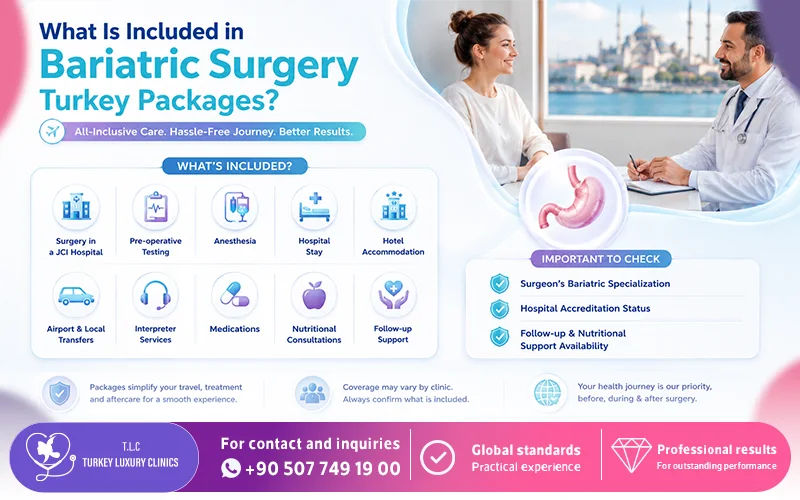
Turkey Luxury Clinics all-inclusive bariatric packages typically include:
- Surgery: surgeon and anesthesia fees in an accredited partner hospital
- Pre-operative tests: blood work, ECG, chest X-ray, and endoscopy when needed
- Hospital stay: 2–3 nights in a private room, including a leak test before discharge
- Hotel: 3–5 nights in a 5-star hotel
- Transfers: VIP airport, hotel, and hospital transfers
- Interpreter support throughout your stay
- Medications and a diet plan for each recovery stage
- Nutritional follow-up for 12 months after you return home
Costs Not Included in Bariatric Surgery Packages
When planning your budget, also consider:
- International flights: around $400–$900 round trip from the US
- Travel insurance that covers medical travel
- Lifelong vitamin supplements: roughly $35–$60 per month
- Follow-up tests and appointments at home
- Extra hotel nights if your surgeon recommends a longer stay
- Body contouring surgery after major weight loss, if desired, usually 12–18 months after surgery
Is Bariatric Surgery in Turkey Safe?
Yes, bariatric surgery in Turkey is safe when it is performed by an experienced bariatric surgeon in an accredited hospital, with a full medical assessment before surgery and a clear aftercare plan after you return home. Reported complications among patients treated abroad are most often linked to low-cost providers that skip pre-operative screening, discharge patients too early, or offer little follow-up, rather than to the surgery itself.
How to Choose a Safe Bariatric Surgery Provider in Turkey
- Accredited hospital: choose a JCI-accredited hospital with a dedicated bariatric department and an on-site intensive care unit, not a small day clinic.
- Verified bariatric surgeon: confirm the surgeon specializes in bariatric surgery, and ask about their annual case volume and complication rates.
- Full pre-operative assessment: blood tests, ECG, imaging, and an anesthesia review should be completed before your surgery date is confirmed.
- Enough time in Turkey: plan for 2–3 days in hospital, including a leak test before discharge, and 5–7 days in total before flying home.
- A written aftercare plan: diet stages, vitamins, remote follow-up with your surgical team, and a local doctor at home for blood tests.
What Are the Main Risks?
Like any major surgery, bariatric procedures carry risks such as staple-line leaks, bleeding, blood clots, infection, and nutritional deficiencies. Most serious early complications appear within the first days after surgery, which is why staying in Turkey under medical supervision until you are cleared to fly is essential. See Bariatric Surgery Risks and Complications for procedure-specific risks.

Red Flags to Watch For
- unusually low pricing with limited medical details
- lack of transparent surgeon credentials
- limited follow-up or nutritional support
- unclear complication management policies
- pressure to book surgery quickly without proper evaluation
Best Hospitals and Bariatric Surgeons in Turkey
Turkey Luxury Clinics works with accredited private hospitals in Istanbul that run dedicated bariatric and metabolic surgery programs, with multilingual international patient teams and structured post-operative follow-up.
Memorial Hospital
Memorial was the first hospital in Turkey to receive Joint Commission International (JCI) accreditation and operates a dedicated Obesity Surgery Center offering sleeve gastrectomy, gastric bypass, and metabolic procedures.
BHT Clinic Istanbul Tema Hospital
BHT Clinic's bariatric team includes Prof. Dr. Elnur Piraliyev, who specializes in complex, revision, and metabolic bariatric surgery.
Our Bariatric Surgeons
Surgeon | Experience | Known For |
25+ years | High-volume laparoscopic sleeve and bypass | |
15+ years | Structured long-term follow-up | |
~20 years | Da Vinci robotic-assisted surgery | |
15+ years | Revision and metabolic surgery |
For full profiles, qualifications, and how to choose a surgeon, see our guide to the best bariatric surgeons in Turkey.
International Patient Journey for Bariatric Surgery in Turkey
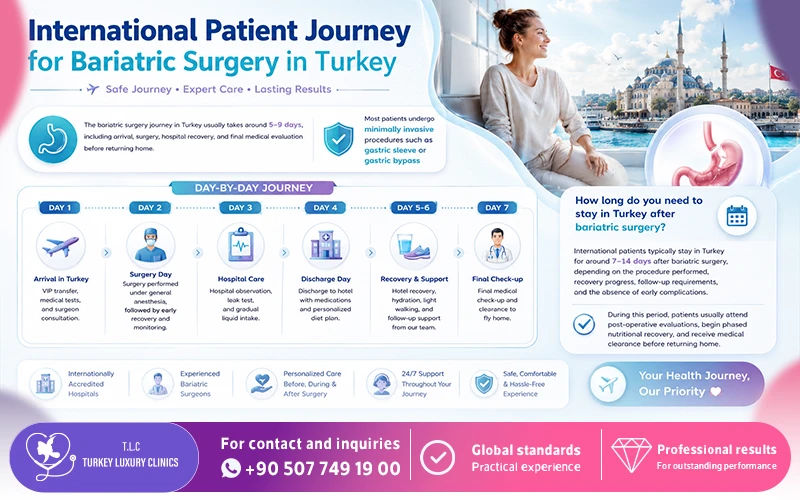
The bariatric surgery journey in Turkey usually takes around 5–7 days, including arrival, surgery, hospital recovery, and final medical evaluation before returning home. Most patients undergo minimally invasive procedures such as gastric sleeve or gastric bypass in internationally accredited hospitals.
Day-by-Day Journey
Day 1: Arrival, VIP transfer, medical tests, and surgeon consultation.
Day 2: Surgery performed under general anesthesia, followed by early recovery and monitoring.
Day 3: Hospital observation, leak test, and gradual liquid intake.
Day 4: Discharge to hotel with medications and diet plan.
Day 5–6: Hotel recovery, hydration, light walking, and follow-up support.
Day 7: Final medical check-up and clearance to fly home.
How to Prepare for a Bariatric Surgery in Turkey?
Before You Travel:
Preparation usually starts 3–4 weeks before your trip. Most patients:
- share their medical history, current medications, and recent blood tests for a remote review by the surgical team
- have a video consultation to confirm the right procedure before booking
- stop smoking at least 4 weeks before surgery
- adjust diabetes or blood-thinning medications with their doctor
- start a short pre-operative diet if the surgeon recommends one
How Long Does Bariatric Surgery Take?
Most bariatric surgeries take between 1 and 3 hours, depending on the procedure and the patient's anatomy. Gastric sleeve usually takes 60–90 minutes, gastric bypass takes 2–3 hours, and gastric balloon placement takes only 20–30 minutes under sedation. The total time in the operating room is slightly longer because of anesthesia preparation and early recovery monitoring.
Procedure | Surgery Time | Hospital Stay |
Gastric Sleeve | 60–90 minutes | 2–3 days |
Gastric Bypass (Roux-en-Y) | 2–3 hours | 2–3 days |
Mini Gastric Bypass | 45–75 minutes | 2–3 days |
SADI-S / SIPS | 2–3 hours | 3–4 days |
Revision Surgery | 2–4 hours | 3–4 days |
Adjustable Gastric Band | 30–60 minutes | 1 day |
Gastric Balloon | 20–30 minutes | Same day |
How Long Do you Need to Stay in Turkey After Bariatric Surgery?
Most international patients stay in Turkey for around 5–7 days in total for gastric sleeve or gastric bypass, including 2–3 days in hospital, and 1–2 days for gastric balloon. Patients undergoing revision surgery or those who need additional monitoring may be advised to stay longer before receiving medical clearance to fly home.
When Can You Fly Home Safely?
Most patients are cleared to fly 5–7 days after laparoscopic bariatric surgery, once the surgeon confirms there are no early complications. To reduce the risk of blood clots during the flight, wear compression stockings, walk every hour, and stay hydrated.
Before leaving Turkey, make sure you have:
- your discharge summary and operative report in English
- a list of your medications and vitamins with dosages
- your diet plan for the coming weeks
- a 24/7 contact number for your surgical team
Aftercare After Returning Home
Long-term follow-up is essential after bariatric surgery. Most programs recommend check-ups at 1, 3, 6, 9, and 12 months in the first year, with blood tests to monitor iron, vitamin B12, vitamin D, and calcium levels. Daily vitamin supplements are usually needed for life.
Turkey Luxury Clinics provides remote follow-up with your surgical team after you return home. We also recommend arranging a local doctor and dietitian before you travel, since US health insurance may not cover follow-up care or complications from surgery performed abroad.
Seek urgent medical care if you develop:
fever above 38°C (100.4°F)
- severe abdominal pain
- persistent vomiting or inability to keep fluids down
- chest pain or shortness of breath
Who Is a Good Candidate for Bariatric Surgery?
Bariatric surgery is generally recommended for adults who meet specific medical and health criteria related to obesity and related conditions.

- BMI of 40 or higher
- BMI of 35+ with obesity-related conditions (such as type 2 diabetes, hypertension, or sleep apnea)
- Difficulty achieving long-term weight loss through diet and exercise alone
- Presence of metabolic disorders linked to obesity
- Physically and mentally fit to undergo surgery and anesthesia
- Willingness to commit to long-term dietary and lifestyle changes
Who Is Not a Good Candidate for Bariatric Surgery?
Bariatric surgery may not be suitable for individuals with certain medical, psychological, or lifestyle limitations.
- Untreated severe psychiatric disorders (such as uncontrolled depression or psychosis)
- Active substance or alcohol abuse
- Inability to commit to long-term nutritional and lifestyle changes
- Medical conditions that make surgery or anesthesia too risky
- Uncontrolled eating disorders without prior treatment
- Pregnancy or planning immediate pregnancy
Types of Bariatric Surgery in Turkey
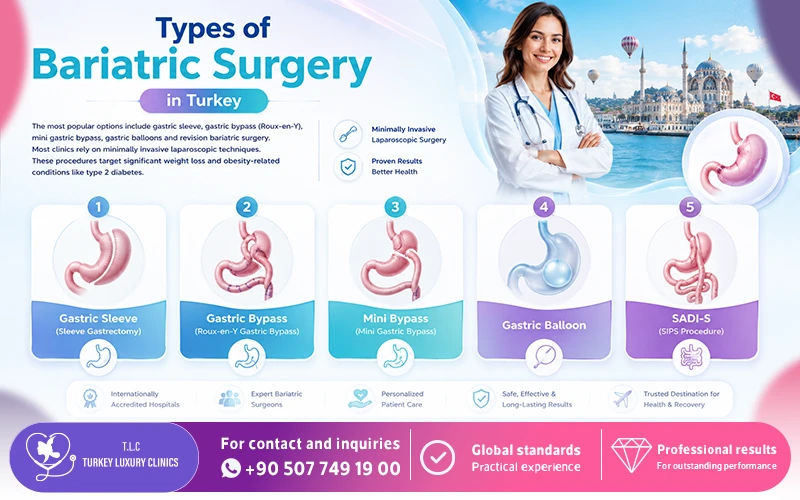
The most popular options include gastric sleeve, gastric bypass (Roux-en-Y), mini gastric bypass, gastric balloons and revision bariatric surgery. Most clinics rely on minimally invasive laparoscopic techniques. These procedures target significant weight loss and obesity-related conditions like type 2 diabetes.
1. Gastric Sleeve (Sleeve Gastrectomy)
Gastric sleeve surgery is currently the most commonly performed bariatric procedure in Turkey. During the procedure, surgeons remove approximately 75–80% of the stomach, leaving behind a smaller sleeve-shaped stomach that reduces food intake and lowers hunger-related hormone production.
Many patients choose gastric sleeve surgery because it offers substantial weight loss without intestinal bypass, making digestion less complex than gastric bypass procedures. It is often considered for patients seeking significant long-term weight reduction with fewer nutritional absorption concerns.
However, sleeve gastrectomy may not be ideal for everyone. Patients with severe acid reflux or poorly controlled type 2 diabetes may sometimes benefit more from gastric bypass procedures depending on their medical profile and metabolic goals.
2. Gastric Bypass (Roux-en-Y Gastric Bypass)
Gastric bypass surgery creates a small stomach pouch connected directly to the small intestine, bypassing part of the digestive tract. The procedure reduces both food intake and calorie absorption, often leading to significant long-term weight loss and strong metabolic improvement.
Gastric bypass is commonly recommended for patients with severe obesity, type 2 diabetes, or significant reflux symptoms. Compared to gastric sleeve surgery, it is generally more complex and requires lifelong vitamin supplementation and nutritional monitoring after surgery.
Many bariatric specialists consider gastric bypass particularly effective for patients requiring stronger metabolic effects or reflux improvement.
3. Mini Gastric Bypass
Mini gastric bypass is a simplified variation of traditional gastric bypass surgery that uses a single connection between the stomach and small intestine. The procedure combines stomach restriction with reduced calorie absorption while typically involving shorter operative times than traditional bypass techniques.
Some patients and surgeons prefer mini gastric bypass because it may provide strong weight loss and metabolic improvement with slightly less surgical complexity in certain cases. Like other bypass procedures, it still requires long-term nutritional monitoring and dietary commitment after surgery.
4. Gastric Balloon
Gastric balloon treatment is a non-surgical and temporary weight loss procedure in which a balloon is placed inside the stomach to help patients feel full after eating smaller portions.
Because the procedure does not permanently alter stomach anatomy, gastric balloon treatment may appeal to patients seeking a less invasive or temporary alternative to bariatric surgery. However, weight loss is generally more modest than surgical bariatric procedures, and long-term results depend heavily on sustained lifestyle changes after balloon removal.
5. SADI-S / SIPS Procedure
SADI-S (Single Anastomosis Duodeno-Ileal Bypass with Sleeve Gastrectomy), also called SIPS surgery, is a newer bariatric procedure that combines sleeve gastrectomy with intestinal bypass components to achieve significant weight loss and metabolic improvement.
The procedure is often considered for patients with severe obesity, particularly individuals with a BMI over 50 or patients requiring more aggressive long-term metabolic intervention. Because nutrient absorption is more significantly affected, careful nutritional monitoring and long-term follow-up are especially important after surgery.
6. Adjustable Gastric Band (Lap Band)
Lap band surgery places an adjustable silicone band around the upper stomach to create a small pouch, without cutting or removing any stomach tissue. It is the only reversible bariatric procedure, and the band can be tightened or loosened after surgery.
Its use has declined significantly in recent years. Long-term studies showed lower weight loss and higher rates of band slippage, erosion, and removal compared with sleeve gastrectomy. Many centers now perform it only in selected cases, and lap band revision to sleeve has become one of the more common bariatric revision procedures.
Read the full comparison: lap band vs gastric sleeve
Bariatric Surgery Risks and Complications
Bariatric surgery is generally safe, but it carries potential short-term and long-term risks. Common complications include anastomotic leaks, infections, blood clots (deep vein thrombosis), nutritional deficiencies, dumping syndrome, hernias, and ulcers.
Some patients may require additional follow-up procedures depending on their condition and surgical outcome. However, serious complications are uncommon, and the overall risk is significantly outweighed by the reduction in obesity-related health risks and mortality.

Possible Procedure-Specific Risks
Procedure | Possible Risks & Considerations |
Gastric Sleeve | Reflux symptoms, staple line leaks, possible nutritional deficiencies |
Gastric Bypass | Dumping syndrome, vitamin deficiencies, internal hernias |
Mini Gastric Bypass | Bile reflux, nutritional deficiencies, digestive side effects |
Gastric Balloon | Nausea, stomach discomfort, temporary weight regain |
SADI-S / SIPS | Higher malabsorption risk, strict nutritional monitoring required |
Revision Surgery | Increased complexity due to scar tissue and altered anatomy |
Recovery after bariatric surgery in Turkey
Bariatric surgery recovery typically involves a 2–3 day hospital stay, with most international patients able to travel within several days depending on the procedure and recovery progress. Many patients gradually return to normal daily activities and work within 2–6 weeks.
During recovery, patients are usually advised to:
- walk early to support circulation and recovery
- avoid heavy lifting for 4–6 weeks
- follow a structured phased diet progressing gradually from liquids to solid foods
Most bariatric programs also provide nutritional guidance and post-operative support to help patients recover safely and adapt to long-term lifestyle changes after surgery.
Post-Bariatric Surgery Diet Progression
Recovery Phase | Typical Diet |
Days 1–3 | Clear liquids and hydration |
Week 1–2 | Protein-rich liquids |
Week 3–4 | Pureed and soft foods |
Week 5–6 | Gradual transition to solid foods |
Return to Activity Timeline
Activity | Typical Timeline |
Walking | Within hours after surgery |
Light daily activities | 1–2 weeks |
Office-based work | 2–4 weeks |
Heavy lifting / intense exercise | 4–6 weeks |
How Much Weight Can You Lose After Bariatric Surgery?
Bariatric surgery is generally considered successful when patients lose at least 50% of their excess weight and maintain it long term. Most patients lose 60–80% of their excess weight within the first two years, and long-term studies show that the majority maintain substantial weight loss many years after surgery, particularly with ongoing dietary and lifestyle support.
What to Expect Years After Bariatric Surgery
Long-term results after bariatric surgery vary depending on the procedure performed, metabolic health, eating habits, and long-term lifestyle adherence. Many patients experience significant weight loss within the first 12–24 months after surgery, with studies commonly reporting approximately 50–80% excess weight loss after procedures such as gastric sleeve or gastric bypass.
Many patients also report noticeable improvement in obesity-related conditions such as:
- type 2 diabetes
- high blood pressure
- sleep apnea
- joint pain
- fatty liver disease
- mobility and physical activity levels
However, long-term bariatric success depends heavily on continued commitment to healthy lifestyle changes, including balanced nutrition, portion control, regular physical activity, hydration, vitamin supplementation when required, and management of emotional or addictive eating behaviors after surgery.
Which Bariatric Surgery Has the Best Long-Term Results?
Roux-en-Y gastric bypass is often considered one of the most effective bariatric procedures for long-term weight loss and improvement of obesity-related conditions such as type 2 diabetes. However, sleeve gastrectomy also provides strong long-term results for many patients and remains one of the most commonly performed bariatric procedures worldwide due to its lower procedural complexity and favorable recovery profile.
Long-term studies suggest that Roux-en-Y gastric bypass may lead to approximately 60–80% excess weight loss in many patients, while sleeve gastrectomy is often associated with around 50–70% excess weight loss depending on metabolic health, dietary adherence, and long-term lifestyle changes.
Bariatric Surgery Procedure Comparison
Procedure | Average Excess Weight Loss | Best For | Recovery Complexity | Long-Term Nutritional Monitoring |
Gastric Sleeve | 50–70% | General obesity treatment | Moderate | Moderate |
Gastric Bypass | 60–80% | Diabetes & reflux | Higher | High |
Mini Gastric Bypass | 60–75% | Strong metabolic effects | Moderate–High | High |
Gastric Balloon | 10–15% of total body weight | Temporary weight loss | Low | Low |
SADI-S / SIPS | 70–90% | Severe obesity (BMI 50+) | High | Very High |
How to Choose the Right Bariatric Surgery Procedure
Procedure | Often Considered For |
Gastric Sleeve | Patients seeking simpler anatomy with strong long-term weight loss |
Gastric Bypass | Severe reflux or uncontrolled type 2 diabetes |
Mini Gastric Bypass | Strong metabolic effects with shorter operative time |
Gastric Balloon | Temporary or less invasive weight loss support |
SADI-S / SIPS | Severe obesity (BMI over 50) or advanced metabolic disease |
The most appropriate bariatric procedure depends on factors such as BMI, metabolic health, eating behaviors, reflux symptoms, nutritional considerations, and long-term treatment goals. Final procedure selection should always be based on evaluation by an experienced bariatric surgeon.
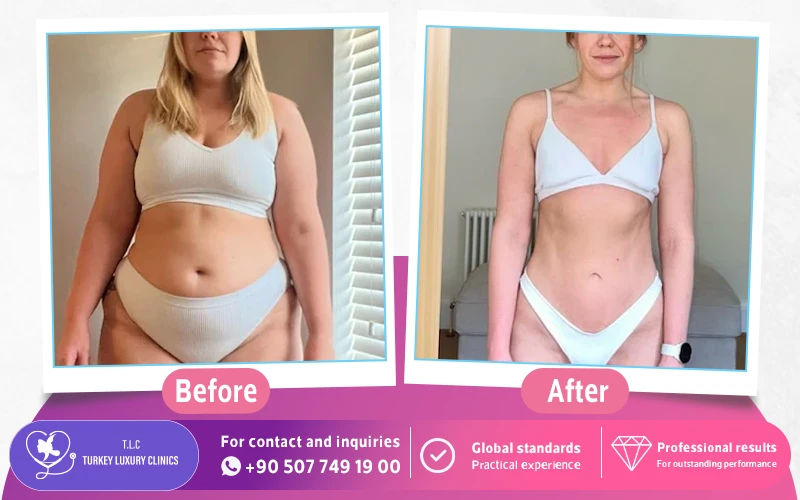
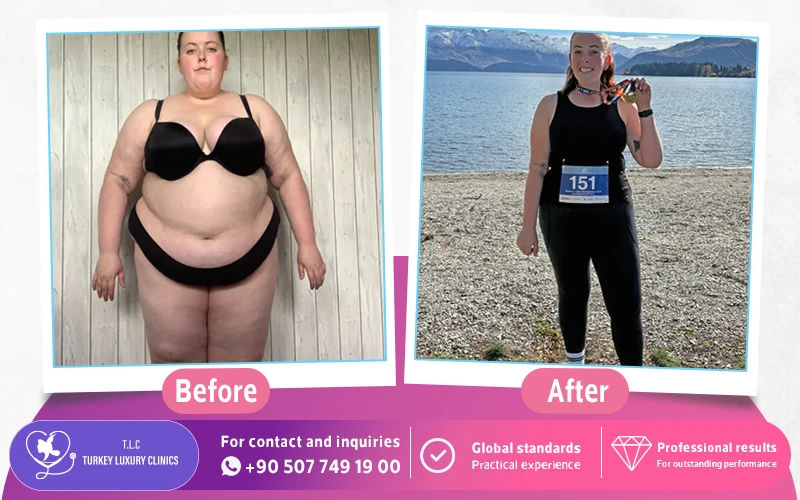
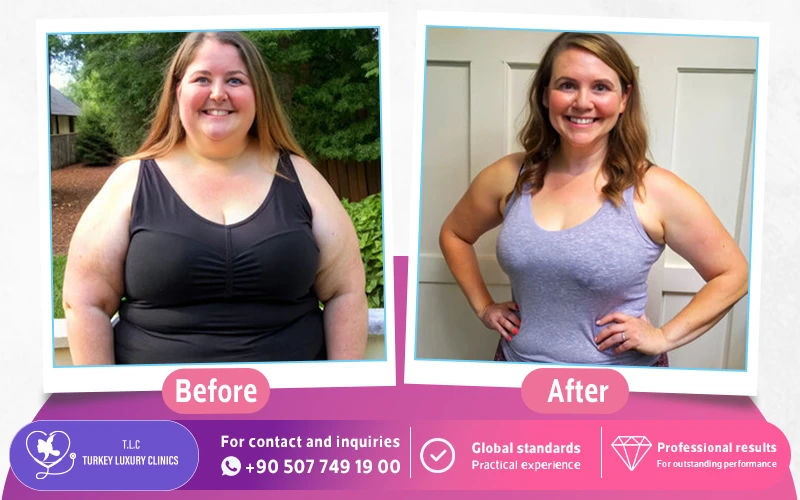
Bariatric Surgery in Turkey Before and After Photos
Why Patients Travel to Turkey for Bariatric Surgery
Turkey has become one of the leading destinations for bariatric surgery due to its combination of experienced bariatric surgeons, internationally accredited hospitals, and significantly lower treatment costs compared to many Western countries.
Many international patients choose Turkey for access to high-volume bariatric centers, shorter waiting times, and all-inclusive medical tourism programs that combine surgery, accommodation, transportation, and post-operative support within a coordinated treatment experience.
Turkey Luxury Clinics helps international patients compare accredited bariatric hospitals, coordinate treatment plans, and navigate every stage of the bariatric surgery journey with personalized medical tourism support.
FAQs About Bariatric Surgery in Turkey