


- Can I Lose Weight in 2 Weeks? Scientific Explaination
- How to Lose Weight Fast in 2 Weeks?
- Can You Actually Lose 10 kg in 2 Weeks?
- Can You Lose 5 kg in 2 Weeks?
- Factors Affecting the Speed of Weight Loss
- How to Lose 10 Pounds in 2 Weeks (Safe & Realistic Plan)
- Diet Plan for Weight Loss in 2 Weeks
- How to Lose Weight Fast and Naturally in 6 Steps
- HOW TO LOSE WEIGHT IN 2 WEEKS SUSTAINABLY
- 3 Practical Plans to Lose 10 Pounds in 2 Weeks
- How to Lose Weight Naturally and Permanently?
- How Do Women Lose Weight in 2 Weeks?
- Prescription Weight Loss Treatments (GLP-1, Fat Blockers & More)
- When Should You Consider Medical Weight Loss?
- Takeaways About How to Lose Weight in 2 Weeks
- References
- FAQs About How to Lose Weight in 2 Weeks
Realistically, you can lose 2–4 kg (4–9 lb) in 14 days with a structured plan that combines a calorie deficit, adequate protein intake to preserve muscle, regular exercise, and proper sleep.
This typically includes a daily calorie deficit of 500–750 kcal, around 1.6–2.2 g of protein per kg of body weight to maintain muscle mass, along with a routine that combines cardio and resistance training.
Most of the weight lost in the first few days is water and glycogen — not fat — which is why progress appears fast at the beginning and then slows down. Losing more than 1 kg per week without medical supervision is rarely sustainable and often leads to muscle loss, dehydration, and weight regain.
Of the 2–4 kg (4–9 lb) you may see on the scale, only about 1–2 kg (2–4 lb) is usually fat. The rest is water and glycogen.
In 2 weeks | Typical result |
Weight on the scale | 2–4 kg (4–9 lb) |
Of which is fat | 1–2 kg (2–4 lb) |
The rest | Water and glycogen |
If your goal is a larger and sustained weight loss (10+ kg), medically supervised options such as a very-low-calorie diet (VLCD), gastric balloon, or GLP-1 medications may be required depending on your health condition.
Can I Lose Weight in 2 Weeks? Scientific Explaination
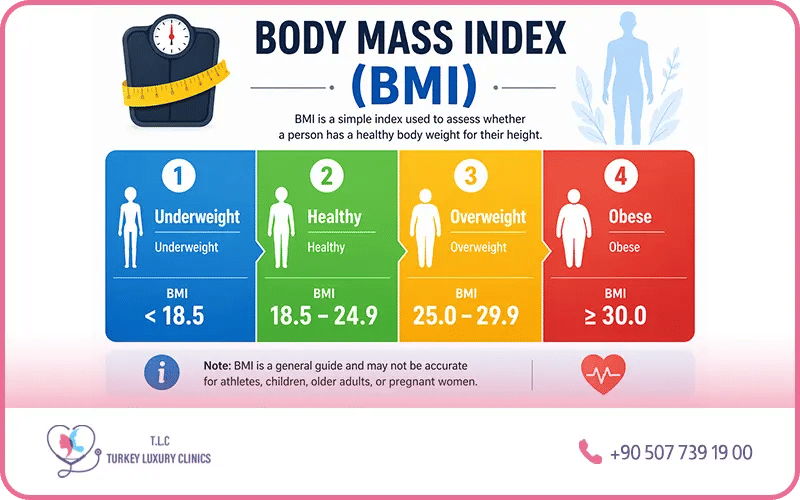
Yes, it’s possible to lose weight in two weeks with a calorie deficit and consistent activity. However, a safe and realistic rate of fat loss is about 0.5–1 kg per week, or around 1–2 kg of fat over 14 days, even if the scale shows 2–4 kg.. Losing weight too quickly can carry health risks, so maintaining a balanced diet and regular exercise remains the safest approach according to WebMD.
On the scale, most people lose around 2–4 kg (4–9 lb) in two weeks with a daily calorie deficit of 500–750 calories, but only about 1–2 kg (2–4 lb) of that is body fat. However, results vary depending on factors such as your starting weight, metabolism, activity level, and overall diet quality. People with higher body weight may lose slightly more during the same period.
While some programs promote rapid results, it is not safe or realistic to lose 10 kilograms in 2 weeks. Extreme weight loss can lead to muscle loss, dehydration, and other health risks.
For this reason, it’s always best to follow a balanced, medically safe approach and consult a healthcare professional if you have any existing conditions or plan significant dietary changes.
It is vital to distinguish between reaching a Healthy Weight and simply chasing a Low Weight. A healthy approach focuses on the Healthy BMI range (18.5–24.9) to preserve muscle mass and metabolic health, rather than extreme measures that lead to muscle loss and dehydration. Check your ideal body weight to set a realistic target.
How to Lose Weight Fast in 2 Weeks?
The fastest safe way to lose weight is not based on a single method, but on combining several proven factors consistently. This includes creating a controlled calorie deficit, maintaining adequate protein intake to preserve muscle mass, and following a balanced routine that combines both cardio and resistance training. Sleep and recovery are equally important, as they directly influence hormones that regulate fat loss.
With this approach, most people lose around 0.5–1 kg per week sustainably. Faster weight loss may occur in the first 1–2 weeks, especially in individuals with higher starting weights, but this is mainly due to water and glycogen loss rather than fat reduction.
Losing weight faster than this rate without medical supervision increases the risk of muscle loss, metabolic slowdown, and weight regain. For individuals who require significant weight reduction, medically supervised options such as very-low-calorie diets (VLCDs), GLP-1 medications, or bariatric procedures may be considered depending on overall health status.
Can You Actually Lose 10 kg in 2 Weeks?
Losing 10 kg in 14 days is medically unrealistic for most adults. The maximum safe rate of pure fat loss is roughly 1% of body weight per week — about 1 kg for someone weighing 100 kg.
The only situations where the scale may drop by 10 kg within 14 days include:
Starting weight above 130 kg under a physician-supervised very-low-calorie diet (VLCD)
The first 14 days of a gastric balloon program, combining physical restriction with a structured 800–1,000 kcal diet
Early initiation of GLP-1 medications in patients with significant water retention
In all other cases, attempting to lose 10 kg in 14 days can lead to dangerous dehydration, electrolyte imbalance, and gallstone formation,and much of the weight lost is often regained soon after.
A more realistic and safe 14-day target for a healthy adult is 2–4 kg on the scale. If your goal is to lose 10 kg or more, the appropriate next step is a medical consultation, not a short-term crash plan.
Can You Lose 5 kg in 2 Weeks?
Losing 5 kg (11 lb) on the scale in two weeks is possible for some people, but losing 5 kg of pure body fat in 14 days is not realistic or safe. A more realistic fat-loss rate is around 0.5–1 kg per week. Any additional rapid drop on the scale is often partly water and glycogen rather than body fat.
If your goal is to lose 5 kg, focus on a moderate calorie deficit, adequate protein, daily movement, and resistance training rather than extreme calorie restriction. Your starting weight, activity level, and water retention can all affect how quickly the scale changes.
Factors Affecting the Speed of Weight Loss
Basal Metabolic Rate (BMR): The number of calories your body burns at rest. Larger bodies or those with more muscle naturally have a higher BMR.
Age: Metabolism tends to slow down with age due to the loss of muscle mass and hormonal changes.
Gender: Men usually lose weight faster than women because they typically have more muscle mass and less body fat.
Starting Weight: Individuals with a higher starting weight often see faster initial progress because their bodies require more energy to function.
Activity Level: Both formal exercise and "NEAT" (Non-Exercise Activity Thermogenesis, like walking or fidgeting) significantly impact the daily calorie burn.
Sleep Quality & Stress: High stress and poor sleep can lead to hormonal imbalances (like high Cortisol), which may slow down fat loss and increase cravings.
How to Lose 10 Pounds in 2 Weeks (Safe & Realistic Plan)
Yes, losing 10 lb (4.5 kg) on the scale in 14 days is achievable, but only if your starting weight is above roughly 80 kg (175 lb), and you accept that 4–6 lb of this loss will come from water and glycogen, not fat.
The most realistic approach includes a daily calorie deficit of up to 1,000 kcal, high protein intake (around 1.6 – 2.2 g per kg of body weight), regular training, and reduced sodium intake to help release retained water.
Below this starting weight — or if you have a history of restrictive dieting — a safer and more sustainable goal is 4–6 lb in 14 days. Losing weight faster than this without medical supervision often leads to muscle loss, metabolic slowdown, and weight regain.
For larger and sustained weight loss (20+ lb within 6 months), medically supervised options such as GLP-1 medications or a gastric balloon may be required.
1. Calculate Your Calorie Deficit
To lose weight, you must create a calorie deficit. This means burning more energy than you take in from food and drinks.
You can simply use our calorie calculator to determine your daily calorie requirements based on your height, gender, and daily activity.
The calculator gives you directly the number of calories you must eat to maintain weight, but to lose weight, decrease around 500 to 750 kcal from your daily requirements. By lowering these kcal from your foods or by burning these kcal in exercises or best, by combining these diet and exercises.
A safe and effective goal for a 2-week jump-start is a deficit of 500 to 750 calories per day.
2. Build a Realistic Diet Plan
Understanding the science of what to eat vs. what to avoid is the key to sustainable weight loss. By combining the Thermic Effect of Food (TEF) with a moderate calorie deficit, you can create a personalized meal plan that fits your lifestyle. Use the following Smart Swaps and Reference Tables to select your daily meals and keep your metabolism active.
3. Replace High Energy with Low Energy Food for Fast Weight Loss
To cut hundreds of calories without eating less, use these simple yet effective swaps during your 2-week journey:
Swap Processed for Natural: Replace chips with fresh berries or raw nuts to stay full and reduce bloating.
Swap Fried for Boiled: Choose steamed veggies and boiled eggs over fried meals to cut hidden trans fats.
Swap Simple for Complex Carbs: Switch white bread for oats, quinoa, or brown rice for steady energy.
Swap Liquid Calories for Solids: Replace sodas with water and whole fruits to eliminate hidden sugars.
Swap Unhealthy for Healthy Fats: Use olive oil and avocado instead of margarine to boost metabolism.
Swap Fatty for Lean Protein: Opt for chicken breast or fish instead of sausages to protect your muscles.
4. Choose Food that Boost Metabolism (TEF)
To maximize fat loss, choose foods with a high Thermic Effect of Food (TEF). This means your body burns more calories just by digesting them:
Protein: Swap fatty meats for chicken breast or fish. Protein requires the most energy to digest, burning up to 30% of its calories during the process.
Carbs: Swap white bread for oats or quinoa. Complex carbs and fiber force your digestive system to work harder and longer.
Cooking Method: Swap fried for boiled or steamed eggs and veggies. Raw or lightly cooked foods maintain their structure, requiring more metabolic effort to break down than greasy, fried alternatives.
Snacks: Swap chips for raw nuts. The physical act of breaking down whole, crunchy foods increases calorie expenditure compared to soft, processed snacks.
5. Table of Food to Eat and Food to Avoid
Eat (Recommended Foods)
Avoid (Foods to Skip)
Lean Protein: chicken, fish, eggs, beans
Sugary drinks, soda, energy drinks
Vegetables: leafy greens, broccoli, cauliflower
White bread, pasta, pastries
Whole Grains (small portions): brown rice, oats, quinoa
Refined carbs and packaged snacks
Healthy Fats: olive oil, avocado, nuts, seeds
Fried foods, trans fats, margarine
Fruits: 3–4 servings (berries, apples, oranges)
Candy, chocolate, desserts high in sugar
Legumes: lentils, chickpeas, black beans
Sugary breakfast cereals
Low-Fat Dairy: yogurt, milk, cheese
Full-fat cheese, cream, ice cream
6. Exercise Strategy to Burn Fat Fast in 2 Weeks
Exercise plays a crucial role in weight loss by increasing daily energy expenditure, creating a calorie deficit, and preserving muscle mass while promoting fat loss. While diet is primary for losing weight, regular exercise is essential for maintaining that weight loss over time. A combination of aerobic activity and resistance training provides the best results.
1. Daily Movement Goal: Aim for at least 30 to 60 minutes of moderate physical activity every day. Activities like brisk walking, cycling, or swimming are highly recommended to maintain a consistent calorie burn.
2. Prioritize Strength Training: Include resistance exercises (like push-ups, squats, or light weights) 2 to 3 times a week. Building muscle is essential because muscle tissue burns more calories than fat, even while you are resting.
3. Increase Your NEAT: Boost your "Non-Exercise Activity" by taking the stairs instead of the elevator, pacing while on the phone, or increasing your daily step count. These small movements add up significantly over 14 days.
4. Reduce Sedentary Time: Break the habit of sitting for long periods. Mayo Clinic suggests replacing "screen time" (TV or phone) with any form of active movement to keep your metabolism from slowing down.
5. Consistency Over Intensity: You don't need to overtrain to see results. The key to a successful 2-week sprint is staying active every single day to prevent the metabolic slowdown that often comes with a calorie deficit.
Diet Plan for Weight Loss in 2 Weeks
1. The 30-30-30 Rule
The 30-30-30 rule is a simple morning routine that helps kick-start weight loss in just two weeks. It starts by eating 30 grams of protein within 30 minutes of waking up, followed by 30 minutes of low-intensity activity like walking. This approach helps stabilize blood sugar early in the day, reduces cravings, and keeps your metabolism active, making it easier to stay within your calorie target.
2. Elimination Diet
An elimination diet focuses on removing foods that slow down weight loss and cause bloating. For 14 days, you cut out refined sugar, white bread, pasta, and processed snacks. This allows your digestive system to reset, reduces inflammation, and often leads to quick initial weight loss, especially from reduced water retention.
3. High-Protein Meal Replacements
High-protein meal replacements are a practical way to control calories without overthinking meals. By replacing one or two meals per day with a protein shake or nutrition bar, you create a consistent calorie deficit while still giving your body enough protein to maintain muscle mass. This makes weight loss faster and more controlled.
4. Mediterranean Diet
The Mediterranean diet is one of the most balanced and sustainable ways to lose weight. It focuses on healthy fats like olive oil, lean proteins such as fish and chicken, and plenty of vegetables and whole grains. This approach helps you lose weight steadily without feeling restricted, making it ideal after the initial 2-week jump-start.
5. Very Low-Calorie Diet (VLCD)
A very low-calorie diet is a more aggressive method used for rapid weight loss under supervision. It involves reducing daily intake to around 800 calories or less for a short period. While it can lead to significant results in two weeks, it should be followed carefully to avoid health risks and ensure proper nutrient intake.
How to Lose Weight Fast and Naturally in 6 Steps
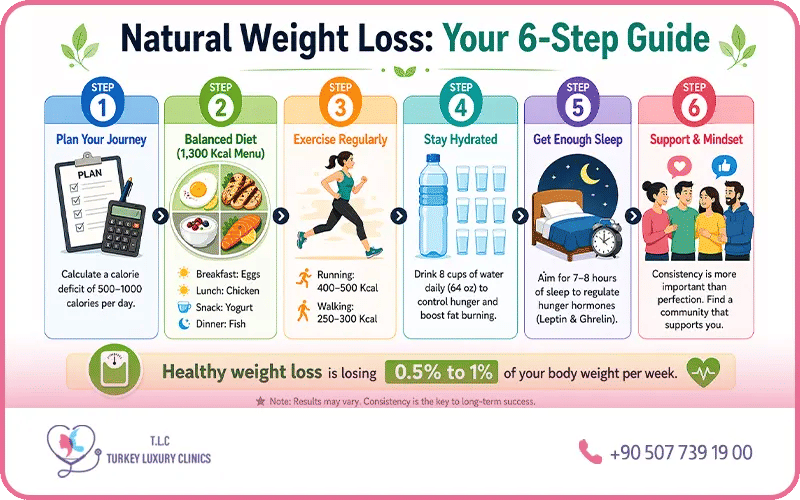
To lose weight healthily, make a diet plan for weight loss consisting of cutting 500 to 750 calories a day (up to 1,000 if you weigh more than about 80 kg) by eating less and exercising more, consuming fewer than 1,200 calories or crash dieting may cause harmful effects on the body, including stress and tiredness
Step 1: Plan Your Calories, Meals, and Activity
Start by calculating the total energy (calories) your body needs, then factor in a calorie deficit for weight loss. Decide how you’ll reduce calories—through diet, exercise, or a combination of both. Plan 4–5 balanced meals each day and include daily physical activity to support your goals.
Step 2: Eat a Balanced, Healthy Diet
Sample 1,200-Calorie Daily Weight Loss Menu
Meal
Ingredients
Estimated Calories
Breakfast
2 Boiled Eggs + ½ Avocado + 1 slice Whole-Grain Toast
300 kcal
Lunch
150g Grilled Chicken + 1 cup Broccoli + ½ cup Quinoa
400 kcal
Snack
Small Greek Yogurt (unsweetened) + 7 Raw Almonds
150 kcal
Dinner
150g Grilled Fish (or Tuna) + Large Green Salad
350 kcal
Total
Nutrient-Dense & High-Protein Fuel
1,200 kcal
Step 3: Exercise Regularly
Exercise Calorie Guide (30-60 Min)
Activity
Intensity / Mode
Est. Burn (kcal)
Interval Running
2 min Sprint / 1 min Jog
400 - 500 kcal
Brisk Walking
4-5 mph (Fast Pace)
250 - 300 kcal
Swimming
Freestyle or Butterfly
450 - 500 kcal
Cycling
Moderate Resistance
350 - 400 kcal
HIIT Workout
20 min (Max Effort)
300 - 400 kcal
Strength Training
Squats, Lunges, Push-ups
200 - 300 kcal
To lose weight in two weeks, incorporate a mix of cardio exercises and strength training exercises into your routine, aiming for at least 30 minutes of exercise most days of the week.
1. Cardio exercises: burn a significant amount of calories
Running: Aim for about 30 minutes a day, 4 to 5 times a week. If you want faster results, try interval running—alternate between sprints and light jogging to keep your metabolism fired up.
Swimming: A 45-minute swim 3 times a week can burn 400–500 calories. For maximum effect, choose strokes like freestyle or butterfly to engage more muscles.
Cycling: Go for 30 to 45 minutes, 4 times a week. Whether you use a stationary bike or ride outdoors, it’s an excellent way to burn 250–400 calories per session. If time is tight, set up a stationary bike at home to stay consistent.
Walking: Walk for 45–60 minutes daily and you’ll burn up to 250 calories each session. Take a walk right after meals to aid digestion and prevent fat storage.
2. Strength training: build muscle and boost metabolism
Spending 30 minutes, 3 times a week on weightlifting or bodyweight exercises like squats and push-ups helps preserve muscle and boosts metabolism.
3. HIIT (High-Intensity Interval Training):
Alternate 30 seconds of all-out effort (like sprinting or burpees) with 30 seconds of rest for incredible fat-burning results. 20 minutes, three times a week is enough.
Step 4: Stay Hydrated
Drink around 8 glasses (64 oz) of water a day, or use our water intake calculator to find your exact amount. Staying hydrated helps control hunger and supports metabolism—but avoid excessive intake.
Step 5: Get Enough Sleep
Aim for 7–8 hours of sleep each night. Good sleep regulates hormones that control appetite and metabolism. Sleeping less than 5 hours regularly is linked to higher risk of weight gain.
Step 6: Get Support & Mindset
Losing weight is a mental challenge; staying motivated is as important as the diet itself. Share your goals with a friend or join a community to stay accountable and reduce stress. Remember, consistency beats perfection—if you slip up, just make your next meal a healthy one. Losing weight in 2 weeks is a mental challenge as much as a physical one. Your brain often feels "hungry" even when your body isn't.
HOW TO LOSE WEIGHT IN 2 WEEKS SUSTAINABLY
If the goal is kick-starting a longer journey rather than urgent weight loss, a sustainable 14-day approach can lead to a loss of around 1.5–2.5 kg with minimal rebound risk. Aim for a 400 kcal daily deficit (rather than 750), three resistance-training sessions per week, plus one longer walk over the weekend, and approximately 1.6 g of protein per kilogram of body weight.
Avoid juice cleanses, fasting beyond 16 hours, and extreme low-carb experiments, as these often lead to the rebound effect commonly seen in clinical settings. By day 14, you are typically lighter and stronger, and most importantly, in a better position to continue into week 3 and beyond, the phase where meaningful body recomposition begins.
3 Practical Plans to Lose 10 Pounds in 2 Weeks
Below are some practical plans to guide you through this short timeframe.
Plan 1: Intermittent Fasting (IF) for 2 Weeks
The intermittent fasting weight loss strategy involves setting periods where you avoid eating. This often results in a calorie deficit and hormonal changes that can help people lose weight. Intermittent fasting is an eating pattern that involves regular, short-term fasts, or periods of minimal or no food consumption. Intermittent fasting is a popular approach that involves alternating periods of eating and fasting, such as the 16:8 method (16 hours fasting, 8 hours eating window). It is also called Time-Restricted Eating.
Schedule (16:8)
Fasting window: 8:00 PM – 12:00 PM (water, black coffee, or unsweetened tea only)
Fasting for more than 16 hours may increase the risk of gallstones, so keep to the 16:8 window.
Eating window: 12:00 PM – 8:00 PM
Lunch (12 PM): Grilled chicken, quinoa, and salad
Snack (4 PM): Greek yogurt with berries
Dinner (7 PM): Salmon, steamed vegetables, olive oil dressing
Expected Results: 3–6 pounds on the scale in two weeks (mostly water and glycogen at first). For sustainable fat loss, combine IF with a calorie deficit and regular exercise.
Plan 2: Low-Calorie Balanced Diet + Cardio for 2 Weeks
LCD usually allows about 1,200 to 1,500 calories a day for women and 1,500 to 1,800 calories a day for men.
Expected results:
4–6 pounds (≈2–3 kg) on the scale in 2 weeks for most people. Higher starting weight may see more.
Day
Meals
Day 1
Breakfast: 2 boiled eggs + 1 slice whole-grain toast + ½ avocado Lunch: Grilled chicken (120g), quinoa (½ cup), steamed broccoli Snack: Greek yogurt (unsweetened) + 5 almonds Dinner: Salmon (100g), green salad with olive oil & lemon
Day 2
Breakfast: Oatmeal (½ cup) with berries + 1 tsp honey Lunch: Turkey breast (120g), roasted sweet potatoes (½ cup), spinach saladSnack: 1 apple Dinner: Grilled tuna (100g), zucchini & mushrooms
Day 3
Breakfast: 1 scrambled egg + 1 slice whole-grain bread + ½ avocado Lunch: Grilled chicken breast (120g), brown rice (½ cup), green beans Snack: 1 small banana Dinner: Baked cod (100g), mixed greens
Day 4
Breakfast: Greek yogurt with 1 tbsp chia seeds
Lunch: Grilled turkey, quinoa, steamed broccoli Snack: Handful of almonds
Dinner: Salmon fillet, roasted cauliflower
Day 5
Breakfast: 2 boiled eggs + green tea
Lunch: Chicken salad (lettuce, cucumber, olive oil) Snack: 1 pear
Dinner: Grilled shrimp + sautéed spinach
Day 6
Breakfast: Smoothie (spinach, protein powder, unsweetened almond milk) Lunch: Lean beef strips with mixed vegetables Snack: 1 boiled egg
Dinner: Grilled salmon + roasted asparagus
Day 7
Breakfast: Oatmeal with almond butter (1 tsp) Lunch: Chicken breast + roasted zucchini Snack: 1 orange Dinner: Baked tuna + broccoli
Day 8–14
Repeat days 1–7 with small variations (switch protein, veggies, or fruit)
Plan 3: Keto Diet for 2 Weeks
The keto diet is based on an extremely low intake of carbohydrates—under 20–30g net carbs per day—combined with moderate protein intake (about 1.2–1.6 g per kg of body weight per day) and high fat intake (typically 70–75% of total calories, which is around 100–150g of fat per day for most people). Learn more about the keto diet Here
Keto is not recommended for individuals with kidney disease, liver conditions, or certain metabolic disorders without medical supervision.
Expected results: 5–8 pounds on the scale in 2 weeks (initial loss is mostly water and glycogen, fat loss follows with adherence).
14-Day Keto Meal Plan Table
Day
Meals
Day 1
Breakfast: 2 scrambled eggs in butter + ½ avocado Lunch: Grilled salmon (120g) + spinach salad (olive oil dressing) Snack: 10 almonds Dinner: Chicken thighs (skin-on) + roasted zucchini
Day 2
Breakfast: Omelette (eggs + cheese + spinach) Lunch: Beef burger (no bun) + side salad Snack: Cheese sticks Dinner: Grilled tuna + steamed broccoli
Day 3
Breakfast: Boiled eggs + coffee with heavy cream Lunch: Chicken Caesar salad (no croutons) Snack: Celery sticks with cream cheese Dinner: Pork chops + sautéed mushrooms
Day 4
Breakfast: Keto smoothie (unsweetened almond milk, spinach, avocado) Lunch: Salmon salad + olive oil Snack: Handful of pecans Dinner: Grilled chicken thighs + zucchini noodles
Day 5
Breakfast: Fried eggs + bacon Lunch: Shrimp stir-fry with low-carb veggies Snack: Cheese cubes Dinner: Grilled steak + roasted cauliflower
Day 6
Breakfast: Omelette with feta and olives Lunch: Chicken drumsticks + sautéed spinach Snack: ½ avocado Dinner: Tuna steak + asparagus
Day 7
Breakfast: 2 boiled eggs + black coffee Lunch: Beef strips + mixed greens Snack: Keto fat bombs (homemade) Dinner: Salmon fillet + green beans
Day 8–14
Repeat days 1–7 with variations of protein and greens
How to Lose Weight Naturally and Permanently?
Fast weight loss and permanent results are often conflicting goals, especially when the rate of loss exceeds about 1% of body weight per week. At this speed, the body tends to activate natural adaptations that increase the risk of weight regain.
One key mechanism is a drop in leptin levels, which leads to stronger hunger signals and reduced satiety. Another is a decrease in thyroid activity, which can slow down metabolic rate and energy expenditure.
Muscle loss can also occur if the approach is too aggressive, reducing the number of calories burned at rest and during daily activities.
For this reason, a more realistic and sustainable strategy focuses on working with the body’s limits rather than against them. This usually means creating a moderate calorie deficit of around 500 kcal per day while ensuring sufficient protein intake of 1.6–2.2 g per kg of body weight.
It also includes resistance training around three times per week to preserve muscle mass, along with 7–9 hours of quality sleep to support hormonal balance and recovery.
A planned maintenance break of about one week per month can further help stabilize appetite hormones such as leptin and reduce metabolic adaptation over time.
With this structured and balanced approach, many individuals achieve gradual fat loss of roughly 0.5–1 kg per week over several months in a way that is more likely to be maintained long term.
How Do Women Lose Weight in 2 Weeks?
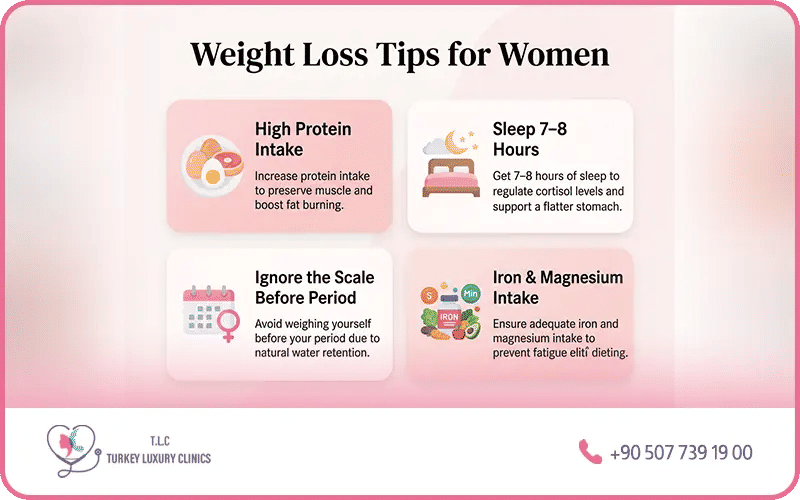
Female fat loss in 2 weeks works slightly differently due to hormonal and metabolic factors. Water retention during the menstrual cycle can temporarily mask fat loss by 1–2 kg, especially in the luteal phase, so weekly measurements are more accurate than daily weighing.
Women also tend to lose lean muscle faster in a calorie deficit, which makes adequate protein intake (around 1.6–2.0 g per kg of body weight) and resistance training essential to maintain results.
Very low-calorie diets below 1,200 kcal for extended periods may slow metabolism and increase fatigue, making consistency more difficult. For most women, a realistic 14-day result is around 1.5–3 kg on the scale, of which roughly 1–1.5 kg is fat, with more visible body changes often appearing in the third week once water retention decreases.
In cases involving conditions such as PCOS, thyroid imbalance, or repeated diet failure, a medically supervised approach, including GLP-1 medications or a 6-month gastric balloon, may be considered as a next step.
Prescription Weight Loss Treatments (GLP-1, Fat Blockers & More)
If you have a high BMI or underlying health conditions, natural methods might need a "medical boost." Science now offers several pathways for significant, sustainable weight loss:
GLP-1 Receptor Agonists (The New Era): Medications like Semaglutide (Ozempic/Wegovy) and Tirzepatide (Mounjaro) have revolutionized weight loss. They work by mimicking hormones that target brain areas regulating appetite and food intake, making you feel full longer.
Appetite Suppressants: Older but effective FDA-approved drugs (like Phentermine) work on the central nervous system to reduce hunger signals.
Fat Absorption Inhibitors: Medications like Orlistat (Xenical) prevent your intestines from absorbing about 25% of the fat you eat, which is then eliminated from the body
When Should You Consider Medical Weight Loss?
If you've followed plans like these before and regained the weight, the issue usually isn't willpower, it's that appetite and metabolism adapt to fight the deficit. That's the point at which medical options become relevant.
Gastric balloon , non-surgical and reversible, placed endoscopically for 6–12 months. Typical loss 10–15 kg. From $1,700 in Turkey.
GLP-1 medication, semaglutide or tirzepatide, taken weekly. Typical loss 15–20% of body weight over a year, but weight often returns if stopped.
Gastric sleeve, permanent, for BMI 35+ or BMI 30+ with related conditions. Typical loss 60–70% of excess weight. From $2,900 in Turkey.
None of these replaces the habits in this article — they make the deficit possible to sustain. Compare full costs and eligibility in our guides to gastric balloon, gastric sleeve cost in Turkey, and who qualifies for a gastric sleeve.
Takeaways About How to Lose Weight in 2 Weeks
Losing 10 pounds in 2 weeks is possible on the scale for heavier people, but most of it is water, not fat.
A realistic goal is 2–4 kg (4–9 lb) on the scale in two weeks, of which about 2–4 pounds is fat (1–2 pounds of fat per week is considered safe).
Very low-calorie diets (≈800 kcal/day) may cause 3–5 pounds loss per week, but most of it is water and muscle, not fat, and it’s not sustainable.
Rapid weight loss often means skipping exercise due to low energy, resulting in muscle and water loss.
The best long-term strategy: eat healthy, reduce calories moderately, and combine cardio with strength training.
Hydration matters: About 8 glasses (64 oz) per day helps manage hunger, but don’t overdo it.
Sleep is crucial: 7–8 hours per night regulates appetite and metabolism; less than 5 hours increases weight gain risk.
References
1. WebMD – Rapid Weight Loss: https://www.webmd.com/diet/rapid-weight-loss
2. MedlinePlus – Diet for rapid weight loss: https://medlineplus.gov/ency/patientinstructions/000885.htm
3. CDC – Steps for Losing Weight: https://www.cdc.gov/healthy-weight-growth/losing-weight/index.html
4. Mayo Clinic – The Mayo Clinic Diet: https://www.mayoclinic.org/healthy-lifestyle/weight-loss/in-depth/mayo-clinic-diet/art-20045460
FAQs About How to Lose Weight in 2 Weeks