

- Can Loose Skin Become Tight Again?
- Best Ways to Tighten Loose Skin Based on Severity
- How to Get Rid of Loose Skin After Weight Loss?
- How to Tighten Loose Skin After Weight Loss?
- Non-Surgical vs. Surgical Skin Tightening: Key Differences
- Natural Methods to Tighten Loose Skin After Weight Loss
- Surgeries that Tighten Loose Skin After Weight Loss
- How to Tighten Loose Arm Skin After Weight Loss
- How to Tighten Loose Breast Skin After Weight Loss
- How to Tighten Loose Skin on Neck After Weight Loss
- How to Tighten Loose Skin on Thighs After Weight Loss
- How to Tighten Loose Face Skin After Weight Loss
- How to Tighten Loose Tummy (Belly) Skin After Weight Loss
- How to Tighten Loose Skin After Rapid or Major Weight Loss
- How Long Does It Take for Loose Skin to Tighten After Weight Loss?
- Tighten Your Skin and Contour Your Body at Turkey Luxury Clinics
- FAQs About How to Tighten Loose Skin After Weight Loss
Loose skin after weight loss can often improve naturally if the skin still has sufficient elasticity. Strength training, adequate protein intake, hydration, and collagen-supporting nutrition can noticeably improve mild to moderate skin laxity.
However, when a large amount of excess skin remains after significant weight loss, body contouring surgery is usually the only effective and permanent solution.
The right treatment depends on the severity of skin laxity, the amount of weight lost, your age, and your skin's natural elasticity. In this guide, you'll learn the most effective natural, non-surgical, and surgical treatments for tightening loose skin on the abdomen, arms, thighs, face, and other areas.
Can Loose Skin Become Tight Again?
Yes, but only to a limited extent. Mild loose skin caused by small weight fluctuations or aging may tighten naturally over time or improve with resistance training and muscle building. However, significant sagging after major weight loss usually cannot tighten enough on its own and often requires surgical removal of excess skin.
What Factors Affect Loose Skin Tightening?
- Amount and speed of weight loss: Gradual weight loss gives the skin more time to adapt, while rapid weight loss—such as after bariatric surgery—often leaves excess loose skin.
- Age and genetics: Younger skin generally contains more collagen and elastin, allowing it to recover more effectively than older skin.
- Duration of skin stretching: Skin that has remained stretched for many years gradually loses its ability to recoil, reducing the likelihood of natural tightening.
What Results Can You Realistically Expect?
It's important to have realistic expectations. Natural methods such as strength training, a high-protein diet, collagen supplements, and proper skincare can improve mild to moderate skin laxity, but they cannot remove large amounts of excess skin. Likewise, no cream, supplement, or exercise program can deliver dramatic skin tightening within a few weeks. If significant hanging skin remains after major weight loss, body contouring surgery is generally the only treatment that can permanently remove the excess skin.
Best Ways to Tighten Loose Skin Based on Severity
Severity of Loose Skin | Best Treatment |
Mild | Resistance training, a high-protein diet, hydration, topical retinoids |
Moderate | RF microneedling, HIFU (Ultherapy), Thermage, plus healthy lifestyle habits |
Severe | Body contouring surgery (e.g., tummy tuck, arm lift, thigh lift, or body lift) |
How to Get Rid of Loose Skin After Weight Loss?
Surgical body contouring is the most effective way to get rid of significant loose or excess skin after major weight loss. Unlike skin-tightening methods, body contouring surgery physically removes excess or hanging skin that has lost much of its elasticity. Depending on the affected area, excess skin removal procedures may include a tummy tuck (abdominoplasty), body lift or belt lipectomy, panniculectomy, arm lift (brachioplasty), thigh lift, or breast lift.
Mild loose skin may improve without surgery, but non-surgical methods cannot remove large amounts of excess hanging skin. Resistance training can build underlying muscle and improve body contour, while adequate protein, hydration, and nutrition support overall skin health and collagen production.
Non-surgical skin-tightening treatments can improve mild to moderate skin laxity, but they do not physically remove excess skin. Options such as radiofrequency (RF), RF microneedling such as Morpheus8, and ultrasound-based treatments such as HIFU stimulate collagen remodeling and may gradually improve skin firmness.
Excess skin removal surgery may be considered when significant loose or hanging skin remains after major weight loss and cannot be adequately improved with natural or non-surgical methods. The appropriate body contouring procedure depends on the amount and location of excess skin, such as the abdomen, arms, thighs, breasts, hips, or lower body.
How to Tighten Loose Skin After Weight Loss?
Treatment | Best For | Typical Results |
High-protein diet & hydration | Mild laxity | Supports collagen production and improves skin quality |
Resistance training | Mild laxity | Builds muscle and improves body contour |
Topical retinoids | Mild laxity | Mild improvement in skin firmness |
RF & Thermage | Mild–Moderate laxity | Moderate skin tightening |
RF Microneedling (Morpheus8) | Moderate laxity | Improves firmness and skin texture |
HIFU (Ultherapy) | Mild–Moderate laxity | Gradual lifting and tightening |
Body contouring surgery | Severe laxity | Removes excess skin |
There are four main categories of treatments for loose skin after weight loss: natural lifestyle changes, exercise, non-surgical skin-tightening procedures, and body contouring surgery.
The most effective option depends on the severity of skin laxity, the amount of weight lost, your age, skin elasticity, and your long-term commitment to maintaining a healthy lifestyle.
Natural skin tightening focuses on supporting collagen production and improving skin quality through adequate protein intake, proper hydration, and a nutrient-rich diet. Resistance training is one of the most effective natural approaches because building lean muscle improves body contour and makes mild skin laxity less noticeable. Among topical treatments, retinoids have the strongest evidence for improving mild skin laxity by stimulating collagen production, although their effects are gradual and limited.
For moderate loose skin, energy-based treatments such as radiofrequency (RF), RF microneedling (Morpheus8), high-intensity focused ultrasound (HIFU/Ultherapy), and Thermage stimulate collagen remodeling and may improve skin firmness by approximately 15–25% over three to six months.
When excess skin is severe, such as after losing more than 30 kg (66 lb) or when large hanging folds remain, body contouring surgery (including abdominoplasty, brachioplasty, thigh lift, or lower body lift) is the only treatment that permanently removes excess skin.
Non-Surgical vs. Surgical Skin Tightening: Key Differences
The choice between non-surgical and surgical skin tightening depends on severity, downtime tolerance, and desired results.
Feature | Non-Surgical | Surgical |
Best For | Mild–moderate laxity | Severe sagging |
Result Speed | Gradual (2–6 months) | Immediate |
Downtime | 0–3 days | 2–6 weeks |
Longevity | 1–3 years | 10+ years |
Cost | $600–$4,000/session | $6,000–$25,000+ |
Natural Methods to Tighten Loose Skin After Weight Loss
Natural methods work best for mild to moderate loose skin by improving collagen production, skin quality, and muscle tone. While they cannot remove excess skin, they can noticeably improve firmness and body contour when used consistently.

1. Eat a Collagen- and Antioxidant-Rich Diet
Boost your skin’s elasticity and repair by eating foods rich in collagen, protein, and antioxidants. Add lean meats, fish, eggs, beans, nuts, berries, and leafy greens to your diet to nourish your skin from the inside out and support natural collagen production.
2. Protect Your Skin from UV Light and Practice Good Skincare
Shield your skin from UV rays that damage collagen and accelerate sagging. Apply sunscreen daily, limit sun exposure, and follow a consistent skincare routine to maintain elasticity and preserve firmness over time.
3. Stay Hydrated
Drink plenty of water every day to keep your skin hydrated and improve elasticity. Include hydrating foods like watermelon, cucumber, and citrus fruits to support moisture levels and enhance your skin’s overall appearance.
4. Moisturize and Nourish Your Skin

Apply natural oils or moisturizers regularly to maintain softness and strengthen the skin barrier. Choose ingredients like shea butter, coconut oil, or hyaluronic acid to lock in moisture and promote a smoother, more supple texture.
5. Build Muscle with Strength Training
Engage in regular strength training to increase muscle mass and fill out loose skin naturally. Focus on key muscle groups—arms, legs, abdomen, and back—to improve tone and enhance overall body contour.
Best Exercises to Tighten Loose Skin After Weight Loss
Exercise Type | Recommended Exercises | Target Areas |
Strength Training | Squats, lunges, deadlifts, push-ups, planks | Legs, glutes, arms, back, core |
Cardio | Running, brisk walking, jump roping, cycling | Full body, improves circulation |
Low-Impact | Swimming, yoga, pilates | Core, arms, back, legs |
Facial Exercises | Cheek lifts, jawline tighteners, forehead lifts | Face, jawline, neck |
6. Radiofrequency (RF) Therapy
Radiofrequency skin tightening works by heating beneath the skin to stimulate existing collagen fibers while triggering new collagen and elastin production.
RF energy spreads more broadly through the dermis, making it suitable for treating larger areas with mild to moderate skin laxity. It often requires a series of sessions for optimal tightening, with gradual results but no downtime or discomfort.
7. Ultrasound Therapy (HIFU / Ultherapy)
Ultrasound therapy, also known as Ultherapy, works by using High-Intensity Focused Ultrasound (HIFU) that reaches the deeper SMAS layer (the same layer targeted in facelift surgery) to lift and firm sagging areas naturally. It’s commonly used for the face, neck, and stomach, offering visible tightening over the following months as collagen rebuilds.
8. Laser Skin Tightening
Laser energy heats both the superficial and deeper layers of the skin to improve tone and elasticity. It’s particularly effective for areas with thin skin, such as the arms or inner thighs, and can also reduce pigmentation and surface irregularities while tightening.
9. RF Microneedling (Morpheus8, VirtueRF)
This advanced method combines microneedles that create controlled micro-injuries with RF energy that penetrates deep into the dermis. It’s one of the most powerful non-surgical options for post-weight-loss skin, improving firmness, texture, and even minor scars or stretch marks.
Surgeries that Tighten Loose Skin After Weight Loss

For significant loose skin, surgical procedures are often the preferred choice, as they can remove excess skin and fat while tightening underlying muscles, something that cannot be achieved through muscle-building or collagen-boosting treatments alone.
Surgical skin tightening is the most effective and long-lasting solution for full-body contouring and for addressing health issues associated with excess or folded skin.
Body lifts and related procedures offer several benefits, including a smoother, firmer appearance and the ability to reshape multiple areas at once.
However, they are also the most invasive option and carry certain risks and potential downsides, such as longer recovery times, scarring, and the possibility of complications.
You may like Is Body Sculpting Dangerous? Safety & Risks of Body Contouring
Types of Skin Tightening Surgeries:
1. Tummy Tuck (Abdominoplasty): Removes excess abdominal skin and tightens muscles.
2. Panniculectomy: Removes overhanging skin and fat in the lower abdomen.
3. Lower-Body Lift: Targets abdomen, hips, buttocks, and thighs.
4. Upper-Body Lift: Addresses excess skin in chest, back, and upper arms.
5. Thigh Lift: Removes loose skin from inner or outer thighs.
6. Arm Lift (Brachioplasty): Tightens and removes excess skin from upper arms.
7. Buttock Lift: Reshapes and tightens sagging skin in the buttocks area.
8. Facelift: Removes sagging skin and tightens facial tissues.
Candidates for Surgical ُExcess Skin Removal
Candidate | Why It Matters |
Stable weight | Reduces the risk of weight regain and improves long-term results |
Good overall health | Lowers surgical risks |
Non-smoker | Promotes better healing |
Realistic expectations | Improves satisfaction with outcomes |
How to Tighten Loose Arm Skin After Weight Loss
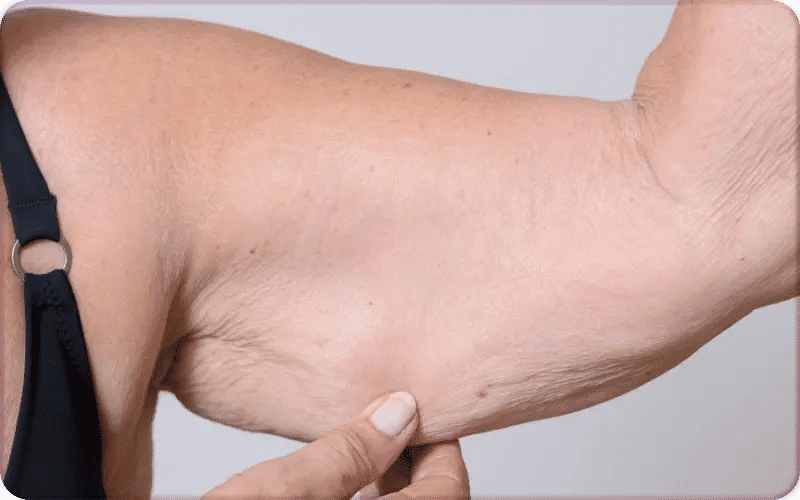
Loose skin on the arms is one of the most common concerns after major weight loss, especially around the triceps area. To tighten arm skin naturally, focus on strength training, exercises like push-ups, triceps dips, and resistance band workouts help build lean muscle and improve firmness.
For faster results, non-surgical treatments such as RF microneedling or radiofrequency therapy can stimulate collagen production and enhance skin elasticity. Staying hydrated and maintaining a protein-rich diet also supports skin recovery and tone.
How to Tighten Loose Breast Skin After Weight Loss
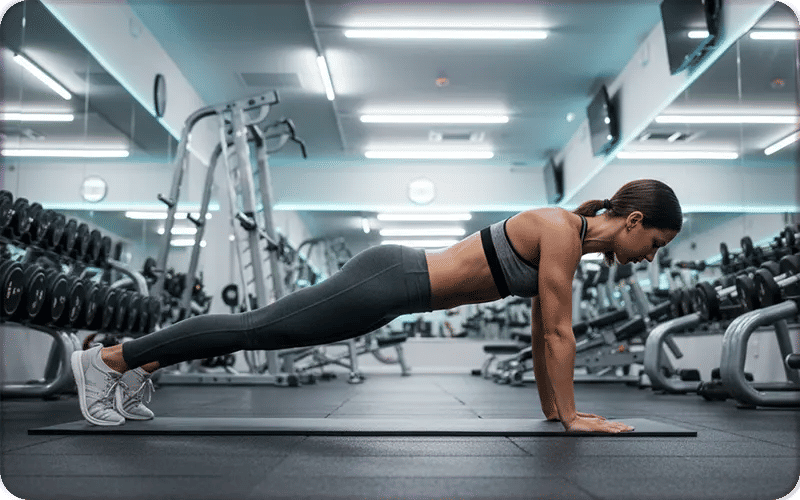
Loose skin on the breasts often results from the loss of fat and elasticity after significant weight loss. To firm this area naturally, chest-focused exercises like push-ups, chest presses, and dumbbell flys help strengthen the pectoral muscles beneath the breasts. Using firming creams with collagen or retinol can also support skin tone. For deeper tightening, ultrasound therapy or RF treatments gently lift and rejuvenate breast skin without surgery.
How to Tighten Loose Skin on Neck After Weight Loss
The neck area tends to lose elasticity quickly due to thinner skin. Improve firmness with neck and jawline exercises that engage the platysma muscles. Apply moisturizers with peptides and hyaluronic acid to boost hydration and elasticity. For more visible lifting, HIFU (High-Intensity Focused Ultrasound) or laser tightening effectively stimulates collagen deep beneath the skin, creating a smoother, firmer neck profile.
How to Tighten Loose Skin on Thighs After Weight Loss
Thigh skin often becomes saggy after losing fat quickly. Incorporate squats, lunges, and leg presses to tone underlying muscles and firm the skin. Keep the skin hydrated and exfoliated to improve texture. For deeper tightening, laser therapy or RF-assisted lipolysis (BodyTite) can reshape and firm the thigh area, enhancing overall leg contour.
How to Tighten Loose Face Skin After Weight Loss
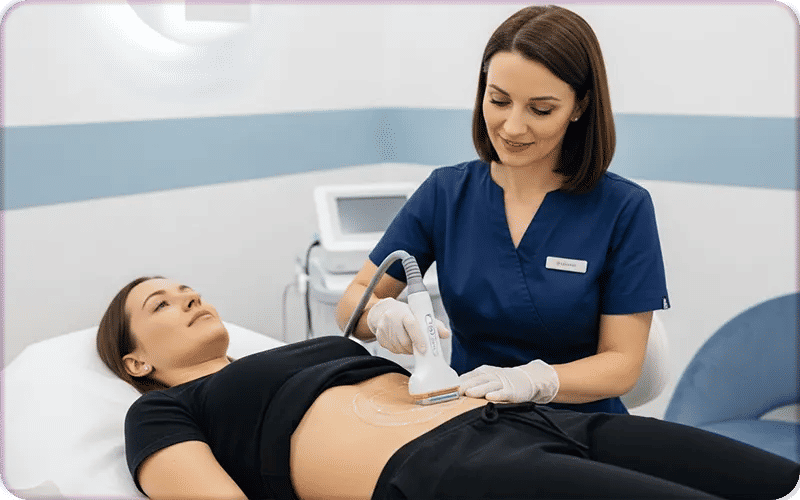
Facial sagging after weight loss often affects the cheeks and jawline. Strengthen the facial muscles through face yoga and cheek-lifting exercises. Maintain a balanced diet rich in collagen and antioxidants to boost skin repair. For more defined lifting, ultrasound (Ultherapy) or RF-based facelifts stimulate collagen deep in the dermis, restoring firmness and a youthful look.
How to Tighten Loose Tummy (Belly) Skin After Weight Loss
The abdomen is one of the hardest areas to tighten after losing weight. Focus on core-strengthening exercises like planks, crunches, and leg raises to build muscle underneath the skin. Apply skin-firming lotions containing retinol or caffeine to improve texture. For more advanced tightening, RF or laser treatments can reduce laxity and improve abdominal contour without surgery.
How to Tighten Loose Skin After Rapid or Major Weight Loss
Rapid or major weight loss often results in more pronounced loose skin, as the body doesn’t have enough time to adjust to the new shape. While a balanced diet, muscle-building exercises, and non-surgical tightening treatments like radiofrequency (RF) or ultrasound can help improve elasticity, they may not be enough in severe cases.
For individuals who have lost a significant amount of weight, especially over 40 kg—surgical skin removal may offer the most effective and lasting results. Procedures such as tummy tucks, body lifts, or arm lifts can remove excess skin, tighten underlying tissues, and restore a smoother, more natural contour.
How Long Does It Take for Loose Skin to Tighten After Weight Loss?
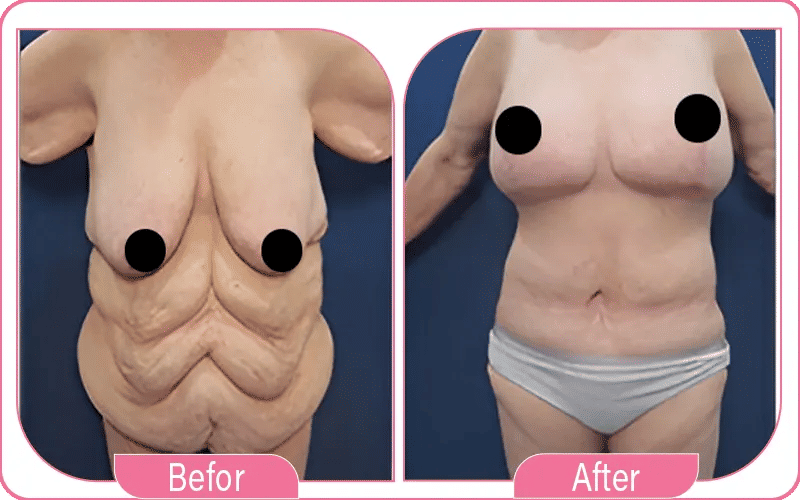
Loose skin after weight loss can take anywhere from a few months to up to two years to tighten naturally, depending on factors such as age, genetics, and the amount and speed of weight loss. Younger individuals and those who lose weight gradually often experience better and faster skin recovery.
However, for people who have lived with obesity for many years or who experienced rapid weight loss, such as after bariatric surgery, skin elasticity usually takes longer to improve, and natural or non-surgical methods may show slower progress.
Surgical skin tightening provides the fastest and most visible results, often noticeable within a few weeks once recovery is complete and swelling subsides. Among non-surgical options, laser skin tightening typically delivers quicker improvements, while radiofrequency (RF) treatments offer more gradual, long-term tightening. Results always depend on the amount of excess skin and individual skin characteristics.
Tighten Your Skin and Contour Your Body at Turkey Luxury Clinics
Get tighter, smoother skin and redefine your body contour with Turkey Luxury Clinics.
Our specialists combine advanced technologies and expert care to deliver natural-looking results tailored to your needs. Book your free consultation today and take the next step toward a firmer, more confident you.
FAQs About How to Tighten Loose Skin After Weight Loss