

Written by Dima Abed, Pharmacist and Medical Researcher
Medically reviewed by Professor Dr. Halil İbrahim Gökçek, Plastic and Reconstructive Surgery
Lipo 360 is circumferential liposuction that removes stubborn fat all the way around the midsection, the upper and lower abdomen, waist and flanks, and back, in a single session. It is a body contouring procedure, not a weight-loss solution, and works best for adults close to a stable weight with good skin elasticity.
This guide explains what Lipo 360 involves, the 12 areas surgeons count in a Lipo 360 plan, which areas are included and which are add-ons, recovery, and combining Lipo 360 with a BBL.
What is Lipo 360?
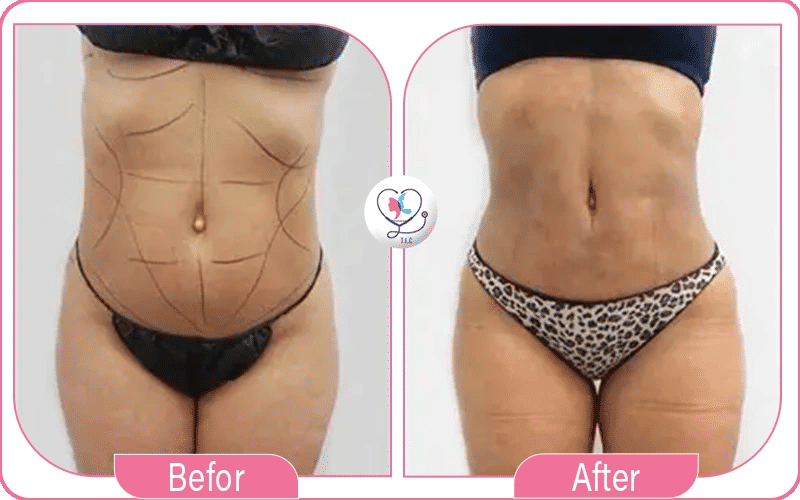
Lipo 360 is a modern approach to body contouring that targets the entire midsection, including the abdomen, waist, and back. Its goal is to create a smooth, balanced, and natural-looking silhouette from every angle, even without the need for a tummy tuck.
There is no single official definition of Lipo 360, so the exact zones vary by surgeon. Most surgeons use the name for circumferential liposuction of the front, sides and back of the torso, sometimes called 360 liposuction or 360 liposculpture. Because it removes fat cells rather than tightening tissue, Lipo 360 does not remove significant loose skin, repair separated abdominal muscles (diastasis recti) or reduce the visceral fat around the organs. A tummy tuck is the procedure for loose skin and weak muscles.
Unlike regular liposuction, which may leave some areas looking uneven or disproportionate, Lipo 360 treats the full “360 degrees” around your body, including the sides, back, and front, for a more harmonious result.
The best candidates are healthy adults near their goal weight, with pinchable fat that has not responded to diet and exercise and good skin elasticity. Patients with a higher BMI can still be candidates after assessment; read more about plus size Lipo 360.
How Lipo 360 Is Performed
Lipo 360 is usually an outpatient procedure that takes about 1 to 3 hours, under general anesthesia or local anesthesia with sedation. The surgeon makes a few small incisions, injects tumescent fluid, and uses a thin cannula to suction fat from each marked area, sometimes with power-assisted or ultrasound-assisted (VASER) technology.
The amount removed in one session is limited for safety. The American Society of Plastic Surgeons recommends no more than 5 liters of total lipoaspirate (fat plus fluid) in a single procedure, which is why very large plans may be staged. Learn how much fat can be removed with Lipo 360.
What Are the 12 Areas of Lipo 360?
The "12 areas" is a counting system that surgeons use to map and price a Lipo 360 plan, not a medical standard, so the specific areas can vary by surgeon and patient. A standard Lipo 360 covers about 5 to 8 zones of the midsection. To reach 12, clinics split the torso into smaller zones (for example, left and right flanks) or add areas outside the torso.
The “12 areas” of Lipo 360 typically include the entire midsection—such as the abdomen, flanks, hips, waist, and lower back—but can be customized to include additional zones like the arms, neck, or thighs.
In addition to these core areas, some surgeons add other zones in a "12-area" plan, such as the arms, neck, chin, and legs, covering both inner and outer thighs, knees, and calves. These are add-ons rather than part of a standard Lipo 360, and not every area can be treated in the same session. Lipo 360 is not full body liposuction.
# | Area | Part of Standard Lipo 360? |
1 | Upper and lower abdomen | Yes (core area) |
2 | Flanks (love handles) | Yes (core area) |
3 | Waist and hips | Yes (core area) |
4 | Upper back and bra rolls | Often; depends on the surgeon |
5 | Mid-back | Yes, in most treatment plans |
6 | Lower back | Yes (core area) |
7 | Upper pubic area (mons pubis) | Sometimes, to blend with the lower abdomen |
8 | Outer thighs | No (add-on area) |
9 | Inner thighs | No (add-on area) |
10 | Inner knees | No (add-on area) |
11 | Arms | No (add-on area) |
12 | Chin and neck | No (add-on area) |
1. Upper and Lower Abdomen
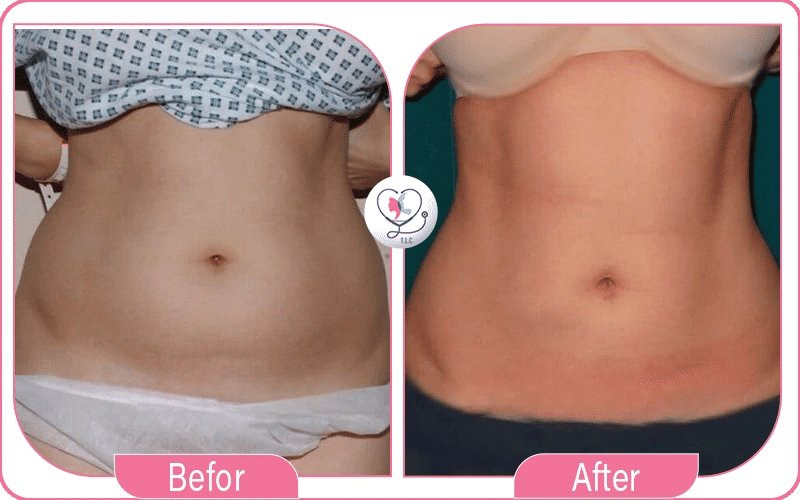
The front abdomen is often one of the first areas people notice when they gain weight. Surgeons usually treat it as two zones, above and below the belly button. Lipo 360 targets stubborn fat here, smoothing out the stomach and creating a flatter, more toned appearance. After the procedure, patients usually notice better definition in the abdominal muscles and a more proportionate waist.
2. Love Handles (Flanks)
Love handles, or flanks, are fat deposits at the sides of the waist. Lipo 360 carefully sculpts this area to create a more streamlined profile. Reducing fat in the flanks not only slims the waist but also accentuates the natural curve between the waist and hips. Post-procedure, patients often see improved hip-to-waist ratio and a smoother transition from the torso to the hips.
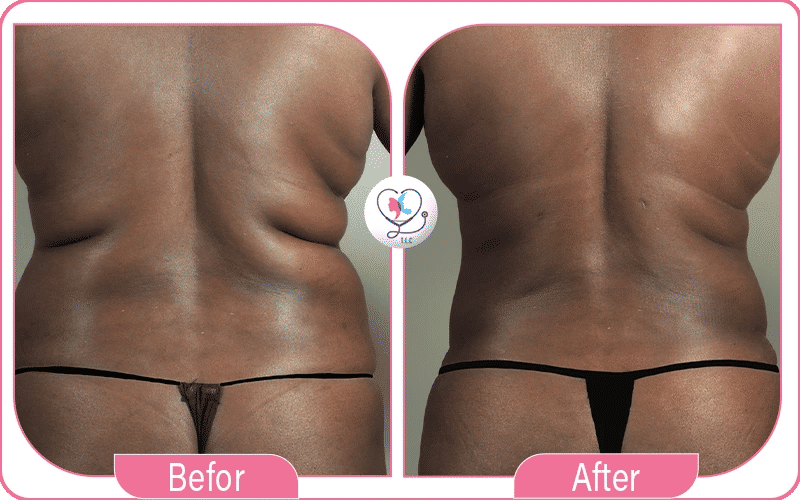
3. Waist and Hips
Targeting the waist helps create a noticeable hourglass shape. By contouring both the front and back of the waist, Lipo 360 defines the midsection, making the torso appear narrower and more proportionate to the rest of the body. Hip rolls just above the hip bone are often treated with the waist so the side contour stays smooth.
4. Upper Back and Bra Roll
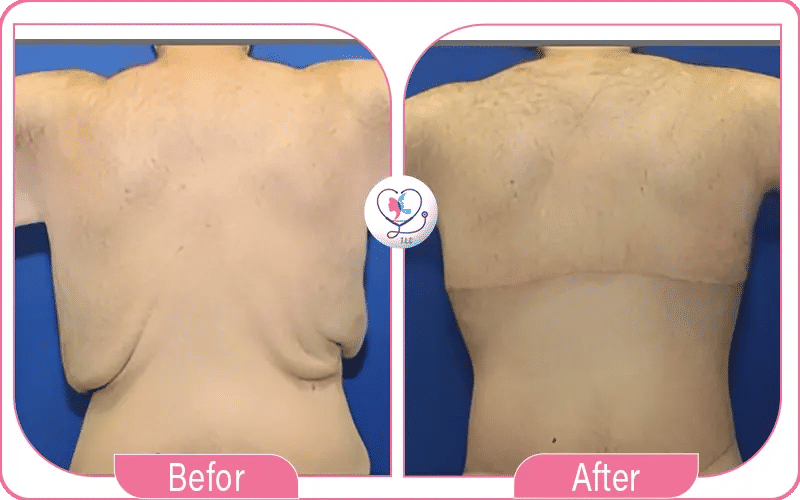
The upper back can accumulate fat that affects the way clothing fits. Whether the upper back is part of Lipo 360 depends on the surgeon: some treat it in every plan, others add it as a separate area. Lipo 360 smooths the upper back, eliminating bulges and creating a sleeker appearance from the shoulders down to the mid-back. Patients often notice a cleaner upper torso line, and better fit of clothing, especially around bras and fitted tops.
5. Mid Back
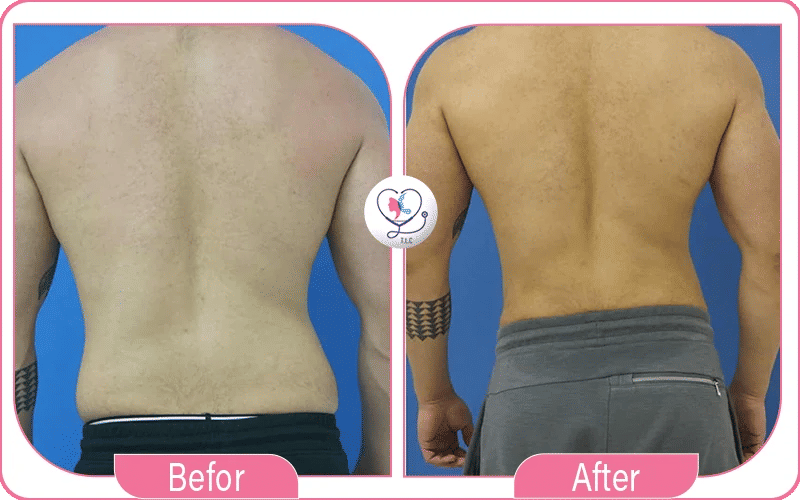
Fat in the mid-back often forms rolls visible even under loose clothing. Lipo 360 contours this area, producing a flatter, more streamlined look that complements the sculpting of the upper and lower back.
6. Lower Back
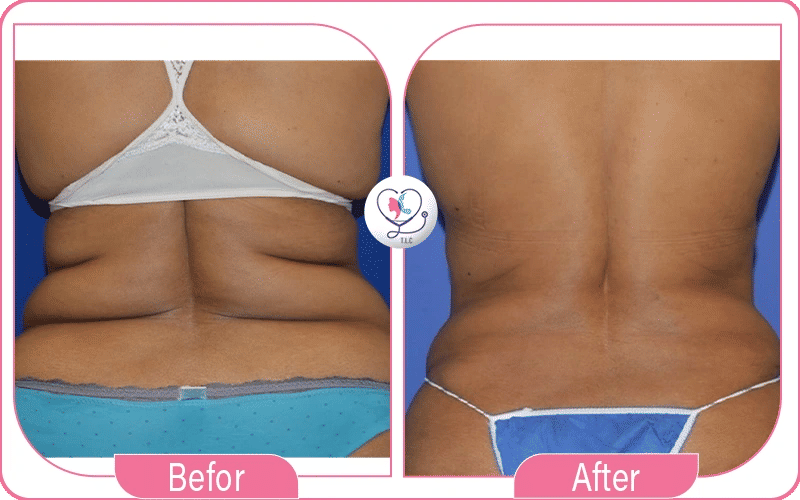
The lower back connects the waist to the hips, and excess fat here can obscure natural curves. Lipo 360 reduces fat in this area, improving the transition from the waist to the buttocks for a more harmonious shape. Fat removed from the lower back and flanks is often the fat used for a BBL.
7. Upper Pubic Area (Mons Pubis)
The upper pubic area is the fat pad just below the lower abdomen. Some surgeons include it in Lipo 360 so the lower belly does not end in a visible bulge after the abdomen has been flattened.
Areas 8 to 12 are add-ons. They are not part of a standard Lipo 360 and are planned separately, either in the same session if the total volume is safe or in a second session.
8. Outer Thighs (Add-on)
Fat on the outer thighs can create a wider hip appearance. Outer thigh liposuction, added to a Lipo 360 plan, removes fat from the outer thighs to slim the legs, enhance hip-to-thigh proportion, and improve the overall leg contour.
9. Inner Thighs (Add-on)
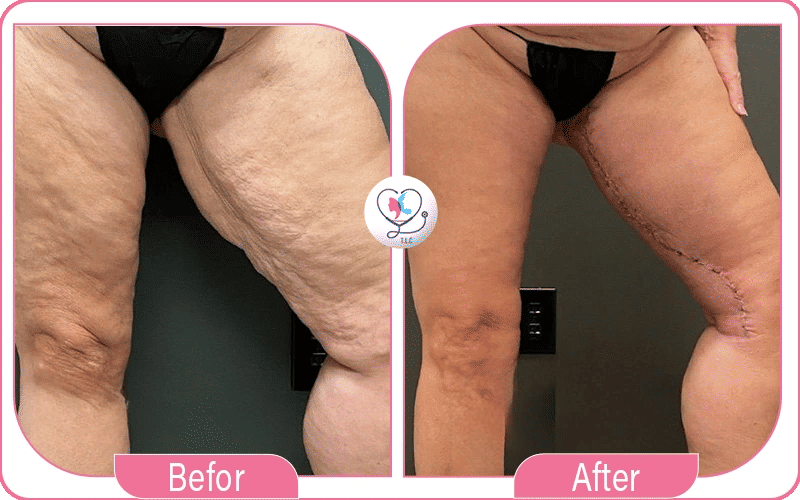
Inner thigh fat can cause chafing and make the legs appear closer together. Inner thigh liposuction sculpts this area to create a more toned, open-leg appearance, improving both comfort and aesthetics.
10. Inner Knees (Add-on)
Excess fat around the inner knees can affect the smooth line of the legs. Surgeons often treat this area together with the inner thighs to create a leaner, more defined leg shape.
11. Arms (Add-on)
Lipo 360 does not include the arms as standard. Upper arm liposuction can be added to the same session when the total amount of fat removed stays within safe limits; otherwise it is done separately. Fat in the upper arms can make them appear bulky. Arm liposuction reduces this fat and creates a slimmer look. Patients typically notice improved arm definition and a more natural taper from shoulder to elbow. Some surgeons also offer "arm 360", liposuction all the way around the upper arm, which is a separate procedure from torso Lipo 360. If the main problem is loose, hanging skin, an arm lift may be needed instead.
12. Chin and Neck (Add-on)
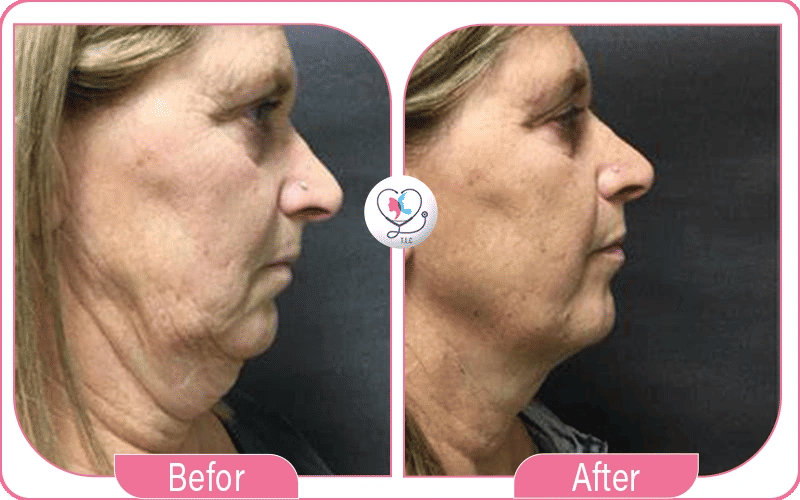
Some patients have stubborn fat under the chin or along the neck. Chin and neck liposuction can be added to define the jawline and neck contour. Results often include a sharper jawline and smoother neck line.
What Does Lipo 360 Include? How to Choose Your Areas
Choosing the right areas for Lipo 360 starts with a clear conversation about your goals during a surgical consultation. Your surgeon evaluates your body type, fat distribution, skin elasticity, and the results you want, then creates a customized treatment plan.
For most patients, the primary focus of lipo 360 is the torso area, which typically includes the abdomen, waist, flanks, and back, the core regions that define overall body shape. Depending on your needs, the plan may expand to add-on areas like the arms, outer or inner thighs, chest, chin, or neck, which usually cost extra.
• Arms: not included as standard; an add-on.
• Thighs and knees: not included; add-ons.
• Upper back and bra roll: included by many surgeons, an add-on for others.
• Buttocks: Lipo 360 does not include a BBL; fat transfer to the buttocks is a separate procedure.
• Armpit fat: can be added if your surgeon plans it.
Before you book, ask for a written list of the exact zones marked on your body, which ones are included in the quoted price, and whether anesthesia, facility fees, compression garments and follow-up visits are covered.
Some patients choose to combine Lipo 360 with additional procedures such as a Brazilian Butt Lift (BBL) or a tummy tuck. These combinations can deliver more dramatic changes, such as a lifted buttock contour, flatter abdomen, or more sculpted curves.
Lipo 360 cost can play a role in determining the areas involved, because each added area adds operating and anesthesia time. In the United States, Lipo 360 commonly costs about $4,850 to $12,600. In Turkey, it typically costs $2,500 to $5,500, depending on the technique.
Not sure which areas you need? Send your photos and goals through the free consultation form on this page, and the Turkey Luxury Clinics team will tell you which areas suit your body and send you a quote.
Lipo 360 Recovery: What to Expect After Treating 12 Areas
Lipo 360 usually involves a shorter recovery period than a tummy tuck. However, recovering from Lipo 360, which targets up to 12 areas, is more involved than standard liposuction because a larger portion of the body has been treated. Most patients experience swelling, bruising, and general soreness during the first few days, especially around the abdomen, waist, and back.
Patients should rest and limit activities during the first few days, but gentle walking is encouraged to improve circulation and minimize swelling. Strenuous activities such as bending, lifting, or intense workouts should be avoided.
Wearing a compression garment is one of the most important parts of 360 lipo recovery. It helps control swelling, supports the newly sculpted contours, and improves skin retraction. Most surgeons advise keeping it day and night for 4 to 6 weeks, removing it only when showering.
Many patients return to desk work within about 5 to 7 days. By the end of the second or third week, many patients begin to see noticeably smoother body lines and can usually resume light exercise, while strenuous workouts usually wait until 4 to 6 weeks, once your surgeon clears you. Swelling settles gradually, and final results are usually visible at 3 to 6 months (see these male 360 lipo before and after photos).
Possible risks include contour irregularities or asymmetry, seroma (fluid collection), infection, numbness or changes in sensation, and scarring at the incision sites. Seek urgent medical care for chest pain, shortness of breath or new swelling in one leg. Read more about Lipo 360 risks.
Combining BBL with Lipo 360 (12 Areas)
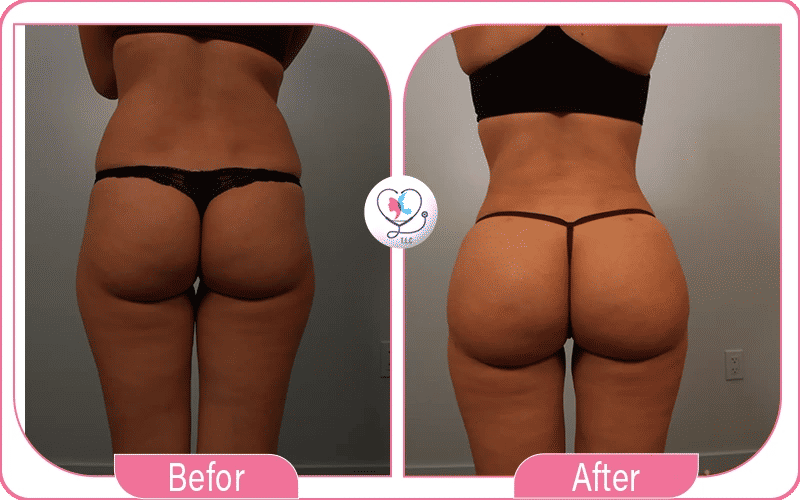
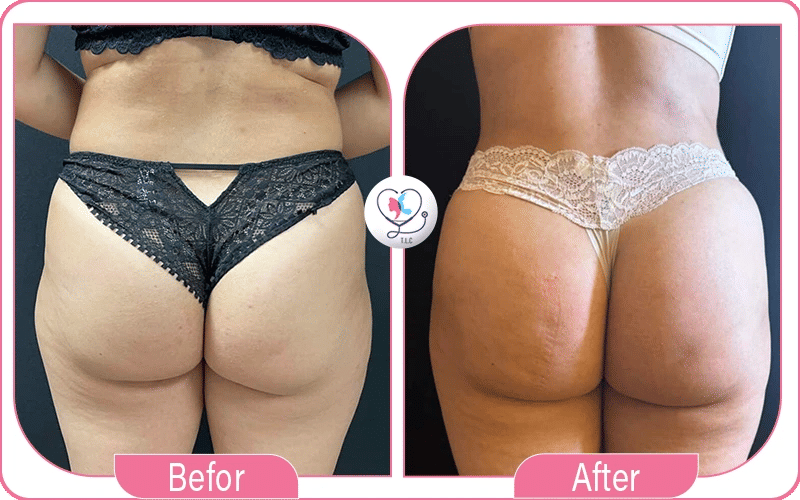
BBL (Brazilian Butt Lift) is a body contouring procedure that collects fat from areas with excess deposits and re-injects it into the buttocks to create a lifted, rounded, and natural-looking appearance.
A combined Lipo 360 with BBL involves using liposuction to remove fat from multiple areas of the torso and then transferring the harvested fat into the buttocks for a more shapely, contoured lower body.
The fat transfer is a separately planned part of the surgery, not something Lipo 360 includes automatically. Sculpting the lower back and flanks helps define the glutes, creating a more lifted, rounded appearance that complements the waist and lower back.
This approach allows for optimal body contouring while ensuring enough fat is collected for a successful BBL, enhancing overall proportion and harmony.
FAQs About Lipo 360 12 Areas