

- PRP vs Hair Transplant Main Differences
- What is PRP Hair Treatment?
- What is a Hair Transplant?
- How PRP and Hair Transplant Work
- Recovery and Results Timeline
- Who Chooses PRP or Hair Transplant?
- PRP vs Hair Transplant Effectiveness
- PRP vs Hair Transplant Cost Comparison
- PRP vs Hair Transplant Pros and Cons
- PRP vs Hair Transplant Results Before and After Photos
- Can PRP and Hair Transplant Be Combined
- PRP vs. Hair Transplant: Which Is Better?
- Restore Your Hair with Confidence at Turkey Luxury Clinics
- FAQs About PRP vs Hair Transplant
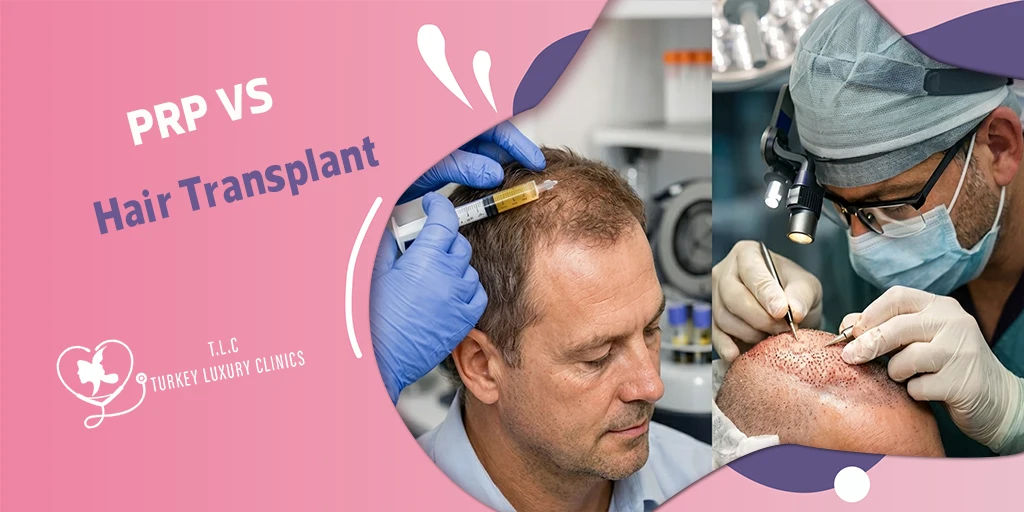
When comparing PRP vs hair transplant for hair loss, the main difference lies in how each treatment restores hair. PRP therapy stimulates existing hair follicles using growth factors from your own blood, while a hair transplant surgically moves healthy follicles to bald areas for permanent restoration.
PRP is generally recommended for early hair thinning, whereas hair transplantation is considered the most effective solution for moderate to advanced hair loss. PRP (Platelet-Rich Plasma) is superior for early-stage thinning and revitalization, while a hair transplant is the definitive choice for restoring hair to bald areas.
This guide explains the key differences between PRP therapy and hair transplants, covering how each treatment works, recovery timelines, effectiveness, costs, and which option is best suited for different stages of hair loss and long-term hair restoration goals.
Whether you are considering PRP therapy to strengthen thinning hair or a hair transplant to restore bald areas, Turkey Luxury Clinics provides personalized treatment plans tailored to your hair loss stage. Our experienced specialists use advanced techniques to deliver natural, long-lasting results and guide you through every step of the restoration journey.
PRP vs Hair Transplant Main Differences
Feature | PRP Therapy | Hair Transplant |
Type | Non-surgical (injections) | Surgical procedure (FUE or FUT) |
Mechanism | Stimulates existing hair follicles with growth factors | Relocates healthy follicles from donor area |
Best Stage | Early or mild hair thinning | Moderate to advanced hair loss |
Result Duration | Temporary, requires maintenance | Permanent hair restoration |
Downtime | Minimal or none | 1–2 weeks recovery |
What is PRP Hair Treatment?
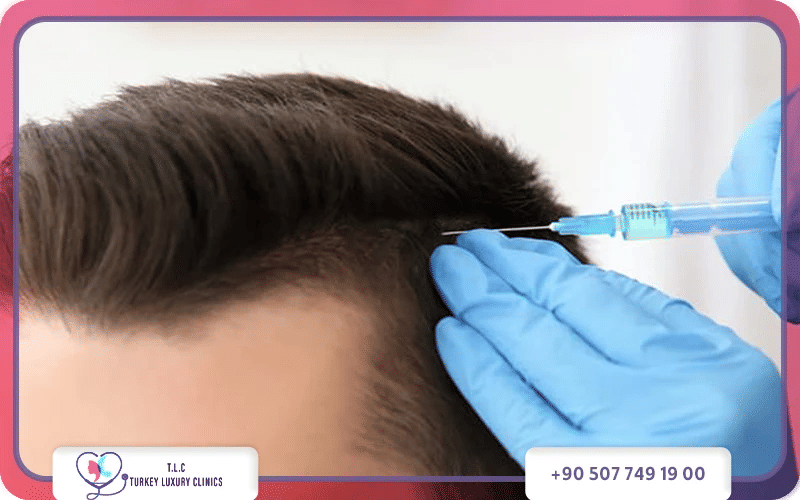
Platelet-Rich Plasma (PRP) hair treatment is a non-surgical, regenerative procedure using a patient's own blood to stimulate hair follicles, increasing hair density and reducing thinning. Blood is drawn and spun in a centrifuge to isolate growth-factor-rich plasma, which is injected into the scalp over several sessions to trigger hair growth and improve hair health.
What is a Hair Transplant?
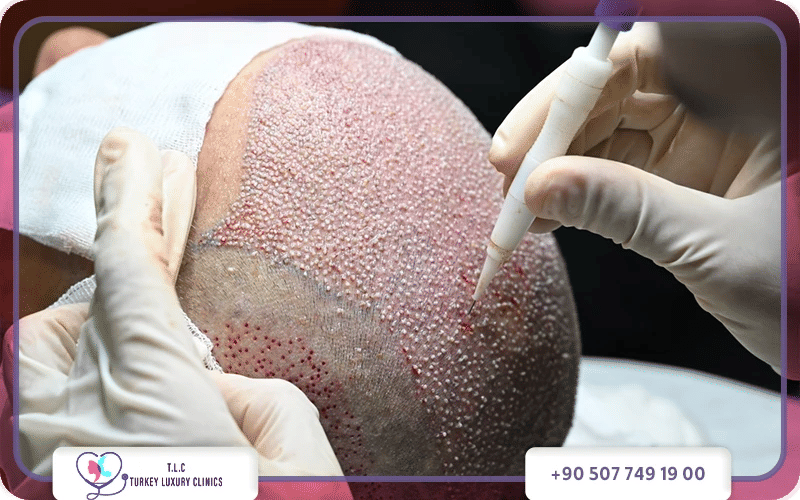
A hair transplant is an outpatient surgical procedure that moves hair follicles from a dense "donor" area (usually the back or sides of the head) to thinning or bald "recipient" areas. It is primarily used to treat male/female pattern baldness by grafting hair that is resistant to thinning. Common techniques include Follicular Unit Extraction (FUE) and Follicular Unit Transplantation (FUT).
How PRP and Hair Transplant Work
How PRP Therapy Works
PRP therapy is a non-surgical, minimally invasive treatment that uses the patient’s own blood to stimulate hair growth. A small blood sample is drawn and processed in a centrifuge to concentrate platelets and growth factors. This platelet-rich plasma is then injected into areas of the scalp with thinning hair. The growth factors in PRP activate dormant follicles, enhance blood circulation, and improve follicle health, encouraging thicker and stronger hair. PRP does not create new follicles but strengthens and nourishes existing ones, making it most effective for individuals in the early stages of hair thinning or miniaturization. Because it uses the patient’s own blood, the treatment carries minimal risk of allergic reactions and is considered a natural and safe method for hair restoration.
How Hair Transplantation Works
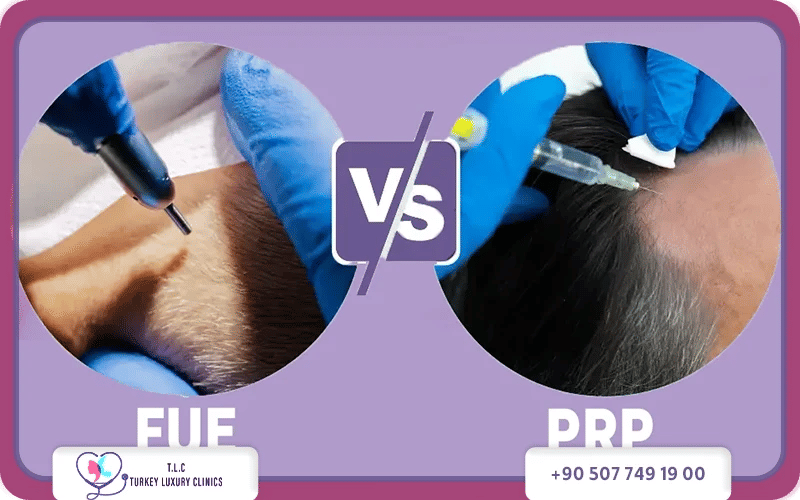
Hair transplantation is a surgical procedure designed to permanently restore hair in areas of baldness or severe thinning. Healthy, DHT-resistant follicles are harvested from the back or sides of the scalp and implanted into balding regions. Two primary methods are commonly used: FUE (Follicular Unit Extraction), where individual follicular units are removed and re-implanted, and FUT (Follicular Unit Transplantation), which involves harvesting a strip of scalp that is then divided into grafts. Hair transplants provide a permanent solution, as the transplanted follicles continue to grow naturally in their new location. Unlike PRP, which enhances existing hair, transplants replace lost hair with new follicles, making them the preferred option for advanced hair loss and visible bald spots.
Recovery and Results Timeline
Recovery and results vary significantly between PRP therapy and hair transplants because the treatments work in different ways. PRP is a non-surgical procedure with minimal downtime, while hair transplantation is a surgical treatment that requires a longer healing period but offers permanent results.
The initial results of FUE become noticeable after about five months, while full hair growth may take up to ten months. Platelet rich plasma therapy, or PRP, offers a short recovery period in comparison, and patients can wash their hair and resume normal activities almost immediately after treatment.
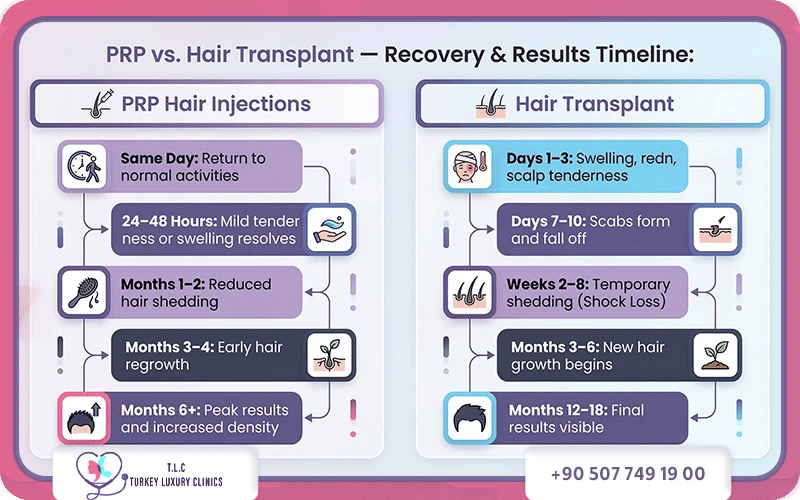
PRP Hair Injection Recovery Timeline
PRP hair injections involve a shorter and smoother recovery process with minimal downtime and mild side effects. However, the treatment requires multiple sessions and ongoing maintenance to maintain results.
Immediately after treatment, patients may experience minor scalp tenderness or slight swelling, which typically resolves within 24–48 hours. Most people can return to normal activities on the same day.
Visible hair growth improvements usually begin within 3–6 months, following this general timeline:
- Months 1–2: Reduced hair shedding and improved scalp health.
- Months 3–4: Early hair regrowth begins, and fine “baby hairs” may appear.
- Months 6+: Peak results become noticeable, with increased hair density and thickness.
Most patients require 3–4 PRP sessions spaced 4 to 6 weeks apart to achieve optimal results. Completing the full treatment plan is important for noticeable improvements.
To maintain long-term benefits, doctors often recommend maintenance sessions every 6 to 12 months, since PRP results are temporary and depend on continued stimulation of hair follicles.
Hair Transplant Recovery Timeline
Hair transplantation involves a more significant surgical recovery process compared with PRP. Hair growth occurs gradually and is usually preceded by a phase of temporary hair shedding. Once the transplanted follicles grow, however, the results are permanent.
A typical hair transplant recovery and hair growth timeline after an FUE hair transplant includes:
- Days 1–3 (Immediate Post-Op): Swelling around the forehead or eyes, redness, and scalp tenderness are common. Patients are usually advised to sleep with their head elevated.
- Days 7–10: Small scabs form around the grafts and gradually fall off as the scalp heals. During this stage, transplanted follicles remain delicate and should not be touched or scratched.
- Weeks 2–8 (Shock Loss): Many patients experience shock loss, where transplanted hair temporarily sheds. This is a normal phase as the follicles enter a resting stage before producing new hair.
- Months 3–6: New hair begins to grow from the transplanted follicles. The hair may initially appear thin or uneven.
- Months 12–18: Final results become visible, with fuller density and natural-looking hair growth.
Who Chooses PRP or Hair Transplant?
PRP is best for individuals with early-stage thinning or, aiming to strengthen existing, miniaturized hair follicles without surgery. Conversely, hair transplants are designed for individuals with advanced, stable, or patterned hair loss, who have sufficient donor hair for reconstructing bald areas.
Candidates for PRP (Platelet-Rich Plasma)
- Stage of Hair Loss: Early to moderate thinning or the initial stages of hair loss.
- Follicle Health: Patients must have existing, active hair follicles that can be stimulated by growth factors.
- Goals: Individuals looking for a non-surgical and natural treatment to improve hair density and slow further hair loss.
- Ideal Candidates: Both men and women experiencing pattern hair loss or certain types of alopecia, especially when follicles are still present.
Candidates for Hair Transplants
- Stage of Hair Loss: Significant or advanced hair loss, including noticeable bald patches or receding hairlines.
- Donor Area: Patients must have adequate, thick, and healthy hair in the donor area, usually at the back or sides of the scalp.
- Goals: Individuals seeking a permanent and long-term improvement in hair coverage.
- Scalp Health: The scalp should be free from active infections, severe inflammation, or untreated scalp conditions before surgery.
PRP vs Hair Transplant Effectiveness
PRP Therapy:
PRP primarily strengthens and nourishes existing hair, helping to slow further thinning while improving thickness and overall hair quality. Results are subtle and gradual, typically requiring multiple sessions for noticeable improvement. PRP is most effective for early-stage hair thinning or as a maintenance treatment.
Hair Transplant:
Hair transplants provide a permanent solution by relocating healthy follicles into bald or thinning areas, offering visible and comprehensive hair restoration. For advanced baldness, transplants deliver dramatic, long-lasting results.
Longevity of Results
Treatment | Longevity & Suitability |
PRP | Results are temporary and require ongoing sessions (every few months or annually). Best for early, mild thinning and stimulating existing follicles. Works by improving hair thickness and scalp health, but does not fill bald areas. |
Hair Transplant | Results are usually permanent and do not require repeated surgery. Ideal for moderate to advanced hair loss or bald spots, offering significant, lasting improvement in coverage. |
PRP vs Hair Transplant Cost Comparison
PRP therapy has a lower initial cost per session but requires multiple treatments and ongoing maintenance to maintain results. Hair transplantation has a higher upfront cost but is typically a one-time investment that provides permanent results.
PRP treatments generally cost $1,500–$3,500 for initial sessions ($300–$1,500 per session), while hair transplants cost $4,000–$15,000+
PRP Therapy: Costs $330–$1,500 per session, with 3-4 initial sessions required, followed by maintenance every 6 months. Total first-year costs can range from $3,000 to $4,000.
Hair Transplant Costs are $4,000–$15,000+, depending on the number of grafts (typically $5- $6 per graft). This is usually a one-time, permanent solution.
Patients should consider not only the financial investment but also treatment goals, hair loss stage, and desired outcomes when choosing between PRP, hair transplants, or a combination approach.
PRP vs Hair Transplant Pros and Cons
Feature | PRP Therapy | Hair Transplant |
Type | Non-surgical (injections) | Surgical procedure (FUE or FUT) |
Mechanism | Stimulates existing hair follicles with growth factors | Relocates healthy follicles from donor area |
Best Stage | Early or mild hair thinning | Moderate to advanced hair loss |
Result Duration | Temporary, requires maintenance | Permanent hair restoration |
Downtime | Minimal or none | 1–2 weeks recovery |
PRP therapy offers the advantages of being non-surgical, minimally invasive, and downtime-free, with lower costs compared to surgical options. It naturally improves scalp health and increases overall hair thickness. On the downside, results require multiple sessions, are not permanent, and are limited to fully bald areas.
Hair transplants provide a permanent solution for hair loss, delivering dramatic density improvements and effectively filling bald areas. The procedure has a high success rate for suitable candidates and typically requires no long-term maintenance for the transplanted hair. On the downside, it involves a higher upfront cost, is a surgical procedure lasting several hours, and requires a 1–2 week recovery period with potential swelling and scabbing.
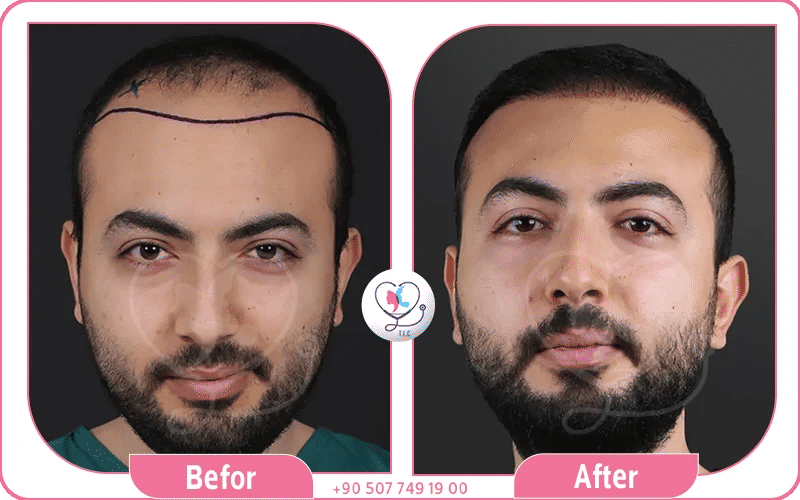
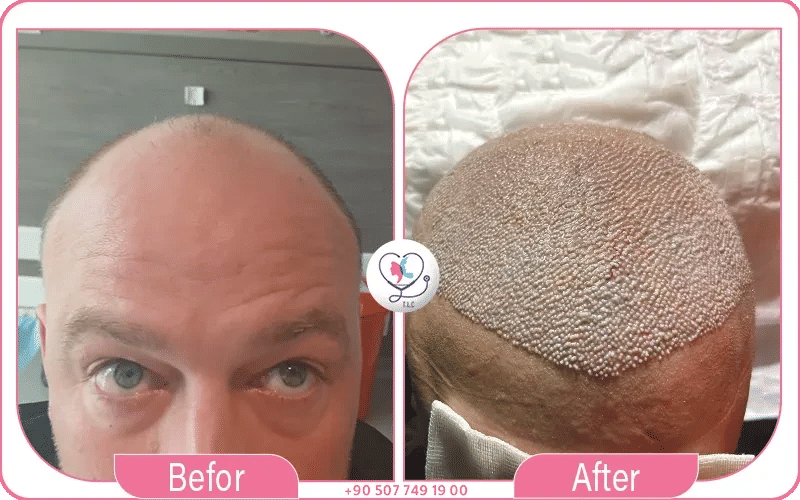
PRP vs Hair Transplant Results Before and After Photos
Can PRP and Hair Transplant Be Combined
Yes, PRP therapy can be combined with hair transplants to enhance overall results. PRP contains growth factors from the patient’s own blood that may support faster healing, improve graft survival, and stimulate stronger hair growth after surgery. In many clinics, PRP is applied during or shortly after the transplant procedure and may be followed by several sessions in the following months.
Benefits of combining PRP with hair transplants include:
- Faster healing: Helps reduce inflammation and supports quicker recovery of donor and recipient areas.
- Better graft survival: Growth factors may improve the survival rate of transplanted follicles
- Reduced shock loss: Can help minimize temporary hair shedding after the procedure.
- Improved hair density: Stimulates surrounding follicles and enhances overall hair thickness.
PRP vs. Hair Transplant: Which Is Better?
When deciding between PRP and a hair transplant, consider your hair loss stage, budget, and desired permanence. PRP works well for early thinning and maintenance, while a hair transplant provides permanent results for significant baldness.
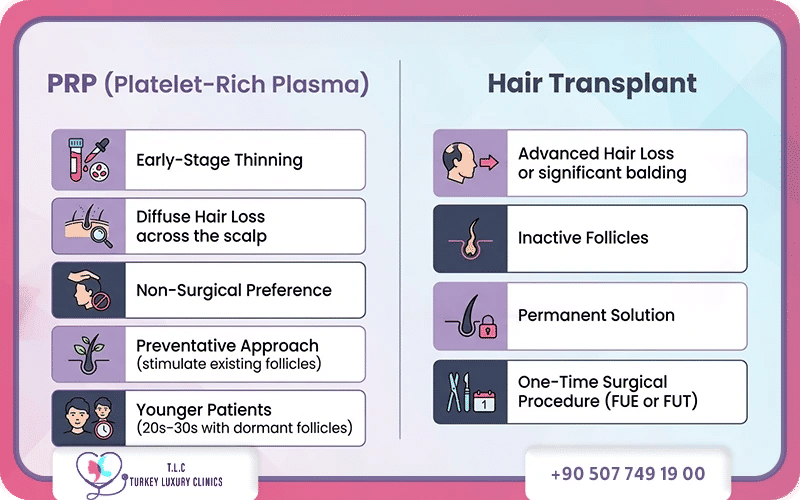
Choose PRP (Platelet-Rich Plasma) if:
- Early-Stage Thinning: You are in the early stages of hair loss, where follicles are still active but shrinking.
- Diffuse Hair Loss: You have general thinning across the scalp rather than specific bald spots.
- Non-Surgical Preference: You want to avoid surgery, incisions, and downtime.
- Preventative Approach: You want to stimulate existing follicles and slow down future hair loss.
- Younger Patients: You are in your 20s or 30s with genetic hair loss and still have dormant follicles that can be revitalized.
Choose a Hair Transplant if:
- Advanced Hair Loss: You have significant balding, a deeply recessed hairline, or completely bald patches.
- Inactive Follicles: Areas of your scalp no longer have active follicles to stimulate.
- Permanent Solution: You want a long-term, definitive result that does not require monthly maintenance.
- One-Time Investment: You prefer a single surgical procedure (like FUE or FUT) over ongoing injection sessions.
Restore Your Hair with Confidence at Turkey Luxury Clinics
Don’t wait for thinning or bald spots to take over. Whether you’re considering PRP therapy for early-stage revitalization or a hair transplant for permanent results, our expert team ensures personalized treatment, natural-looking outcomes, and a smooth recovery.
Book your consultation today and take the first step toward thicker, fuller hair. Your hair transformation starts now—because the best time to act is today.
FAQs About
Eyebrow Transplant in Turkey: Fuller, Natural Brows
Beard Transplant in Turkey: 2026 Cost, Packages and Best Clinics
FAQs About PRP vs Hair Transplant