

- What is Stem Cell Hair Transplant?
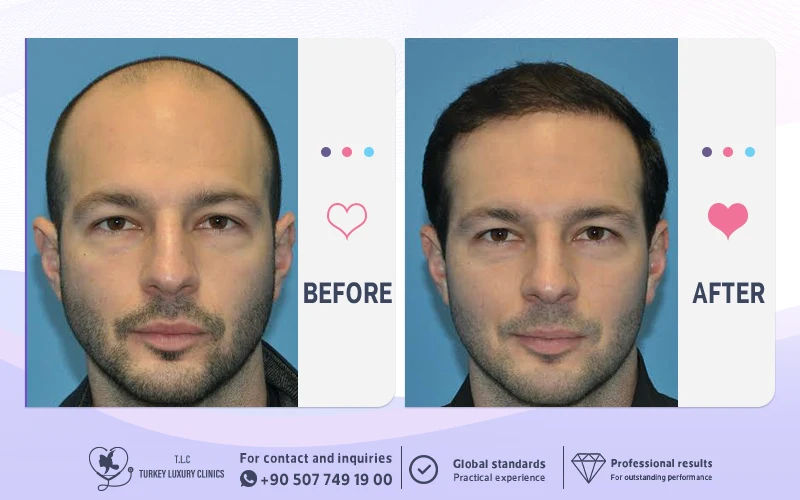
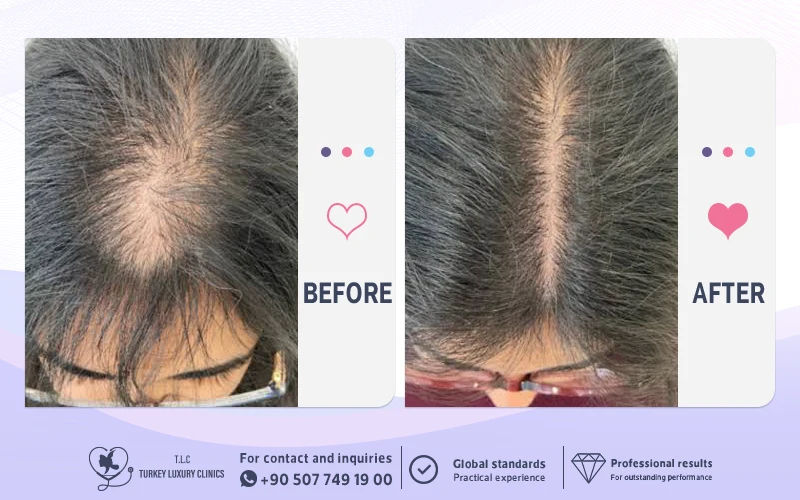
- Stem Cell Hair Transplant Before and After
- How Much Does Stem Cell Hair Transplant Cost?
- How Does Stem Cell Hair Transplant Work?
- Stem Cell Hair Transplant vs FUE Hair Transplant
- Stem Cell Hair Therapy vs PRP Hair Therapy
- Does Stem Cell Hair Transplant Really Work?
- What Affects Stem Cell Hair Transplant Success?
- Is Stem Cell Hair Transplant FDA Approved?
- Stem Cell Hair Transplant Step by Step
- Stem Cell Hair Transplant Results
- Adipose-Derived Stem Cell Hair Therapy (SVF)
- Regenera Activa (Autologous Follicular Micrografts)
- Hair Follicle-Derived Stem Cell Therapy
- Stem Cell Hair Therapy Combined with FUE or DHI Hair Transplant
- Hair Follicle Cloning (Experimental Technology)
- Stem Cell Hair Therapy vs. Exosome Therapy
- Stem Cell Hair Transplant Risks and Side Effects
- Who Is a Good Candidate for Stem Cell Hair Therapy?
- Stem Cell Hair Transplant in Turkey
- Get a Personalized Stem Cell Hair Restoration Assessment
- FAQs About Stem Cell Hair Transplant
Stem cell hair transplant is a regenerative treatment that stimulates existing hair follicles. Learn how it works, expected results, FDA status, risks, and treatment options.
A stem cell hair transplant is a regenerative hair restoration treatment that uses stem cell-rich tissue obtained from the patient's own tissues, typically from adipose (fat) tissue or a small scalp biopsy, to stimulate weakened or miniaturized hair follicles.
Stem cell therapy is one of the fastest-growing fields in regenerative medicine, with hair restoration being one of its most promising applications.
For patients with thinning hair, stem cell therapy can be performed as a standalone regenerative treatment or combined with FUE or DHI hair transplantation to improve graft survival, accelerate healing, and enhance overall hair density.
Current stem cell hair therapies are designed to stimulate existing hair follicles rather than create new ones. Researchers are actively investigating more advanced approaches, such as hair follicle cloning, which aims to generate new follicles from a small number of donor follicles through laboratory cell expansion, but these technologies remain experimental.
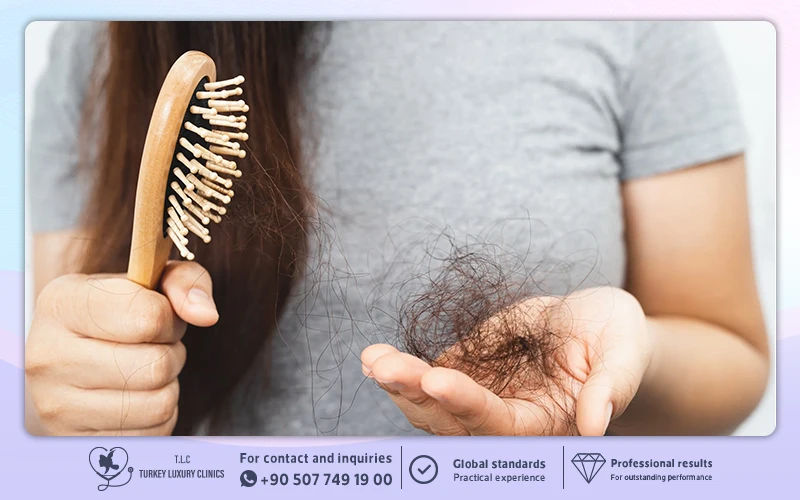
Current evidence suggests that stem cell hair therapy may improve hair thickness and density in carefully selected patients with early to moderate hair loss who still have viable hair follicles.
Although stem cell hair therapy has not received FDA approval for treating hair loss, it is clinically available in several countries, including Turkey, South Korea, and parts of Europe, where it is offered under local regulatory frameworks and established clinical protocols.
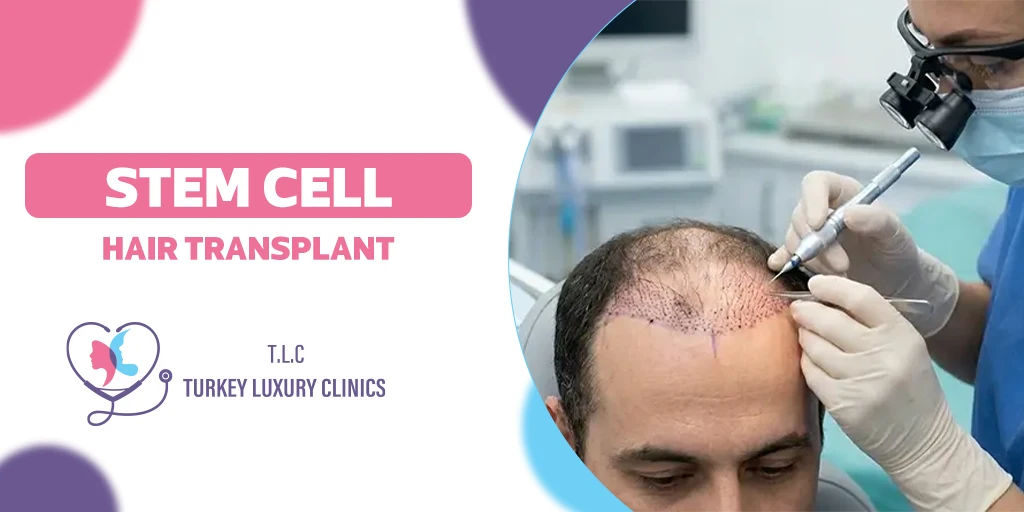
What is Stem Cell Hair Transplant?
A stem cell hair transplant is a regenerative hair restoration procedure that uses a patient's own adult stem cells (extracted via a minor fat biopsy or scalp punch) to wake up dormant follicles and stimulate thickness. It is a non-surgical alternative to hair transplant surgery for early-stage thinning.
In some clinics, it is performed as a standalone regenerative treatment, while others combine it with FUE or DHI hair transplantation to support graft healing, improve graft survival, and enhance hair density.
Researchers are also developing a more advanced approach known as hair follicle cloning or hair multiplication. Instead of simply stimulating existing follicles, this technology aims to create new hair follicles from a small number of donor follicles, potentially overcoming the limitations of the donor area.
However, hair follicle cloning remains experimental, has not received FDA approval, and is not part of any commercially available stem cell hair transplant procedure.
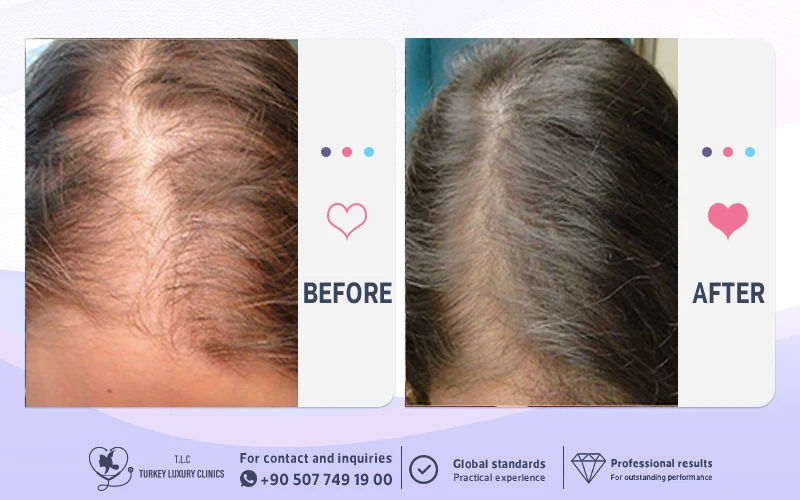
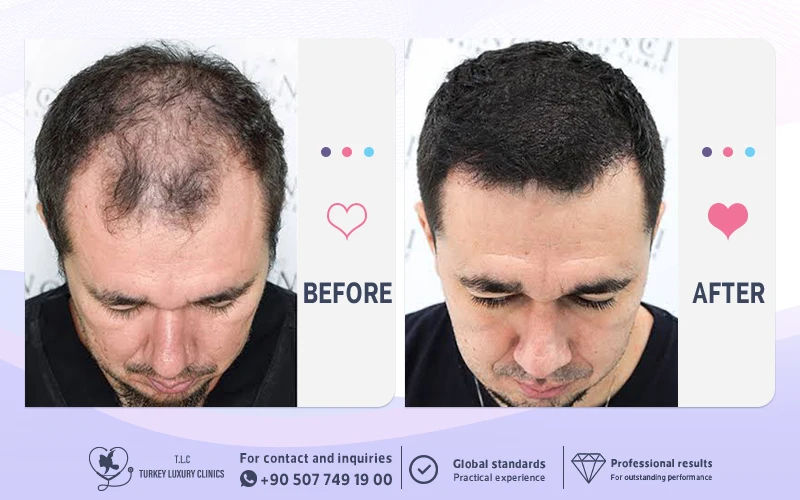
Stem Cell Hair Transplant Before and After
How Much Does Stem Cell Hair Transplant Cost?
Stem cell hair therapy costs between $3,000 and $12,000,when combined with FUE or DHI, laboratory processing, or multiple sessions may cost $15,000 to $30,000 in the United States. Turkey offers more affordable prices for stem cell hair transplant starting at $1,500 for all inclusive packages that cover the procedure, accommodation, transfer, consultation and recovery kits.
The final price depends on the stem cell source, processing technology, clinic location, number of sessions, and whether the treatment is combined with hair transplantation.
Typical prices by country include:
Country | Estimated Cost |
United States | $8,000–$30,000 |
Mexico | $6,000–$12,000 |
Turkey | $1,500–$8,000 |
Patients should confirm whether the quoted price covers a standalone regenerative injection, fat extraction and SVF processing, scalp micrografts, or a complete stem-cell-enhanced FUE or DHI hair transplant package.
How Does Stem Cell Hair Transplant Work?
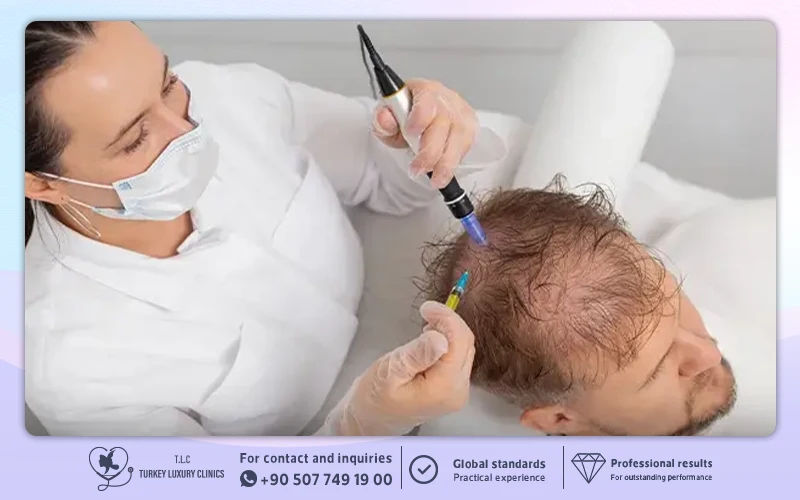
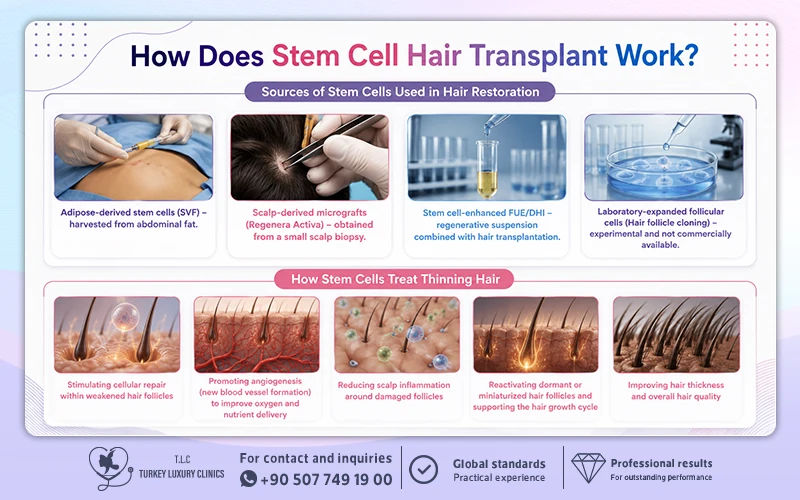
Stem cell hair therapy works by harvesting regenerative tissue from the patient's own body, processing it into a stem cell-rich suspension, and applying it to areas of hair thinning. Depending on the technique, the regenerative suspension is either injected directly into the scalp or combined with FUE or DHI hair transplantation to support graft survival, accelerate healing, and improve overall hair density.
The source of regenerative cells varies depending on the technique and may include adipose (fat) tissue, a small scalp biopsy, or other autologous tissues used for hair restoration.
Sources of Stem Cells Used in Hair Restoration
- Adipose-derived stem cells (SVF) – harvested from abdominal fat.
- Scalp-derived micrografts (Regenera Activa) – obtained from a small scalp biopsy.
- Stem cell-enhanced FUE/DHI – regenerative suspension combined with hair transplantation.
- Laboratory-expanded follicular cells (Hair follicle cloning) – experimental and not commercially available.
How Stem Cells Treat Thinning Hair
Stem cell therapy for thinning hair may promote hair growth by:
- Stimulating cellular repair within weakened hair follicles
- Promoting angiogenesis (new blood vessel formation) to improve oxygen and nutrient delivery
- Reducing scalp inflammation around damaged follicles
- Reactivating dormant or miniaturized hair follicles and supporting the hair growth cycle
- Improving hair thickness and overall hair quality
Stem Cell Hair Transplant vs FUE Hair Transplant
Criterion | Stem Cell Hair Therapy | FUE / DHI Hair Transplant |
How It Works | Stimulates existing, weakened follicles. | Relocates healthy donor follicles to bald areas. |
Best For | Early to moderate thinning with viable follicles. | Moderate to advanced hair loss, including bald areas. |
Downtime | About 1–3 days. | About 7–10 days for visible healing. |
Results | Early improvement may appear in 3–6 months. | Growth begins after 3–4 months; final results take 8–12 months. |
Longevity | 1 to 2 years with maintenance may be needed. | Permanent |
Main Limitation | Cannot replace missing follicles. | Limited by donor hair availability. |
Stem Cell Hair Therapy vs PRP Hair Therapy
Both PRP and stem cell therapy are non-surgical treatments for hair thinning, but they work differently. PRP delivers concentrated growth factors to stimulate existing follicles, whereas stem cell therapy provides a broader regenerative environment using stem cell-rich tissue and bioactive signaling molecules that may support follicle repair and improve hair growth.
Feature | PRP Therapy | Stem Cell Hair Therapy |
Source | Patient's blood | Fat tissue or scalp biopsy |
Mechanism | Growth factors stimulate follicles | Regenerative cells and signaling molecules support follicle repair |
Best For | Early thinning | Early to moderate thinning |
Sessions | 3–4 + maintenance | Usually 1 session |
Results | 2–3 months | 3–6 months |
Longevity | Maintenance required | Longer-lasting; maintenance may be needed |
Evidence | Well established | Promising, investigational |
Cost | Lower | Higher |
Does Stem Cell Hair Transplant Really Work?
Current clinical studies suggest stem cell hair therapy may improve hair density, hair thickness, and overall hair quality in selected patients with early-stage hair loss. However, evidence remains limited, and results vary depending on the technique, patient characteristics, and treatment protocol.
The strongest evidence supports its use for stimulating existing follicles rather than creating new ones. More large-scale clinical trials are still needed before stem cell hair therapy becomes a standard treatment for hair loss.
What Affects Stem Cell Hair Transplant Success?
Stem cell hair transplant success depends on the quality of the stem cells, the scalp's blood supply, and the age and extent of the patient's hair loss. Because the field is still heavily researched, understanding these core variables determines whether you get a strong, natural-looking result.
Factors Affect Stem Cell Hair Therapy Success
- Stage of hair loss: Best results are seen in early to moderate thinning with viable follicles.
- Stem cell technique used: Outcomes vary between SVF, Regenera Activa, and other regenerative approaches.
- Quality of regenerative cells: Healthy autologous tissue generally provides better treatment potential.
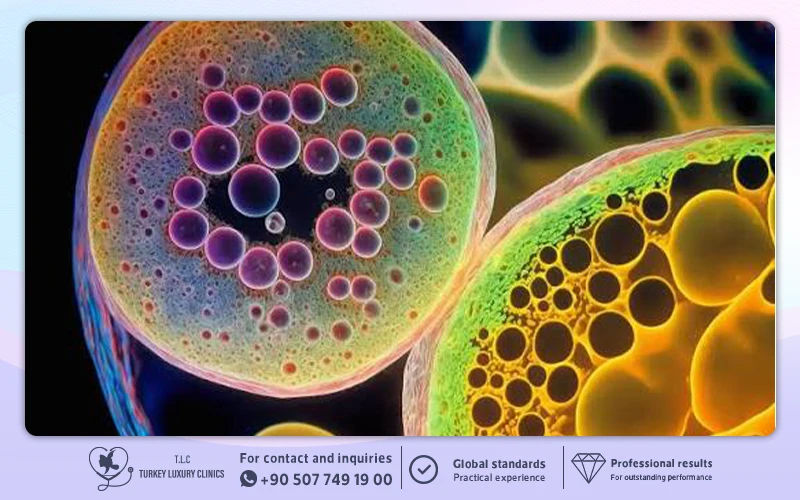
- Underlying cause of hair loss: Genetic, autoimmune, or scarring hair loss may respond differently.
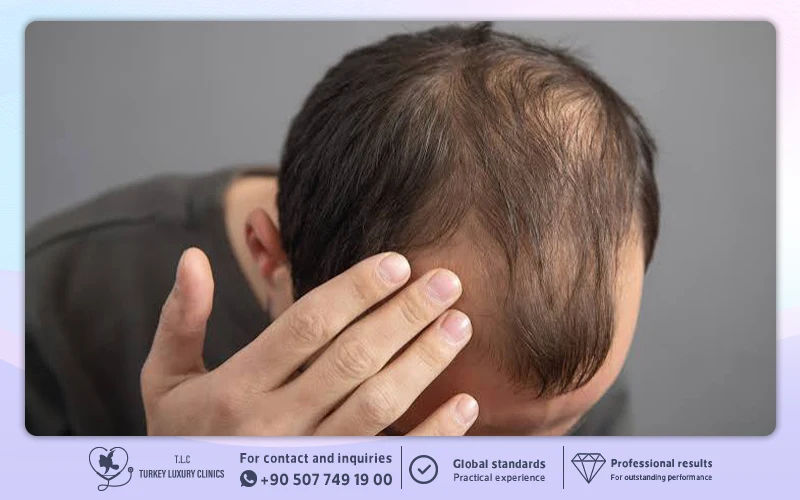
- Scalp health and blood supply: A healthy scalp environment supports better follicle recovery.
- Patient factors: Age, smoking, overall health, and following aftercare instructions can influence results.

Is Stem Cell Hair Transplant FDA Approved?
No. Stem cell hair therapies have not received FDA approval for the treatment of hair loss. The U.S. Food and Drug Administration (FDA) currently considers most stem cell-based hair restoration procedures investigational, meaning they are still being studied for their long-term safety and effectiveness.
However, stem cell hair therapy is available in several countries, including Turkey, South Korea, and parts of Europe, where regulations differ from those in the United States. Although many clinics offer these treatments commercially, availability does not mean the procedure has received FDA approval.
It is also important to distinguish current stem cell therapies from experimental hair follicle cloning. While today's treatments aim to stimulate existing hair follicles using regenerative cells, hair follicle cloning remains under research and is not commercially available.

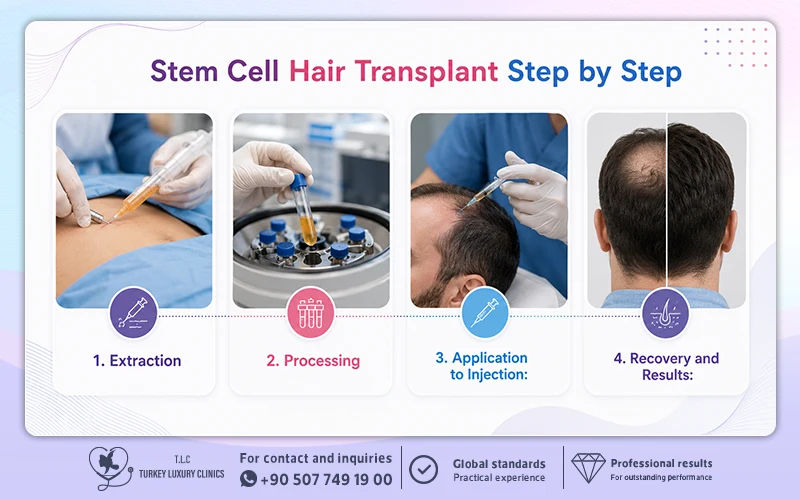
Stem Cell Hair Transplant Step by Step
Although the exact procedure varies depending on the technique used, most stem cell hair treatments follow these general steps:
1. Extraction
Stem cell-rich tissue is collected from the patient's own body, usually from adipose (fat) tissue or a small scalp biopsy.
2. Processing
The collected tissue is processed using specialized equipment to isolate and concentrate regenerative cells or cell-rich components.
3. Application to Injection:
The regenerative solution is prepared for injection or, in some techniques, for use alongside a hair transplant procedure. Then the concentrated cells are injected into areas of thinning hair or applied during FUE/DHI surgery to support graft healing and survival.
4. Recovery and Results:
Hair follicles gradually respond over the following months, with improvements in hair thickness, density, and reduced shedding as the follicles complete new growth cycles.
Stem Cell Hair Transplant Timeline
Stage | Typical Timeline |
Procedure Time | 1–3 hours (depending on the technique) |
Recovery Time | 1–3 days for most patients |
First Results | 3–6 months |
Final Results | 6–12 months |
How Long Results Last | Several years; maintenance may be recommended depending on the technique and progression of hair loss |
Stem Cell Hair Transplant Results
Stem cell hair therapy does not produce immediate hair growth. Instead, the treatment gradually improves the function of existing hair follicles.
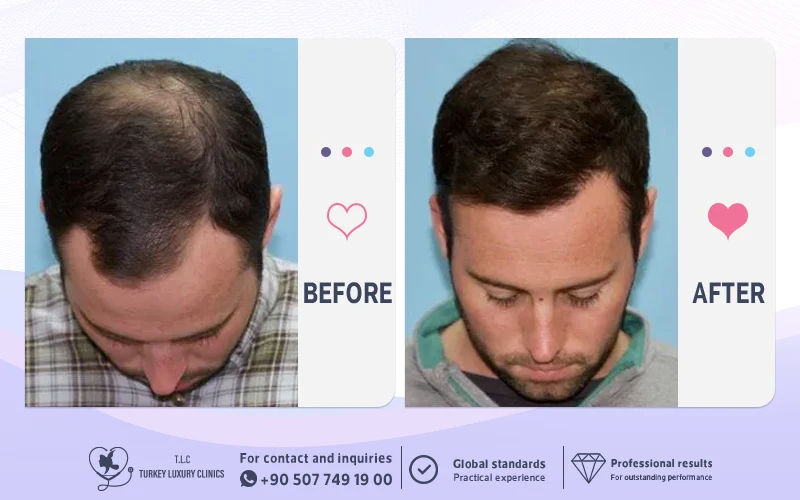
Most patients first notice reduced hair shedding and improved hair quality. Gradual increases in hair thickness and density typically become noticeable after 3–6 months, while final results are usually assessed after 6–12 months.
You begin noticing improvements after 3–6 months, while final results are typically evaluated after 6–12 months. The timeline varies depending on the treatment technique and the severity of hair loss.
Time After Treatment | What to Expect |
1–7 Days | Mild swelling or redness may occur. |
2–6 Weeks | Temporary shedding may occur in some patients. |
3–6 Months | Early improvements in hair thickness and density become noticeable. |
6–12 Months | Final results are typically evaluated. |
Adipose-Derived Stem Cell Hair Therapy (SVF)
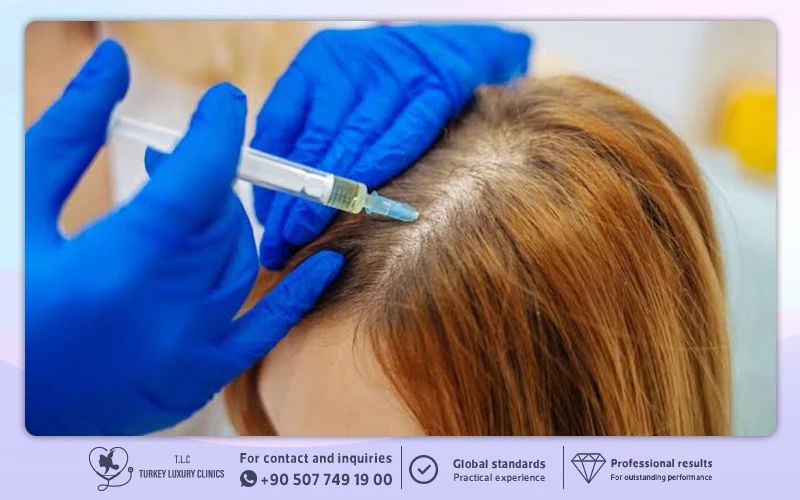
Adipose-derived stem cell therapy (SVF) is the most commonly used stem cell-based hair restoration technique. A small amount of fat tissue is harvested through mini-liposuction and processed to isolate the stromal vascular fraction (SVF), which contains mesenchymal stem cells and other regenerative cells. The concentrated solution is then injected into areas of thinning hair to improve the scalp environment, stimulate weakened hair follicles, and promote thicker, healthier hair growth.
Regenera Activa (Autologous Follicular Micrografts)
Regenera Activa is a scalp-derived regenerative treatment that uses autologous follicular micrografts rather than fat tissue. A few small punch biopsies are taken from the permanent donor area, mechanically processed into a cell-rich suspension, and injected into thinning areas. The treatment aims to support existing hair follicles using progenitor cells, extracellular matrix fragments, and naturally occurring growth factors.
Hair Follicle-Derived Stem Cell Therapy
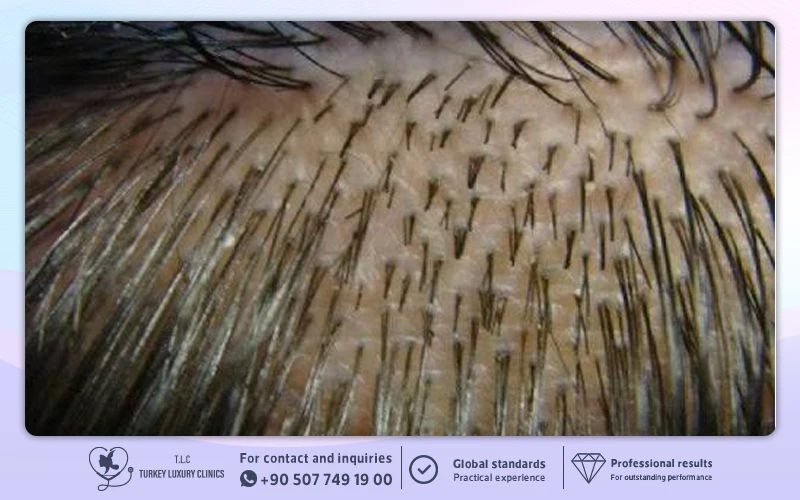
Hair follicle-derived stem cell therapy uses a small scalp biopsy to obtain regenerative cells from healthy hair follicles. After processing, the cell-rich suspension is injected into thinning areas to stimulate weakened follicles and encourage thicker hair growth. Although early clinical studies are promising, this technique is less widely available than SVF or Regenera Activa and remains under continued clinical investigation.
Stem Cell Hair Therapy Combined with FUE or DHI Hair Transplant
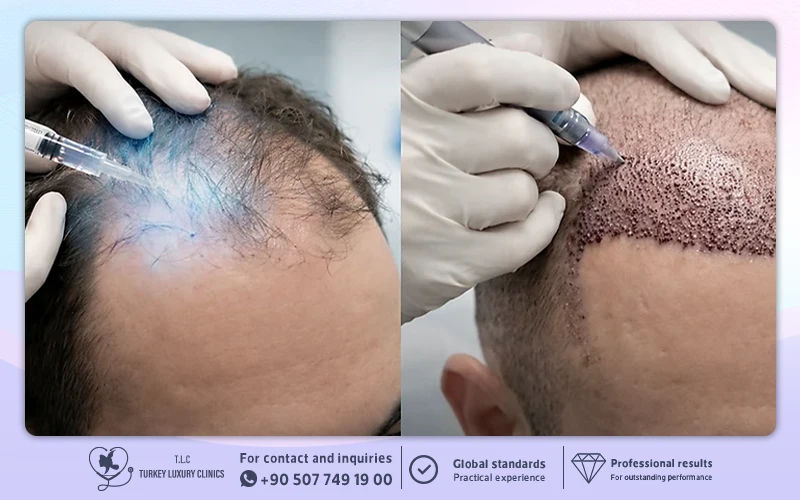
Some clinics combine stem cell therapy with FUE or DHI hair transplantation instead of using it as a standalone treatment. The regenerative solution may be applied before, during, or after the transplant to improve graft survival, reduce inflammation, accelerate healing, and potentially enhance the overall transplant result.
Hair Follicle Cloning (Experimental Technology)
Hair follicle cloning is an experimental regenerative approach that aims to create new hair follicles from a small sample of donor follicle cells. Unlike current stem cell therapies, which mainly stimulate existing follicles, this technology is designed to overcome donor area limitations by multiplying hair-inducing cells in the laboratory. However, it is still under research, has not received FDA approval, and is not commercially available as a routine hair restoration procedure.
Stem Cell Hair Therapy vs. Exosome Therapy
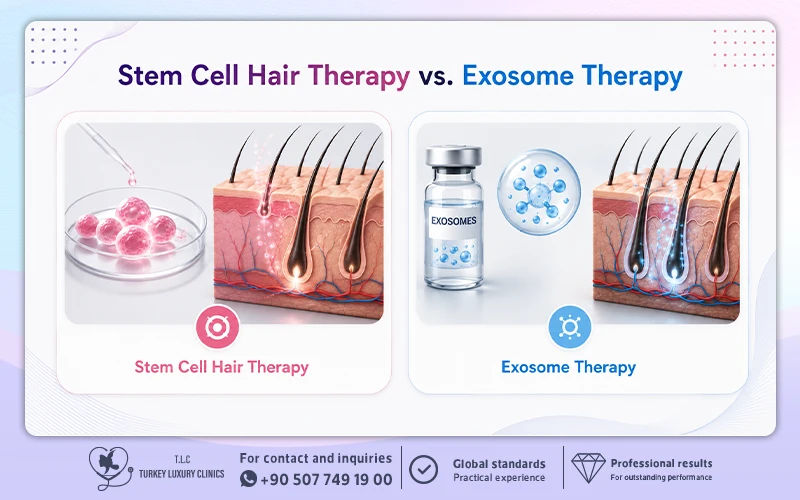
Stem cell therapy works by releasing regenerative signaling molecules that help activate weakened hair follicles, reduce inflammation, and promote tissue repair. Many of these biological signals are carried by tiny extracellular vesicles called exosomes. Based on this concept, researchers developed concentrated exosome preparations that can be injected directly into the scalp to deliver regenerative signals without transplanting living stem cells.
Stem Cell Hair Transplant Risks and Side Effects
Stem cell hair therapy is generally well tolerated because most techniques use the patient's own cells. However, like any medical procedure, it carries some potential risks and side effects, including:
- Temporary pain, swelling, or redness at the injection or tissue harvest site.
- Minor bleeding or bruising after a scalp biopsy or mini-liposuction.
- Scalp tenderness or mild discomfort for a few days.
- Temporary hair shedding, which may occur before new growth begins.
- Infection, although uncommon when performed under sterile conditions.
- Unpredictable results, as treatment response varies between patients and techniques.
Who Is a Good Candidate for Stem Cell Hair Therapy?
Good Candidates | Poor Candidates |
Early to moderate thinning | Completely bald scalp |
Living hair follicles | No viable follicles |
Diffuse hair loss | Extensive baldness |
Patients seeking a non-surgical option | Patients needing full hair restoration |
Stem cell hair therapy is most suitable for people with early to moderate hair loss who still have living but weakened hair follicles. It is designed to improve follicle function rather than replace missing follicles, making patient selection critical.
The best candidates include:
- Men and women with early to moderate androgenetic alopecia (pattern hair loss).
- People with diffuse hair thinning rather than completely bald areas.
- Patients whose hair follicles are miniaturized but still active.
- Individuals seeking a non-surgical option to improve hair density.
- Patients undergoing FUE or DHI hair transplantation who want to support graft healing and survival.
Who Is Not a Good Candidate?
Stem cell hair therapy is generally not recommended for:
- Completely bald areas where hair follicles are no longer present.
- People with advanced hair loss (late Norwood stages) unless combined with hair transplantation.
- Patients with active scalp infections or uncontrolled inflammatory scalp diseases.
- Individuals with certain medical conditions that may interfere with wound healing or regenerative treatments, as determined by their physician.
The most important factor is the presence of viable hair follicles. Current stem cell therapies are intended to reactivate weakened follicles—not create new ones. Patients with extensive baldness usually achieve better results with FUE or DHI hair transplantation, with stem cell therapy used only as an adjunct in selected cases.
Stem Cell Hair Transplant in Turkey
A stem cell hair transplant in Turkey typically costs between $1,500 and $8,000, depending on the regenerative technique, clinic, number of sessions, and whether the treatment is performed alone or combined with FUE or DHI hair transplantation. This is generally 60% to 80% less expensive than comparable treatment in the United States or the United Kingdom.
Turkey is one of the world’s leading destinations for hair restoration because it combines experienced hair transplant teams, advanced regenerative treatments, competitive pricing, and services designed for international patients. Clinics may offer adipose-derived stem cell therapy (SVF), Regenera Activa scalp micrografts, or stem cell- or exosome-enhanced FUE and DHI hair transplantation.
Standalone regenerative therapy is usually recommended for patients with early to moderate thinning and viable follicles. Patients with more advanced hair loss may receive stem cell therapy alongside FUE or DHI to support graft healing, reduce postoperative inflammation, and potentially improve graft survival.
All-Inclusive Stem Cell Hair Transplant Packages in Turkey
All-inclusive stem cell hair transplant packages in Turkey generally cost between $2,500 and $5,800, depending on the graft count, regenerative treatment, clinic, and hotel category.
These packages commonly include:
- FUE or DHI hair transplant surgery
- Stem cell, SVF, Regenera Activa, or exosome treatment
- Preoperative consultation and scalp assessment
- Three to five nights in a four- or five-star hotel
- Airport, hotel, and clinic transfers
- Postoperative medications and aftercare products
- Follow-up support after returning home
Patients should confirm whether the quoted package includes a standalone regenerative treatment or a full hair transplant combined with stem cell or exosome therapy, as these procedures differ significantly in purpose and price.
Get a Personalized Stem Cell Hair Restoration Assessment
Not every patient is a suitable candidate for stem cell hair therapy. The best treatment depends on your stage of hair loss, donor area quality, and whether your follicles are still viable. Our specialists can evaluate your scalp and recommend whether stem cell therapy, FUE, DHI, PRP, or a combination of treatments is the most appropriate option for your goals.
Request a free online consultation to receive a personalized treatment recommendation, graft estimate (if needed), and a detailed treatment plan based on your stage of hair loss.
FAQs About Stem Cell Hair Transplant