

- Stem Cell Skin Care Takeaways
- What Is Stem Cell Skin Care?
- What Does a Stem Cell Do for Your Skin?
- How Does Stem Cell Skin Care Work?
- Types of Stem Cell Skin Care
- Do Stem Cell Skin Care Products Really Work?
- What Results Can You Realistically Expect From Stem Cell Skin Care?
- Stem Cell Serum vs. Cream: What's the Difference?
- Plant vs. Human Stem Cell Skin Care
- Stem Cell Skin Care vs. Collagen
- Can Stem Cell Skin Care Reverse Skin Aging?
- Stem Cell Skin Care Products vs. In-Clinic Treatments
- Professional Stem Cell Skin Rejuvenation
- Is Stem Cell Skin Care Safe?
- Stem Cell Skin Rejuvenation Before and After
- Stem Cell Skin Rejuvenation in Turkey
- FAQs About Stem Cell Skin Care
Stem cell skin care refers to skin-rejuvenating products formulated with plant-derived extracts or human cell-derived substances such as growth factors, conditioned media, peptides and exosomes. These ingredients are used to support collagen production, hydration, skin repair and the appearance of fine lines and texture.
Most of these products do not contain living stem cells. Their formulas rely instead on extracts or signaling molecules produced by cultured cells, which are intended to interact with the skin’s existing repair and communication pathways.
Some formulations have shown promising results for firmness, hydration, texture and visible signs of aging, although the strength of the evidence varies widely between plant extracts, growth-factor products and exosome-based formulas.
Stem Cell Skin Care Takeaways
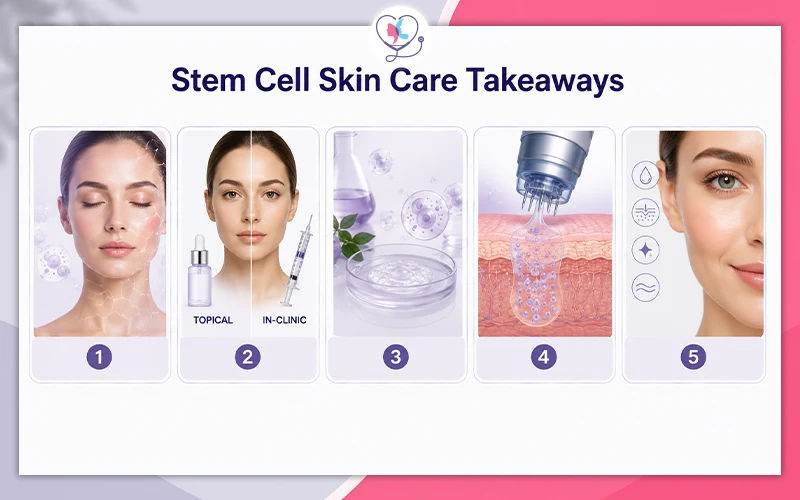
- Stem cell skin care is a promising regenerative approach for improving hydration, texture, firmness, and visible signs of aging.
- Stem cell skin care can be topical or in-clinic, with major differences in ingredients, delivery, and expected results.
- Topical products usually contain no living stem cells; they use plant extracts or cell-derived growth factors, conditioned media, peptides, and exosomes.
- In-clinic treatments deliver regenerative materials into or through the skin using injections or procedure-assisted methods.
- Results are generally subtle to moderate, including better hydration, texture, radiance, and fine lines—not deep wrinkle removal or surgical lifting.
What Is Stem Cell Skin Care?
Stem cell skin care is a broad term for cosmetic products and regenerative treatments designed to support skin repair, collagen production, and signs of aging by using stem cells themselves or substances derived from them. However, there is an important distinction: topical stem cell creams and serums generally do not contain living stem cells, while some clinical procedures may use cells obtained from the patient’s own tissue.
Your skin already contains its own stem cells, particularly in the epidermis and hair follicles, where they help renew skin cells and contribute to tissue repair. Cosmetic treatments attempt to take advantage of similar regenerative pathways, but the way they do this varies considerably.
Stem Cell Skincare Products
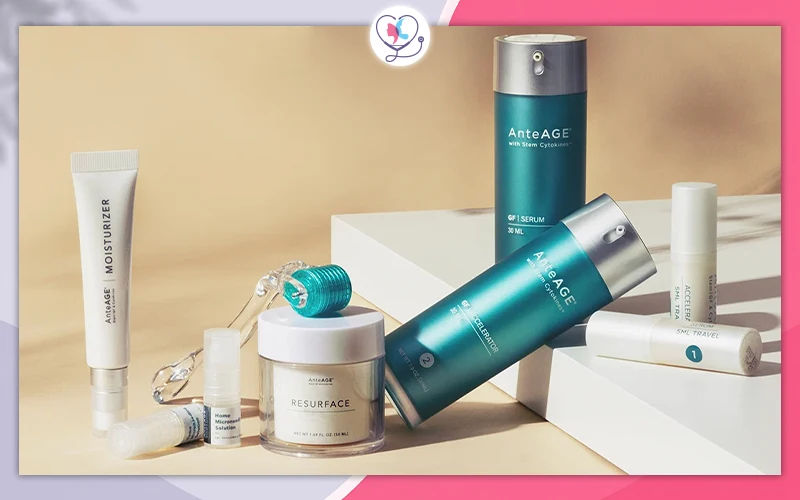
In stem cell skincare products, the term “stem cell” usually refers to the source of an ingredient rather than living cells inside the bottle. Products may contain plant stem cell extracts or substances produced and released by cultured human cells, including growth factors, peptides, cytokines, proteins, conditioned media, and extracellular vesicles such as exosomes.
What is actually in the bottle falls into two groups. Plant stem cell extracts come from cultured plant cells such as apple, grape or argan, and act mainly as antioxidants. Human stem cells–derived ingredients are growth factors, conditioned media and exosomes — the signalling molecules human stem cells secrete, harvested without the cells themselves.
Both are used in anti-aging and skin rejuvenation routines to support skin repair, hydration and the appearance of fine lines. This guide explains what each ingredient type genuinely does, what the evidence currently supports, and where topical care reaches its limit.
Clinical Stem Cell Skin Rejuvenation
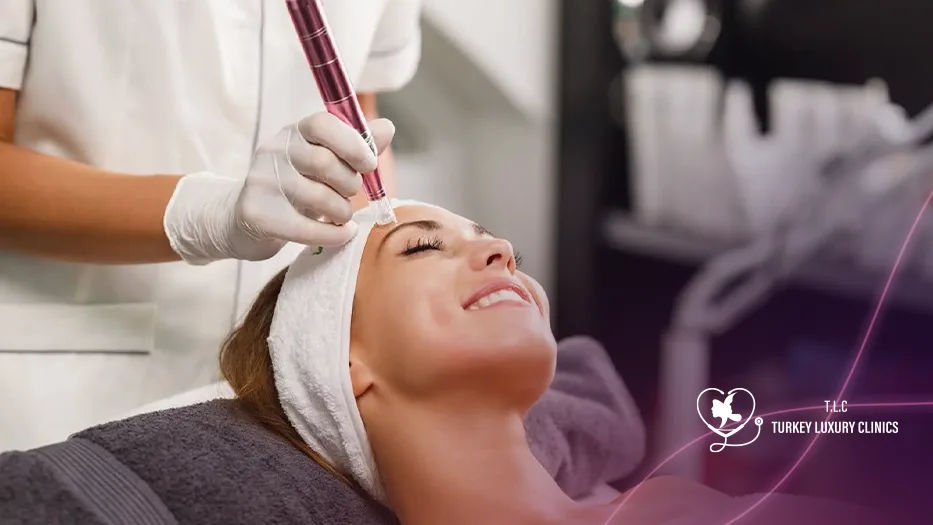
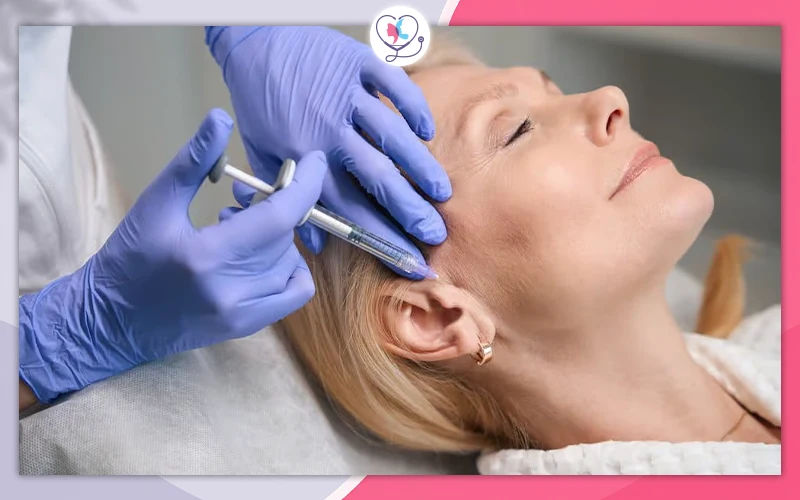
Professional stem cell skin rejuvenation refers to in-clinic regenerative treatments designed to improve skin quality, texture, hydration, and signs of aging by injecting or delivering regenerative materials into the skin rather than applying them topically. Depending on the treatment protocol, these may include autologous stem-cell-rich preparations, growth factors, conditioned media, or exosome-based approaches.
They can be used alone or alongside microneedling, fat grafting, or other regenerative techniques, with the aim of stimulating collagen production and improving skin quality.
What Does a Stem Cell Do for Your Skin?
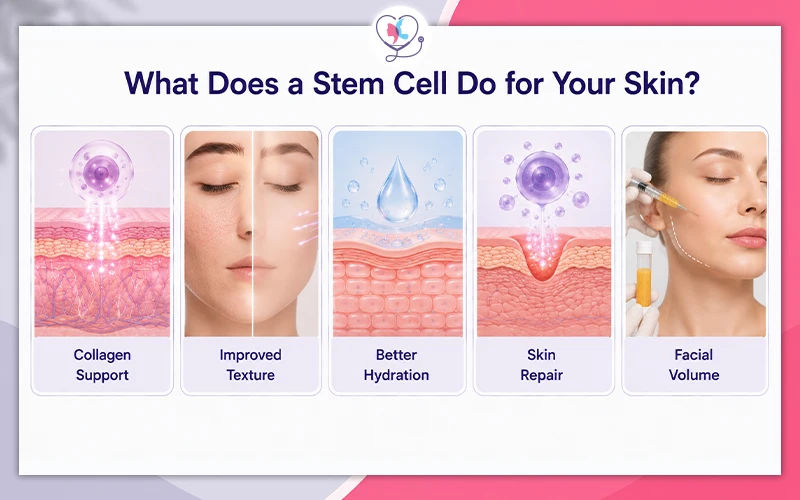
Stem cells and stem-cell-derived signaling factors may support collagen production, tissue repair, hydration, and skin renewal, potentially making the skin appear smoother, firmer, and more radiant.
Expected benefits of stem cell skin care and rejuvenation include:
- Collagen Support: May stimulate collagen and elastin activity, helping improve skin firmness and fine lines.
- Improved Texture: May smooth rough texture and improve the appearance of superficial lines and acne scars.
- Better Hydration: Supports the skin barrier and moisture retention for softer, more radiant skin.
- Skin Repair: Regenerative signaling factors may support tissue recovery and help calm inflammation.
- Facial Volume: In-clinic treatments involving autologous fat grafting may restore lost facial volume while providing regenerative benefits.
How Does Stem Cell Skin Care Work?
Stem cell–derived ingredients work by delivering signalling molecules and antioxidants to the upper layers of the skin, where they may:
- Support skin repair signalling: growth factors and peptides are involved in the same communication pathways the skin uses during wound healing
- Support collagen production: by signalling fibroblasts, the dermal cells that produce collagen and elastin
- Improve hydration: through humectant and barrier-supporting components in the formulation
- Support elasticity: gradually, as part of overall barrier and matrix support
- Soften visible aging: fine lines look less pronounced when skin is better hydrated, smoother and reflecting light more evenly
Topical stem cell skincare has one major limitation: skin penetration. The stratum corneum acts as a protective barrier, while growth factors and exosomes are relatively large molecules. How much of these active ingredients reaches deeper skin layers depends on molecular size, the delivery system, and the condition of the skin barrier. This is why topical stem cell skincare generally produces gradual, surface-level improvements rather than deep structural changes.
Stem cell–derived treatments may support collagen production, but they work differently from collagen biostimulators such as Sculptra. Sculptra uses PLLA to stimulate collagen formation, while regenerative treatments rely on cells or cell-derived signaling factors involved in tissue repair.
Types of Stem Cell Skin Care
Plant Stem Cell Skin Care
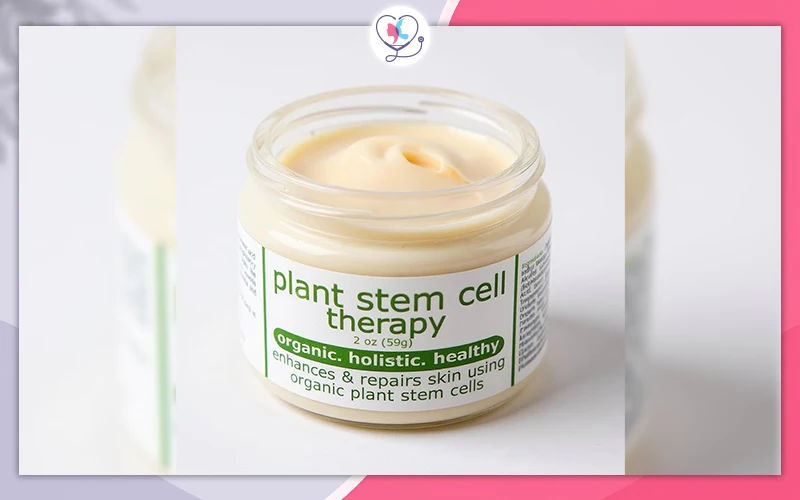
Plant stem cell skincare uses extracts produced from cultured plant cells, commonly from sources such as apple (Malus domestica), grape (Vitis vinifera), argan, edelweiss and gotu kola.
These products do not contain living plant stem cells that can regenerate human skin. Instead, the extracts provide compounds such as antioxidants and polyphenols, which may help protect the skin from oxidative stress and environmental damage and support overall skin condition.
However, plant stem cells cannot replace, transform into or directly activate human stem cells. Their potential skincare benefits come mainly from the bioactive compounds in the extract rather than from any true stem-cell activity. Much of the evidence remains laboratory-based, with limited controlled clinical research in humans.
Human Stem Cell–Derived Skin Care
Human stem cell skincare usually does not contain the cells themselves. Instead, these products are commonly made with conditioned media or stem-cell-derived secretomes — the substances released by cultured human cells.
These secreted molecules may include growth factors, cytokines, peptides and other signaling proteins involved in cellular communication, tissue repair and collagen regulation.
In simple terms, the product contains molecules produced by the cells, not living stem cells.
This approach has a stronger biological rationale than plant-derived extracts because human skin can respond to these signaling molecules. Early studies are promising, particularly for skin texture, fine lines and recovery, but clinical evidence is still limited by small study sizes and short follow-up periods.
Exosomes and Growth Factor Skin Care
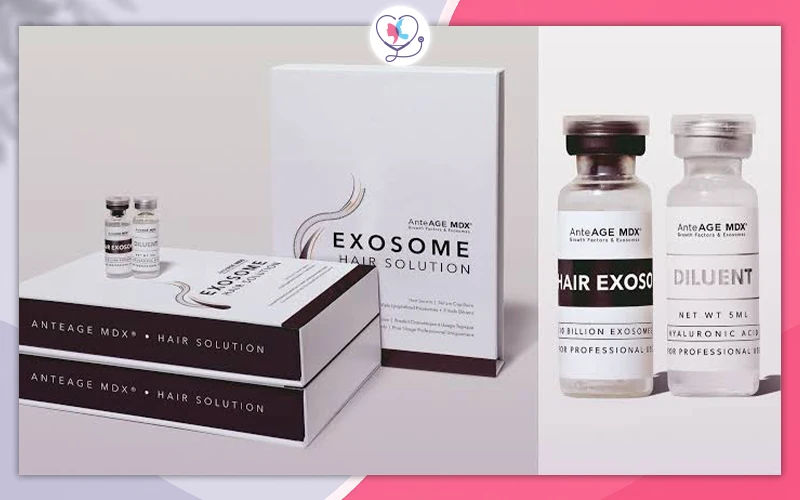
Exosomes are tiny extracellular vesicles released by cells that transport proteins, lipids and genetic material between cells. In regenerative skincare, they are being studied as a way to deliver cellular signals involved in repair, inflammation control and tissue regeneration.
Growth factor serums work on a related principle but contain specific signaling proteins rather than the vesicles themselves.
These technologies are among the most advanced areas of regenerative aesthetics, but they are also among the most heavily scrutinized. Evidence is still developing, product quality varies widely, and claims that exosome cosmetics can “regenerate” or “reverse aging” should be interpreted cautiously.
Do Stem Cell Skin Care Products Really Work?
Stem cell skincare products may help improve hydration, skin texture, barrier support, and the appearance of fine lines, depending on the formulation. However, they do not regenerate skin with living stem cells or produce surgical-level anti-aging results.
Three things are true at the same time, and they are usually collapsed into one:
- The ingredients are biologically plausible. Growth factors, peptides and antioxidants have well-documented roles in skin biology.
- The clinical evidence is thin. Most studies are small, short-term, industry-funded, or conducted in vitro rather than on human volunteers.
- Delivery is the bottleneck. An active that cannot reach its target tissue in meaningful concentration cannot produce the effect its mechanism predicts.
There is also a regulatory point worth knowing: cosmetics are not approved before reaching the market the way medicines are. A product making a genuine regeneration claim would be making a drug claim — which is exactly why marketing language stays in the territory of "appearance of," "supports" and "helps reduce."
Promising ingredients are not the same as proven regeneration. Treat this category as skin support, not skin renewal.
What Results Can You Realistically Expect From Stem Cell Skin Care?
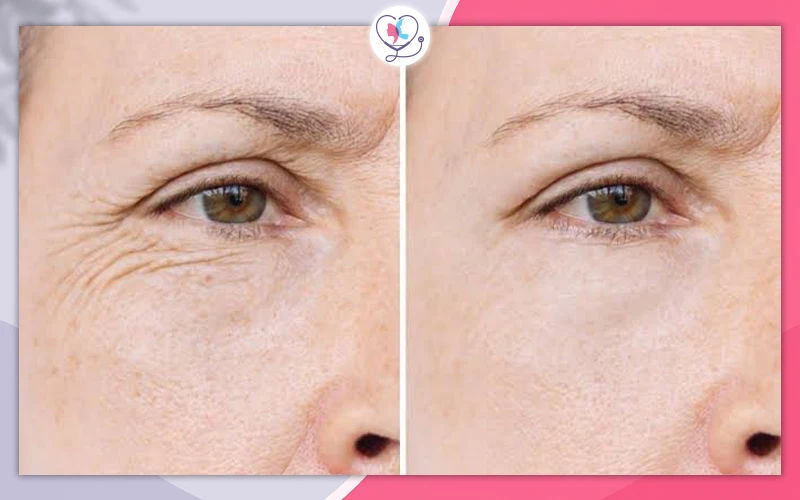
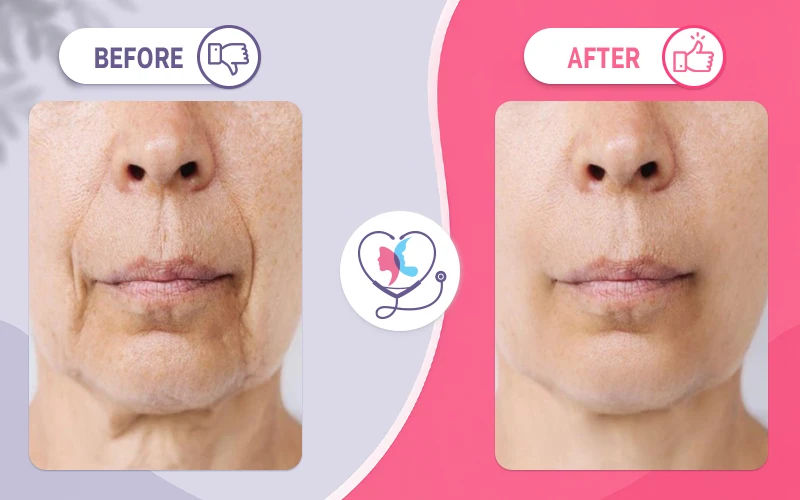
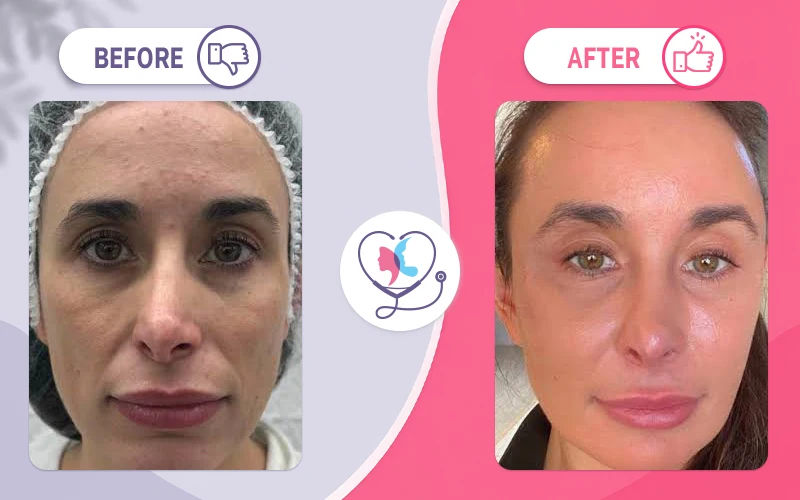
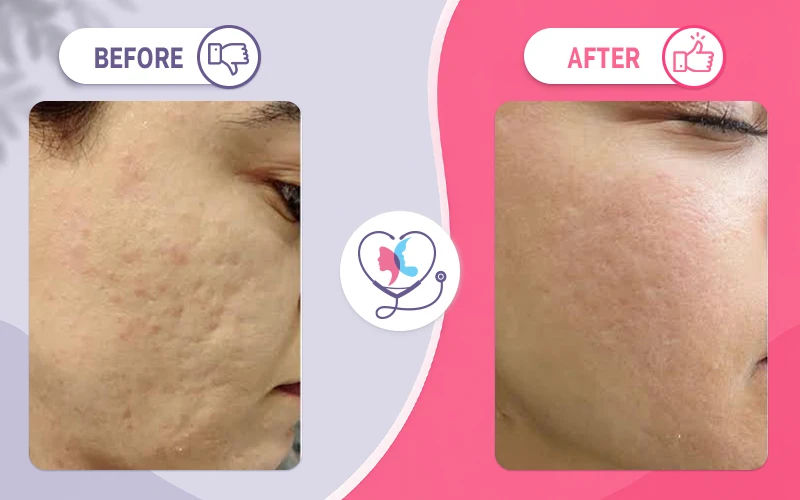
Stem cell skincare may produce subtle improvements in hydration, radiance, skin tone, and surface texture, particularly with consistent use. Some formulations containing growth factors, conditioned media, or extracellular vesicles may also support collagen-related skin functions, although clinical evidence remains limited.
What it should not be expected to do is erase deep wrinkles, significantly tighten loose skin, or reproduce the results of procedures such as laser resurfacing, injectable treatments, or surgery.
Stem Cell Serum vs. Cream: What's the Difference?
Both can contain the same activities. The difference is the vehicle.
Serum | Cream | |
Texture | Lightweight, low viscosity | Richer, occlusive |
Active concentration | Typically higher | Typically lower |
Main role | Delivering actives | Sealing in moisture, barrier support |
Where it sits | Applied first, on clean skin | Applied last, over serum |
For stem cell–derived actives, a serum is usually the more sensible vehicle — higher concentration, applied directly to clean skin. A cream layered over it reduces water loss and supports the barrier. Most routines use both rather than choosing between them.
Plant vs. Human Stem Cell Skin Care
Plant-Derived | Human Cell–Derived | |
What it contains | Plant cell extracts | Growth factors / conditioned media |
Live stem cells | No | No |
Main use | Antioxidant and general skincare support | Regenerative signalling |
Evidence base | Mostly in vitro | Small clinical studies, limited follow-up |
Used at home | Yes | Yes |
Neither delivers living cells to the skin. The meaningful difference is which molecule does the work: antioxidant defence on the plant side, cell signalling on the human-derived side.
Stem Cell Skin Care vs. Collagen
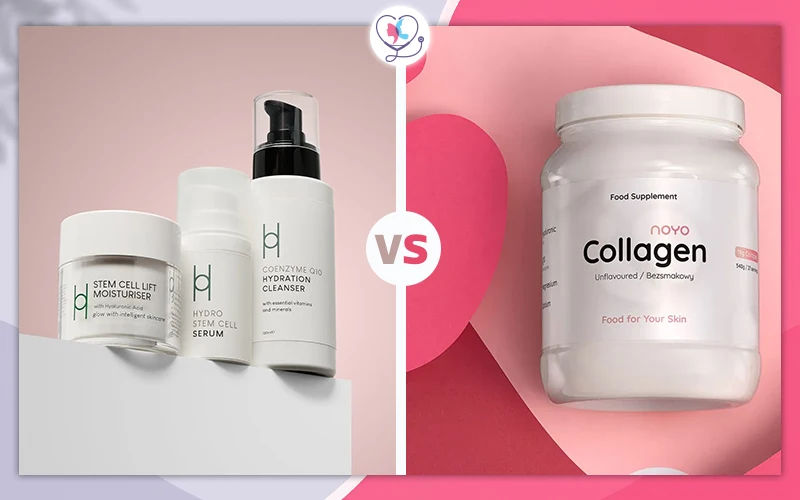
Is stem cell skincare better than collagen? Neither is better in absolute terms — they use different mechanisms and target different problems.
Topical collagen is a structural protein, usually included as hydrolysed collagen peptides. Its molecules are too large to reach the dermis and join the skin's own collagen network. What it does well is act as a humectant and film-former on the surface, binding water and improving immediate smoothness.
Stem cell–derived ingredients are not structural. They are signalling and antioxidant molecules intended to influence how skin cells behave — including the fibroblasts responsible for producing collagen.
Put simply: collagen products add something to the surface; stem cell products attempt to prompt the skin. They are complementary rather than competing, and both work within the limits of topical delivery.
Can Stem Cell Skin Care Reverse Skin Aging?
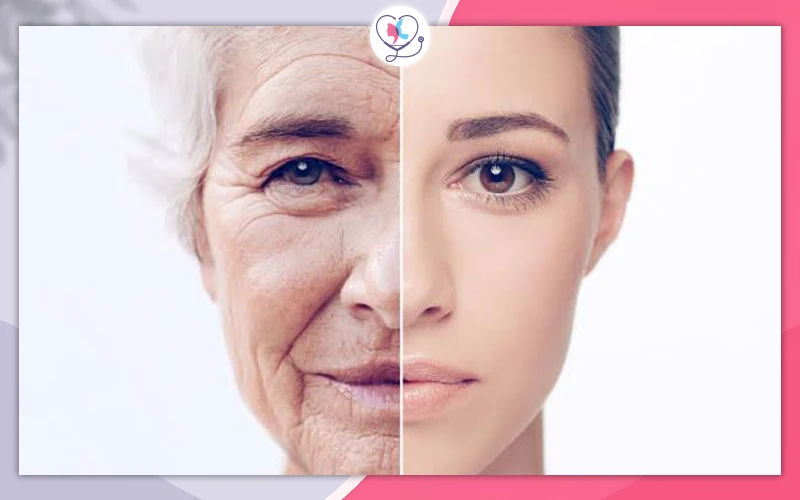
No. Stem cell skin care can improve skin appearance and skin quality, but it is not a proven method of reversing skin aging or rebuilding the skin with new stem cells.
Skin aging is a structural process: collagen and elastin decline in the dermis, the extracellular matrix degrades, cell turnover slows and fat compartments shift. A topical product acting at the surface can improve how that skin looks, better hydrated, smoother, more even, with less visible fine lining, without altering the underlying structure.
Two claims in particular are not supported by current evidence: that a topical product delivers living stem cells into the skin, and that it regenerates dermal tissue. Neither is achievable through a cosmetic applied to intact skin.
This is not an argument against using these products. It is a limit on what to expect from them, and the reason people looking for more noticeable rejuvenation are usually looking at a different category of intervention.
Stem Cell Skin Care Products vs. In-Clinic Treatments
Topical Stem Cell Skincare | Professional Regenerative Treatment | |
Where it's used | At home, self-applied | In clinic, medically administered |
Delivery | Limited by the skin barrier | Clinical delivery methods that bypass surface limits |
Invasiveness | Non-invasive | Minimally invasive, procedure-dependent |
Oversight | None | Assessment, planning and provider supervision |
Result profile | Gradual, subtle, requires continuous use | More intensive rejuvenation approach |
The difference is not that one is a stronger version of the other. It is a difference in delivery and depth, and that is what determines the scale of result achievable.
Professional Stem Cell Skin Rejuvenation
Professional stem cell skin rejuvenation refers to clinic-based procedures that use stem cell–derived materials, growth factors, conditioned media or exosome-based products as part of a skin treatment protocol.
Unlike topical creams and serums, professional treatments may combine these materials with microneedling, laser resurfacing or injection-based delivery depending on the protocol used.
How it differs from skincare products: Professional treatments may deliver stem cell–derived components differently from topical skincare, using procedures such as microneedling, laser resurfacing or injection-based delivery rather than relying only on passive absorption through the skin. However, the depth of delivery, clinical evidence and expected results vary depending on the product and procedure used.
What it targets: Professional treatments may be used to address skin texture, firmness, fine lines and overall skin quality. Depending on the procedure, they may use delivery methods that differ from standard topical application.
Who it may suit: People looking for more than a daily skincare routine can provide and who are comfortable with a clinical procedure, potential downtime and higher cost.
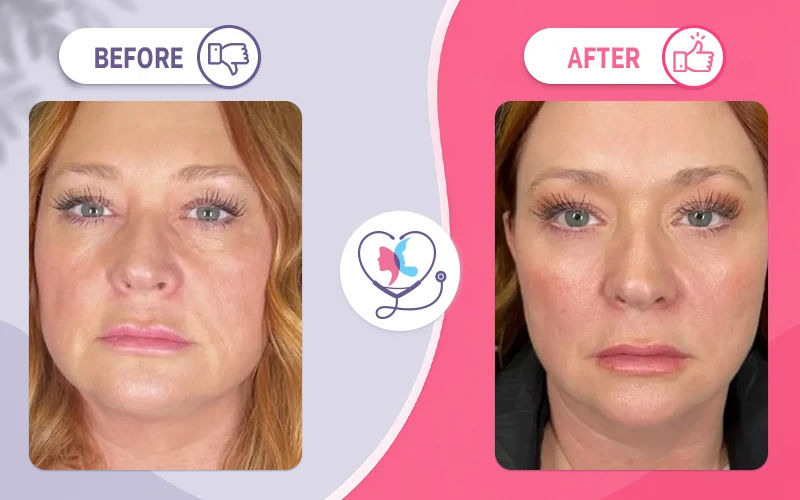
In-Clinic Stem Cell Skin Rejuvenation Options
- Autologous fat-derived treatments: Fat is collected from the patient, processed, and reinjected into the face. Depending on the protocol, the preparation may contain adipose-derived regenerative cells or stem-cell-rich fractions and can also restore facial volume.
- Stem cell–derived growth factor or conditioned media injections: Cell-secreted proteins, peptides, cytokines, and growth factors may be delivered into the skin to support collagen signaling, healing, hydration, and skin quality.
- Exosome-based skin rejuvenation: Exosome-containing preparations may be applied or delivered into the skin as regenerative signaling products intended to support repair, texture, and recovery.
- Microneedling with stem cell–derived serums or exosomes: Microneedling creates controlled microchannels, after which regenerative serums may be applied to enhance delivery compared with ordinary topical use.
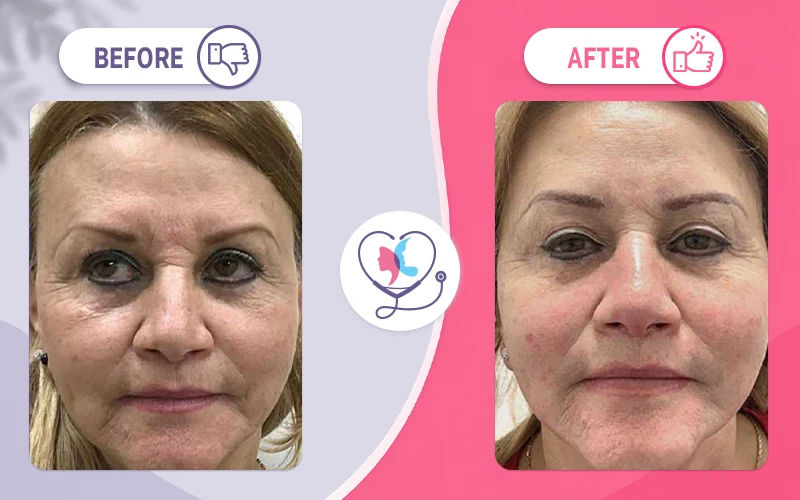
Is Stem Cell Skin Care Safe?
Topical stem cell skincare products are generally less invasive than professional regenerative treatments, but safety depends on the ingredients, formulation, and product quality. Some products may cause irritation, redness, or allergic reactions, particularly in sensitive skin.
In-clinic stem cell and regenerative treatments require greater caution because risks vary according to the material used and how it is delivered. Potential risks may include:
- Redness, swelling, or bruising after injections or procedure-assisted treatments.
- Infection whenever the skin barrier is disrupted.
- Inflammatory or allergic reactions to certain preparations.
- Uneven or unpredictable results, particularly with poorly standardized regenerative products.
- Procedure-specific risks associated with fat harvesting, injections, microneedling, or other delivery methods.
Patients should choose a qualified medical provider and licensed facility and ask exactly what product or cellular preparation is being used, where it comes from, and what evidence supports its use.
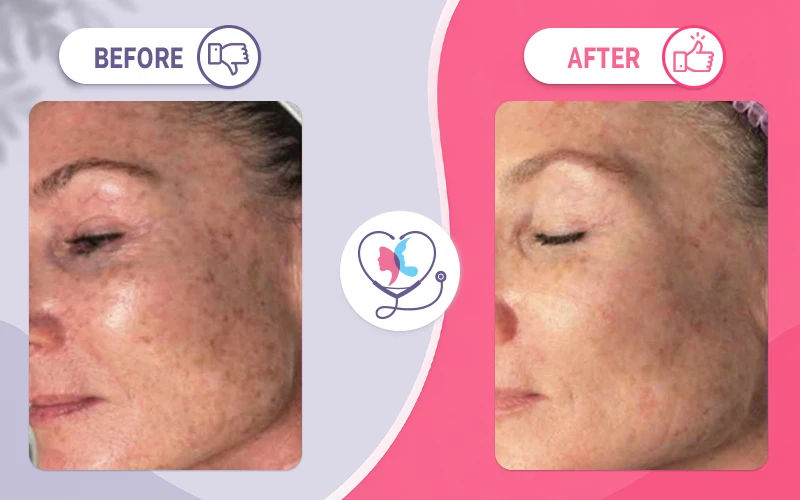
Stem Cell Skin Rejuvenation Before and After
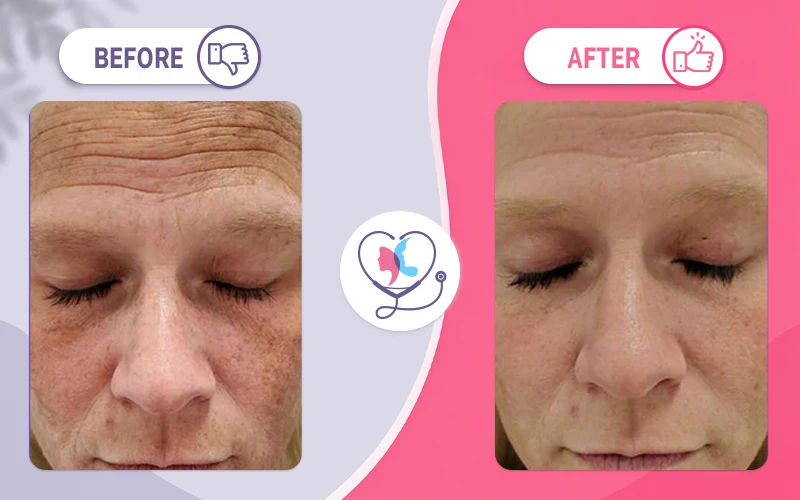
Stem Cell Skin Rejuvenation in Turkey
Regenerative aesthetic treatments are widely available in Istanbul through licensed hospitals and accredited clinics, and are planned around a professional assessment rather than booked as a fixed package.
A reasonable process starts with an evaluation of your skin concerns and photographs, followed by a discussion of whether a regenerative approach suits your goals, and treatment selection by a qualified dermatologist or aesthetic physician — including an honest view of what is achievable and what would be better addressed another way.
Choosing a qualified provider matters more than choosing a treatment name. Look for a licensed facility, a doctor whose specialty genuinely covers aesthetic and regenerative medicine, and a clear explanation of the specific preparation being used.
Turkey Luxury Clinics works with licensed, accredited hospitals in Istanbul and can arrange a consultation with a qualified specialist to review whether professional skin rejuvenation is right for you.
FAQs About Stem Cell Skin Care