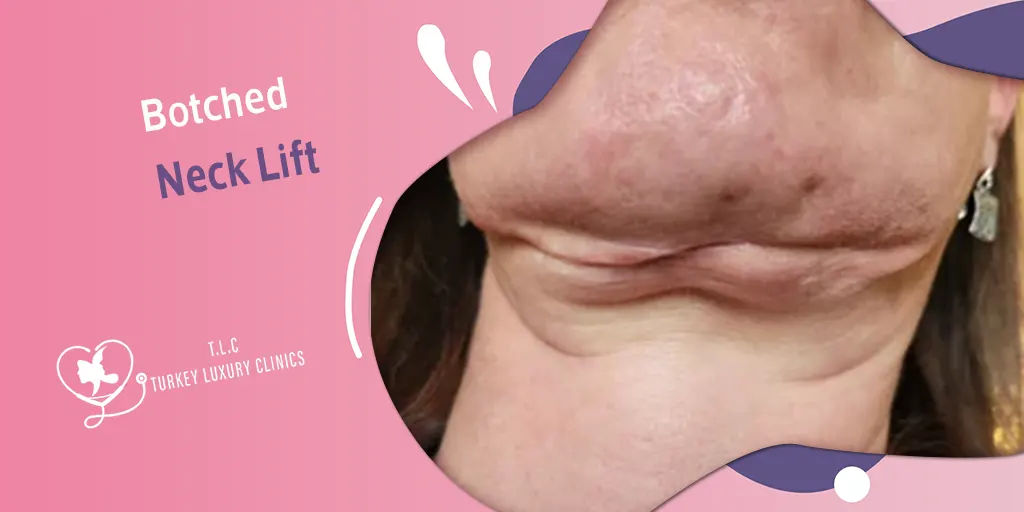


A neck lift is supposed to refresh your appearance, smooth sagging skin, and define your jawline, but what happens when it doesn’t go as planned? A botched neck lift, also known as a neck lift gone wrong, can leave you with tight, unnatural skin, visible scars, pixie ears, or uneven contours that make your results look far from rejuvenating.
These outcomes aren’t just disappointing; they can affect your confidence and sometimes require corrective procedures. Understanding the signs of a bad neck lift, why mistakes happen, and what can be done to fix them is essential before and after any cosmetic surgery.
What is a Botched Neck Lift?
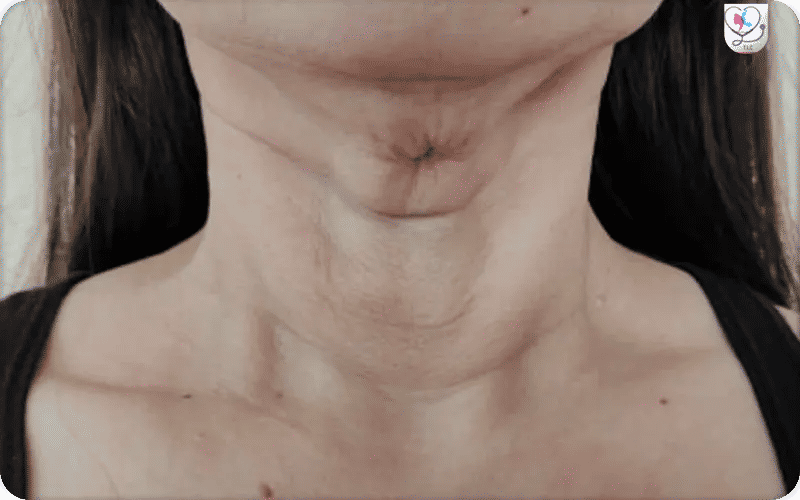
A botched neck, also commonly referred to as a “neck lift gone wrong, lift occurs when a neck cosmetic procedure produces unnatural, unsatisfactory, or even harmful results. This can happen due to poor surgical technique or complications during healing.
Common issues include pixie ears, uneven skin, prominent scarring, excessive tightness, or persistent sagging. Other signs may involve visible neck bands, puckering, or facial asymmetry.
These problems often result from aggressive fat removal, incorrect skin tension, or complications such as bleeding or infection.
In many cases, revision surgery by an experienced plastic surgeon is needed to correct the results and restore a natural appearance.
Bad Neck Lift Photos
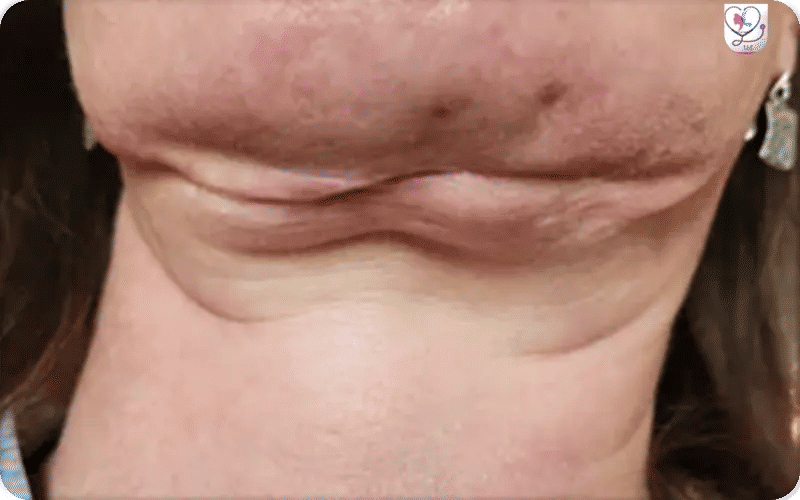
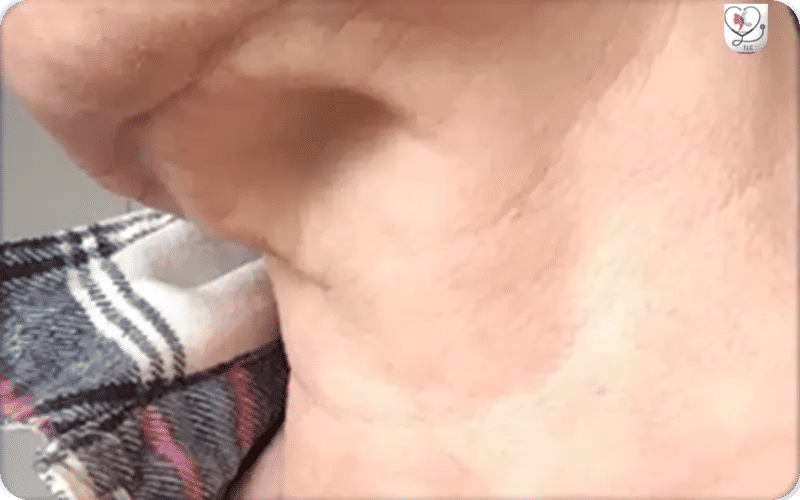
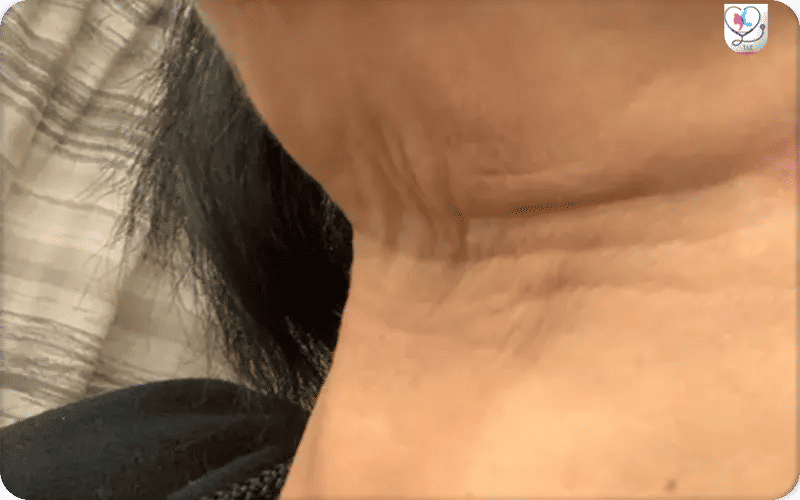
Signs of a Bad Neck Lift (Neck Lift Gone Wrong)
Signs of a bad neck lift often include an unnaturally tight or “overpulled” appearance, along with puckering, lumpiness, or visible skin irregularities. Persistent asymmetry between the two sides of the neck or jawline is another common warning sign.
Some patients notice thick, raised, or highly visible scars that are difficult to conceal. A classic indicator is “pixie ear” deformity, where the earlobes appear stretched or pulled downward unnaturally. In more serious cases, complications such as infection, delayed healing, or poor circulation can occur, leading to a distorted or gaunt appearance rather than the smooth, refreshed contour the procedure is meant to achieve.
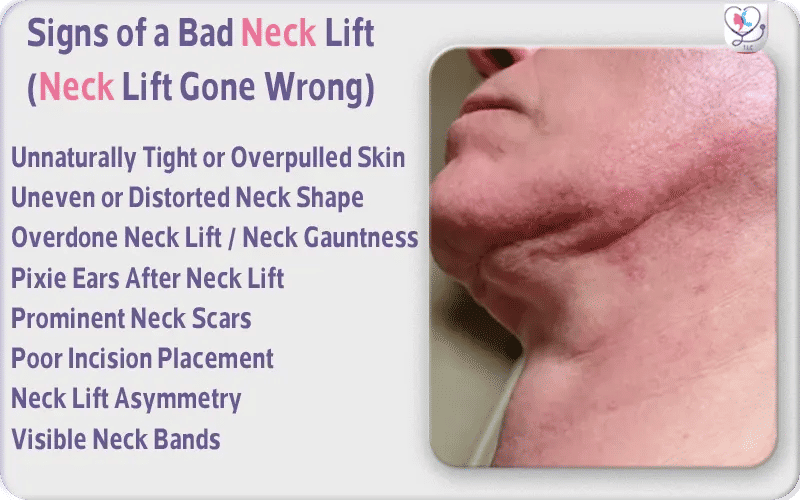
Unnaturally Tight or Overpulled Skin
A neck lift gone wrong often results in unnaturally tight or “overpulled” skin. This can cause puckering, lumpiness, or visible irregularities along the neck and jawline. Such issues usually stem from excessive skin tightening or improper tissue repositioning during surgery.
Uneven or Distorted Neck Shape
Botched neck lifts may leave the neck with irregular contours, visible pulling, or banding under the skin. Aggressive fat removal or mishandling of the platysma muscle often leads to these distorted shapes, giving the neck an unnatural appearance.
Overdone Neck Lift / Neck Gauntness
Overly aggressive neck lifts can create a sharp, artificial jawline or hollow areas, making the neck appear gaunt. Excessive fat removal or poor technique often causes these results, signaling a botched procedure rather than natural rejuvenation.
Pixie Ears After Neck Lift
“Pixie ears” occur when earlobes appear stretched, pulled downward, or unnaturally “stuck on.” This usually happens when skin tension isn’t properly distributed during surgery. Revision surgery can often correct this and restore a natural earlobe shape.
Prominent Neck Scars
Visible neck scars can be thick, raised, widened, or discolored due to genetics, poor healing, or wound tension. These scars are a common sign of a bad neck lift and can be improved with treatments like silicone sheets, laser therapy, or steroid injections over time.
Poor Incision Placement
Incorrect incision placement may lead to obvious scars along the hairline or behind the ears. This can cause asymmetry, over-tightened skin, or secondary issues like pixie ears. Proper incision planning is essential to prevent these complications.
Neck Lift Asymmetry
After a botched neck lift, one side of the neck may look different from the other due to uneven swelling, healing differences, or tissue manipulation. Minor asymmetry is normal, but persistent differences may require corrective revision.
Visible Neck Bands
Residual vertical bands often indicate the platysma muscle wasn’t fully addressed during surgery. These age-related cords can remain visible after a neck lift gone wrong. Treatments may include revision surgery or non-surgical options such as Botox, targeted fat removal, or skin tightening procedures.
Why Do Neck Lifts Go Wrong?
A neck lift can go wrong for several simple reasons. Sometimes the surgeon removes too much fat or tightens the skin more than needed, which makes the neck look stiff, uneven, or overly pulled. In other cases, the muscles under the skin aren’t handled properly, so the result doesn’t look smooth or natural.
Problems can also happen if the surgeon isn’t experienced enough, chooses the wrong technique for the patient’s neck shape, or doesn’t plan the surgery carefully. Healing issues, like infection, poor wound healing, or heavy scarring, can make the final result worse.
Finally, unrealistic expectations or natural factors in the neck’s structure can affect the outcome, meaning the result may not look as good as the patient hoped, even if surgery was done.
8 Causes of Botched Neck Lift
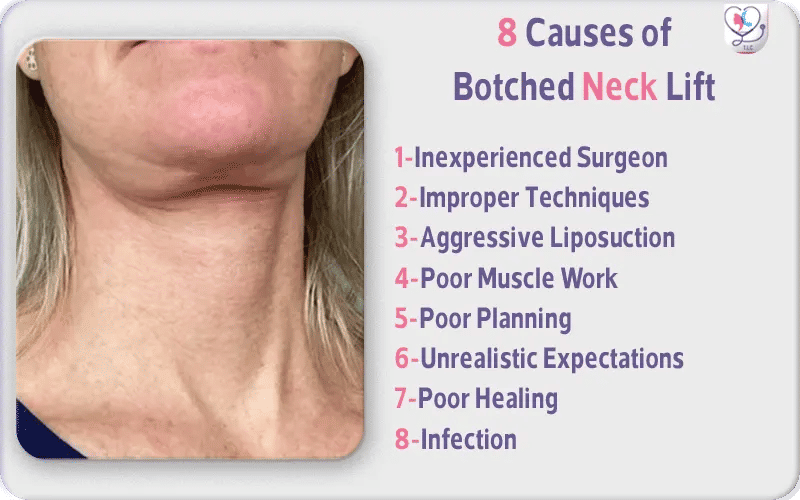
- Inexperienced Surgeon: Limited skill or experience with neck anatomy and neck lift techniques can lead to poor results.
- Improper Techniques: Using a surgical approach that does not match the patient’s anatomy or aesthetic goals.
- Aggressive Liposuction: Removing too much fat, causing the skin to adhere to the muscle and create irregularities or lumps (often called a cobra neck).
- Poor Muscle Work (Platysmaplasty): Inadequate or overly aggressive tightening of the neck muscles, leading to deformities or excessive tightness.
- Poor Planning: A mismatch between the surgical technique and the patient’s natural anatomy, such as a weak chin or a low hyoid bone.
- Unrealistic Expectations: Expecting results beyond what surgery can safely or realistically achieve.
- Poor Healing: Delayed wound healing, excessive scarring, or tissue breakdown during recovery.
- Infection: Post-surgical infection that interferes with healing and affects the final appearance.
To learn more about normal neck lift recovery, read: Neck Lift Recovery Pictures Day by Day (Day 1 to Month 12)
How to Fix a Botched Neck Lift?
If the results were unsatisfying, a neck revision procedure can fix such issues; however, in some conditions, you may need to wait until full healing and results appear and stabilize. Some early swelling, tightness, or irregularities are normal and may improve naturally over weeks to months.
You can seek more than one opinion from a board-certified plastic surgeon experienced in revision neck lifts to discuss options like laser therapy, fat grafting, scar revision, or more complex corrective surgery, as most issues are fixable.
So If your neck lift results are unsatisfactory or problematic, here are solutions to fix neck lift issues:
Revision Surgery
A revision neck lift is a secondary surgery to correct or improve the results of a previous neck lift, addressing issues like lingering loose skin, asymmetry, visible scarring, or an unnatural tightness from the initial operation.
It's more complex due to scar tissues and involves techniques like fat grafting, scar revision, or further muscle tightening and skin redraping.
For noticeable issues like asymmetry, over-tightening, or distorted contours, a corrective procedure may be necessary.
Consider choosing an experienced facial plastic surgeon to perform revision surgery, as it is more complex than the original operation.
Non-Surgical Treatments of Botched Neck Lift
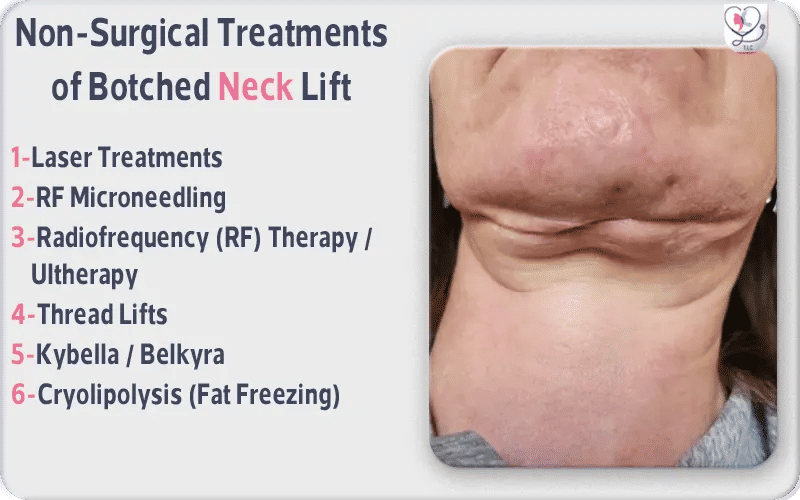
Minor neck lift issues, such as uneven skin texture or slight contour issues, can sometimes be improved with non-surgical approaches like injectable fillers, laser therapy, or other non-invasive procedures. Non-surgical treatment options include:
- Laser Treatments: Tightens skin and improves texture, and is helpful for
- RF Microneedling: Boosts collagen to firm loose skin.
- Radiofrequency (RF) Therapy / Ultherapy: Non-surgical tightening for mild sagging.
- Thread Lifts: Lifts sagging tissue with dissolvable sutures.
- Kybella / Belkyra: Reduces small pockets of fat under the chin.
- Cryolipolysis (Fat Freezing): Targets localized fat non-invasively.
For loose or sagging skin, treatments like RF microneedling, radiofrequency therapy, or Ultherapy can tighten the skin and stimulate collagen, helping to firm the neck and jawline.
If there are uneven skin textures or fine lines, laser treatments or microneedling can smooth the skin, improve tone, and reduce wrinkles or irregularities.
For sagging tissue or mild descent, thread lifts using dissolvable sutures can lift and reposition the skin without surgery.
Small fat deposits or a double chin can be reduced with Kybella/Belkyra injections or cryolipolysis (fat freezing), improving jawline definition and contour.
Minor contour issues or hollows can be corrected with dermal fillers, adding volume to depressed areas and restoring balance.
These non-surgical options are ideal for minor to moderate problems, while more severe sagging, persistent asymmetry, or major contour issues may still require revision neck lift surgery by a skilled surgeon.
Neck Lift Bad Scar Management
Managing scars from a bad neck lift combines at-home care, professional treatments, and sometimes surgical revision.
In the early stages, gentle massage, silicone sheets or gels, scar creams (OTC or prescription), strict sun protection for at least six months, and a healthy lifestyle with good nutrition and no smoking help promote proper healing.
For raised or thick scars, professional options like corticosteroid injections, laser therapy, fillers, and microneedling can improve appearance, texture, and color. Often, an expert surgeon or dermatologist will choose the best approach based on scar type and severity, sometimes combining treatments, for example, using fillers for depressed areas and lasers for protruding sections.
Severe cases may require surgical revision, including scar revision surgery, fat grafting, or a revision neck lift to correct major scarring, unevenness, or overall poor results.
How to Prevent a Botched Neck Lift
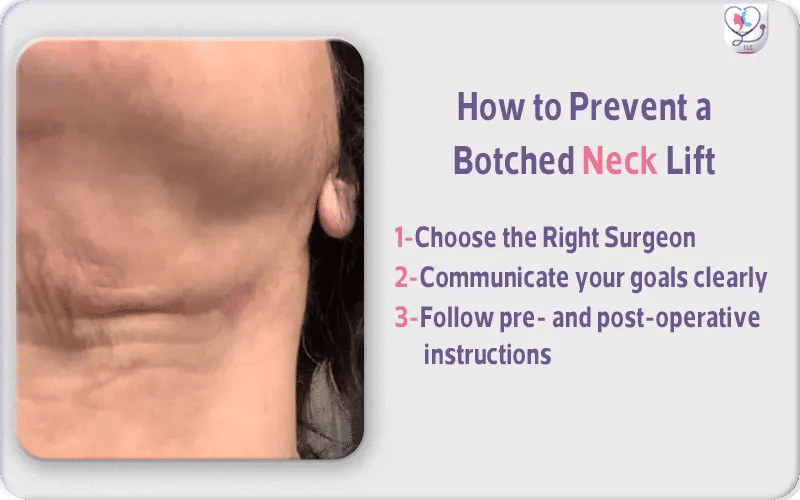
1. Choose the Right Surgeon: Select a board-certified plastic surgeon with extensive experience in neck lifts. Look for specialists in facial procedures and review before-and-after photos to assess their skill and aesthetic style.
2. Communicate your goals clearly: Misaligned expectations are a common cause of a botched neck lift. Discuss your goals in detail, understand what is realistically achievable for your anatomy, skin quality, and age, and ask about techniques, recovery, and expected outcomes.
3. Follow pre- and post-operative instructions: Proper preparation and aftercare are essential. Follow your surgeon’s instructions regarding medications, activity restrictions, and wound care. Avoid smoking, excessive sun exposure, or anything that may hinder healing to reduce risks like infection, poor wound healing, asymmetry, or scarring.
Fix Your Neck Lift with Expert Care at Turkey Luxury Clinics
If your previous neck lift didn’t turn out as you hoped, there’s no need to stress — we’re here to help. At Turkey Luxury Clinics, we provide gentle, effective solutions to restore a natural, harmonious look.
Our internationally experienced surgeons specialize in revision neck lift procedures, scar correction, and personalized non-surgical treatments, all tailored to your individual needs.
Schedule a free consultation to receive a caring, professional assessment and a customized plan designed to refine contours, correct any issues, and help you feel confident in your appearance once again.
You may like
How to Get Rid of Double Chin Fast: 2026 Methods
Mini Neck Lift Cost 2026: Updated Prices, Key Factors & US vs Turkey
Neck Lift cost in Turkey 2026: Full Packages & 70% Savings
Nefertiti Neck Lift Before & After Photos: What to Expect
FAQs About Botched Neck Lift