

- What Is a Chin Implant?
- Advantages of Getting Chin Implant in Turkey
- Chin Implant Turkey Before and After
- Best Chin Implant Surgeons in Turkey
- Your Chin Implant Journey in Turkey
- How Much Does a Chin Implant Cost in Turkey?
- Best Chin Implant Materials: Silicone vs Medpor vs Custom Implants
- What Is the Best Chin Implant Size?
- How Is Chin Implant Surgery Performed?
- Chin Implant Recovery Timeline
- Chin Implant Recovery Tips
- Chin Implant Results and Longevity
- Is Chin Implant Surgery Safe? Risks and Safety
- Chin Implant vs. Fillers: Which Is Better?
- Is Chin Implant Right for You?
- How Turkey Luxury Clinics Can Help
- FAQs About Chin Implant in Turkey
A chin implant is one of the most effective procedures for improving facial balance and creating a stronger, more defined jawline. In Turkey, chin implant surgery typically costs $2,000–$4,500 USD, with all-inclusive packages that can save patients 50–70% compared with the US or UK. Most packages include the surgeon's fee, anesthesia, the implant, hospital stay, hotel accommodation, airport transfers, and interpreter services.
The procedure usually takes 45–60 minutes, and most patients stay in Turkey for 6–7 days to allow for early recovery and a postoperative follow-up before returning home.
What Is a Chin Implant?
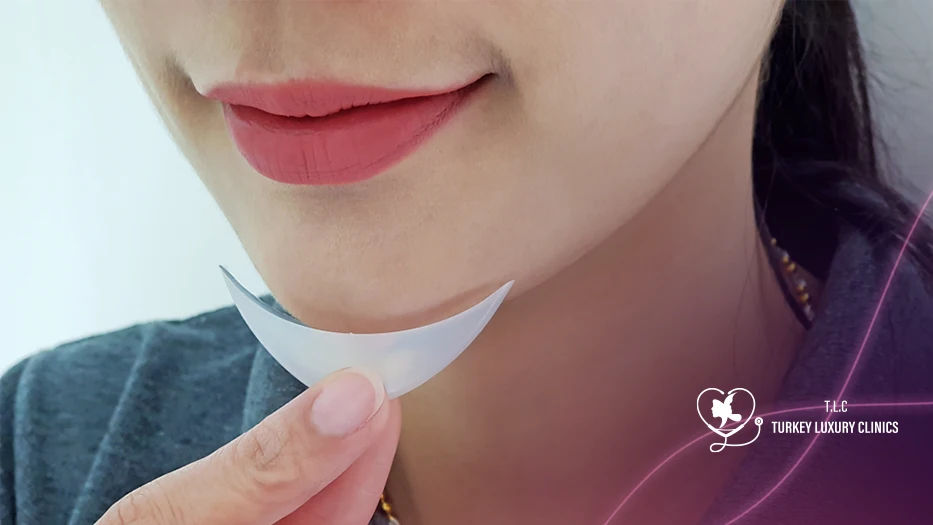
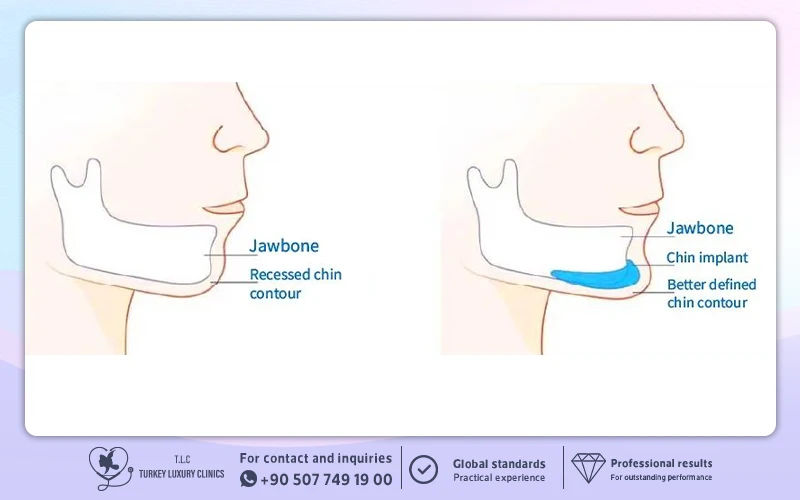
A chin implant is a cosmetic surgical procedure that improves the size, shape, and projection of the chin by placing a biocompatible implant directly over the chin bone. It is commonly performed to create a stronger jawline, improve facial balance, and enhance the side profile.
Unlike dermal fillers, a chin implant provides a permanent structural enhancement. It can increase chin projection, improve the balance between the chin, nose, and neck, and create a more defined facial profile. In some patients, chin implants are combined with procedures such as rhinoplasty or neck liposuction to achieve more harmonious facial proportions.
Chin implant is a type of mentoplasty, plastic surgery of the chin that includes augmentation, reduction or reshaping or repositioning.
It is one of the most popular facial contouring procedures and is often combined with chin liposuction (submental liposuction) to improve jawline definition by enhancing chin projection while removing excess fat beneath the chin.
Advantages of Getting Chin Implant in Turkey
- Experienced plastic surgeons who regularly perform facial contouring and chin augmentation procedures.
- Modern hospitals and specialized cosmetic surgery clinics in cities such as Istanbul, Antalya, and Izmir, with many facilities accredited to international quality standards.
- Treatment costs are typically 50–70% lower than in the US and UK while using the same implant materials, such as silicone or Medpor.
- Comprehensive all-inclusive packages that often cover the surgery, anesthesia, implant, hospital stay, hotel accommodation, airport transfers, and interpreter services.
- A well-developed medical tourism system with English-speaking patient coordinators, personalized treatment planning, and postoperative follow-up throughout your stay.
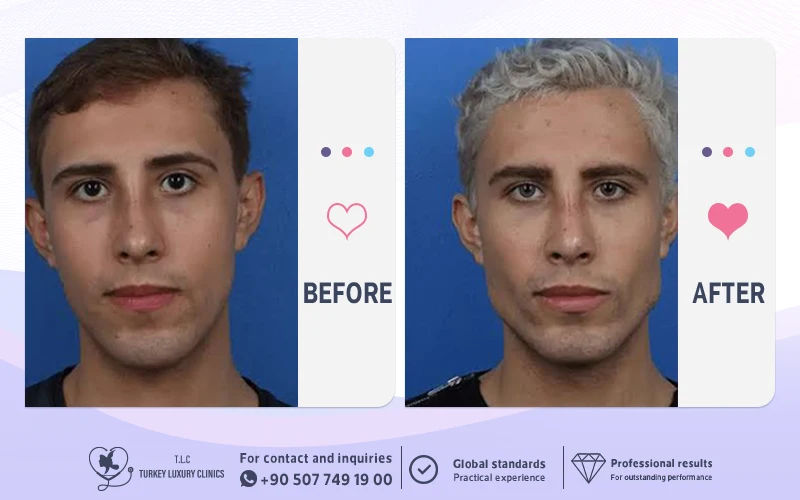
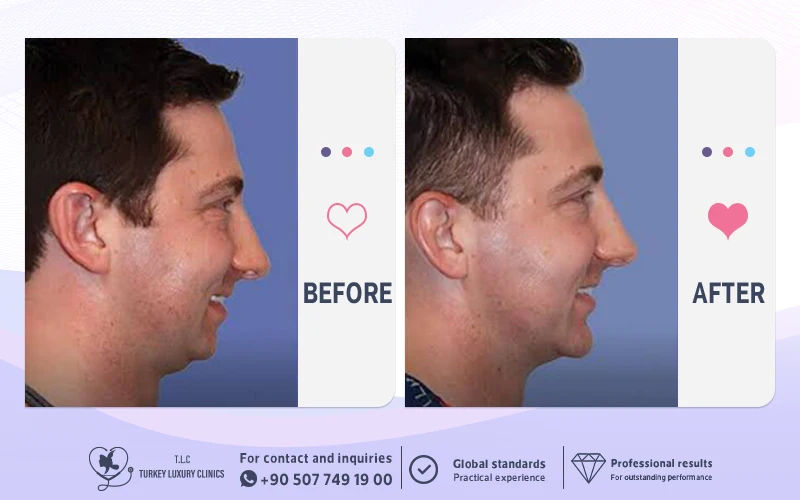
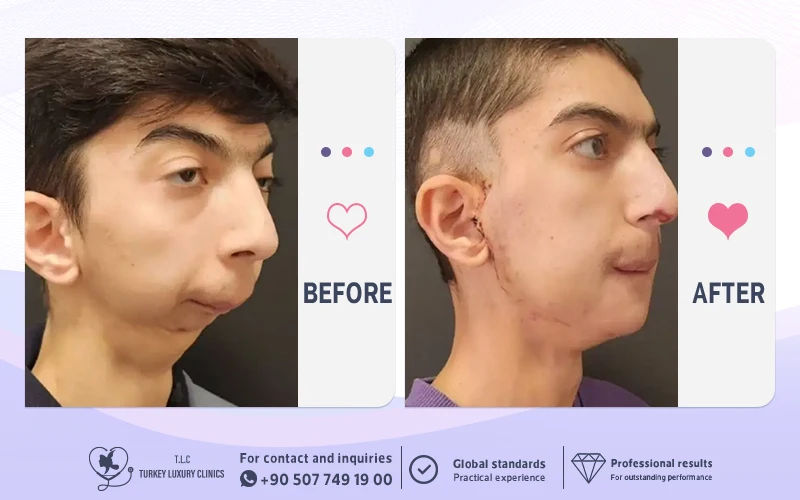
Chin Implant Turkey Before and After
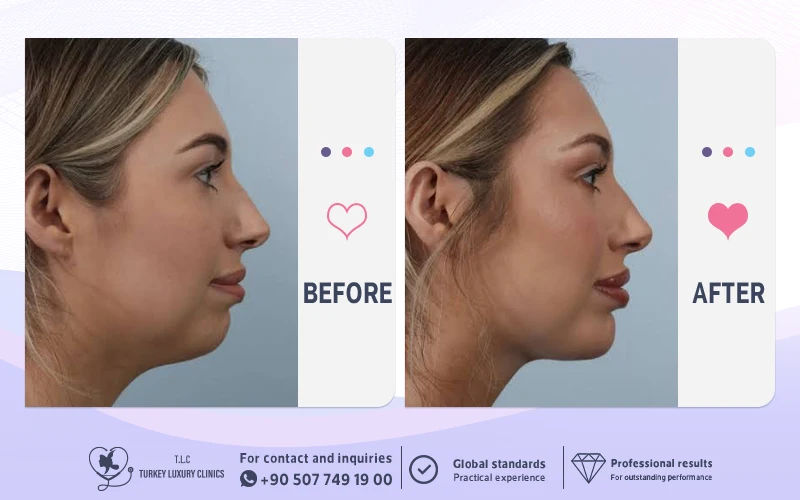
Best Chin Implant Surgeons in Turkey
Highly rated chin implant surgeons are commonly found in major medical tourism cities such as Istanbul, Antalya, and Ankara. Look for surgeons certified by the Turkish Society of Plastic, Reconstructive and Aesthetic Surgery (TPCD) or affiliated with recognized international professional organizations.
Surgery should always be performed in a fully licensed hospital, preferably one with Joint Commission International (JCI) or ISO accreditation.
Before making your decision, review the surgeon's experience with facial implants, before-and-after results, implant materials, pricing, package inclusions, and follow-up care.
At Turkey Luxury Clinics, we help you compare qualified surgeons and treatment options based on your individual needs.
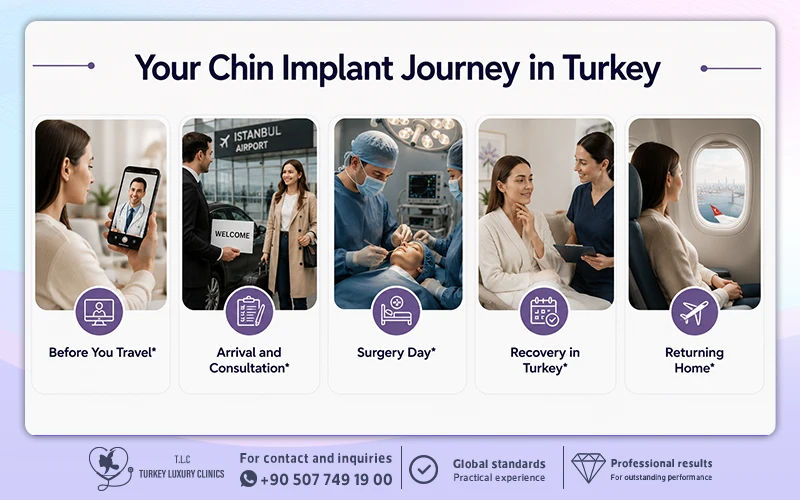
Your Chin Implant Journey in Turkey
Most international patients stay in Turkey for 5–7 days for chin implant surgery, from the initial consultation to the final follow-up before returning home.
Before You Travel
The journey usually begins with an online consultation. You'll send photos of your face along with your medical history so the surgeon can provide a preliminary assessment and treatment plan.
Arrival and Consultation
Once you arrive in Turkey, our coordinator will meet you at the airport and arrange your private transfer to the hotel. Your in-person consultation is usually scheduled shortly after arrival or the following day. During this appointment, you will meet your surgeon, complete the required medical tests, review the implant size and shape, and confirm the final surgical plan.
Surgery Day
On the day of surgery, you will be admitted to the hospital, meet the anesthesia team, and review the final surgical plan with your surgeon. After the procedure, you will remain in the recovery area until you are fully awake and medically stable. Most patients return to their hotel the same day with a companion, while an overnight hospital stay may be recommended after combined procedures or when additional monitoring is needed.
Recovery in Turkey
During the following few days, you'll attend follow-up appointments while swelling and mild discomfort gradually improve. Your surgeon will provide instructions on medication, diet, and activity before approving your return flight.
Returning Home
Most patients are cleared to fly home within 5–7 days. After returning, clinics usually continue monitoring recovery through online follow-up and progress photos.
How Much Does a Chin Implant Cost in Turkey?
Chin implant surgery in Turkey generally costs between $2,000 and $4,500, depending on the surgeon's expertise, implant type, hospital, and whether the package includes accommodation, airport transfers, and post-operative care. Although Turkey offers significantly lower prices than many Western countries, patients should choose a qualified surgeon and accredited medical facility rather than making cost the primary deciding factor.
For a detailed price breakdown, package inclusions, and comparisons with other countries, see our Chin Implant Cost in Turkey guide.
Best Chin Implant Materials: Silicone vs Medpor vs Custom Implants
Most chin implants are made from medical-grade silicone, which is smooth, flexible, and available in various sizes. Another option is porous polyethylene (Medpor), a material that allows surrounding tissue to grow into the implant for added stability. The most suitable implant depends on the patient's facial anatomy, desired result, and the surgeon's recommendation.
Material | Advantages | Disadvantages | Best For |
Silicone | Easy to place and remove | Small risk of shifting | Most patients |
Medpor | Tissue grows into the implant for stability | More difficult to remove | Patients seeking long-term stability |
Custom Implant | Tailored to the patient's anatomy | Higher cost and longer planning | Complex cases and facial asymmetry |
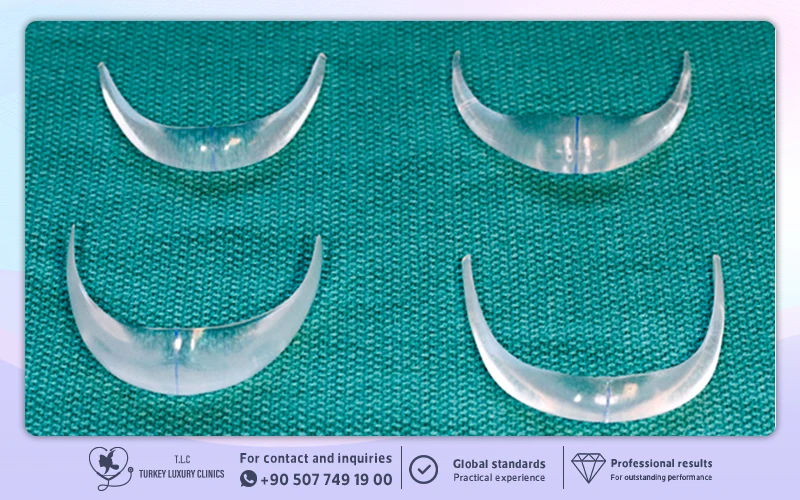
Silicone Chin Implants
Silicone is the most commonly used material for chin augmentation. It is available in various shapes and sizes, allowing the surgeon to select an implant that matches the patient's facial proportions. Because silicone does not integrate with surrounding tissue, it is generally easier to remove or replace if revision surgery is required.
Medpor Chin Implants
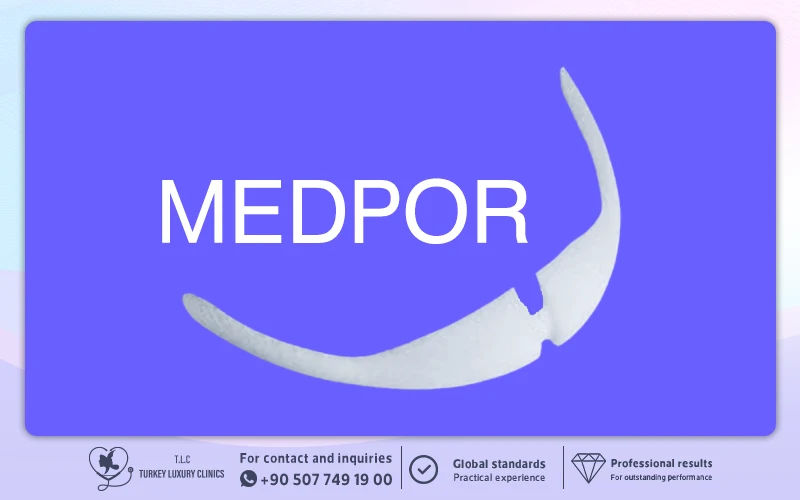
Medpor implants are made from porous polyethylene, allowing surrounding tissue to grow into the implant over time. This provides excellent long-term stability and reduces the likelihood of implant movement. However, tissue integration also makes revision or removal more challenging than with silicone implants.
Custom Chin Implants in Turkey
Custom chin implants are individually designed to match a patient's facial anatomy rather than using a standard pre-made implant. They are typically recommended for patients with facial asymmetry, previous chin surgery, trauma, or complex skeletal deficiencies where conventional implants may not provide an ideal fit.
The process begins with a CT scan of the lower face and jaw. The scan creates a detailed three-dimensional model of the chin bone, allowing the implant to be designed with high precision.
Using specialized planning software, the surgeon evaluates facial proportions, chin projection, symmetry, and jawline contours. The implant design is adjusted virtually before surgery to achieve the desired aesthetic result.
Once the digital plan is approved, the implant is manufactured specifically for the patient's anatomy. Because it matches the contours of the chin bone, it can provide a more customized fit than standard silicone implants.
Custom chin implants are generally more expensive than standard implants because they require CT imaging, digital planning, and personalized manufacturing. Prices vary depending on the complexity of the design and the clinic.
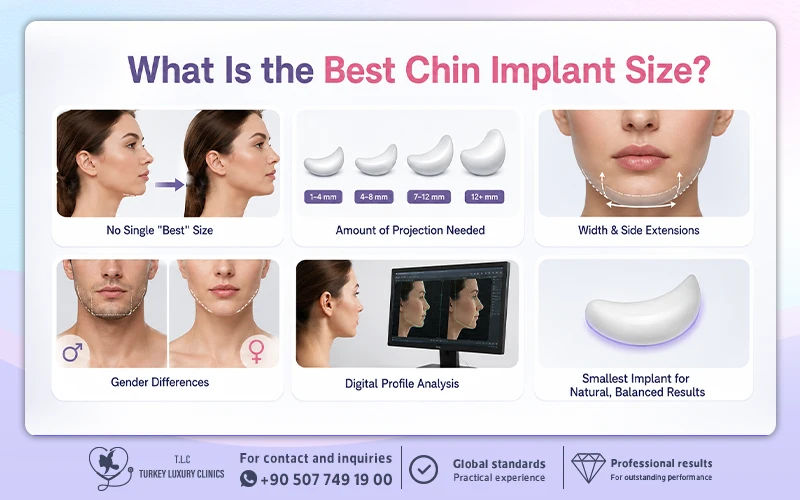
What Is the Best Chin Implant Size?
There is no single "best" chin implant size. The right implant is chosen based on your facial proportions rather than by simply selecting a small, medium, or large implant. During your consultation, the surgeon evaluates your chin, nose, lips, jawline, and side profile to determine how much projection is needed to create a balanced, natural-looking result.
Most patients require 4–8 mm of additional chin projection, while mild chin deficiency may need only 1–4 mm. More pronounced chin retrusion or flatter facial profiles may require implants providing 7–12 mm or more of projection. The surgeon also selects the appropriate implant width and side extensions to match the natural width of the chin and ensure a smooth transition into the jawline.
Men often prefer implants with greater projection and a squarer appearance, whereas women usually benefit from softer contours and more moderate projection. In some cases, digital profile analysis or 3D planning is used to compare different implant sizes before surgery and select the smallest implant that provides a natural, well-balanced result.
How Is Chin Implant Surgery Performed?
Chin implant surgery is a straightforward procedure that usually takes 45–90 minutes under general anesthesia. When combined with rhinoplasty, neck liposuction, or other facial procedures, the total surgical time may extend to approximately 2–3 hours.
Before surgery, your surgeon evaluates your facial proportions, chin projection, bite, and aesthetic goals to select the implant size and shape that best suits your face.
During the procedure, a small incision is made either inside the lower lip or beneath the chin, where it is usually well concealed. A precise pocket is created directly over the chin bone, and the implant is positioned securely to achieve natural projection and symmetry. The incision is then closed with sutures, and a light dressing may be applied.
After surgery, you are monitored until the anesthesia wears off. Most patients are discharged on the same day, while some may stay overnight depending on the extent of the procedure and the surgeon's recommendation.
Chin Implant Recovery Timeline
Recovery after chin implant surgery is usually manageable, but swelling, tightness, and mild discomfort are expected during the first days. Most patients return to light daily activities within one to two weeks, while the final contour continues to improve over several months.
Recovery Stage | What to Expect |
Day 1 | Swelling, tightness, bruising, and mild discomfort are common. A compression dressing may be used. |
Week 1 | Swelling remains noticeable but begins to improve. Many patients return for a follow-up appointment. |
Week 2 | Most bruising and visible swelling have reduced. Many patients can return to work and social activities. |
Month 1 | The chin looks more natural, although mild firmness or residual swelling may remain. |
Month 3 | Most swelling has resolved, and the implant begins to feel fully integrated with the facial tissues. |
Month 6 | The final chin contour and facial balance are usually visible. |
Chin Implant Recovery Tips
- Sleep on your back with your head elevated for the first one to two weeks.
- Avoid sleeping on your side or stomach because pressure on the chin may increase swelling or affect implant positioning during early healing.

- Eat soft foods during the first few days, especially if the incision is placed inside the mouth.
- Avoid hard, crunchy, spicy, or very hot foods until the incision has started to heal.

- Apply cold compresses around the chin area as directed, but do not place heavy pressure directly over the implant.

- Keep your head elevated and follow the prescribed medication plan to control swelling and discomfort.
- Avoid strenuous exercise, heavy lifting, bending, and contact sports during the early recovery period.

- Light walking is usually encouraged, but normal exercise should only resume after the surgeon confirms that healing is progressing safely.
- Stop smoking before surgery and avoid nicotine throughout recovery. Smoking reduces blood flow, delays wound healing, and increases the risk of infection, tissue damage, and visible scarring.

Chin Implant Results and Longevity
Chin implant surgery provides immediate improvement in chin projection, although swelling initially hides the final outcome. Most patients notice a significant change within 2–4 weeks, while the final facial contour becomes visible after 3–6 months as swelling completely resolves and the tissues settle.
How Long Do Chin Implants Last?
Chin implants are designed to be long-lasting and are generally considered a permanent facial augmentation solution. In most patients, the implant remains in place for decades without requiring routine replacement. Unlike dermal fillers, chin implants do not dissolve over time and provide stable structural support for improved chin projection and facial balance.
The long-term success of a chin implant depends on several factors, including selecting the appropriate implant size and shape, precise surgical placement, good bone and skin quality, following postoperative instructions, maintaining a stable body weight, and avoiding significant facial trauma.
Do Chin Implants Need to Be Replaced?
Routine replacement is not required, but it can be removed or replaced if implant movement, infection, facial trauma, changes in facial appearance, or a change in the patient's aesthetic preferences occur. Revision surgery is uncommon and is usually performed only when a complication develops or the patient wishes to modify the size or projection of the implant.
Will a Chin Implant Look and Feel Natural?
Once swelling resolves and the tissues heal, a correctly sized and properly positioned implant should feel stable and appear naturally integrated with the lower face. However, temporary tightness, numbness, or awareness of the implant may occur during early recovery.
Will There Be a Visible Chin Implant Scar?
The incision may be placed inside the mouth or within a natural crease beneath the chin. An intraoral incision leaves no visible external scar, while a carefully placed external incision usually fades over time but may not become completely invisible.
Is Chin Implant Surgery Safe? Risks and Safety
Chin implant surgery is generally considered safe when performed by a qualified facial plastic or maxillofacial surgeon in an appropriately equipped hospital. However, no surgical procedure is completely risk-free. Safety depends on correct implant selection, precise placement, sterile technique, anesthesia standards, and proper postoperative care.
The most common and clinically important risks include:
- Infection: Although uncommon, an infection around the implant may require antibiotics or, in some cases, temporary implant removal.
- Implant displacement: The implant may shift from its intended position, causing asymmetry or an unnatural appearance and occasionally requiring revision surgery.
- Temporary numbness: Tingling or reduced sensation in the lower lip or chin may occur because of nerve irritation. Sensation usually returns over time, while permanent numbness is rare.
- Bleeding or hematoma: Blood may collect beneath the skin and require drainage if significant.
- Poor wound healing: Healing may be slower in smokers and patients with diabetes or certain medical conditions.
- Visible scarring: An incision beneath the chin leaves a small scar, whereas an incision inside the mouth leaves no external scar.
- Need for revision surgery: A second procedure may be necessary to reposition, replace, or remove the implant if complications occur or the aesthetic result is unsatisfactory.
Chin Implant vs. Fillers: Which Is Better?
Chin implants and chin fillers both improve chin projection, but they serve different purposes. A chin implant provides a permanent solution with greater structural support, making it ideal for patients with moderate to severe chin deficiency. Chin fillers offer a non-surgical, temporary alternative that can enhance mild deficiencies and allow patients to preview potential results before committing to surgery. The best option depends on your facial anatomy, aesthetic goals, budget, and whether you prefer a permanent or temporary result.
Feature | Chin Implant | Chin Fillers |
Results | Permanent | Temporary (6–18 months) |
Procedure | Surgery | Injectable |
Downtime | 1–2 weeks | 1–3 days |
Best for | Moderate to severe deficiency | Mild deficiency |
Cost over time | One-time procedure | Repeated treatments |
Chin fillers are ideal for patients who want to improve chin projection without surgery or who wish to preview a potential surgical result. Chin implants are generally the better choice for patients looking for a permanent improvement with greater projection and definition.
Is Chin Implant Right for You?
A chin implant is most suitable for patients who want to improve chin projection and facial balance without repositioning the jawbone. During consultation, the surgeon evaluates the chin from the front and side, the dental bite, jaw position, skin quality, and the relationship between the chin, nose, jawline, and neck.
You may be a good candidate for chin implant surgery if you have:
1. A Weak or Underprojected Chin
A weak chin does not extend far enough forward in relation to the lips, nose, and forehead. A carefully selected implant can increase projection and create a more balanced side profile.
2. A Recessed Chin
A recessed chin sits farther back than expected and may make the nose appear more prominent or reduce definition between the lower face and neck. An implant may correct mild to moderate recession when the underlying bite and jaw relationship are suitable.
3. A Normal Dental Bite
Chin implants are generally better suited to patients whose teeth and jaws meet normally. Significant overbite, underbite, or skeletal jaw imbalance may require orthodontic treatment or corrective jaw surgery rather than an implant alone.
4. Good Overall Health
Candidates should be physically healthy, at a stable weight, and free from uncontrolled medical conditions that could interfere with anesthesia, healing, or infection control. Nonsmokers generally have a lower risk of healing complications.
5. Realistic Expectations
A chin implant can improve projection, jawline definition, and facial proportions, but it cannot correct every form of jaw asymmetry or bite problem. The goal should be a balanced, natural-looking improvement rather than a completely different facial appearance.
How Turkey Luxury Clinics Can Help
Turkey Luxury Clinics connects international patients with experienced plastic surgeons specializing in facial aesthetic procedures. We help you compare personalized treatment plans, arrange medical consultations, coordinate travel and accommodation, and receive support before, during, and after your surgery.
Our goal is to make your chin implant journey in Turkey safe, comfortable, and stress-free while helping you achieve natural-looking, balanced facial results.
Contact Turkey Luxury Clinics today to receive a personalized treatment plan and cost estimate for chin implant surgery in Turkey.
If you're mainly concerned about a double chin, see our guide to double chin removal treatments to find the most suitable option.
FAQs About Chin Implant in Turkey