
- Rhinoplasty in Turkey at a Glance
- What is Rhinoplasty (Nose Job) Surgery?
- Is Turkey Good for Nose Jobs?
- Turkish Rhinoplasty: Why Are Nose Jobs in Turkey So Popular?
- How Much Does Rhinoplasty Cost in Turkey?
- What Do Rhinoplasty Packages in Turkey Include?
- Rhinoplasty and Nose Surgery in Istanbul
- Best Rhinoplasty Surgeon in Turkey 2026
- Best Rhinoplasty Clinic in Turkey
- Is It Safe to Get Rhinoplasty in Turkey?
- Rhinoplasty in Turkey Before and After Photos, Case by Case
- Real Reviews and Patients' Experience About Rhinoplasty in Turkey
- Rhinoplasty in Turkey: Step-by-Step Patient Journey
- Who Is a Good Candidate for Rhinoplasty?
- Types of Rhinoplasty (Nose Job) Surgery in Turkey
- How to Prepare for Rhinoplasty in Turkey?
- How Does Rhinoplasty Work Step by Step
- Recovery and Aftercare Post Rhinoplasty Op.
- Is Rhinoplasty a Risky Surgery?
- FAQs About Rhinoplasty in Turkey
Rhinoplasty in Turkey typically costs $2,000–$6,000 in 2026, with many clinics offering packages that combine surgery, hospital care, accommodation, transfers, and follow-up. International patients usually stay around 7–10 days before returning home. Istanbul is widely chosen for its experienced rhinoplasty surgeons, established medical-tourism infrastructure, and access to primary, revision, functional, and ethnic rhinoplasty procedures.
Rhinoplasty in Turkey is performed using advanced surgical techniques in internationally accredited hospitals and medical facilities. Choosing the right clinic and an experienced rhinoplasty surgeon is essential for patient safety, reliable results, and minimizing the risk of complications.
Rhinoplasty in Turkey at a Glance
- Cost: Typically $2,000–$6,000
- Procedure Time: Around 1.5–3 hours
- Anesthesia: Usually general anesthesia
- Hospital Stay: Usually 1–2 nights
- Stay in Turkey: Around 7–10 days
- Return to Work: Within 1–2 weeks
- Final Results: Typically around 12 months, and up to 24 months in some cases
- Packages: May include surgery, hospital care, hotel accommodation, and transfers
- Follow-Up: Initial follow-up in Turkey, with remote follow-up depending on the medical provider
What is Rhinoplasty (Nose Job) Surgery?
Rhinoplasty is a specialized surgical procedure designed to reconfigure the nasal framework for either aesthetic harmony or functional improvement. By meticulously adjusting the bone, cartilage, and soft tissue, the surgery can address a wide range of concerns, from correcting a dorsal hump and refining a bulbous tip to straightening a deviated septum for optimized breathing. Whether the goal is reconstructive or cosmetic, modern rhinoplasty focuses on creating a naturally balanced profile that complements the patient's unique facial proportions.
Is Turkey Good for Nose Jobs?
Turkey is a global hub for rhinoplasty, offering world-class results through JCI-accredited hospitals and highly specialized surgeons, using advanced techniques such as Piezoelectric (ultrasonic) surgery.
Many clinics offer high-quality, all-inclusive packages at 60-70% less than US/UK prices. Success depends on choosing board-certified experts and allowing 7–10 days for initial recovery.
Turkish Rhinoplasty: Why Are Nose Jobs in Turkey So Popular?
Turkish rhinoplasty usually refers to a nose job performed in Turkey, where surgeons perform a high volume of rhinoplasties and frequently use modern techniques such as preservation rhinoplasty, ultrasonic (Piezo) bone reshaping, and closed (scarless) approaches to reduce swelling and bruising. Many surgeons can also correct cosmetic concerns such as a dorsal hump while fixing a deviated septum to improve breathing in the same operation. Combined with prices around 50–70% lower than in the US or UK, this has made Turkey one of the world's most popular destinations for rhinoplasty.
How Much Does Rhinoplasty Cost in Turkey?
Rhinoplasty in Turkey costs between $2,000 and $6,000 in 2026, depending on procedure type and surgeon expertise. Primary rhinoplasty starts at $2,000, while revision rhinoplasty cost can reach $12,000. Prices are 50-70% lower than in the US or UK, and most clinics offer all-inclusive packages covering surgery, hotel, and transfers.
For a detailed breakdown of prices by procedure type, factors affecting the final quote, and comparisons with the US, see our rhinoplasty (nose job) cost in Turkey guide. International patients considering bundled treatment can also review our all-inclusive rhinoplasty packages in Turkey.
What Do Rhinoplasty Packages in Turkey Include?
All-inclusive rhinoplasty packages in Turkey are designed to simplify treatment and travel for international patients. Packages start from around $2,800, although the final price and included services vary by surgeon, hospital, and accommodation level.
A typical rhinoplasty package may include:
- Rhinoplasty surgery and anesthesia
- Pre-operative consultations and medical tests
- Hospital stay
- Post-operative medications and follow-up care
- Hotel accommodation
- Airport, hotel, and clinic transfers
- International patient coordination or language support
Always check exactly what is included before booking, as package coverage varies between providers. For a detailed breakdown of package options, inclusions, and prices, see our all-inclusive rhinoplasty packages in Turkey guide.
Rhinoplasty and Nose Surgery in Istanbul
Istanbul is one of Turkey's leading destinations for rhinoplasty, combining specialized nose surgeons, modern private hospitals, and medical tourism services in one city. It also hosts international rhinoplasty workshops where surgeons share advanced techniques, including preservation and Piezo rhinoplasty.
For your nose job in Istanbul, you can choose a qualified plastic surgeon or ENT specialist operating at established hospitals such as Memorial or Medical Park, depending on the surgeon's hospital affiliation. Many international patients stay in Şişli, Nişantaşı, or Beşiktaş, areas with access to private medical facilities, hotels, and restaurants.
Your journey typically begins with an in-person consultation, nasal examination, and surgical planning. The operation takes approximately 1.5–4 hours under general anesthesia, followed by recovery in the hospital, sometimes including an overnight stay. You'll usually spend 7–10 days in Istanbul for checkups and splint removal before flying home with your surgeon's approval.
How Much Does Rhinoplasty Cost in Istanbul?
Rhinoplasty in Istanbul generally costs $2,000–$6,000, depending on the surgeon, hospital, and complexity of your case. See our rhinoplasty cost in Turkey guide for a full breakdown, or our list of the best rhinoplasty surgeons in Turkey to compare top-rated surgeons.
Is It Worth Getting a Nose Job in Turkey?
For most patients, yes. You get an experienced surgeon at $2,000–$6,000 instead of $6,500–$14,000+ in the UK or USA, often with your hotel, transfers, and translator included. Surgeons in Istanbul perform a high volume of rhinoplasties, including complex primary, functional, and revision cases. The key is choosing the right surgeon and planning your aftercare. See Is It Safe to Get Rhinoplasty in Turkey? for what to check before booking.
Best Rhinoplasty Surgeon in Turkey 2026
To achieve the best rhinoplasty results, choose a top rhinoplastic surgeon in Turkey who is internationally trained and experienced in correcting various nasal issues.
The right surgeon will select the appropriate procedure, apply the correct techniques (such as rib cartilage for extensive repairs), and deliver results that balance aesthetics with proper nasal function.
Look for surgeons with a high volume of surgeries performed and expertise in treating complex nasal deformities.
Best for: Primary & revision rhinoplasty
Experience: 11+ years
Experienced in both functional and aesthetic rhinoplasty. Known for personalized planning, natural results, and strong patient satisfaction among international cases.
Best for: Ethnic rhinoplasty & tip refinement
Experience: 12+ years
Specialist in ethnic and structural rhinoplasty with strong expertise in nasal symmetry and tip definition. Combines anatomical precision with a personalized, patient-focused approach.
Best for: Closed & preservation rhinoplasty
Experience: 13+ years
Focuses on closed techniques with no visible scars and minimal downtime. Known for evidence-based planning, Piezo techniques, and natural, refined outcomes.
Best for: Complex revision & ethnic rhinoplasty
Experience: 25+ years
Leading facial plastic surgeon in Istanbul with thousands of rhinoplasty cases. Certified by TSPRAS and a member of ISAPS & EBOPRAS. Specializes in complex revisions, ethnic cases, and cartilage grafting, delivering structurally sound, natural results.
Best for: Complex deformities & scarless techniques
Experience: 15+ years
Expert in closed (scarless) rhinoplasty and reconstructive cases. Focuses on preservation techniques for faster recovery and natural, non-operated appearance.
Best Rhinoplasty Clinic in Turkey
Choosing the right clinic for a rhinoplasty in Turkey involves looking past the "all-inclusive" marketing and verifying the clinical standards that ensure a complication-free outcome.
A trusted clinic or hospital for rhinoplasty surgery that minimizes risks and prioritizes safety is one that:
1. Holds International and National Accreditations
In 2026, the gold standard for clinical safety is the JCI (Joint Commission International) accreditation. This ensures the hospital follows the same sterilization and emergency protocols as top-tier Western institutions. Additionally, the clinic should be licensed by the Turkish Ministry of Health and ideally be a member of HealthTürkiye, the official government medical tourism portal.
2. Employs Board-Certified Specialists
A reliable clinic doesn't just hire "cosmetic surgeons"—it employs specialists recognized by the Turkish Society of Plastic, Reconstructive and Aesthetic Surgeons (TSPRAS) or the European Board (EBOPRAS). For rhinoplasty, look for surgeons who focus exclusively on facial surgery or ENT (Ear, Nose, and Throat) specialties, as they possess a deeper understanding of both the aesthetic and functional (breathing) aspects of the nose.
3. Provides Transparent "Fixed-Price" Packages
The best clinics avoid hidden fees. A transparent package in 2026 typically includes:
- Pre-operative tests: Blood work, ECG, and nasal imaging.
- Piezo Technology: Modern clinics use ultrasonic (Piezo) bone reshaping as a standard to reduce bruising and swelling.
- Post-operative support: At least one night of hospital observation and 5–7 days of local follow-up before you fly.
- Language Support: Dedicated medical translators, not just general tour guides.
4. Prioritizes Rigorous Aftercare & Remote Follow-ups
Safety doesn't end when you leave the operating room. A trusted facility will have a structured 12-month follow-up program, involving scheduled video consultations at the 3, 6, and 12-month marks to monitor the long-term healing process and manage late-stage swelling.

Is It Safe to Get Rhinoplasty in Turkey?
Yes, rhinoplasty in Turkey can be safe when it is performed by a board-certified facial plastic or ENT surgeon in an internationally accredited hospital. Safety depends on the surgeon and facility you choose, not on the country itself. Turkey, especially Istanbul, is a major global hub for rhinoplasty, and its surgeons perform a high volume of nose surgeries every year.
Risks of Getting a Nose Job Abroad
- Follow-up after you return home: complications such as infection, breathing problems, or shifting cartilage may appear weeks or months after surgery, when your surgeon is no longer nearby.
- High-volume, low-cost clinics: some clinics offer rushed consultations and generic results instead of a personalized surgical plan.
- Limited options if something goes wrong: legal action abroad is difficult, and some surgeons at home may be reluctant to treat another surgeon's work.
How to Stay Safe
- Choose a board-certified facial plastic or ENT surgeon with verifiable rhinoplasty experience.
- Make sure surgery takes place in a full-service, internationally accredited hospital, not a small side clinic.
- Speak directly with your operating surgeon before booking.
- Stay in Turkey for 7–10 days so your surgeon can remove the splint and clear you to fly.
- Ask for a written aftercare plan and remote follow-up after you return home.
Key Safety Factors Include:
- Qualified Rhinoplasty Surgeons: Turkey has experienced surgeons specializing in cosmetic and functional rhinoplasty.
- Accredited Medical Facilities: Many hospitals and clinics operate under established national or international accreditation standards.
- Modern Medical Infrastructure: Major medical tourism destinations such as Istanbul, Antalya, and Izmir have hospitals equipped for cosmetic surgery and international patients.
- Established Medical Tourism System: Turkey has a developed healthcare tourism sector serving international patients with organized treatment and travel coordination.
- Pre- and Post-Operative Care: Reputable providers include medical assessment before surgery and structured follow-up during recovery.
- International Patient Support: Translation, patient coordination, transfers, and assistance can make communication and continuity of care easier for patients traveling from abroad.
However, rhinoplasty carries potential risks, making surgeon selection, proper surgical planning, and post-operative follow-up especially important for international patients.
Before booking, verify the surgeon’s qualifications and rhinoplasty experience, the standards of the medical facility, and make sure you can discuss your medical history, goals, and surgical plan directly with the surgeon.
Rhinoplasty in Turkey Before and After Photos, Case by Case
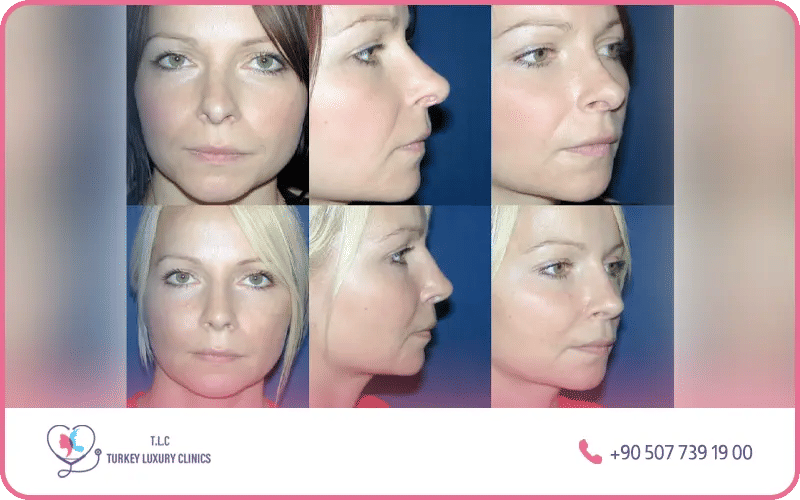
Correcting Nasal Tip Collapse and Structural Weakness (Revision Rhinoplasty)
Case 1: Surgical restoration of a collapsed nasal apex and retracted nasolabial angle caused by prior over-resection, utilizing cartilage reinforcement to achieve stable anatomical projection and profile alignment.
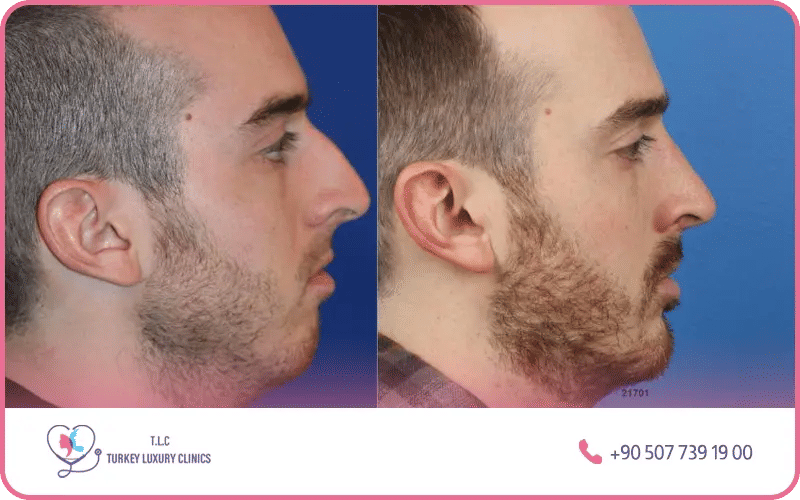
Dorsal Hump Reduction and Refinement of the Nasal Complex.
Case 2: Dorsal hump reduction surgery for men. This procedure involves removing excess bone and cartilage on the bridge (dorsal hump) while reshaping and repositioning the cartilage at the tip to reduce bulbousness and improve definition.
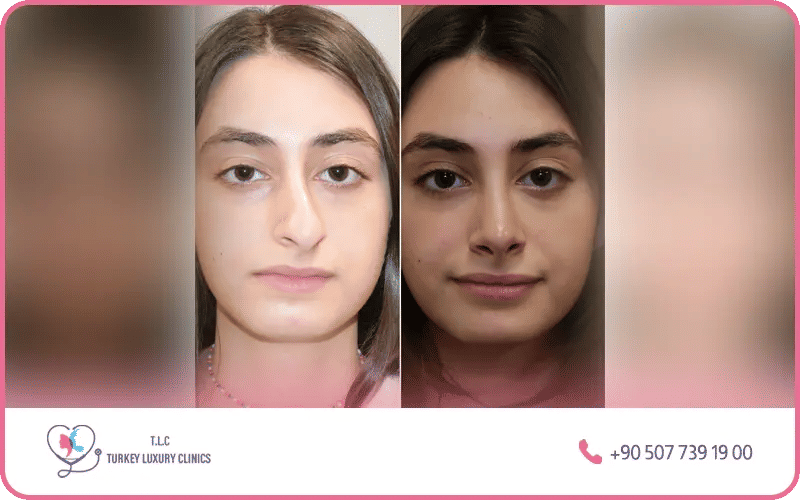
Nasal Deviation Correction and Frontal Profile Realignment with Tip Refinement
Case 3: Surgical correction of a deviated nasal septum and bridge to restore midline symmetry through precise osteotomy. The procedure involved realigning the nasal bones and refining the dorsum, combined with tip narrowing to eliminate asymmetry. By reshaping the alar cartilages to reduce bulbousness and repositioning the nasal apex, a centered, defined, and harmonious frontal profile was achieved.
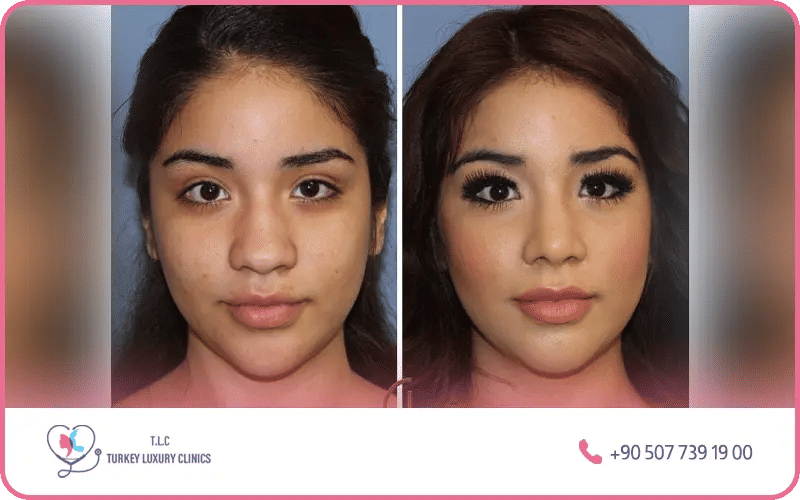
Ethnic Rhinoplasty: Refining the Nasal Base and Tip Definition.
Case 4: This procedure addressed specific ethnic nasal features by narrowing a wide alar base and refining a bulbous tip. Through alar base resection and precise restructuring of the lower lateral cartilages, the surgeon reduced nostril flare and enhanced tip projection, achieving a more delicate and tapered profile while maintaining the patient’s natural ethnic harmony.
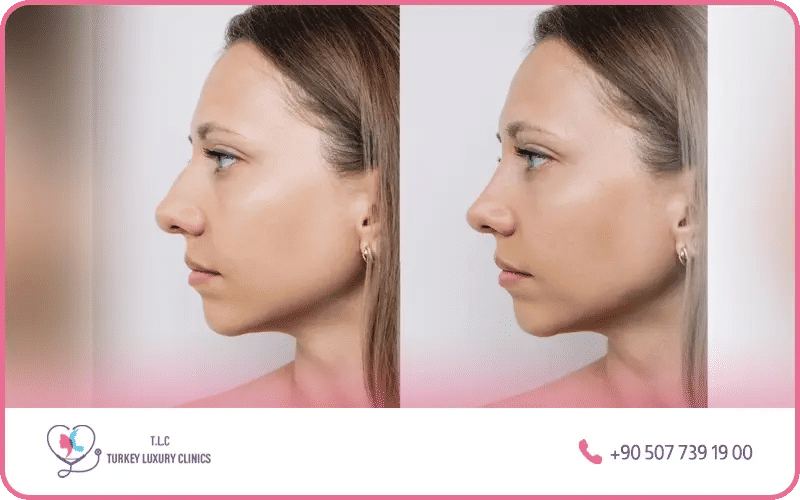
Dorsal Hump Reduction and Nasal Tip Elevation.
Case 5: Surgical excision of the osteocartilaginous dorsal hump to achieve a straight, refined bridge profile. The procedure also addressed tip ptosis (drooping) by increasing rotation and projection, resulting in a more balanced nasolabial angle and a significant reduction in apparent nasal length for a balanced silhouette.
Real Reviews and Patients' Experience About Rhinoplasty in Turkey
What do patients say about their rhinoplasty experience in Turkey?
“4 months post-op and I can finally breathe and look great. The Piezo technique reduced bruising, and the result looks very natural.” J.S - UK
“Just reached 6 months after surgery. My nose closely matches the 3D simulation, and the medical team supported me throughout recovery.” M.A - Canada
“The first week was uncomfortable, but by day 7 the swelling improved, and I felt much better.” L.K - Germany
“I had a revision rhinoplasty that improved both breathing and appearance. I returned to normal activities within two weeks.” A.R - UAE
“I wanted a natural result without an overdone look. Healing was smooth, and the final shape keeps improving over time.” S.N - Australia
Rhinoplasty in Turkey: Step-by-Step Patient Journey
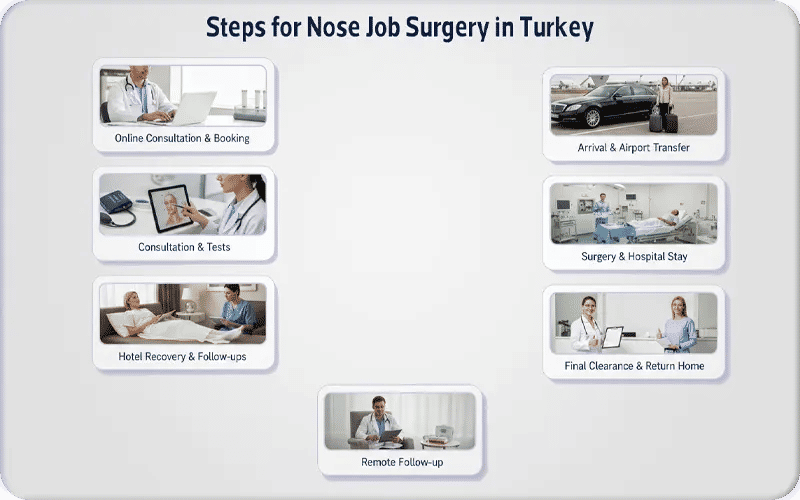
- Online Consultation & Booking: Start by discussing your goals and scheduling your procedure.
- Arrival & Airport Transfer: You’ll be picked up from the airport and taken directly to your hotel or clinic.
- Surgeon Consultation & Tests: Face-to-face consultation with your surgeon, including digital 3D simulation of expected results, evaluation of nasal structure, and completion of necessary tests such as blood work, ECG, and imaging (X-rays or CT scans if needed).
- Surgery & Hospital Stay: Procedure performed under general anesthesia, typically takes 1.5–3 hours under general anesthesia, followed by a 1–2 night hospital stay.
- Hotel Recovery & follow ups: About 5–7 days of hotel recovery, managing swelling and bruising with medication, with regular check-ins by the medical team. Around day 7, the nasal splint/cast is usually removed.
- Final Clearance & Return Home: Final check-up and clearance to fly home (usually 7-10 days post-op).
- Remote follow-up: Continue remote follow-up with your surgeon for up to a year as swelling fully subsides.
Turkey Luxury Clinics can help coordinate your journey by connecting you with suitable rhinoplasty surgeons and hospitals and coordinating accommodation, airport transfers, and other travel-related services.
When Can You Fly Home After Rhinoplasty in Turkey?
Most international patients can fly home about 7–10 days after rhinoplasty, once the initial follow-up is completed and the surgeon confirms that they are fit to travel. Many patients stay in Turkey until their nasal splint or cast is removed, which commonly happens around one week after surgery.
Why Wait 7 to 10 Days Before Flying?
- Splint Removal and Follow-Up: Staying for about a week allows your surgeon to complete an early post-operative check and, when appropriate, remove the nasal cast or splint.
- Initial Healing: The first week allows early swelling, bruising, and other immediate post-operative symptoms to begin settling before a long flight.
- Flight Comfort: Cabin pressure changes and dry cabin air may make nasal congestion, swelling, and discomfort more noticeable soon after rhinoplasty.
Who Is a Good Candidate for Rhinoplasty?
A good candidate for rhinoplasty is generally someone who wants to improve the appearance or function of the nose, is in suitable health for surgery, and has realistic expectations about the outcome. A surgeon should evaluate your nasal anatomy, medical history, breathing function, and treatment goals before determining whether rhinoplasty is appropriate.
Rhinoplasty may be considered for people who have:
- A dorsal hump or an uneven nasal bridge.
- A wide, bulbous, drooping, or asymmetrical nasal tip.
- A nose that appears disproportionate to other facial features.
- Nasal asymmetry or structural deformity.
- Breathing difficulties related to structural nasal problems.
- Previous rhinoplasty results that require revision.
- Realistic expectations about what surgery can and cannot achieve.
Final eligibility should be determined by the surgeon after an appropriate medical assessment.
Types of Rhinoplasty (Nose Job) Surgery in Turkey
Rhinoplasty in Turkey may be cosmetic, functional, or both, depending on whether the goal is to change the appearance of the nose, improve nasal breathing, or address both concerns. The procedure can also be classified by surgical approach and technique, such as open, closed, preservation, or ultrasonic (Piezo) rhinoplasty.
Open vs Closed Rhinoplasty
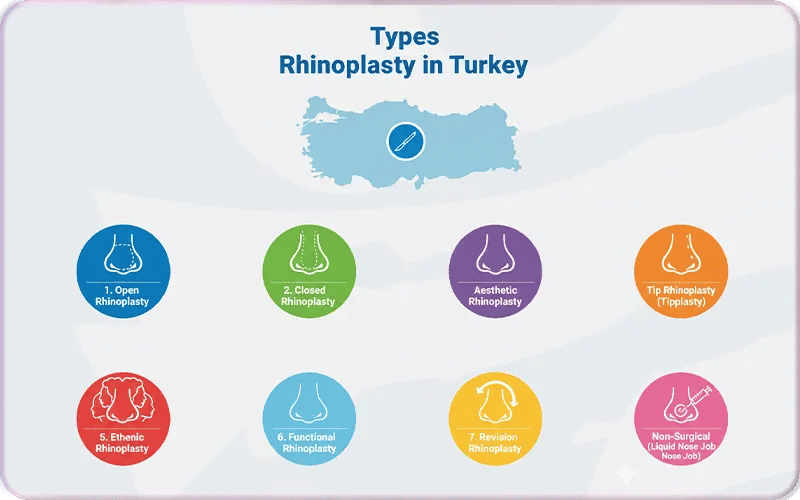
Open Rhinoplasty: Uses internal incisions plus a small incision across the columella, giving the surgeon greater access to the nasal framework. It is often used for extensive reshaping, complex structural corrections, and revision cases.
Closed Rhinoplasty: Uses incisions entirely inside the nostrils, with no external columellar incision. It provides more limited surgical exposure and is often suitable for selected cases that require less extensive correction.
Advanced Rhinoplasty Techniques
- Preservation Rhinoplasty: A tissue-preserving approach that reshapes the nose while maintaining more of the natural nasal dorsum, cartilage, and supporting structures when appropriate.
- Ultrasonic (Piezo) Rhinoplasty: Uses piezoelectric ultrasonic instruments for controlled reshaping of the nasal bones. Piezo technology specifically targets hard tissue and may be used during procedures that require osteotomy or dorsal bone modification.
- Laser-Assisted Rhinoplasty: Laser technology may be used as an adjunct in selected rhinoplasty procedures, particularly for soft-tissue work, rather than as a replacement for standard open, closed, or structural rhinoplasty techniques.
Functional Rhinoplasty and Breathing Procedures
Functional nose surgery focuses on correcting structural problems that can affect nasal airflow and breathing.
- Septoplasty: Straightens or repositions a deviated nasal septum to improve airflow. Unlike cosmetic rhinoplasty, septoplasty primarily addresses nasal function and does not necessarily reshape the external appearance of the nose.
- Septorhinoplasty: Combines rhinoplasty and septoplasty, allowing the surgeon to reshape the external nose while correcting internal structural problems such as a deviated septum or other causes of impaired nasal breathing.
Cosmetic and Specialized Rhinoplasty Types
Cosmetic and specialized rhinoplasty procedures address specific aesthetic concerns, nasal anatomy, previous surgery, or individual facial characteristics.
- Tip Plasty (Nasal Tip Rhinoplasty): Focuses on reshaping the nasal tip, including its width, projection, rotation, or definition, without necessarily altering the nasal bones.
- Ethnic Rhinoplasty: Reshapes the nose while considering the patient's individual nasal anatomy, facial proportions, and ethnic characteristics. Treatment may involve the nasal bridge, tip, nostrils, or overall nasal proportions while aiming to preserve individual facial identity.
- Revision Rhinoplasty (Secondary Rhinoplasty): A second or subsequent rhinoplasty performed to correct aesthetic concerns, breathing problems, structural complications, or unsatisfactory results following previous nose surgery.
Non-Surgical Rhinoplasty Alternative
- Liquid Rhinoplasty (Non-Surgical Nose Job): Uses injectable dermal fillers to temporarily modify minor nasal contours or asymmetries without surgery. It may camouflage selected irregularities or alter the appearance of the bridge or tip, but it cannot physically reduce the size of the nose or provide the structural changes possible with surgical rhinoplasty.
How to Prepare for Rhinoplasty in Turkey?

Before surgery, patients should attend a consultation to discuss goals and surgical options, undergo a medical evaluation, and follow any pre-op instructions, such as avoiding certain medications, alcohol, or smoking. Adequate rest, arranging transportation, and preparing a comfortable recovery space will help ensure a smooth healing process.
During your consultation, make sure to ask about:
- Fasting requirements before the procedure
- Medications that need to be stopped or adjusted
- Expected duration of the surgery
- Estimated recovery time and when you can return to work or daily activities
For international patients, it’s important to organize all logistics, including transportation and accommodation, and select a rhinoplasty package that fits your budget and needs. Proper planning will make your medical journey easier, more comfortable, and stress-free.
How Does Rhinoplasty Work Step by Step
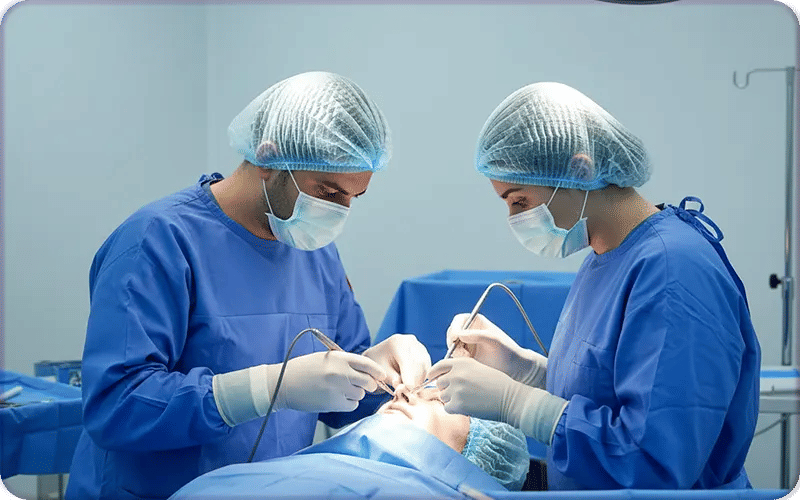
1. Anesthesia and Access
The procedure is typically performed under general anesthesia to ensure patient safety. The surgeon accesses the framework via internal incisions (Closed Rhinoplasty) or a discrete incision across the columella (Open Rhinoplasty), which allows for full visualization of the nasal anatomy.
2. Structural Modification
The surgeon meticulously adjusts the underlying "scaffold":
- Bone Reshaping: Excess bone (such as a dorsal hump) is reduced using ultrasonic Piezo tools for greater accuracy.
- Cartilage Refinement: The lower lateral cartilages are trimmed or sutured to refine the nasal tip.
- Grafting: If the nose requires support or height, the surgeon may perform autologous grafting using cartilage harvested from the septum, ear, or rib.
3. Functional Correction (Septoplasty)
If the patient suffers from breathing obstructions, the surgeon straightens the deviated septum and reduces the turbinates to optimize airflow and respiratory function.
4. Redraping and Closure
Once the framework is stabilized, the nasal skin is redraped over the new structure. The incisions are closed with fine sutures, and a thermoplastic splint is applied to protect the nose and maintain its new alignment during the initial 48-72 hours of healing.
Recovery and Aftercare Post Rhinoplasty Op.

Rhinoplasty recovery typically takes 12–24 months for final results, with the most intense swelling and discomfort occurring in the first 3–7 days. Most patients return to normal daily activities within 1–2 weeks, while nasal definition continues improving over several months as internal tissues fully heal.
Phase 1: Early Healing Stage (Days 1–7)
- Swelling around the nose and face, bruising under the eyes, nasal congestion due to internal swelling, and external splint support. Peak discomfort usually occurs around days 2–3.
- Pressure in the mid-face, mouth breathing due to blockage, difficulty sleeping, and visible swelling with fatigue.
- Sleep on your back with head elevated 30–45°, use 2–3 pillows, avoid side sleeping, and do not disturb the splint. Swelling and discomfort usually start improving by day 4–5.
Phase 2: Early Recovery Stage (Week 2–6)
- External splint is removed around day 7, bruising mostly fades, swelling reduces significantly, and internal healing continues.
- Light activities are possible, return to desk work after 7–10 days, while avoiding heavy exercise, running, and weight lifting.
- By week 6, nasal bones gain strong stability but remain sensitive to impact or pressure.
Phase 3: Intermediate Healing (Month 2–3)
- Swelling continues to decrease, nose shape becomes more defined, breathing improves, and tip refinement begins slowly.
- Most patients feel socially normal again, though minor swelling may still appear in photos and slight stiffness may remain.
Phase 4: Long-Term Refinement (3–12 Months)
Around 1 Month: Approximately 75% of swelling may have resolved, although the nose is still healing and refining.
Around 3 Months: About 90% of swelling may have subsided, making the nasal shape more defined.
6–12 Months: Subtle swelling, particularly around the nasal tip, continues to improve as the nose approaches its final shape.
Around 12 Months: The final nasal contour is typically more established, although healing varies between patients.
Important Post-Operative Aftercare Tips (Expert Guide)
To support optimal healing after rhinoplasty and reduce the risk of complications such as swelling persistence, fibrosis, or scarring, strict adherence to post-operative care instructions is essential.
1. Head Elevation
- Keep the head elevated at a 45-degree angle while sleeping for at least the first 10–14 days
- This helps reduce swelling and promotes proper lymphatic drainage
2. Avoid Pressure on the Nose
- Do not place glasses or sunglasses directly on the nasal bridge for approximately 6 weeks
- Use alternative support methods such as:
- Tape-supported glasses
- Special lightweight or bridge-free frames
- This prevents unwanted pressure that may affect healing or shape
3. Saline Irrigation
- Use sterile saline nasal sprays regularly as advised by your surgeon
- Benefits include:
- Preventing crust formation
- Keeping nasal passages clean
- Supporting healthy mucosal healing
For more details with photos, explore rhinoplasty recovery photos day by day
Is Rhinoplasty a Risky Surgery?
Rhinoplasty is clinically classified as a low-risk but high-complexity surgery. While serious systemic complications are rare, achieving optimal aesthetic and functional results requires extreme surgical precision.
In a high-standard surgical environment, primary risks are typically localized:
- Aesthetic Dissatisfaction: The most common "risk" is a result that doesn't meet expectations, leading to a revision and second rhinoplasty risk.
- Functional Integrity: Poorly executed surgery can collapse nasal valves, causing chronic breathing issues.
- Recovery Side Effects: Minor risks include temporary numbness, persistent swelling (edema), or epistaxis (nosebleeds).
Serious Complications when rhinoplasty is performed by inexperienced practitioners or in sub-standard facilities, the risk of "botched" outcomes and medical emergencies increases significantly.
Rare but serious complications of rhinoplasty include:
- Nasal Valve Collapse: Excessive or aggressive removal of cartilage can weaken the nasal structure, causing the nostrils to cave inward during inhalation and leading to permanent breathing difficulties.
- Pollybeak Deformity: Poor surgical technique or the buildup of excessive internal scar tissue (fibrosis) can cause a rounded protrusion above the tip, distorting the profile months after healing.
- Vascular Compromise & Necrosis: In rare, severe cases—especially during complex revisions—interrupted blood supply can lead to skin necrosis (tissue death), which may cause permanent scarring or loss of nasal tissue.
- Chronic Sensory Loss: Lack of anatomical precision can result in permanent numbness or altered sensation in the nasal tip and surrounding skin.
- Infection & Septal Perforation: Unaccredited environments increase the risk of post-operative infections or the development of a hole in the septum (perforation), which causes whistling sounds and chronic crusting.
FAQs About Rhinoplasty in Turkey