

- What Is Septoplasty Surgery?
- When Is Septoplasty Recommended?
- Who Is the Ideal Candidate for Septoplasty?
- Septoplasty vs Rhinoplasty: Key Differences
- Septorhinoplasty: Combining Functional and Cosmetic Nasal Surgery
- Septoplasty Procedure Step-by-Step
- What Is the Septoplasty Recovery Time?
- How Much Does Septoplasty Cost? US vs Turkey 2026 Comparison
- Septoplasty in Turkey for International Patients
- Septoplasty Risks and Possible Complications
- Septoplasty Surgery Results: What to Expect After Surgery
- Get Septoplasty Surgery with Turkey Luxury Clinics
- FAQs About Septoplasty Surgery
Many patients live for years assuming their chronic nasal blockage is caused by allergies or sinus problems, when the real issue is a structurally deviated septum restricting airflow inside the nose.
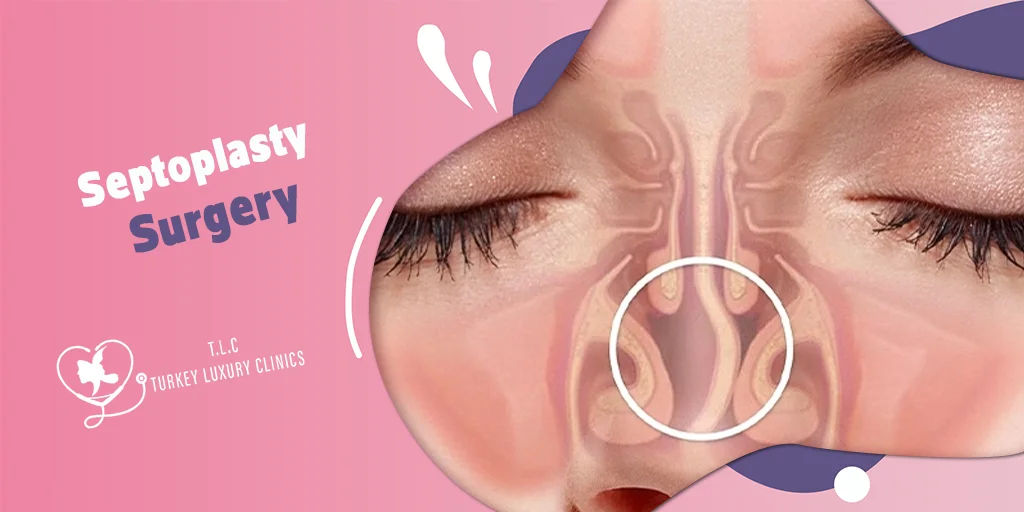
Septoplasty surgery is a functional ENT procedure performed to correct this internal obstruction by straightening the displaced cartilage and bone separating the nasal passages. Unlike cosmetic rhinoplasty, the goal is not to change the external appearance of the nose, but to restore proper breathing, improve airflow, and reduce symptoms such as persistent congestion, mouth breathing, snoring, and sleep disruption.
Because medications cannot physically reposition a deviated septum, septoplasty is often considered the most effective long-term solution when nasal obstruction becomes structural rather than inflammatory. The procedure is typically performed as minimally invasive outpatient surgery with relatively short recovery times and high functional success rates.
For international patients, especially from the United States, septoplasty in Turkey has become increasingly popular due to lower treatment costs, experienced ENT surgeons, and internationally accredited hospitals specializing in advanced functional nasal surgery.
What Is Septoplasty Surgery?
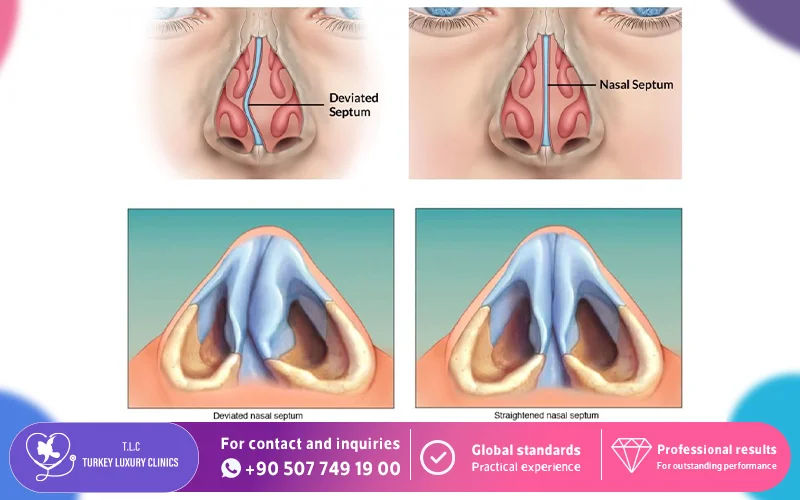
Septoplasty surgery is a medical procedure designed to correct a deviated septum, a condition where the cartilage and bone dividing the nasal cavity are displaced. This misalignment can block airflow, causing breathing difficulties, chronic congestion, snoring, and reduced sleep quality.
Unlike cosmetic nasal surgery, septoplasty is primarily functional, aimed at restoring normal airflow through the nose. However, in some cases, it is combined with cosmetic reshaping procedures for improved appearance and function.
When Is Septoplasty Recommended?
Anatomically, mild septal deviation is extremely common, and most people never require surgery. Deviated septum surgery is typically recommended when a deviated septum causes significant mechanical airway obstruction that affects breathing quality and does not improve with conservative medical treatment.
ENT specialists commonly advise surgery if patients experience:
- Persistent Nasal Blockage: Ongoing difficulty breathing through one or both nostrils that continues even after allergies, colds, or infections resolve.
- Failure of Medical Therapy: Little or no improvement after several weeks of treatment with steroid nasal sprays, antihistamines, or nasal dilators.
- Chronic Secondary Complications: Recurrent sinus infections, frequent nosebleeds, facial pressure, or discomfort caused by impaired airflow and blocked nasal drainage.
- Sleep Disruption & Heavy Snoring: Nighttime mouth breathing, chronic dry mouth, severe snoring, or worsening sleep quality due to restricted nasal airflow.
In these situations, the problem becomes structural rather than purely inflammatory, meaning medications alone cannot physically correct the obstruction.
Who Is the Ideal Candidate for Septoplasty?
The ideal candidate for septoplasty is someone with clinically confirmed septal deviation and symptoms severe enough to interfere with breathing, sleep quality, or daily comfort.
Most ENT surgeons look for the following criteria:
- Mature Nasal Development: Septoplasty is usually performed after the nose has fully developed, typically around ages 16 to 18, unless severe obstruction requires earlier intervention.
- Confirmed Structural Obstruction: The deviation is verified through nasal examination, endoscopy, or imaging to confirm that the blockage is structural rather than allergy-related swelling.
- Good Overall Health: Candidates should be medically fit for surgery, free from uncontrolled infections, and suitable for either local or general anesthesia.
Septoplasty vs Rhinoplasty: Key Differences
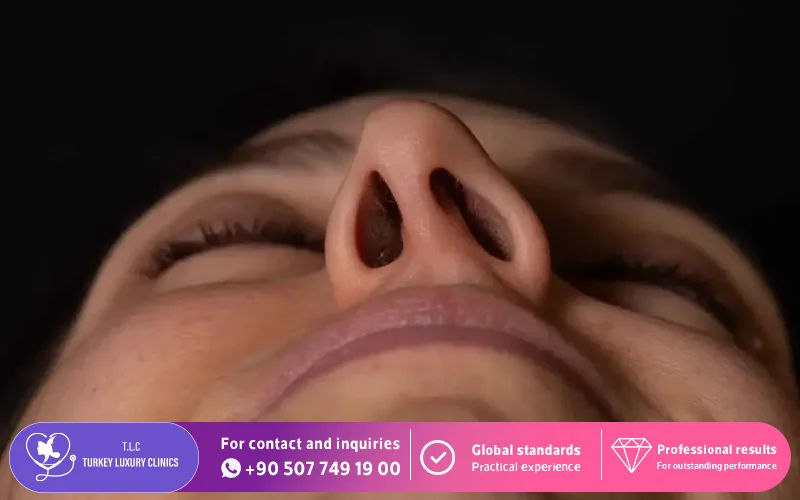
Septoplasty is a functional procedure to repair a deviated septum and improve breathing but rhinoplasty is a cosmetic surgery intended to alter the shape or size of the outer nose. When septoplasty is combined with a plastic nose job the procedure is called septorhinoplasty.
Feature | Septoplasty | Rhinoplasty |
Purpose | Functional (breathing) | Cosmetic (shape) |
Treats | Deviated septum | Nose appearance |
Insurance coverage (US) | Sometimes covered | Usually not covered |
Surgery goal | Improve airflow | Improve aesthetics |
Combined option | Sep Rhinoplasty | Yes |
Septorhinoplasty: Combining Functional and Cosmetic Nasal Surgery
Septorhinoplasty is a combined surgical procedure that improves nasal breathing by straightening the nasal septum (septoplasty) while simultaneously reshaping the outside of the nose for aesthetic or reconstructive purposes (rhinoplasty).
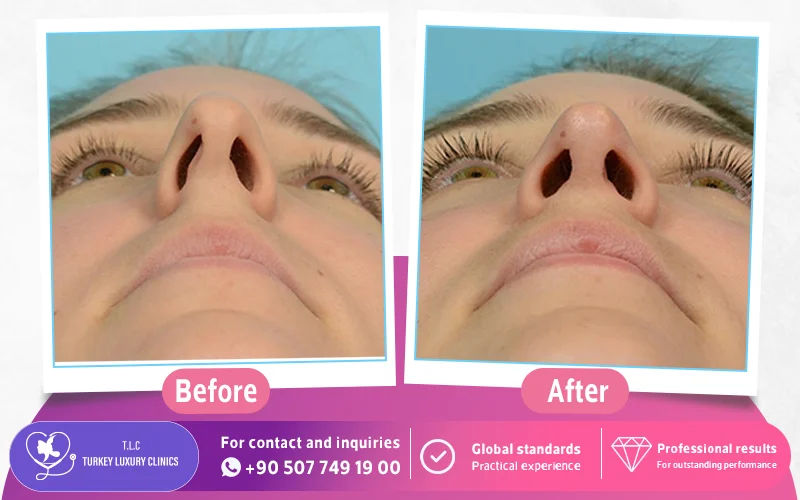
Septorhinoplasty is recommended when:
- You have a deviated septum AND aesthetic concerns
- Previous nasal trauma affected both function and shape
- You require structural correction plus cosmetic refinement
This combined approach is commonly performed in Turkey because of advanced surgical expertise, modern private hospitals, and comparatively lower treatment costs.
Septoplasty Procedure Step-by-Step
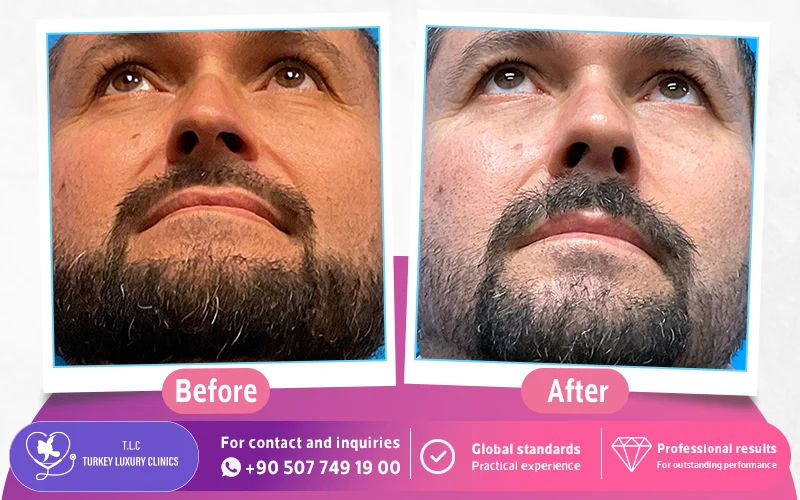
Septoplasty is a minimally invasive outpatient procedure typically performed under local or general anesthesia and usually takes about 30 to 90 minutes. During the procedure, the surgeon straightens the deviated septum by trimming, repositioning, or replacing cartilage, bone, or both to improve nasal airflow and breathing function. Surgery to fix a deviated septum may be recommended when symptoms significantly affect breathing quality and daily life.
After surgery, patients remain in the recovery room until they are fully awake and medically stable before returning home. Because anesthesia can cause temporary drowsiness and reduced alertness, patients are generally advised to have a family member or friend accompany them after the procedure
Procedure steps include:
- Small incision inside the nostril
- Lifting the mucosal lining
- Reshaping or removing deviated cartilage and bone
- Straightening the septum
- Closing the incision and stabilizing the structure
No external scars are visible since the procedure is performed internally.
What Is the Septoplasty Recovery Time?
Most patients can return to work or school within a few days after deviated septum surgery, and resume normal daily activities in approximately 2 to 3 weeks. However, recovery time can vary depending on the complexity of the procedure, individual healing response, and whether additional nasal structures were treated.
Full internal healing typically takes 1 to 2 months, although patients are usually followed up by their surgeon for several months after surgery to monitor healing and ensure stable functional results.
Breathing improvement occurs gradually after surgery. Most patients notice an early improvement following splint or packing removal, while full and stable airflow restoration typically develops within 4 to 6 weeks, depending on individual healing patterns.
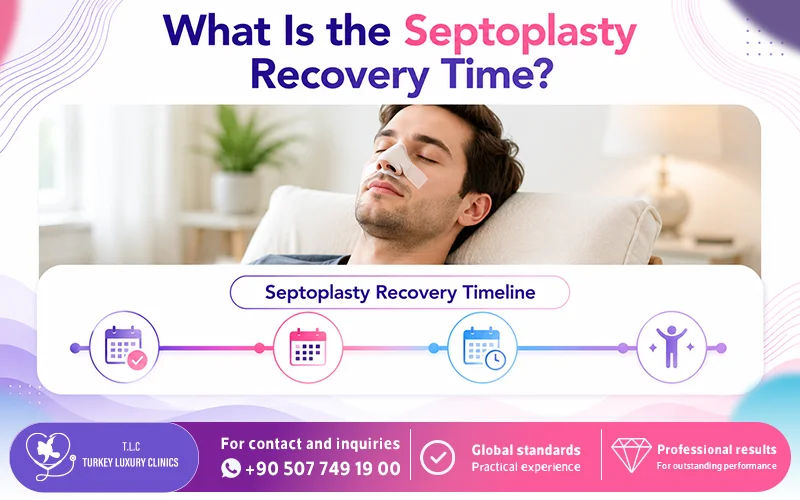
Septoplasty Recovery Timeline
Recovery after septoplasty is a predictable clinical pattern, although individual experiences may vary slightly.
In the first 48 hours after surgery, patients typically experience mild swelling, nasal congestion, and light blood-tinged discharge. During this period, nasal breathing is often significantly reduced or absent, and temporary mouth breathing is common due to internal swelling or nasal packing. Discomfort is usually mild to moderate and is generally well controlled with prescribed medication.
By the end of the first week, nasal splints or packing are usually removed. This often results in noticeable improvement in breathing and comfort. Most patients are able to return to light daily activities or desk-based work at this stage.
During weeks 2 to 4, internal swelling continues to gradually decrease, and breathing function improves significantly. Mild crusting inside the nose may still occur as part of normal healing. Strenuous physical activity is usually still avoided during this phase to support proper recovery.
Between 1 to 3 months after surgery, internal nasal tissues fully stabilize. This is the period when the final functional outcome of septoplasty becomes consistent and long-lasting, with more stable airflow and breathing improvement.
Is Septoplasty Painful?
Septoplasty is generally not considered a painful procedure. While the surgery itself is performed under anesthesia, post-operative recovery is usually associated with mild to moderate discomfort rather than significant pain.
Many patients describe the sensation as similar to having a severe sinus infection or a strong cold, primarily due to congestion and pressure rather than sharp pain.
What is the Hardest Day After Septoplasty?
The most uncomfortable period after septoplasty is usually within the first 48 to 72 hours. This phase is not defined by severe pain, but rather by significant nasal congestion and internal pressure caused by swelling and temporary support materials such as splints or packing.
During this early stage, nasal breathing is often severely limited or completely blocked, requiring patients to rely on mouth breathing. This can lead to dry mouth, sore throat upon waking, and disrupted sleep, particularly during the first nights after surgery.
Swelling inside the nasal passages typically peaks during this window, creating a sensation of fullness and pressure around the nose and mid-face. Many patients compare this feeling to a severe cold or sinus congestion, although it is a normal and expected part of healing.
From a clinical standpoint, this phase is temporary and reflects the natural inflammatory response following surgical correction. As swelling gradually decreases and internal splints are adjusted or removed by the surgeon, most patients notice clear improvement around Day 4 or 5, marking the transition into a more comfortable recovery phase.
When to Contact Your Surgeon After Septoplasty
Patients should seek medical attention if any of the following occurs during recovery:
- Persistent or heavy bleeding
- Worsening pain instead of gradual improvement
- Fever or unusual discharge
- Sudden breathing deterioration after initial improvement
How Much Does Septoplasty Cost? US vs Turkey 2026 Comparison
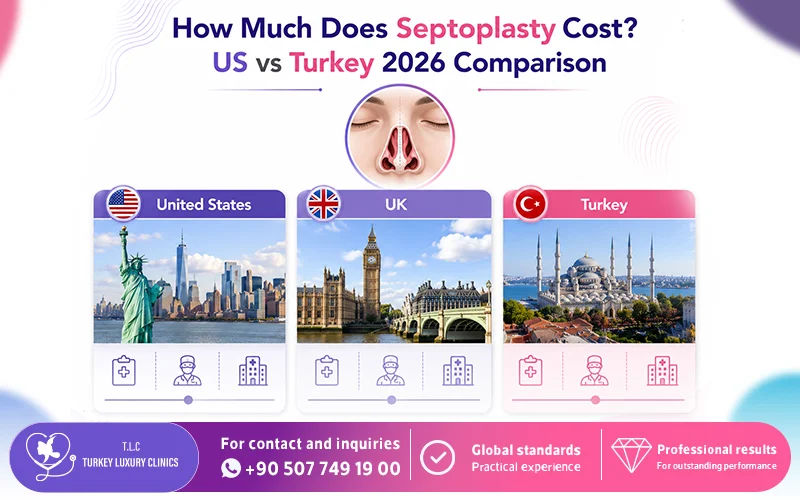
Country | Average Cost |
United States | $5,000 – $12,000 |
UK | $4,000 – $9,000 |
Turkey | $1,500 – $3,500 |
Septoplasty costs approximately $1,500 to $3,500 in Turkey compared to $5,000 to $12,000 in the United States. For many international patients, this difference can reduce total treatment expenses by up to 60–70%, especially when treatment is performed through all-inclusive medical travel packages.
The lower cost in Turkey is primarily related to healthcare economics rather than lower surgical quality. Reduced hospital operating expenses, lower administrative costs, and high-volume medical tourism systems allow many Turkish clinics to offer significantly lower pricing compared to private healthcare systems in the US and parts of Europe.
In the United States and many European countries, septoplasty is commonly performed within private hospital networks where facility charges, anesthesia fees, and specialist costs substantially increase the overall treatment price. Many clinics in Turkey also provide package-based pricing for international patients.
What Is Usually Included in Septoplasty Packages in Turkey?
Many clinics offering septoplasty in Turkey provide bundled medical packages for international patients. Nose surgery all inclusive package in Turkey usually include:
- Surgeon and anesthesia fees
- Hospital stay and operating room costs
- Pre-operative testing
- Post-operative medications and follow-up care
- Airport transfers and hotel accommodation
- Translation and patient coordination services
For this reason, patients are often advised to compare the total package value rather than focusing only on the surgical fee itself.
Is septoplasty covered by insurance?
Yes, septoplasty is typically covered by health insurance because it is deemed a medically necessary, functional procedure. To qualify for coverage, insurance providers generally require documented clinical evidence—such as a failure to respond to non-surgical treatments (nasal sprays) and a physical examination proving that the deviated septum is causing severe, chronic airway obstruction.
Factors Affecting Septoplasty Prices Anywhere
- Surgeon experience and specialization
- Hospital accreditation level
- Whether septoplasty is combined with rhinoplasty
- Complexity of the septal deviation
- Included recovery and accommodation services
Septoplasty in Turkey for International Patients
Turkey has become a leading destination for septoplasty surgery, particularly for international patients seeking functional nasal breathing correction performed in high-volume ENT centers. The procedure is most commonly carried out by board-certified ear, nose, and throat (ENT) surgeons who specialize in nasal airway reconstruction and endoscopic sinus surgery.
International patients commonly choose Turkey because of:
- Experienced ENT and facial plastic surgeons
- Advanced endoscopic surgical techniques
- Shorter waiting times compared to some Western healthcare systems
- Access to internationally accredited private hospitals
- Availability of combined functional and cosmetic nasal procedures
For many patients, the decision is not based on cost alone, but on the combination of affordability, surgical experience, and comprehensive medical travel support.
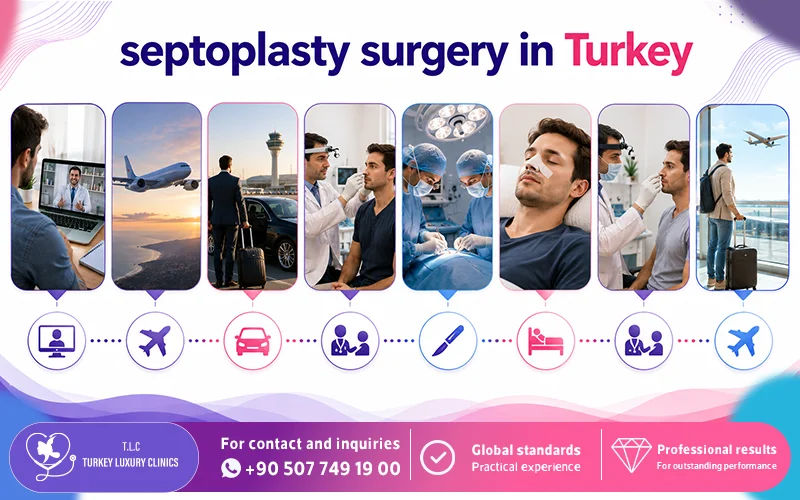
Septoplasty in Turkey: How Journey Works
For international patients, the process typically begins with an online consultation where symptoms, breathing issues, and previous treatments are evaluated. After arrival in Turkey, a detailed in-person assessment is conducted before surgery. The procedure is usually performed as a same-day or short-stay operation, followed by scheduled follow-up visits for splint removal and healing assessment before the patient returns home.
Septoplasty Risks and Possible Complications
Septoplasty is generally considered a safe and routine procedure with a high success rate. However, like any surgery, it still carries some potential risks and complications.
Most complications are uncommon and are significantly less likely when surgery is performed by an experienced ENT surgeon and followed by proper post-operative care.
Possible risks may include:
- Mild bleeding during the first few days after surgery
- Infection (rare)
- Temporary numbness around the nose or upper teeth
- Septal perforation, where a small hole develops in the septum (rare)
- Persistent breathing symptoms in complex cases
Most side effects are temporary and improve gradually during the healing process.
Can Septoplasty Fail?
Septoplasty has a high functional success rate, but some patients may continue experiencing nasal obstruction after surgery.
This is usually related to:
- Severe cartilage deviation or structural complexity
- Underlying allergies or chronic nasal inflammation
- Healing-related tissue shifting during recovery
In some cases, additional medical treatment or revision surgery may be required, although this is relatively uncommon.
How to Reduce the Risk of Complications
Following recovery instructions carefully plays an important role in healing after septoplasty.
Patients are usually advised to:
- Avoid blowing the nose during early recovery
- Sleep with the head elevated
- Avoid heavy physical activity temporarily
- Attend follow-up appointments with their surgeon
Choosing an experienced ENT specialist is one of the most important factors in reducing complications and improving long-term breathing results.
Septoplasty Surgery Results: What to Expect After Surgery
After successful septoplasty, most patients experience
- Noticeably improved breathing
- Reduced snoring
- Better sleep quality
- Fewer sinus infections
- Improved exercise tolerance
Results are generally long-lasting and often permanent unless significant nasal trauma occurs in the future.

Can a deviated septum come back after surgery?
No, a deviated septum cannot structurally "grow back," but minor shifting can occasionally occur. Nasal cartilage possesses a natural "elastic memory" that may cause slight deviations during the late healing phase. However, a significant recurrence of nasal blockage is rarely a failure of the surgery itself and is almost always the result of a new nasal injury, scar tissue buildup, or unmanaged chronic allergies.
How successful is septoplasty?
Septoplasty is highly successful, with reported success rates commonly ranging between 70% and 90% depending on patient selection and underlying nasal conditions. The vast majority of patients experience permanent, life-changing improvements in nasal airflow, structural congestion, and daily breathing. Overall patient satisfaction is exceptionally high, provided that chronic underlying inflammatory conditions—like allergic rhinitis—are treated alongside the structural correction
Is septoplasty worth it for mild deviation?
Yes, septoplasty is worth it for a mild deviation if it causes disproportionately severe functional symptoms. In clinical settings, the decision to undergo surgery is based on the severity of your breathing obstruction and sleep disruption, not the visual size of the deviation. If a mild structural shift completely blocks a narrow nasal airway, surgically correcting it provides meaningful improvement in breathing and daily comfort.
Get Septoplasty Surgery with Turkey Luxury Clinics
Because breathing quality directly affects sleep, energy levels, exercise tolerance, and long-term nasal health, proper evaluation by an experienced ENT specialist is essential before deciding whether septoplasty alone or combined septorhinoplasty is the most appropriate solution.
If you are also considering cosmetic nasal reshaping alongside breathing improvement, you may explore rhinoplasty or combined septorhinoplasty options with specialized surgical coordinators before treatment planning.
FAQs About Septoplasty Surgery