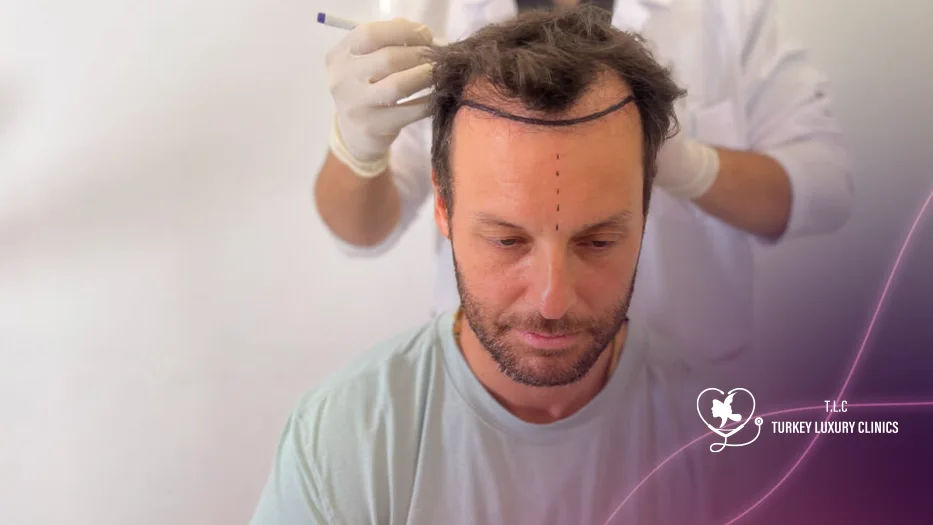


- What Is a Hair Graft?
- How Many Hair Grafts Do I Need?
- Hair Grafts Needed by Treatment Area
- Hair Graft Estimates by Norwood Scale
- What Can 1,000 to 7,000 Hair Grafts Cover?
- Factors That Affect the Number of Hair Grafts You Need
- Can PRP or Stem Cell Therapy Replace a High Number of Hair Grafts?
- Can You Have Too Many Hair Grafts? Risks of Overharvesting
- How to Calculate Your Own Hair Graft Estimate
- Get a Personalized Hair Graft Assessment
- FAQs About How Many Hair Grafts Do I Need
The number of hair grafts needed for a hair transplant varies depending on the extent of hair loss, the Norwood stage (or the pattern of hair loss in women), the size of the treatment area, the desired hair density, and the available donor hair supply. Most patients require 1,000–4,000 grafts, while extensive hair loss or full-head restoration may require 5,000–7,000 or more grafts, often performed over two or more sessions.
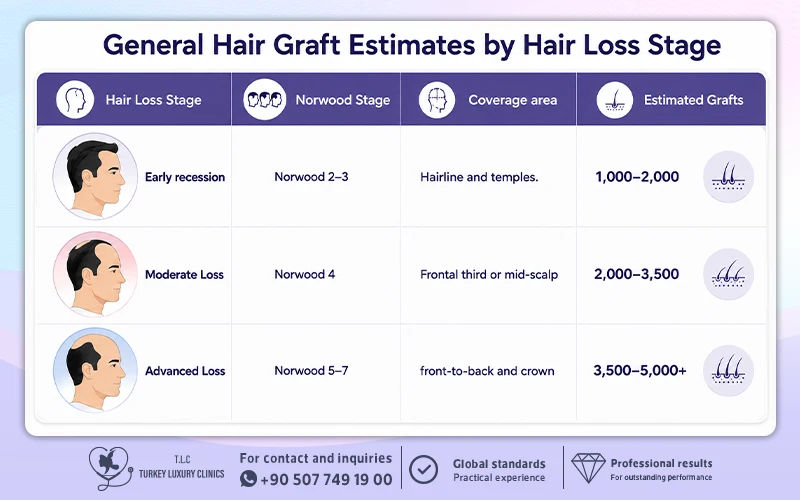
General Hair Graft Estimates by Hair Loss Stage
Hair Loss Stage | Norwood Stage | Coverage area | Estimated Grafts |
Early recession | Norwood 2–3 | Hairline and temples. | 1,000–2,000 |
Moderate Loss | Norwood 4 | Frontal third or mid-scalp | 2,000–3,500 |
Advanced Loss | Norwood 5–7 | front-to-back and crown | 3,500–5,000+ |
These estimates provide a general starting point, but the exact number of grafts varies from person to person. Two patients with the same Norwood stage may require different graft numbers depending on the size of the bald area, hair characteristics, desired density, and donor hair availability. A detailed assessment by an experienced hair transplant surgeon is the most accurate way to determine the ideal graft count.
What Is a Hair Graft?
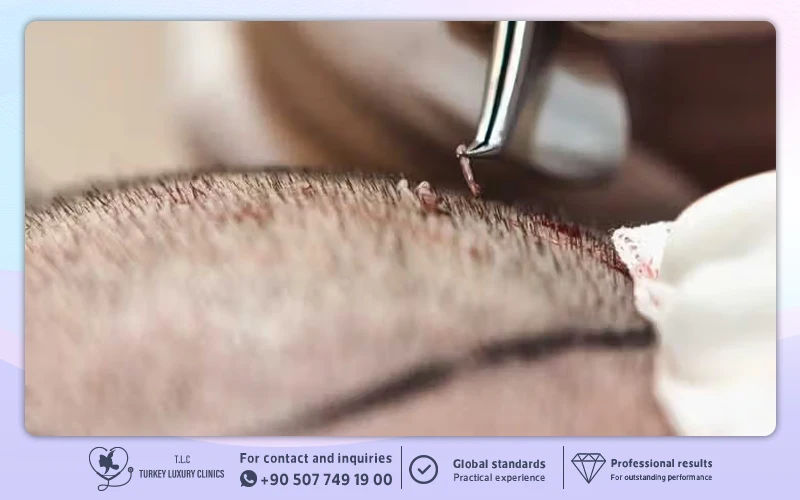
A hair graft is a small piece of tissue containing one to four naturally occurring hair follicles that is harvested from the donor area (usually the back or sides of the scalp) and transplanted into a thinning or balding area. Although people often use the terms "hair graft" and "hair follicle" interchangeably, they are not the same. A single graft typically contains 1–4 hair follicles, with an average of about 2.2 hairs per graft.
How Many Hair Grafts Do I Need?
Most people need between 1,000 and 7,000 hair grafts for a hair transplant. Small areas such as the hairline usually require 1,000–2,000 grafts, moderate hair loss typically needs 2,000–3,500 grafts, while advanced hair loss often requires 3,500–5,000 or more grafts. Full-head restoration may require 5,000–7,000+ grafts over two or more sessions.
The exact number of grafts is estimated by evaluating your Norwood stage, the size of the bald area, the treatment area, the desired hair density, and the available donor hair supply. The following sections explain each of these factors and provide realistic graft estimates for different hair loss patterns.
Hair Grafts Needed by Treatment Area
The number of grafts required also depends on which part of the scalp is being restored. Different areas require different grafting strategies to achieve the most natural appearance.
Treatment Area | Typical Grafts | Primary Goal |
Temples | 500–1,200 | Restore temple recession and improve facial framing |
Hairline | 1,000–2,000 | Create a natural, age-appropriate frontal hairline |
Mid-Scalp | 1,000–2,000 | Increase density behind the hairline |
Crown | 1,500–2,500 | Cover the crown while respecting the natural hair whorl |
Full Head | 5,000–7,000 | Restore the frontal scalp, mid-scalp, and crown, often over multiple sessions |
How Many Hair Grafts Do You Need for the Temples?
Temple restoration typically requires 500–1,200 hair grafts, depending on the degree of recession and the patient's facial proportions. Because the temples frame the face, surgeons recreate a soft, natural transition using carefully placed follicular units. Mild temple recession often responds well to fewer grafts, while more extensive recession may require over 1,000 grafts to restore balanced facial proportions.
How Many Hair Grafts Do You Need for the Hairline?
Restoring the frontal hairline usually requires 1,000–2,000 grafts. The exact number depends on the width of the hairline, the degree of recession, and the desired density. Surgeons typically place single-hair grafts along the front edge to create a natural-looking hairline, with multi-hair grafts placed behind it to increase fullness.
How Many Hair Grafts Do You Need for the Mid-Scalp?
The mid-scalp commonly requires 1,000–2,000 grafts to restore density behind the frontal hairline. Since this area contributes significantly to overall hair volume, surgeons usually use a higher proportion of multi-hair grafts to maximize coverage. Patients with isolated mid-scalp thinning generally require fewer grafts than those with both frontal and crown hair loss.
How Many Hair Grafts Do You Need for the Crown (Vertex)?
The crown typically requires 1,500–2,500 grafts, although larger bald areas may need more. This region contains a natural spiral growth pattern, known as the hair whorl, which requires precise graft placement to achieve a realistic appearance. Because the crown covers a relatively large area, surgeons often prioritize even coverage while preserving donor grafts for future hair loss.
How Many Hair Grafts Do You Need for a Full Head?
Full-head restoration generally requires 5,000–7,000 or more hair grafts, depending on the extent of hair loss and the quality of the donor area. Patients with advanced Norwood VI or VII hair loss often need restoration of the hairline, frontal scalp, mid-scalp, and crown. In many cases, this number of grafts is transplanted over two or more procedures to maximize graft survival and preserve the donor area for future needs.
Hair Graft Estimates by Norwood Scale
The Norwood Scale classifies male pattern baldness into seven stages of hair loss and is one of the primary tools surgeons use to estimate hair graft requirements. Read our complete guide to the 7 stages of hair loss (Norwood Scale) to understand how each stage affects treatment planning. As hair loss progresses from Norwood II to Norwood VII, the treatment area becomes larger, requiring progressively more grafts to restore natural-looking density.
Norwood Stage | Hair Loss Pattern | Typical Grafts |
II | Mild temple recession | 800–1,500 |
III | Receding hairline | 1,200–2,000 |
III Vertex | Hairline recession with crown thinning | 2,000–3,000 |
IV | Frontal and crown thinning | 2,500–3,500 |
V | Extensive frontal and crown hair loss | 3,500–4,500 |
VI | Advanced hair loss with limited bridge | 4,500–6,000 |
VII | Extensive baldness with a narrow donor reserve | 5,500–7,500+ |
What Can 1,000 to 7,000 Hair Grafts Cover?
Graft Number | Typically Suitable For | Approx. Bald Area | Typical Norwood Stage |
1,000 | Hairline refinement or temples | 20–30 cm² | II–III |
2,000 | Hairline + frontal scalp | 35–50 cm² | III–IV |
3,000 | Frontal scalp + partial mid-scalp | 50–70 cm² | IV–V |
4,000 | Frontal scalp, mid-scalp, and light crown restoration | 70–90 cm² | V |
5,000 | Extensive frontal and crown restoration | 90–120 cm² | VI |
6,000–7,000+ | Near full-head restoration, often over multiple sessions | 120+ cm² | VI–VII |
When Are 1,000 Hair Grafts Enough?
Suitable for:
- Norwood II–III
- Hairline refinement
- Mild temple recession
- Small localized thinning
- Approx. 20–30 cm² of coverage
Around 1,000 hair grafts are usually enough to restore mild, localized hair loss, such as a receding hairline, mild temple recession, or a small thinning area. This amount is typically suitable for patients with Norwood II–III hair loss who still have good overall hair density and do not require crown restoration. In most cases, 1,000 grafts can create a natural-looking hairline and improve facial framing, but they are generally not enough to restore extensive thinning across the scalp. The final result depends on the size of the treatment area, donor hair quality, hair characteristics, and the density your surgeon plans to achieve.
When Are 2,000 Hair Grafts Enough?
Suitable for:
- Norwood III–IV
- Hairline restoration
- Frontal scalp
- Moderate hair loss
- Approx. 35–50 cm² of coverage
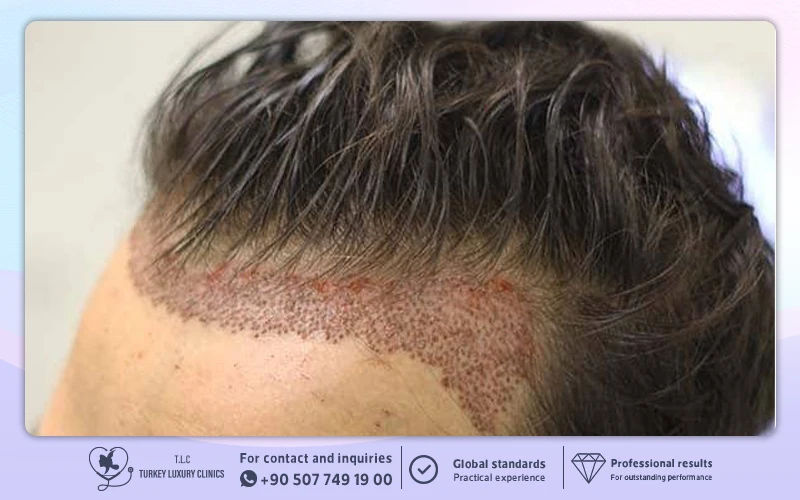
Approximately 2,000 hair grafts can restore the frontal hairline and much of the frontal scalp in patients with moderate hair loss. This graft number is commonly recommended for Norwood III–IV hair loss and provides natural-looking coverage without treating the entire scalp. In many patients, 2,000 grafts significantly improve hair density in the frontal third of the scalp while preserving donor grafts for future procedures if hair loss progresses. The exact coverage depends on the size of the bald area, the desired density, hair thickness, curl, and the quality of the donor area.
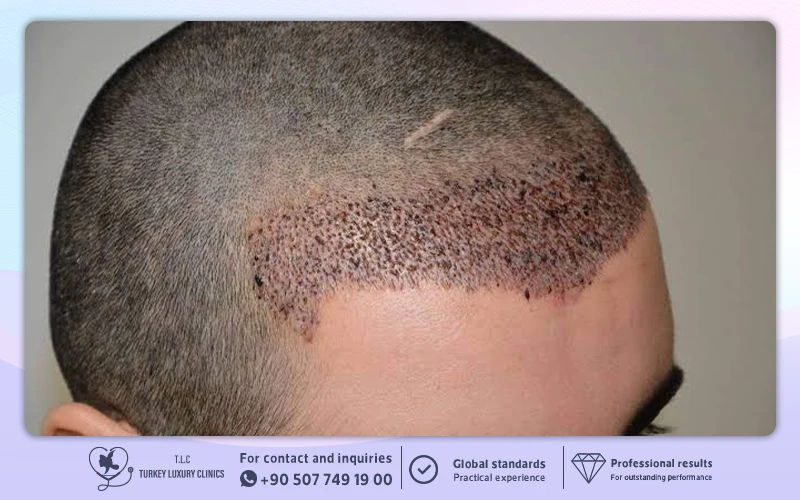
When Are 3,000 Hair Grafts Enough?
Suitable for:
- Norwood IV–V
- Hairline restoration
- Frontal scalp
- Partial mid-scalp
- Approx. 50–70 cm² of coverage
About 3,000 hair grafts are generally sufficient to restore the hairline, frontal scalp, and part of the mid-scalp. This graft count is commonly recommended for patients with Norwood IV–V hair loss who do not require extensive crown restoration. In most cases, 3,000 grafts provide natural-looking coverage of the frontal half of the scalp but are usually not enough for complete full-head restoration. The final result depends on the size of the bald area, the desired density, hair characteristics, and the quality of the donor area.
Want to know how much 3,000 grafts cost? Read our complete guide to 3,000 Grafts Hair Transplant Cost (2026).
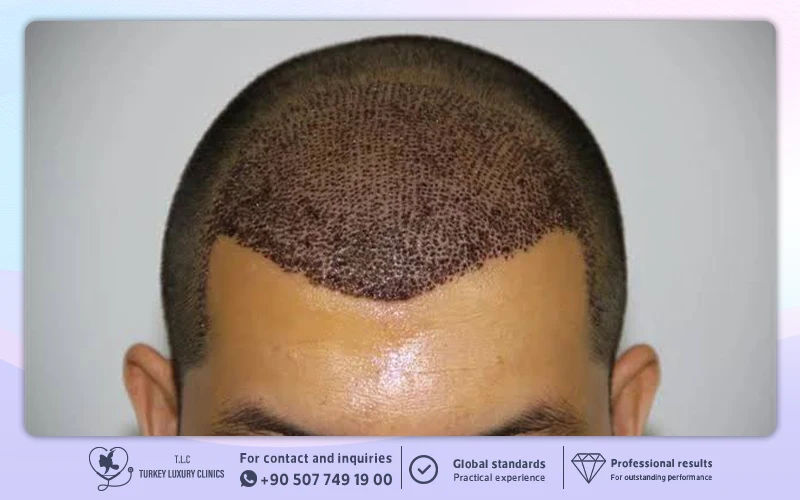
When Are 4,000 Hair Grafts Enough?
Suitable for:
- Norwood V
- Frontal scalp
- Mid-scalp
- Light crown restoration
- Approx. 70–90 cm² of coverage
Around 4,000 hair grafts can restore the frontal scalp, mid-scalp, and a small portion of the crown in patients with advanced hair loss. This amount is commonly recommended for Norwood V hair loss when the donor area provides an adequate supply of healthy grafts. For many patients, 4,000 grafts create balanced coverage across multiple areas of the scalp, although achieving maximum density everywhere may require additional procedures. Hair thickness, curl, donor density, and future hair loss all influence the final cosmetic outcome.
Learn more: 4,000 Grafts Hair Transplant Cost: 2026 Price, Coverage & Before and After.
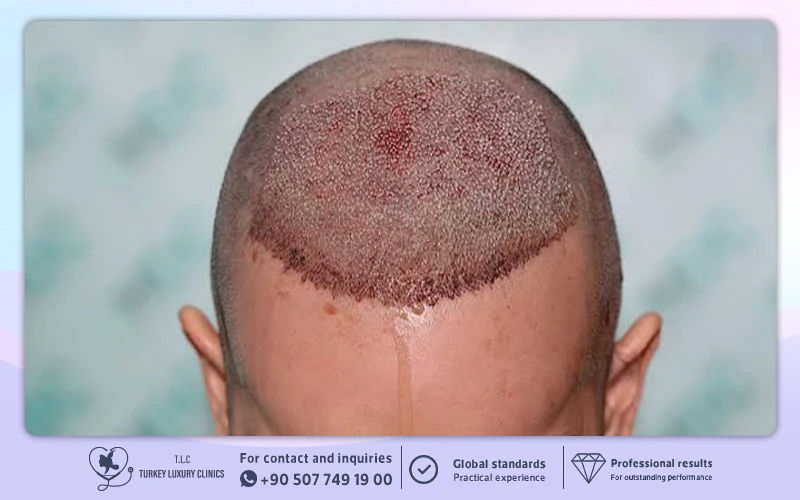
When Are 5,000 Hair Grafts Enough?
Suitable for:
- Norwood VI
- Extensive frontal restoration
- Mid-scalp
- Crown restoration
- Approx. 90–120 cm² of coverage
Approximately 5,000 hair grafts are typically used for extensive frontal and crown restoration in patients with Norwood VI hair loss. This graft number can restore a large portion of the scalp when the donor area contains enough healthy follicular units. Because hair loss at this stage usually affects multiple regions, surgeons often focus on creating the best balance between coverage and natural-looking density rather than maximizing density in a single area. Long-term planning remains essential to preserve donor grafts for potential future hair loss.
Learn more: 5,000 Grafts Hair Transplant Cost: USA vs Turkey (2026).
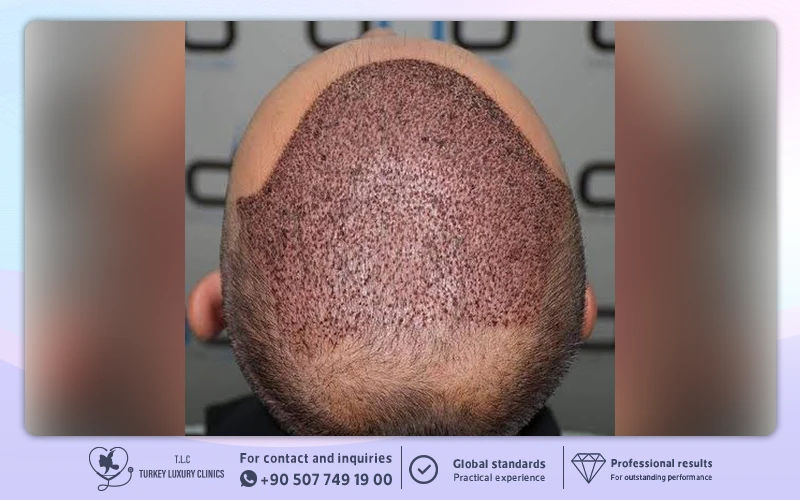
When You Need 6,000–7,000 Hair Grafts?
Suitable for:
- Norwood VI–VII
- Near full-head restoration
- Hairline, frontal scalp, mid-scalp, and crown
- Multiple treatment areas
- Approx. 120+ cm² of coverage
- Often completed over two or more sessions
6,000–7,000 hair grafts or more are generally required for near full-head restoration in patients with Norwood VI–VII hair loss. Because such a large number of grafts places greater demand on the donor area, treatment is often performed over two or more sessions to maximize graft survival and achieve natural-looking results. Even with 6,000–7,000 grafts, the goal is usually to create balanced cosmetic coverage rather than restore the original hair density. Donor hair quality, scalp characteristics, and realistic surgical planning ultimately determine the final outcome.
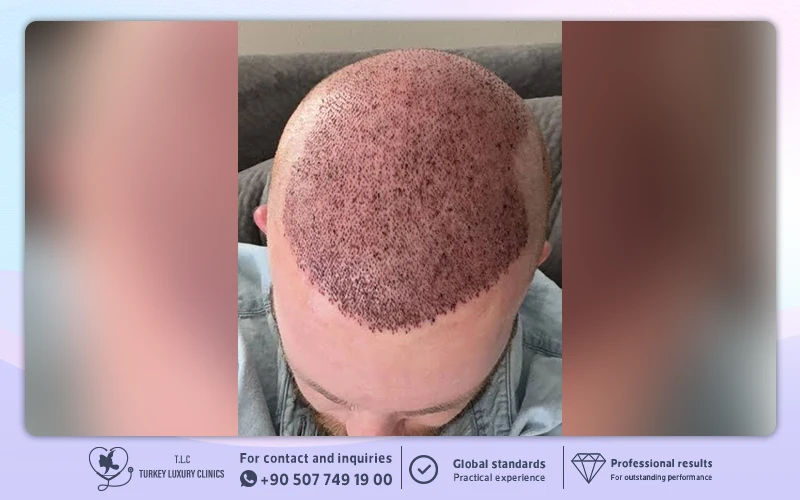
Factors That Affect the Number of Hair Grafts You Need
Several factors determine how many hair grafts you need. Two people with the same pattern of hair loss may require a different number of grafts depending on their donor hair, hair characteristics, and treatment goals.
Norwood Stage
Your Norwood stage is one of the most important factors in graft estimation. Early-stage hair loss (Norwood II–III) usually requires fewer grafts than advanced Norwood VI–VII hair loss because the treatment area is significantly smaller.
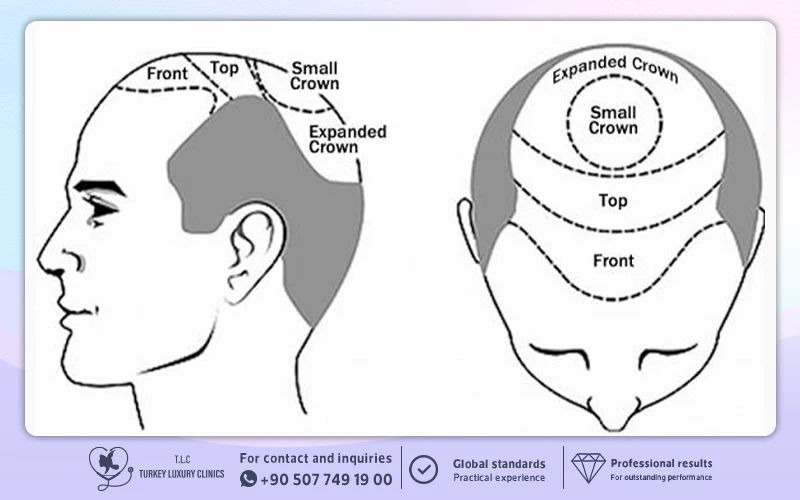
Size of the Bald Area
The larger the bald or thinning area, the more grafts are needed to achieve natural-looking coverage. Small areas such as the hairline or temples require far fewer grafts than restoring the frontal scalp, mid-scalp, and crown together.
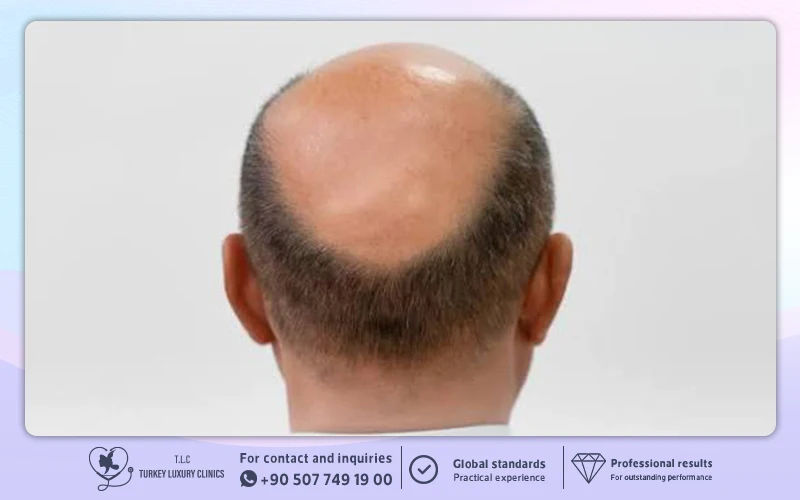
Donor Hair Supply
The number of grafts that can be transplanted depends on the density and quality of the permanent donor area at the back and sides of the scalp. Patients with a stronger donor supply usually have more options for extensive restoration.
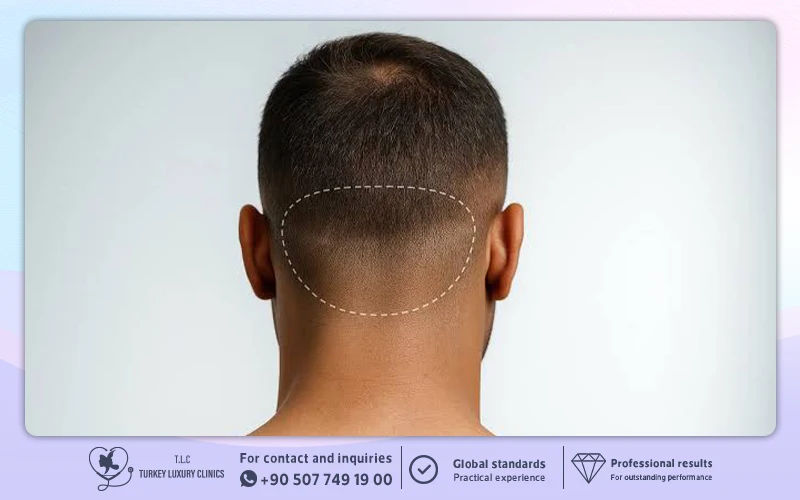
Hair Thickness, Curl, and Texture
Hair characteristics greatly influence visual coverage. Thick, coarse, curly, or wavy hair provides more scalp coverage per graft than fine, straight hair, meaning fewer grafts may be needed to achieve the same cosmetic result. If you have tightly curled hair, learn more in our Afro Hair Transplant guide.

Desired Hair Density
Patients who want higher density generally require more grafts than those who prioritize covering a larger area with moderate density. Your surgeon will balance coverage, density, and long-term donor preservation to create the most natural result.
Can PRP or Stem Cell Therapy Replace a High Number of Hair Grafts?
No. Neither platelet-rich plasma (PRP) nor current stem cell therapies can replace the number of hair grafts required for a hair transplant. If an area has already lost its hair follicles, these treatments cannot create new permanent follicles or eliminate the need for transplantation.
How PRP Can Support Hair Transplant Results
PRP uses a concentration of your own platelets to deliver growth factors that may:
- Support healing after a hair transplant.
- Improve the quality of existing miniaturized hair.
- Increase hair thickness in some patients.
- Potentially reduce temporary postoperative shedding (shock loss).
However, PRP does not create new hair grafts or increase the number of donor follicles available for transplantation.
What About Stem Cell Therapy?
Stem cell-based hair restoration is an area of ongoing research, but there is currently no widely accepted clinical treatment that can regenerate enough new hair follicles to replace a hair transplant. While early studies are promising, current evidence does not support using stem cell therapy as a substitute for hair grafts in patients with moderate or advanced hair loss.
Can These Treatments Reduce the Number of Grafts Needed?
In some patients with early-stage thinning, PRP or other medical therapies may improve the appearance of existing hair, allowing a surgeon to transplant fewer grafts than originally planned. However, when hair follicles are permanently lost, the only predictable way to restore density is by transplanting healthy donor grafts.
For most patients, PRP and stem cell therapies should be viewed as complementary treatments rather than alternatives to hair transplantation.
Can You Have Too Many Hair Grafts? Risks of Overharvesting
Experienced hair transplant surgeons focus on achieving the optimal number of grafts rather than the maximum possible number. Risks of Overharvesting:
Donor Depletion
Every patient has a limited supply of permanent donor hair. Harvesting too many grafts can permanently thin the donor area, making future hair transplant procedures more difficult or even impossible.
Shock Loss
Large transplant sessions may temporarily increase the risk of shock loss, where existing native hairs shed because of surgical trauma. Although many of these hairs regrow, the risk is greater when extensive areas are treated in a single session.
Unnatural Density
Placing too many grafts into a limited area can compromise blood supply, reduce graft survival, and create an artificial appearance. A natural-looking result depends on strategic graft placement rather than maximum density alone.
Poor Long-Term Planning
Hair loss is progressive. Using an excessive number of grafts during the first procedure may leave too few donor grafts available to treat future hair loss. Long-term planning is therefore one of the most important principles of successful hair restoration.
How to Calculate Your Own Hair Graft Estimate
Although the exact number of hair grafts can only be determined during a professional consultation, you can make a rough estimate using a simple formula commonly applied in hair restoration planning.
Hair Graft Estimation Formula
Estimated Hair Grafts = Bald Area (cm²) × Target Density (grafts/cm²)
To use this formula accurately, you need to know:
- The size of the bald or thinning area in square centimeters (cm²).
- Your target hair density, which is typically 20–50 grafts/cm² depending on the desired coverage and your available donor hair.
Don't Know Your Bald Area?
Most people do not know the exact size of their treatment area or the density appropriate for their hair type. In that case, you can:
- Use our Hair Graft Calculator for an instant estimate.
- Request a free online consultation by sending clear photos of your hair from the front, sides, back, and top. Our specialists can provide a personalized graft estimate based on your hair loss pattern, donor area, and long-term restoration goals.
Get a Personalized Hair Graft Assessment
Choosing the right number of hair grafts requires more than a simple online estimate. At Turkey Luxury Clinics, our experienced hair transplant specialists evaluate your hair loss pattern, donor area, hair characteristics, and long-term restoration goals to determine the ideal number of grafts for natural-looking results.
Request a free online consultation by sending clear photos of your scalp from the front, top, sides, and back. Our specialists will provide a personalized graft estimate, explain the recommended treatment approach, and help you choose the most suitable hair transplant plan based on your individual needs.
FAQs About How Many Hair Grafts Do I Need