

- Why Long-Term Eating Is Different From Post-Op Diet
- What to Eat Long-Term After Gastric Bypass
- Long-Term Daily Diet Structure After Gastric Bypass
- Ideal Macronutrient Ratio After Gastric Bypass
- Calorie Intake Focus on Long-Term Stability
- Lifelong Vitamins and Supplements After Gastric Bypass
- Foods to Avoid After Gastric Bypass Long-Term
- Long Term Eating Habits After Gastric Bypass
- Gastric Bypass Diet Years Later: Year 1 vs Year 2 vs Year 5+ Eating Patterns
- How to Prevent Weight Regain After Gastric Bypass
- Gastric Bypass with Complete Post-Op Diet Plan for Lasting Weight Loss
- FAQs About Long-Term Diet After Gastric Bypass Surgery
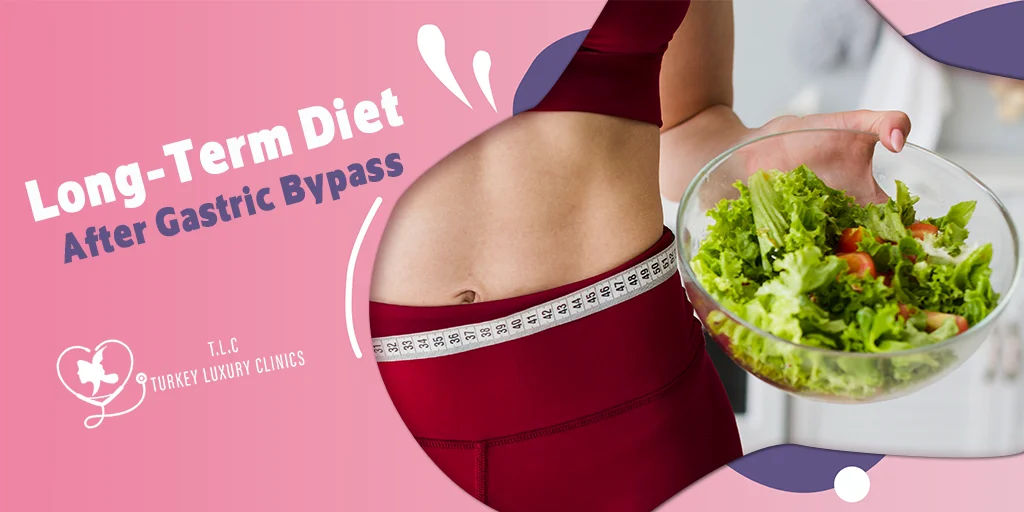
A long-term diet after gastric bypass surgery is based on three essential pillars: strict portion control, lifelong vitamin and mineral supplementation, and a nutrient-dense eating pattern that supports long-term weight stability and prevents nutritional deficiencies.
Because gastric bypass is one of the types of bariatric surgeries that permanently changes how the body digests and absorbs food, long-term dietary habits become a medical necessity rather than a temporary phase. A structured eating plan helps maintain weight loss results, prevent vitamin deficiencies, reduce digestive discomfort, and lower the risk of long-term weight regain.
Poor long-term diet habits after gastric bypass surgery can lead to muscle loss, dumping syndrome, or weight regain.
Why Long-Term Eating Is Different From Post-Op Diet
The early post-op diet focuses on healing the stomach pouch and supporting the initial rapid weight loss phase. It is based on liquids, pureed foods, and soft foods consumed in very small portions and low-calorie amounts. In contrast, the long-term diet focuses on maintaining weight loss, meeting daily nutritional needs, preventing long-term nutritional deficiencies, and supporting lifelong metabolic and weight stability.
What to Eat Long-Term After Gastric Bypass
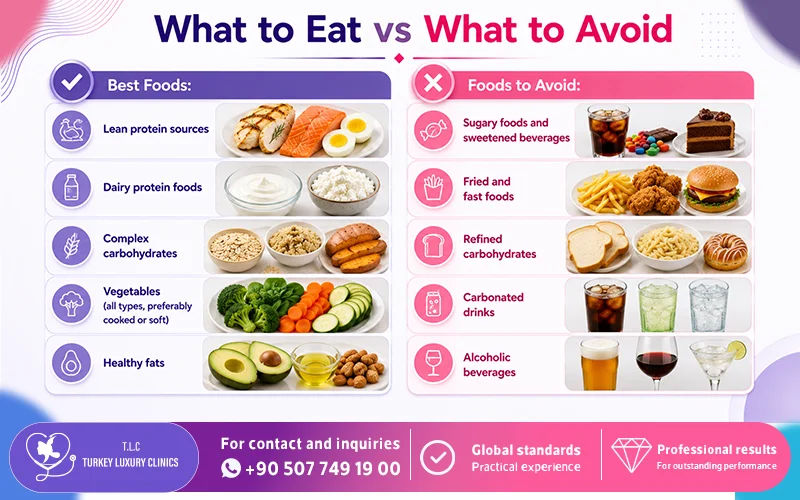
The best long-term foods after gastric bypass include lean proteins, controlled complex carbohydrates, cooked vegetables, low-sugar dairy products, and healthy fats in moderate portions.
Long-term eating after gastric bypass is not based on strict dieting, but on a structured, repeatable food system designed for lifelong weight maintenance, stable energy, and prevention of nutritional deficiencies. The goal is to build daily meals that match reduced stomach capacity while supporting protein needs and metabolic health.
1. Protein-Centered Daily Intake
Long-term eating after gastric bypass is built around protein as the foundation of every meal, as it helps preserve lean muscle mass, control appetite, and maintain long-term weight stability.
Patients are encouraged to follow a protein-first rule, meaning protein is consumed at the beginning of each meal to meet a daily target of approximately 60–80 grams per day, depending on individual needs.
Best protein sources include:
- Chicken breast, turkey, lean beef
- Fish and seafood (salmon, tuna, white fish)
- Eggs (boiled, scrambled, omelet)
- Greek yogurt and cottage cheese
- Plant-based options like lentils, beans, and tofu (as tolerated)
2. Controlled Complex Carbohydrates for Long-Term Energy
After gastric bypass, simple sugars are absorbed very quickly and may trigger dumping syndrome, causing symptoms such as nausea, cramps, dizziness, and diarrhea. For this reason, simple sugars should be limited in long-term eating habits after surgery.
Instead of relying on simple sugars for energy, long-term nutrition after gastric bypass focuses on controlled complex carbohydrates as a safer and more stable energy source.
Carbohydrates are not completely eliminated, but they should be carefully controlled to support energy balance and reduce blood sugar fluctuations after surgery. Complex carbohydrates help maintain stable energy levels, improve satiety, and reduce cravings, which is important for long-term weight maintenance.
Best choices include:
- Oats and whole grain cereals
- Quinoa and brown rice
- Sweet potatoes
- Cooked vegetables such as zucchini, carrots, spinach, and broccoli
3. Healthy Fats in Moderate Portions
Healthy fats are an essential part of long-term nutrition after gastric bypass, but they must be consumed in controlled amounts due to reduced digestive capacity and calorie sensitivity after surgery.
Healthy fats are important because they:
- Support hormone production and endocrine balance, which can be affected by long-term calorie restriction
- Improve absorption of fat-soluble vitamins (A, D, E, and K), which are commonly deficient after gastric bypass
- Contribute to long-term satiety regulation, helping reduce frequent snacking and grazing behavior
- Support cardiometabolic health when replacing saturated and processed fats
However, portion control is critical, as excess fat intake can easily exceed caloric needs and contribute to gradual weight regain over time.
Best sources include:
- Olive oil (used in small, controlled amounts)
- Avocado
- Nuts and seeds (limited portions, not daily excess)
Maintaining healthy fat intake is not about increasing calories, but about ensuring long-term nutritional stability, vitamin absorption, and hormonal balance while helping reduce the risk of gradual weight regain over time.
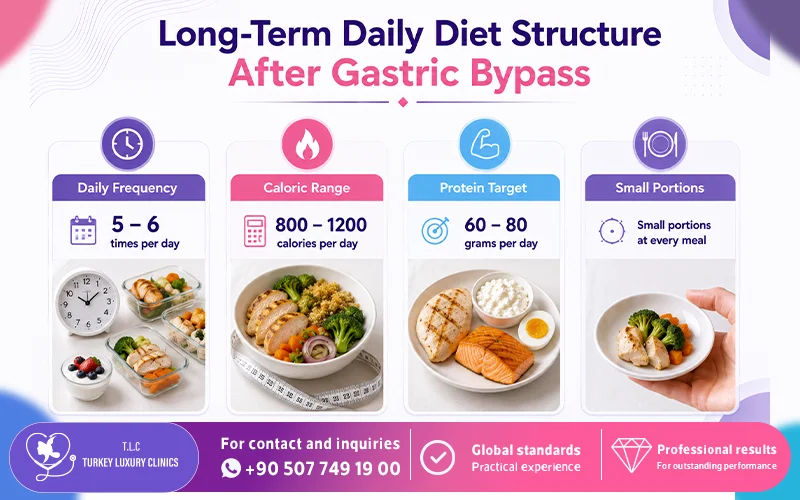
Long-Term Daily Diet Structure After Gastric Bypass
- Daily Frequency: 3 main meals + 1 small high-protein snack, eating approximately every 3 to 4 hours to manage hunger.
- Caloric Range: Generally stays between 1,200 to 1,500 kcal per day, depending on physical activity and years post-op.
- Protein Target: A consistent intake of 60 to 80 grams daily remains a medical priority.
- Small Portions: The reduced stomach pouch limits meal volume, making portion control essential for long-term comfort, digestion, and weight maintenance.
Example Daily Breakdown
- Breakfast: 2 scrambled eggs or 1/2 cup Greek yogurt with a small portion of oats or soft berries.
- Lunch: 3 oz grilled chicken or tuna salad, a side of soft cooked vegetables, and 2 tablespoons of quinoa or brown rice.
- Snack: 1/4 cup cottage cheese or a low-sugar protein shake.
- Dinner: 3 oz lean protein (baked salmon or turkey) with steamed vegetables (omit carbohydrates if already full)
Ideal Macronutrient Ratio After Gastric Bypass
Macros, short for macronutrients, are the three main nutrient categories your body needs for energy: protein, carbohydrates, and fats.
After gastric bypass, a balanced macronutrient structure typically includes 50% protein, 25% vegetables, and 25% complex carbohydrates. Sugary, high-fat, and highly processed foods should be limited or avoided.
The goal of macronutrient balance after gastric bypass is to support muscle preservation, stable energy levels, long-term satiety, and healthy weight maintenance while reducing the risk of nutritional deficiencies and dumping syndrome.
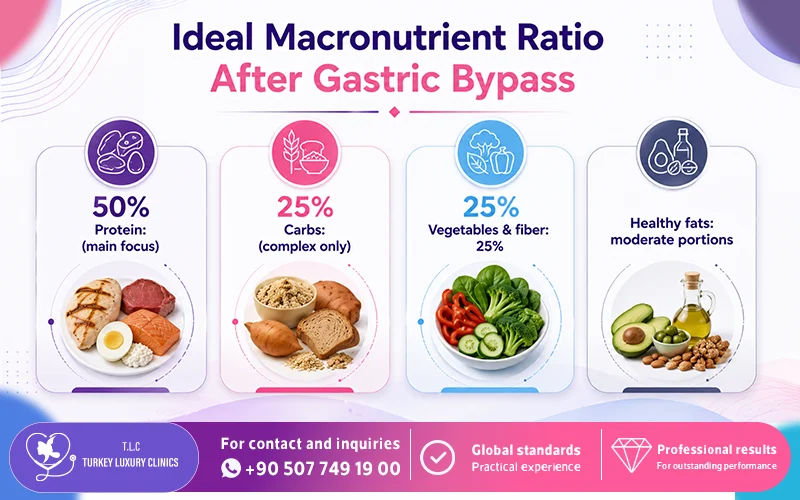
Macronutrient | Plate Percentage | Why It Matters After Gastric Bypass |
Protein | 50% (60–80 g per day) | Preserves lean muscle mass, improves fullness & reduces the risk of long-term weight regain. |
Vegetables & Fiber | 25% | Provides essential vitamins, minerals, and fiber that support digestion and nutritional balance. |
Complex Carbohydrates | 25% | Stable energy levels without rapid blood sugar spikes or dumping syndrome. |
Healthy Fats | Moderate Portions | Hormonal balance, nutrient absorption, and long-term metabolic health |
Calorie Intake Focus on Long-Term Stability
After gastric bypass, long-term calorie intake focuses on maintaining a stable weight rather than strict restriction. Many patients consume around 1,200 to 1,500 calories per day, although actual needs vary based on total daily energy expenditure (TDEE), activity level, age, body composition, and years after surgery.
The goal is not just calorie counting, but maintaining consistent eating habits and balanced nutrition to support long-term weight stability and prevent gradual regain.
Lifelong Vitamins and Supplements After Gastric Bypass
After gastric bypass, vitamin and mineral supplementation is not optional—it is a lifelong medical requirement.
After gastric bypass, key absorption areas for iron, calcium, vitamin B12, and fat-soluble vitamins (A, D, E, K) are bypassed.As a result, long-term nutritional deficiencies may develop if diet and supplementation are not properly managed, making long-term monitoring and supplementation essential for health stability.
Common Nutrient Deficiencies After Gastric Bypass
Nutrient | Why Deficiency Happens | Symptoms of Deficiency |
Vitamin B12 | Reduced absorption in the small intestine | Fatigue, nerve problems |
Iron | Bypassed absorption sites | Anemia, weakness |
Calcium | Reduced intestinal absorption | Bone loss, osteoporosis |
Vitamin D | Fat malabsorption | Weak bones, fatigue |
Essential Lifelong Supplements
- Complete Bariatric Multivitamin
- A high-potency bariatric-specific formula is required instead of a standard multivitamin. It should include vitamins A, E, K, folate, and trace minerals.
- Calcium with Vitamin D
- Recommended intake is typically 1,200–1,500 mg per day, divided into smaller doses to improve absorption and support bone health.
- Vitamin B12
- Usually taken as sublingual tablets or liquid drops due to reduced absorption. Long-term use is often required to prevent fatigue and neurological issues.
- Iron
- Commonly recommended for patients with higher risk of anemia, especially menstruating women, due to reduced iron absorption after surgery
Foods to Avoid After Gastric Bypass Long-Term
After gastric bypass surgery, certain foods can cause digestive discomfort, trigger dumping syndrome, slow weight loss progress, or lead to long-term weight regain. These foods are usually high in sugar, fat, or difficult to digest in the altered digestive system.
1. High-Sugar and Refined Carbohydrates
These foods are rapidly absorbed and can trigger dumping syndrome, causing nausea, cramps, dizziness, and diarrhea.
Avoid:
- Sodas and sweetened drinks
- Candy and chocolate
- Cakes, pastries, and baked goods
- White bread, white rice, and regular pasta
- Fruit juices with added sugar
2. Fried and High-Fat Foods
Fatty foods are harder to digest and may cause nausea, discomfort, and weight regain over time.
Avoid:
- Fried chicken, fries, and fast food
- Processed meats (sausage, bacon)
- Full-fat dairy products
- Butter, cream, and heavy sauces
3. Tough, Dry, or Fibrous Foods
These foods can be difficult to chew and may cause blockage or discomfort in the small gastric pouch if not tolerated well.
Avoid or limit (especially early long-term):
- Tough red meat cuts
- Pork and dry meats
- Nuts and seeds (in large amounts)
- Popcorn
- Raw fibrous vegetables (like celery, raw broccoli, corn husks)
4. Carbonated Drinks and Alcohol
These can interfere with digestion and add empty calories that contribute to weight regain.
Avoid:
- Soda and sparkling drinks
- Beer and wine
- Spirits and alcoholic beverages
- Sugary cocktails
Long Term Eating Habits After Gastric Bypass
1. The 30-Minute No Drinking Rule
Do not drink any liquids 30 minutes before meals, during meals, or for 30 minutes after eating. Drinking with meals can fill the small gastric pouch too quickly and push food through the digestive system before proper digestion occurs.
2. Stay Properly Hydrated
Drink 1.5 to 2 liters (64 oz) of water daily, but only between meals. Avoid straws and carbonated drinks, as they can introduce air into the pouch and cause bloating or discomfort.
3. Stop When You Feel Full or Satisfied
Learn to recognize early fullness signals and stop immediately. Overeating can stretch the gastric pouch and may lead to nausea, vomiting, or long-term weight regain.
4. The 20–20–20 Eating Rule
Chew Food Thoroughly and Eat Slowly and Mindfully. A practical structure to control speed and portion size:
- Chew each bite 20 times before swallowing
- Pause 1 minute between bites
- Limit total meal time to 20 minutes
- Stop immediately if you feel discomfort or chest pressure
Gastric Bypass Diet Years Later: Year 1 vs Year 2 vs Year 5+ Eating Patterns
- 1 Year After (The Rebuilding Phase): Meal size is around 1.2 to 1.5 cups (1,200–1,500 kcal). Focus on transitioning safely to standard solids using moist, soft proteins (shredded chicken breast with broth, scrambled eggs, cottage cheese) and well-cooked, skinless vegetables. Avoid tough red meat or dry chicken.
- 2 Years After (The Stabilization Phase): Pouch capacity holds about 4 to 6 ounces. Focus on expanding food variety safely and introducing controlled complex starches (2 tablespoons of quinoa or brown rice) while strictly preventing grazing habits.
- 5+ Years After (The Maintenance & Rescue Phase): Pouch comforts 6 to 8 ounces. Appetite naturally increases due to metabolic adaptation. Focus is heavily on fighting "Portion Creep" and strictly avoiding "Slider Foods" (chips, pretzels, crackers, popcorn, and sweets) that dissolve quickly, bypass pouch restriction entirely without causing fullness, and trigger weight regain.
Related articles: Gastric Sleeve 10 Years Later: What Will Your Life Look Like
Diarrhea After Gastric Sleeve: Normal Manifestation or Serious Issue
How to Prevent Weight Regain After Gastric Bypass
Weight regain after gastric bypass is not caused by surgery failure but is usually linked to behavioral changes and long-term dietary drift. Over time, gradual increases in portion size, frequent snacking, and higher intake of calorie-dense foods can lead to progressive weight regain.
Common causes include returning to high-sugar foods, consuming liquid calories, grazing between meals, and reduced protein intake. In some cases, pouch stretching may also contribute, especially when portion control is not maintained consistently.
Preventing weight regain requires re-establishing core dietary structure:
- Prioritize protein in every meal
- Avoid liquid calories (sugary drinks, alcohol)
- Maintain structured meal timing (3–5 meals daily)
- Monitor portion sizes consistently
- Avoid grazing or emotional eating patterns
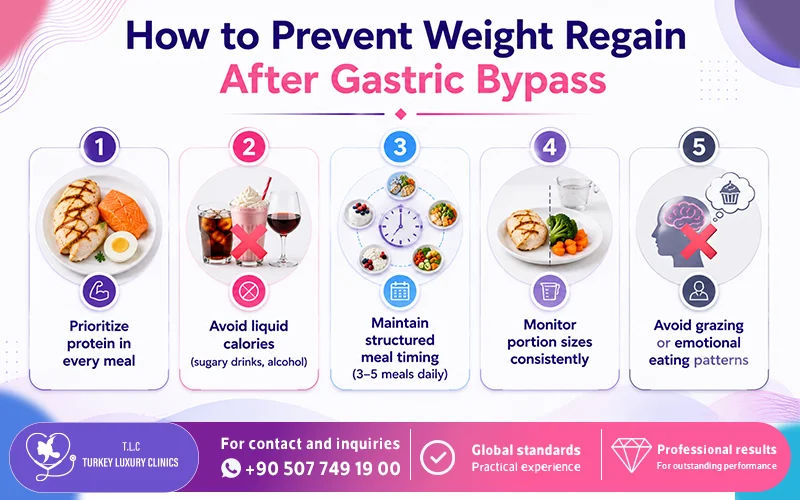
Clinically, patients who actively follow these principles maintain significantly better long-term weight stability, even 5–10 years after surgery.
In most cases, early behavioral correction is far more effective than late intervention, making long-term awareness a key factor in sustained success.
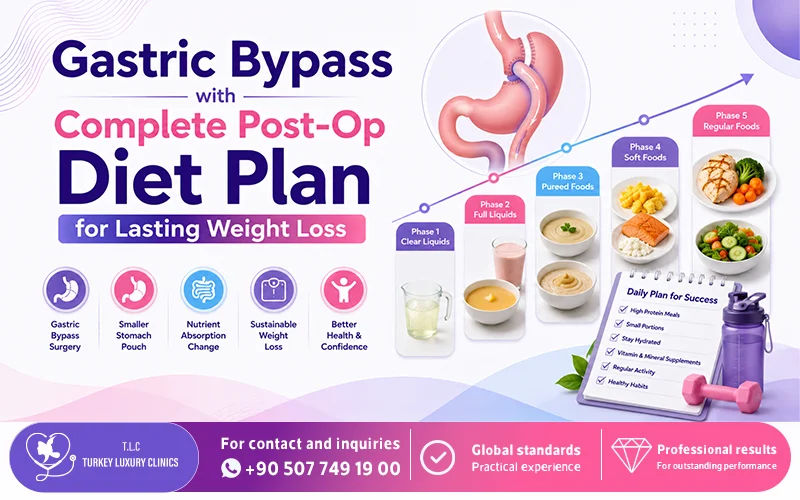
Gastric Bypass with Complete Post-Op Diet Plan for Lasting Weight Loss
Get your gastric bypass with a complete post-operative diet plan designed for long-term weight control. Long-term success depends on structured nutrition, regular follow-up, and professional bariatric support to maintain results and prevent weight regain.
FAQs About Long-Term Diet After Gastric Bypass Surgery