


- What is Hydrogel Injection?
- Hydrogel Injections for Knee Osteoarthritis
- Hydrogel Injection Uses
- HA vs Granular HA vs Arthrosamid Hydrogel Knee Injection
- Hyaluronic Acid vs Arthrosamid (PAAG) Knee Injection Comparison
- Granular HA vs Arthrosamid (PAAG) knee injection Comparison
- Hydrogel Injection Cost 2026
- Knee Hydrogel Injection Cost by Type and Country (2026 Updates)
- Arthrosamid Injection in Turkey: Price and What's Included
- How Hydrogel Knee Injections Work
- Advantages of Hydrogel Knee Injections
- Hydrogel Injection Procedure
- Side Effects of Hydrogel Injections
- Are Arthrosamid Injections Worth It?
- Are You a Candidate for Hydrogel Knee Injection?
- Get Pain-Free Knees-Choose Turkey Luxury Clinics Hydrogel Knee Injection
- FAQs About Hydrogel Injection
Hydrogel injections, also known as “liquid knee replacement,” are injectable viscous polymer materials used to treat knee osteoarthritis, particularly in patients with mild to moderate disease who do not respond adequately to oral medications or physical therapy.
These injections work by enhancing lubrication and cushioning within the knee joint, helping reduce pain, improve joint mobility, and decrease mechanical stress on cartilage and surrounding tissues.
While hyaluronic acid (HA) injections have been used for decades as a form of viscosupplementation, newer hydrogel injections for knee osteoarthritis—such as polyacrylamide hydrogels (e.g., Arthrosamid®), represent a more advanced treatment option.
Unlike traditional HA, these synthetic hydrogels are less rapidly absorbed or degraded by the body, allowing them to integrate with the synovial tissue and form a stable, supportive layer that functions like a liquid knee prosthesis.
By increasing joint cushioning, reducing inflammation, and improving biomechanical support, hydrogel injections can provide longer-lasting symptom relief and functional improvement for patients with persistent knee pain. Commonly referred to as “gel shots,” these injections are minimally invasive and are widely used to delay or avoid surgical intervention in suitable patients.
Hydrogel knee injection cost depends on the type of gel: an Arthrosamid injection costs approximately $1,500 to $2,500 per knee in Turkey, compared with $4,000 to $6,000 in the US and UK, while standard hyaluronic acid (HA) knee gel injections cost $500 to $1,200 per injection in the US and UK and $150 to $450 in Turkey.
What is Hydrogel Injection?
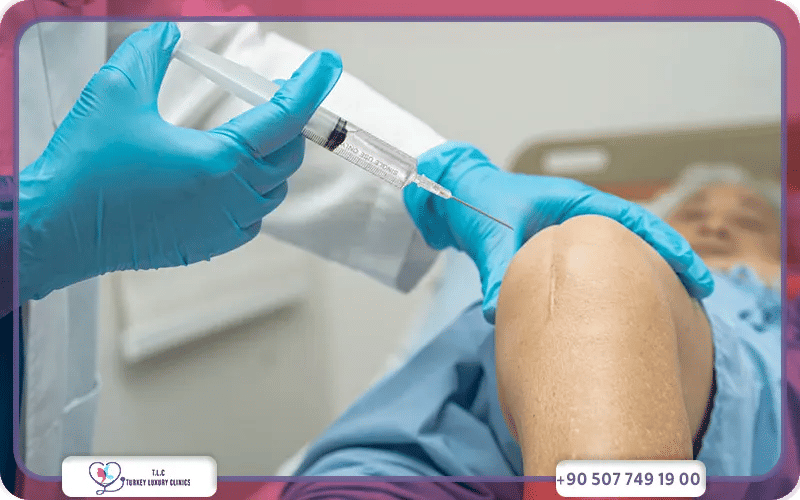
Hydrogel injection is a minimally invasive, non-surgical treatment for knee osteoarthritis that involves injecting a polyacrylamide hydrogel, such as Arthrosamid, directly into the joint.
The injection delivers a safe, non-absorbable, long-lasting polymer composed of approximately 97.5% water and 2.5% polyacrylamide. Once injected, the hydrogel integrates with the synovial tissue, forming a stable, lubricating, and cushioning layer that helps reduce pain and stiffness while improving joint mobility.
The procedure is typically performed by an orthopedic specialist in a clinical setting under local anesthesia. It takes only a few minutes, and patients can usually go home shortly afterward. Unlike hyaluronic acid injections, hydrogel remains in the joint for several years, providing long-lasting relief for many patients with knee osteoarthritis.
Hydrogel Injections for Knee Osteoarthritis
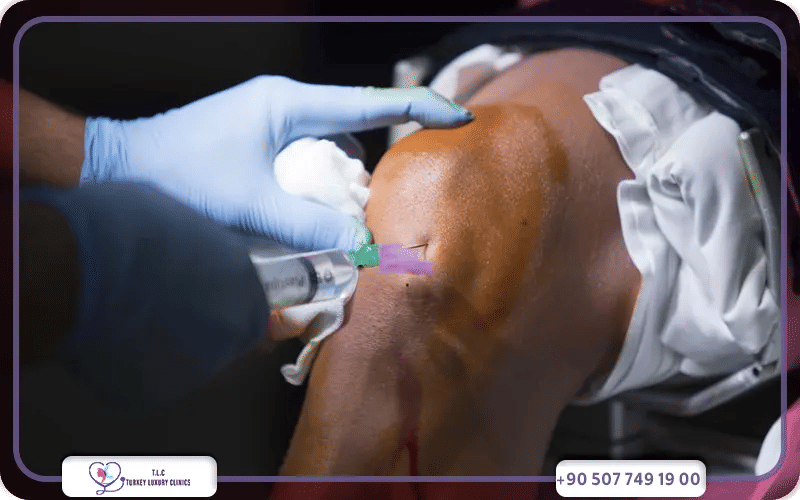
Hydrogel injections, also known as gel shots, are synthetic, non-biodegradable gel composed of Polyacrylamide Hydrogel (PAAG), and are injected directly into the knee joint to treat mild to moderate knee osteoarthritis. They relieve pain and improve joint function, with many patients noticing benefits within four weeks that can last up to three years.
These polyacrylamide hydrogel injections work by increasing the viscosity of synovial fluid, reducing joint inflammation (synovitis), and forming a stable scaffold that cushions the joint and reduces mechanical stress. Clinical studies show significant pain reduction, with some patients experiencing relief for three to five years.
Arthrosamid is a new generation of knee injection made from the non-biodegradable PAAF hydrogel (97.5% water and 2.5% polyacrylamide). Arthrosamid®, represents a next-generation option. Clinicians describe it as a significant advancement because it provides long-lasting integration with the synovial tissue, offering sustained cushioning and joint support rather than temporary lubrication alone.
Unlike traditional, temporary treatments like corticosteroids or hyaluronic acid (HA), which wear off in months, Arthrosamid acts as a permanent, cushioning, and lubricating matrix that integrates into the synovial lining for sustained pain relief, often lasting 3+ years.
Compared with other treatments, they are less invasive than surgical knee replacement, more effective than oral medications, longer-lasting than hyaluronic acid injections, and provide more durable joint lubrication than PRP injections.
Hydrogel Injection Uses
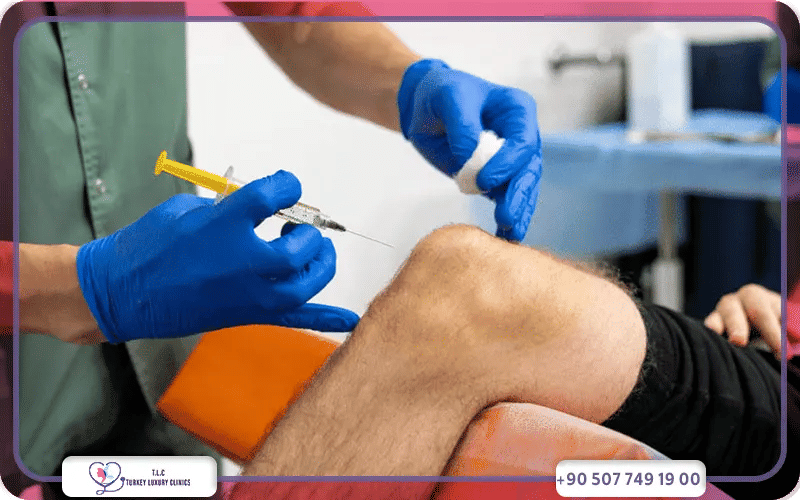
Hydrogel injections are minimally invasive, biocompatible gels used primarily to treat knee osteoarthritis by lubricating the joint, reducing inflammation, and cushioning cartilage.
Hydrogel injections—such as hyaluronic acid (HA), Granular HA, and advanced PAAG (Arthrosamid)—act as lubricants and shock absorbers to reduce knee pain and improve mobility.
Key Hydrogel Uses for Knee Osteoarthritis:
- Viscosupplementation: HA injections restore lubrication in the knee joint, reducing pain and enhancing mobility.
- "Liquid Knee Replacement": Polyacrylamide hydrogels (e.g., Arthrosamid) integrate with the synovial membrane, providing long-lasting cushioning and support, often up to 3 years.
- Cartilage Support: Encourages cell activity to help maintain and repair knee cartilage.
HA vs Granular HA vs Arthrosamid Hydrogel Knee Injection
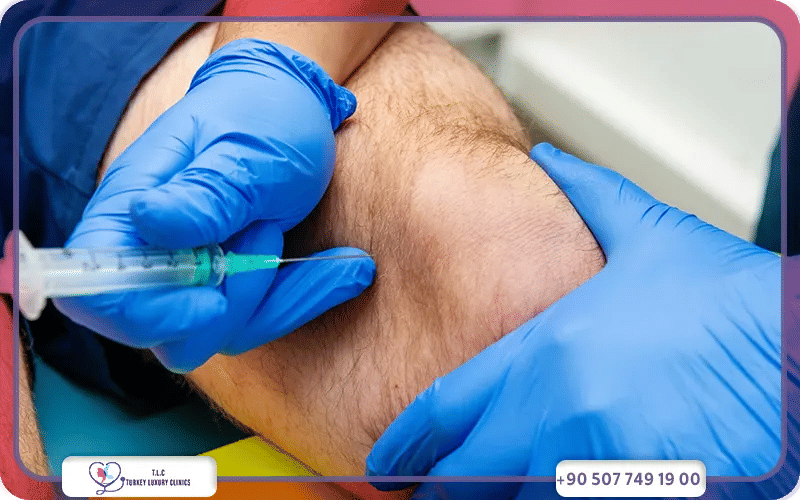
Arthrosamid is a non-biodegradable, long-lasting injection that integrates into the joint lining, offering superior, durable pain relief (up to 3 years) compared to the temporary, biodegradable lubricating effect of Hyaluronic Acid (HA) injections. While HA is effective for 3–6 months for early-stage osteoarthritis (OA), Arthrosamid provides a "cushion" effect, acting as a structural, long-term option for moderate-to-severe OA.
HA Knee Injection
Hyaluronic Acid (HA) hydrogel injections, or viscosupplementation, are a non-surgical, in-office treatment for knee osteoarthritis that injects a natural, gel-like substance directly into the joint. They provide lubrication, shock absorption, reduce inflammation, and can improve mobility for up to 6–12 months, often helping patients delay knee replacement surgery.
Granular HA Knee Injection
Granular Hyaluronic Acid (HA) hydrogel injection is an advanced, injectable material made of packed, fragmented microgels, designed for minimally invasive tissue repair and regeneration, particularly in knee osteoarthritis. Compared with traditional HA gels, this granular structure provides lower injection force, higher porosity, and greater structural integrity, helping improve joint lubrication, reduce pain, and support cartilage health. This newer form of HA offers better viscosity retention, enhanced lubrication, and anti-inflammatory effects that may slow the progression of knee osteoarthritis compared with standard HA injections.
Arthrosamid Knee Injections (PAAG hydrogel injection)
Arthrosamid is a non-biodegradable, 2.5% polyacrylamide hydrogel injection (iPAAG) designed to treat knee osteoarthritis by cushioning the joint, reducing pain, and improving mobility. It works by integrating with the synovial lining of the knee and is injected once under ultrasound guidance, offering long-lasting relief that may last up to 3-5 years.
Hyaluronic Acid vs Arthrosamid (PAAG) Knee Injection Comparison
Feature | Hyaluronic Acid (HA) | Polyacrylamide (iPAAG / Arthrosamid) |
Type | Viscosupplement (Biodegradable) | Permanent Hydrogel Implant |
Duration | 6–12 months | 3–5+ years |
Mechanism | Improves joint lubrication | Integrates into the synovial membrane |
Typical Cost Range | $300 – $1,000 | $2,500 – $4,000 |
Common Side Effects | Temporary swelling, injection flare | Mild soreness, localized stiffness |
Granular HA vs Arthrosamid (PAAG) knee injection Comparison
Feature | Arthrosamid (PAAG) | Granular HA |
Composition | Cross-linked polyacrylamide + Water | Granular, cross-linked Hyaluronic Acid |
Duration | Long-acting (>1–3+ years) | Moderate (3–6+ months) |
Mechanism | Integrates into synovial membrane, cushions | Lubricates, reduces viscosity loss |
Ideal Candidate | Knee OA (Grade II–IV), long-term relief | Knee OA, faster-acting lubrication |
Degradability | Non-biodegradable | Biodegradable |
Arthrosamid (polyacrylamide hydrogel, PAAG) and Granular Hyaluronic Acid (HA) Hydrogel are both advanced, non-surgical, intra-articular injections for knee osteoarthritis, but differ in durability and mechanism. Arthrosamid is a non-biodegradable, long-lasting (over 1-2 years) injection that integrates into the synovial membrane for cushioning. HA hydrogels typically provide faster lubrication, but offer shorter-lasting relief (3-6 months).
Hydrogel Injection Cost 2026
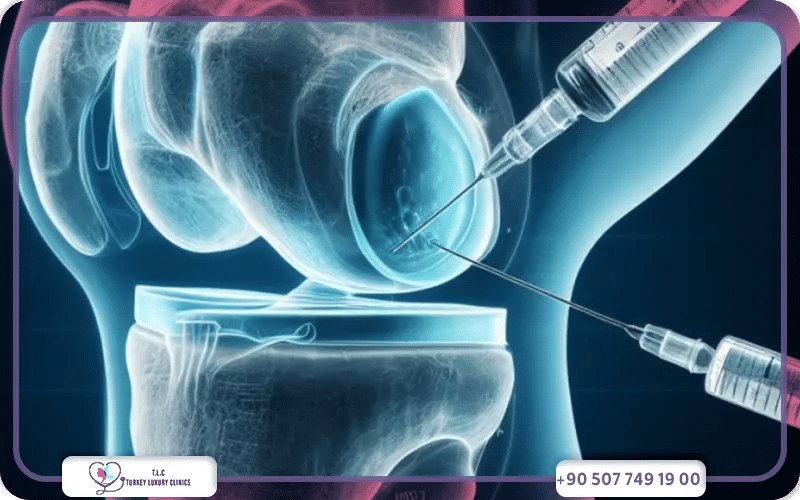
Hydrogel injection costs vary significantly depending on the medical application (orthopedic vs. oncology), the specific brand (e.g., Arthrosamid vs. SpaceOAR), and your geographic location.
Hydrogel knee injection cost depends on type of hydrogel (HA vs PAAG), number of sessions (1 vs 3), and clinic location (Turkey vs Western countries).
For Arthrosamid knee injection, prices range from $3,700 to $4,300 per knee in the UK, $4,000 to $5,000 in Australia, Europe and Canada, and approximately $1,500 to $2,500 in Turkey.
Hyaluronic acid (HA) knee injections, such as Synvisc, Orthovisc, and Euflexxa, are typically less expensive than PAAG knee injections such as Arthrosamid.
HA knee gel injections come in two formats: single-injection brands such as Synvisc-One, Durolane, and Monovisc, given as one shot, and multi-injection series such as Hyalgan, Supartz FX, and Euflexxa, given as 3 to 5 weekly shots.
A single HA injection costs between $500 and $1,200, while a full series of three to five injections can total $1,200 to $3,000. In Turkey, HA knee injections are more affordable, ranging from $150 to $450 per injection.
Knee Hydrogel Injection Cost by Type and Country (2026 Updates)
Injection Type | USA & UK | Turkey |
Arthrosamid (PAAG) | $4,000 – $6,000 | $1,500 – $2,500 |
Standard HA | $500 – $1,200 | $150 – $450 |
Granular HA | $1,000 – $2,000 | $300 – $600 |
Are Hydrogel Knee Injections Covered by Insurance?
Hydrogel or hyaluronic acid (gel) knee injections are generally covered by most private insurance plans and Medicare when deemed medically necessary for treating knee osteoarthritis. Coverage typically requires proof of failed conservative treatments, such as physical therapy or pain medication, and often requires pre-authorization.
Private insurers frequently cover standard gel injections only after prior authorization and step-therapy requirements are met. Under Original Medicare (Part B), patients without a supplemental plan typically pay the Part B deductible plus 20% coinsurance, while many patients with Medigap coverage pay $0 out of pocket.
What Is Included in the Hydrogel Injection Price Quote?
Feature | USA & UK | Turkey (All-inclusive) |
Consultation | Included in injection kit | Included in package |
Imaging (Ultrasound/Scan) | Billed separately | Included |
Facility Fee | Billed separately | Included |
Anesthesia | Billed separately | Local anesthesia included |
Cost Transparency | Less predictable, add-on fees | Fixed package pricing |
In the US, UK, and other Western countries, a hydrogel knee injection price quote typically covers only the injection kit, which includes the hydrogel medication and the tools used for the procedure. All additional services are usually billed separately, each with its own medical billing code. These extra charges may include:
- Initial orthopedic consultation
- Ultrasound or imaging guidance
- Facility or hospital fees
- Anesthesia or local numbing medication
- Follow-up visits
Unlike medical tourism destinations such as Turkey, where clinics often offer a single, all-inclusive package price, Western clinics generally itemize costs. This makes the final bill harder to predict and often higher than the original quote.
Turkey is among the most affordable and convenient destinations for hydrogel knee injections. All-inclusive packages can save patients around 50–70% of the total procedure cost. These packages typically cover the hydrogel injection and procedure, imaging, consultation, accommodation, airport transfers, and translation services—making pricing more transparent and the overall experience more comfortable.
Factors Affecting the Cost of Hydrogel Injections
- Imaging guidance: Using ultrasound or fluoroscopy to ensure accurate injection placement can increase the total cost by $150–$300.
- Clinic type: Independent orthopedic or sports medicine clinics generally charge less than hospital outpatient departments, which include higher facility and administrative fees.
- Insurance coverage: Medicare and most private insurers often cover standard hyaluronic acid (HA) injections after conservative treatments fail. Long-lasting hydrogels such as Arthrosamid are typically considered self-pay treatments.
- Clinic location: Prices are higher in Western countries like the US, UK, and Europe. Medical tourism destinations such as Turkey usually offer hydrogel injections at 50–70% lower costs, often bundled with consultations and follow-up care.
- Type of treatment: Knee hydrogel injections for osteoarthritis are generally more affordable than specialized uses. For example, hydrogel injections for prostate cancer protection (e.g., SpaceOAR) can cost between $6,000 and $10,700 due to their advanced oncologic application.
- Type of hydrogel injection: Newer single-injection treatments like Arthrosamid may cost more per session. SpaceOAR Hydrogel: Used for prostate radiation protection, the average cost is around $7,800.
- Brand Differences: Costs vary by the specific hyaluronic acid brand, with Orthovisc ($52) and Hyalgan ($44) being more affordable, while Monovisc ($349) is higher.
Arthrosamid Injection in Turkey: Price and What's Included
An Arthrosamid injection in Turkey costs approximately $1,500 to $2,500 per knee, compared with $4,000 to $6,000 in the US, Europe, and Canada. The treatment is a quick outpatient procedure performed under local anesthesia.
What affects the Arthrosamid price in Turkey:
- Number of knees: Treating one knee or both knees changes the total package price.
- Clinic and city: Prices vary between cities such as Istanbul and Antalya, and between accredited hospitals and private orthopedic clinics.
- Included services: Check whether the consultation, ultrasound guidance, diagnostic imaging, and follow-up visits are included in the quoted price.
At Turkey Luxury Clinics, Arthrosamid knee injection packages are all-inclusive, covering the injection and procedure, imaging, consultation, accommodation, airport transfers, and translation services.
How Hydrogel Knee Injections Work
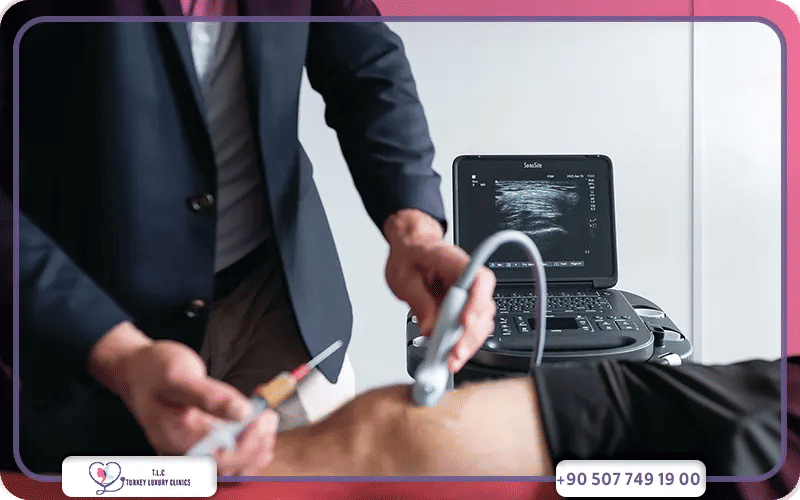
Lubrication and Cushioning:
Hydrogel injections restore the viscosity of synovial fluid, allowing the joint surfaces to move more smoothly. This cushioning effect reduces friction and mechanical stress inside the knee.
Tissue Integration:
The hydrogel integrates with the synovial membrane (joint lining), helping thicken and stabilize it while reducing inflammation (synovitis).
Scaffolding Effect:
Once injected, the gel forms a stable, supportive structure within the joint. This improves load distribution, enhances shock absorption, and supports overall joint elasticity.
Advantages of Hydrogel Knee Injections
- Long-lasting relief: Unlike hyaluronic acid injections, non-biodegradable hydrogels can provide symptom relief for several years after a single injection.
- Minimally invasive: The procedure is quick, performed under local anesthesia, and typically guided by ultrasound for accuracy.
- Reduced pain and stiffness: Patients often experience improved mobility, less joint stiffness, and better quality of life.
Hydrogel Injection Procedure
Hydrogel knee injection is a minimally invasive procedure involving a 30-45 minute clinic visit where the gel is injected into the joint under ultrasound guidance to provide cushioning.
Steps are simple and patients can return to normal life in the same day. Steps include:
- Preparation:
- The knee is sterilized, and a local anesthetic is used to numb the skin and joint area.
- Injection:
- Using ultrasound guidance, the hydrogel is injected directly into the joint space to ensure precise placement.
- Aftercare:
- Patients are advised to rest and avoid strenuous activity for a few days, followed by a gradual return to normal movement and daily activities.
Side Effects of Hydrogel Injections
Side effects of hydrogel knee injections are generally mild and temporary, most commonly including pain, swelling, tenderness, and bruising at the injection site. Rarely, more serious complications can occur, such as infection (including pseudoseptic reactions), filler migration, allergic reactions, or, in pelvic applications, tissue necrosis and fistula. Patients are often advised to avoid strenuous, weight-bearing activities (e.g., jogging, heavy lifting) for 48 hours after the injection.
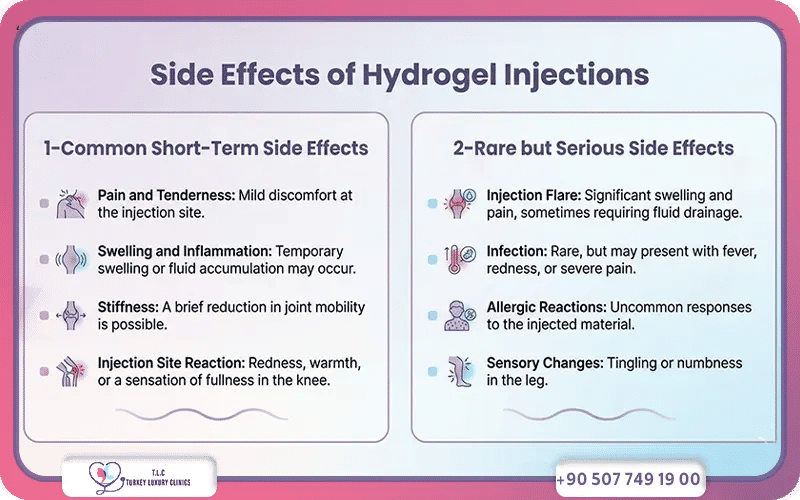
Common Short-Term Side Effects
- Pain and Tenderness: Mild discomfort at the injection site.
- Swelling and Inflammation: Temporary swelling or fluid accumulation may occur.
- Stiffness: A brief reduction in joint mobility is possible.
- Injection Site Reaction: Redness, warmth, or a sensation of fullness in the knee.
Rare but Serious Side Effects
- Injection Flare: Significant swelling and pain, sometimes requiring fluid drainage.
- Infection: Rare, but may present with fever, redness, or severe pain.
- Allergic Reactions: Uncommon responses to the injected material.
- Sensory Changes: Tingling or numbness in the leg.
Are Arthrosamid Injections Worth It?
Arthrosamid injections can be worth it for people with mild-to-moderate knee osteoarthritis who want long-lasting pain relief without repeated short-term treatments or immediate surgery.
Benefits | Limitations |
One injection can provide cushioning for 2 to 5 years | Higher upfront cost than hyaluronic acid injections |
Around 70% to 75% of suitable patients report good improvement in pain and mobility | Not a cure: it does not regenerate cartilage or reverse osteoarthritis |
Replaces repeated steroid or HA injection courses | Not effective for severe, bone-on-bone arthritis |
The gel permanently integrates into the joint lining to reduce friction | It cannot be removed and stays in the knee if you later need a knee replacement |
Are You a Candidate for Hydrogel Knee Injection?

Hydrogel knee injections, such as Arthrosamid®, are typically recommended for adults with mild-to-moderate knee osteoarthritis (Kellgren-Lawrence grades 2–3) who experience ongoing pain, stiffness, or reduced mobility.
Ideal Candidates:
- Condition Severity: Best for mild to moderate knee osteoarthritis.
- Failed Conservative Treatments: Patients who have not found relief from physiotherapy, oral medications, or other injections.
- Surgery Alternative or Delay: Those looking to postpone or avoid knee replacement surgery.
- Age & Activity Level: Usually middle-aged to older adults, including patients who may not be ideal surgical candidates due to other health concerns.
- Lifestyle Needs: Active individuals seeking improved joint lubrication and reduced pain.
Who Should NOT Get Hydrogel Knee Injections:
- Patients with an active knee or skin infection.
- Individuals with an allergy to hydrogel components.
- Those with severe or end-stage “bone-on-bone” arthritis, where surgery may be necessary.
Get Pain-Free Knees-Choose Turkey Luxury Clinics Hydrogel Knee Injection
If persistent knee pain is holding you back, don’t wait for surgery. At Turkey Luxury Clinics, we provide expert hydrogel injections with advanced imaging guidance, all-inclusive care, and personalized follow-up to ensure lasting relief. Benefit from minimally invasive, long-lasting treatment at a fraction of Western prices, all while enjoying world-class service and comfort. Book your consultation today and take the first step toward smoother, pain-free movement!
Interesting reads
Stem Cell Therapy for Knees: A New Hope for Severe Pain
Total Knee Replacement (TKR): the full guide.
Partial Knee Replacement in Turkey: Technology, Recovery & Costs
Minimally Invasive Knee Replacement in Turkey: Expert Care & Fast Recovery
FAQs About Hydrogel Injection