


- What is a Tonsillectomy and Adenoidectomy?
- Tonsillectomy vs Adenoidectomy
- Intracapsular Tonsillectomy and Adenoidectomy
- Tonsillectomy and Adenoidectomy in Kids
- Reasons for Tonsillectomy and Adenoidectomy Surgery
- Benefits of Tonsillectomy and Adenoidectomy in Kids
- Tonsillectomy and Adenoidectomy Procedure
- What to Expect During the Tonsillectomy and Adenoidectomy Procedure
- Tonsillectomy and Adenoidectomy Recovery in Children
- When to Call the Doctor: Signs of Complications
- Tonsillectomy and Adenoidectomy Medical Tourism in Turkey
- FAQs About Tonsillectomy and Adenoidectomy
Tonsillectomy and Adenoidectomy in Children is a common surgery for children who have repeated throat infections, loud snoring, or breathing difficulties during sleep. This safe and effective T&A procedure helps improve breathing, reduce infections, and support healthier sleep and daily activity.
In this guide, parents will find clear, reliable information about tonsillectomy and adenoidectomy in children, including why the surgery is needed, how the procedure works, recovery stages, diet recommendations, and warning signs. It’s designed to help parents feel informed, confident, and prepared throughout the child’s T&A recovery process.
What is a Tonsillectomy and Adenoidectomy?
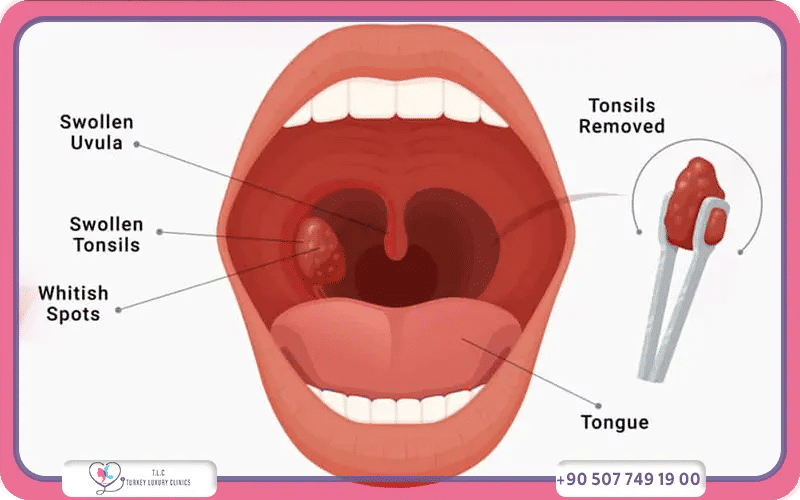
A tonsillectomy and adenoidectomy is a surgical procedure that removes the tonsils, located at the back of the throat, and the adenoids, which are located behind the nose. When performed together, the procedure is also known as tonsillectomy with adenoidectomy or adenotonsillectomy (T&A).
This combined surgery is commonly performed in children who experience recurrent throat infections, breathing problems such as obstructive sleep apnea, or swallowing difficulties caused by enlarged or chronically inflamed lymphoid tissue. The procedure is performed under general anesthesia, with the tissue removed through the mouth.
The main goals of tonsillectomy and adenoidectomy are to improve breathing, reduce repeated infections, and resolve sleep-related issues. Recovery usually takes a few weeks and involves throat discomfort, pain management, dietary adjustments, and a short break from school.
Tonsillectomy vs Adenoidectomy
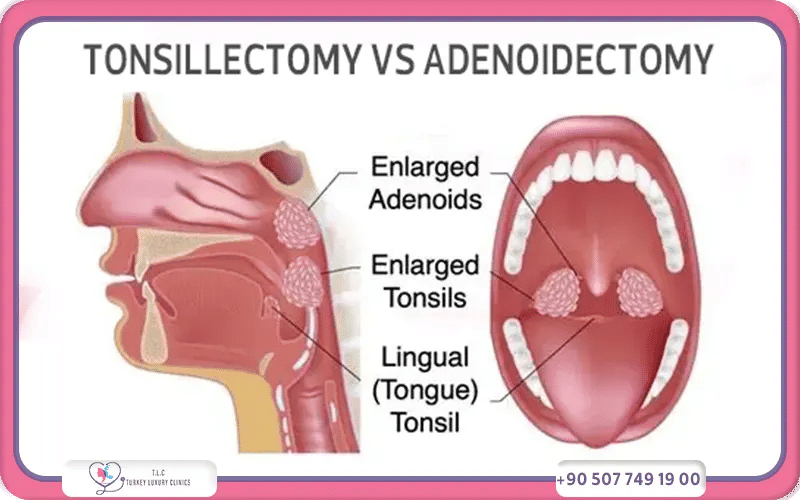
Although both procedures involve removing lymphoid tissue, they target different anatomical areas and are recommended for different symptoms. A standalone tonsillectomy is typically performed for recurrent throat infections or tonsillar obstruction, while an adenoidectomy primarily addresses nasal or ear-related issues. However, in many cases, both tissues are enlarged and contribute to breathing difficulties or repeated infections.
Tonsillectomy with Adenoidectomy (T&A)
A denotonsillectomy (removal of both the tonsils and adenoids) is preferred over a tonsillectomy alone when problems involve both the throat and the nasal or upper airway, such as severe snoring, obstructive sleep apnea (OSA), chronic mouth breathing, or recurrent ear infections. Enlarged adenoids can block airflow in the nasal passages, so removing them along with problematic tonsils often provides more complete symptom relief.
Adenoidectomy
An adenoidectomy alone involves removing the adenoids, a mass of lymphatic tissue located behind the nose and above the soft palate. This procedure is usually recommended for children with chronic nasal congestion, persistent mouth breathing, loud snoring, or recurrent ear infections caused by enlarged or infected adenoids. Removing the adenoids can improve nasal breathing and reduce ear-related complications.
Tonsillectomy
A tonsillectomy alone removes the tonsils located on both sides at the back of the throat. It is commonly performed in cases of recurrent tonsillitis or when enlarged tonsils contribute to sleep-disordered breathing, such as snoring or obstructive sleep apnea. Removing the tonsils helps reduce repeated throat infections and improves airflow during sleep.
In some cases the surgeon removes only part of the tonsils, rather than the entire tonsils removal. This case is called tonsillotomy, or intracapsular tonsillectomy.
Intracapsular Tonsillectomy (Tonsillotomy)
An intracapsular tonsillectomy, also called a tonsillotomy (partial tonsil removal), removes most of the tonsil tissue—usually the portion causing obstruction—while leaving the protective capsule intact. By preserving this layer, the procedure reduces pain, bleeding, and recovery time compared with a traditional tonsillectomy, which removes the entire tonsil along with its capsule.
Because the underlying throat muscles remain protected, intracapsular tonsillectomy is often ideal for children with sleep apnea or frequent tonsillitis. It removes problematic tissue while preserving healthy tonsil tissue, making recovery smoother and safer.
Intracapsular Tonsillectomy and Adenoidectomy
Intracapsular tonsillectomy with adenoidectomy (T&A) is a less invasive surgery for children. Surgeons remove most of the tonsil tissue but leave a thin protective layer (the capsule), which reduces pain, bleeding risk, and speeds up recovery compared with traditional full tonsillectomy. The adenoids, however, are typically removed completely. There is a small chance of tonsil regrowth, but this approach is often preferred for children with obstructive sleep apnea.
Tonsillectomy and Adenoidectomy in Kids

A tonsillectomy with adenoidectomy (T&A) is a safe and very common childhood surgery performed to remove both the tonsils and adenoids in children who suffer from breathing problems such as snoring or obstructive sleep apnea, recurrent throat infections like tonsillitis, or chronic ear issues. The procedure addresses enlarged or infected lymphoid tissue that may block the airway or cause repeated infections.
Although it is considered a major surgery, T&A is performed under general anesthesia by an ENT surgeon, with both the tonsils and adenoids removed through the mouth and without any external skin incisions. The surgical procedure itself usually takes 30 to 60 minutes. It is typically done as an outpatient procedure, with the total time the child is away from family—including preparation, anesthesia, surgery, and recovery—often lasting two hours or more. Most children are discharged home on the same day.
At home, recovery commonly involves throat pain, mild fever, and occasional vomiting, all of which are normal after surgery. Careful attention to hydration, pain management, and rest is required for up to two weeks while the throat heals. Overall, tonsillectomy with adenoidectomy is considered a safe and effective procedure for children.
Reasons for Tonsillectomy and Adenoidectomy Surgery
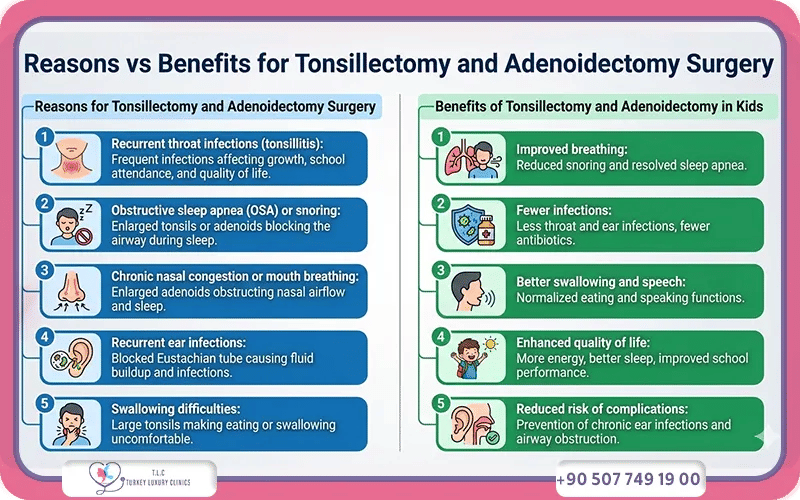
Tonsillectomy and adenoidectomy surgery is usually recommended when enlarged or chronically infected tonsils and adenoids cause medical problems. Common reasons include:
- Recurrent throat infections (tonsillitis): Frequent infections can affect growth, school attendance, and quality of life.
- Obstructive sleep apnea (OSA) or snoring: Enlarged tonsils or adenoids can block the airway during sleep, causing breathing difficulties.
- Chronic nasal congestion or mouth breathing: Enlarged adenoids can obstruct nasal airflow, leading to persistent mouth breathing and sleep issues.
- Recurrent ear infections: Enlarged adenoids can block the Eustachian tube, causing fluid buildup and ear infections.
- Swallowing difficulties: Large tonsils may make eating or swallowing uncomfortable.
Benefits of Tonsillectomy and Adenoidectomy in Kids
Removing the tonsils and adenoids provides several health and lifestyle benefits for children:
- Improved breathing: Reduces snoring and resolves sleep apnea, promoting better rest and overall health.
- Fewer infections: Minimizes repeated throat and ear infections, reducing antibiotic use and doctor visits.
- Better swallowing and speech: Enlarged tonsils or adenoids can interfere with eating or speaking; removal helps normalize these functions.
- Enhanced quality of life: Children often have more energy, better sleep, and improved school performance after recovery.
- Reduced risk of complications: Prevents chronic ear infections and potential airway obstruction.
Tonsillectomy and Adenoidectomy Procedure
Tonsillectomy with adenoidectomy (T&A) is performed under general anesthesia. The surgeon removes the tonsils and adenoids through the mouth using techniques such as cold dissection, diathermy (heat), or coblation (radiofrequency). Bleeding is controlled with heat or stitches as needed.
T&A is often done as an outpatient procedure. After surgery, the child is moved to a recovery room to wake from anesthesia, and most children go home the same day with detailed instructions for pain management, rest, and hydration.

How to Prepare for Tonsillectomy and Adenoidectomy Procedure
Preparing your child for an adenoidectomy with tonsillectomy involves several important steps to ensure safety and a smooth recovery.
- Weeks before surgery, follow your doctor’s instructions regarding medications. Some drugs, such as aspirin, ibuprofen, or other blood-thinning medications, may need to be stopped. Complete any required medical tests and inform your doctor about any recent illnesses, like a cold or flu, since surgery may need to be postponed. Discuss concerns such as anesthesia, bleeding disorders, or family medical history
- The day before and the day of surgery require strict fasting. Solid foods should be stopped 6–8 hours before surgery, depending on your child’s age, and clear liquids about 2 hours prior. Nothing should be eaten or drunk in the final two hours before anesthesia. Give your child a bath the night before and pack comfort items such as a favorite blanket, toy, or book. Bring a complete list of all medications with their doses to the hospital.
- Prepare for post-operative care at home. Stock up on soft foods like mashed potatoes, yogurt, pudding, ice cream, soups, and other easy-to-swallow items. Arrange for someone to help your child with fluids, meals, and pain medication such as acetaminophen (Tylenol). Calmly explain the procedure in age-appropriate terms to reduce anxiety.
What to Expect During the Tonsillectomy and Adenoidectomy Procedure
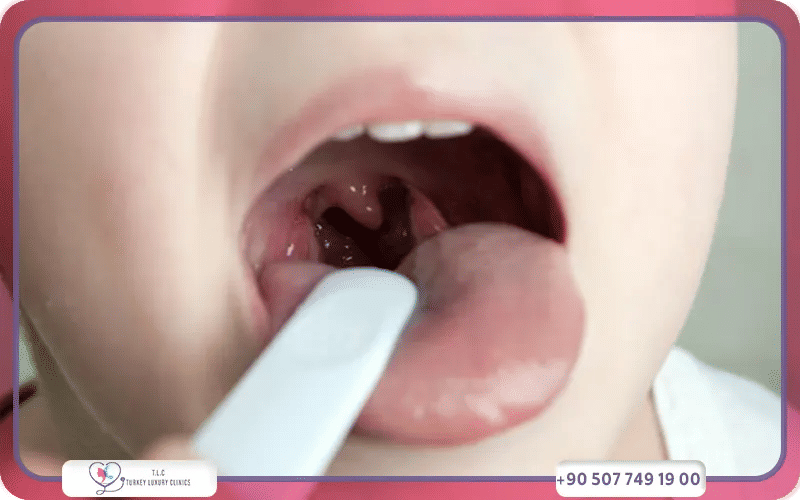
During the surgery, your child will receive general anesthesia, meaning they will be completely asleep and feel no pain. An IV line is placed for fluids and medications, and a breathing tube is inserted. A mouth gag holds the mouth open for the surgeon to access the tonsils and adenoids.
The adenoids are removed through the mouth using techniques such as a microdebrider, electrocautery, or coblation. The tonsils are then removed using one of several methods:
- Cold Dissection: A surgical knife separates the tonsil from the underlying muscles.
- Diathermy: Heat from an electric current cuts tissue and seals blood vessels.
- Coblation: Radiofrequency energy in saline gently removes tissue with less heat, reducing pain and swelling.
- Harmonic Scalpel: Ultrasound vibrations simultaneously cut and cauterize tissue.
The final step is controlling any bleeding, usually with cautery, heat, or gentle pressure. The entire procedure typically takes 30–60 minutes. After surgery, your child wakes up in a recovery area, where nurses monitor pain, nausea, and overall condition. Most children are discharged the same day once they can eat, drink, and walk safely. In some cases, especially for very young children or more complex procedures, an overnight hospital stay may be necessary.
Tonsillectomy and Adenoidectomy Recovery in Children
Recovery after a tonsillectomy and adenoidectomy typically takes 10–14 days, with full healing around three weeks. During this time, children often experience sore throat, pain, fatigue, and dietary restrictions.
Proper care, hydration, soft foods, and pain management are crucial to ensure a safe and smooth recovery. Avoiding crowds, strenuous activity, and contact sports also helps prevent complications like post-operative bleeding, which is most common immediately after surgery and around days 5–10.
Parents play a key role in recovery by ensuring pain medication is given on schedule, encouraging hydration, monitoring for complications, and providing rest and comfort during the healing process.
Tonsillectomy and Adenoidectomy Recovery Stages:
Stage 1 (Days 1–3):
- Symptoms: Pain, sore throat, mild fever, and bad breath.
- Care: Rest is crucial during the first 48 hours. Offer plenty of fluids like water, ice chips, cool milk, or apple juice (cold or room temperature). Avoid hot drinks completely.
Stage 2 (Days 4–8):
- Symptoms: Pain often peaks during days 5–8. White or yellowish scabs may appear in the throat, sometimes with small blood spots. Children may still feel tired.
- Care: Continue regular pain medication such as acetaminophen or ibuprofen. Keep the diet soft and cold—yogurt, pudding, mashed potatoes, ice cream, and soups are ideal.
Stage 3 (Days 8–14):
- Symptoms: Pain begins to subside, energy improves, and most children start feeling stronger.
- Care: Gradually reintroduce soft solid foods based on your child’s comfort. Continue avoiding crispy, hot, or spicy foods. Some children may return to school during this stage.
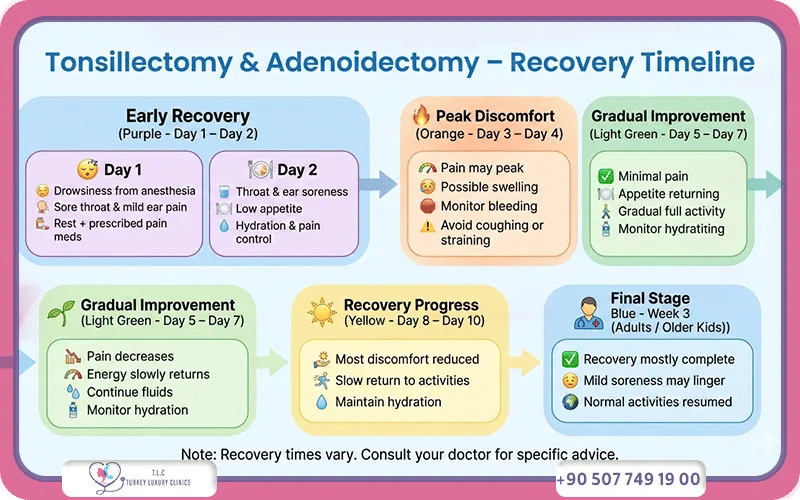
Tonsillectomy & Adenoidectomy Recovery Timeline (Day-by-Day)
| Day | Symptoms / Care Tips |
| Day 1 (Surgery Day) | Drowsiness from anesthesia, sore throat, mild ear pain. Rest, pain meds as prescribed. |
| Day 2 | Throat and ear soreness, low appetite, possible mild bad breath. Continue hydration and pain management. |
| Day 3–4 | Pain may peak, swelling possible, monitor for bleeding. Encourage rest, avoid straining or coughing. |
| Day 5–7 | Gradual improvement, slight energy return. Monitor hydration and pain levels. |
| Day 8–10 | Most discomfort reduced, slow return to normal activities. Continue fluids. |
| Day 11–14 | Pain minimal, appetite returning, full activity gradually. |
| Week 3 (Adults / Older Kids) | Recovery mostly complete, mild soreness may linger. Return to normal activities. |
Diet Progression After Tonsillectomy & Adenoidectomy
| Stage / Day | Recommended Foods / Fluids |
| Day 1 | Ice chips, water, clear broths, apple juice (avoid citrus/red liquids). |
| Day 2 | Popsicles, yogurt, pudding, gelatin, milkshakes, smoothies (no seeds). |
| Day 3–4 | Mashed potatoes, oatmeal, scrambled eggs, soft pasta, creamy soups. |
| Day 5–7 | Soft fruits (banana, ripe avocado), soft cooked vegetables, rice, soft bread. |
| Day 8–10 | Soft solids, mild cheeses, noodles, soups. Avoid crunchy/spicy foods. |
| Day 11–14 | Slowly reintroduce normal foods, still avoid very hard/crunchy/spicy items. |
| Week 3 | Resume normal diet, avoid very hot or irritating foods if still sensitive. |
When to Call the Doctor: Signs of Complications
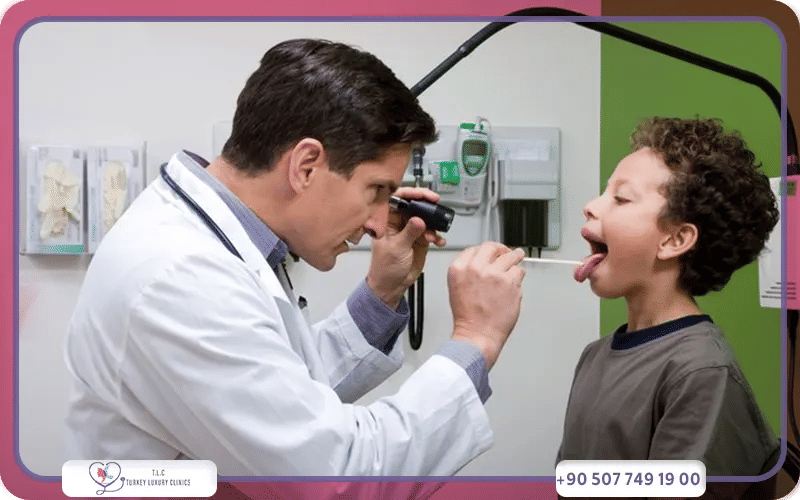
After a tonsillectomy and adenoidectomy, most children recover without serious issues, but parents need to watch for warning signs. Contact your doctor immediately if your child experiences:
- Bleeding: Any significant bleeding from the mouth or throat, especially 5–10 days after surgery, which is a common risk period.
- High or Persistent Fever: A fever that doesn’t respond to prescribed medication.
- Dehydration: Refusal to drink, very little urine, dry lips, or lethargy.
- Severe Pain: Pain that cannot be controlled with prescribed medications or seems unusually intense.
Tonsillectomy and Adenoidectomy Medical Tourism in Turkey
Turkey offers safe, affordable, and high-quality tonsillectomy and adenoidectomy procedures for international patients. JCI-accredited hospitals and internationally trained ENT specialists provide premium care with high success rates (95%+). The cost for adenotonsillectomy (tonsil and adenoid removal) in Turkey generally ranges from $1,000 to $3,850 USD, with many packages falling around $2,000–$3,500 USD, covering initial consultation, tests, surgery, and follow-ups, offering significant savings compared to Western countries.
For a seamless experience, Turkey Luxury Clinics provides full support for international patients, from arranging consultations and hospital admission to post-operative care and follow-ups. Let our expert team guide you every step of the way to ensure a safe, comfortable, and stress-free journey. Contact Turkey Luxury Clinics today to schedule your consultation and start your path to better health.
You may like:
Tonsillectomy Diet Day by Day for Adults: Smooth, Pain-Free Recovery
Cost of tonsil removal surgery 2026 updates
FAQs About Tonsillectomy and Adenoidectomy