

- What to Consider When Choosing a Diet After Tonsillectomy
- What to Eat After a Tonsillectomy
- Tonsillectomy Diet Day by Day for Adults
- Diet Progression After Tonsillectomy for Adult
- What to Eat After Tonsillectomy Day-by-Day
- Food to Avoid During Tonsillectomy Recovery
- Foods That Support Faster Recovery After Adult Tonsillectomy
- Tips for Smooth, Fast, and Pain-Free Recovery After Tonsillectomy:
- Tonsillectomy at Turkey Luxury Clinics
Adult tonsillectomy recovery usually takes 10–14 days. Many people wonder what they can eat during this time to swallow more easily, minimize pain, and support proper healing. After a tonsillectomy, hydration is the top priority.
After a tonsillectomy, staying hydrated is very important. Drink 4–6 glasses of fluids daily. Start with cold, clear liquids, then slowly move to soft foods as you feel comfortable. This gradual approach helps prevent dehydration, reduce pain, and lower the risk of bleeding.
At Turkey Luxury Clinic, we support patients with a day-by-day adult tonsillectomy diet plan, guiding them on the best foods for smooth healing and clearly explaining which foods to avoid during recovery.
What to Consider When Choosing a Diet After Tonsillectomy
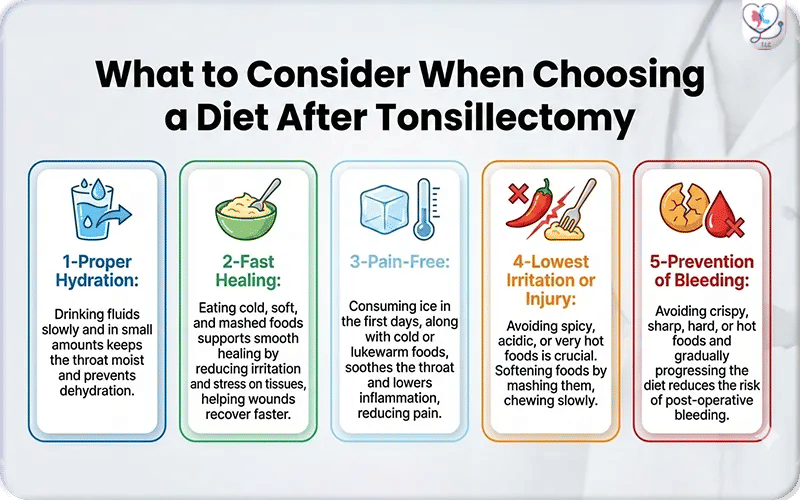
- Proper Hydration: Drinking fluids slowly and in small amounts keeps the throat moist and prevents dehydration.
- Fast Healing: Eating cold, soft, and mashed foods supports smooth healing by reducing irritation and stress on tissues, helping wounds recover faster.
- Pain-Free: Consuming ice in the first days, along with cold or lukewarm foods, soothes the throat and lowers inflammation, reducing pain.
- Lowest Irritation or Injury: Avoiding spicy, acidic, or very hot foods is crucial. Softening foods by mashing them, chewing slowly, and swallowing gently prevents scratching or damaging sensitive tissue.
- Prevention of Bleeding: Avoiding crispy, sharp, hard, or hot foods and gradually progressing the diet reduces the risk of post-operative bleeding.
What to Eat After a Tonsillectomy
After a tonsillectomy, focus on a soft, cold, and bland diet to minimize pain and prevent bleeding. Key foods include ice cream, yogurt, puddings, mashed potatoes, applesauce, scrambled eggs, and smoothies. Hydration is critical, requiring 4-6 glasses of liquid daily (water, non-citrus juices, popsicles) to prevent dehydration and scabs from drying.
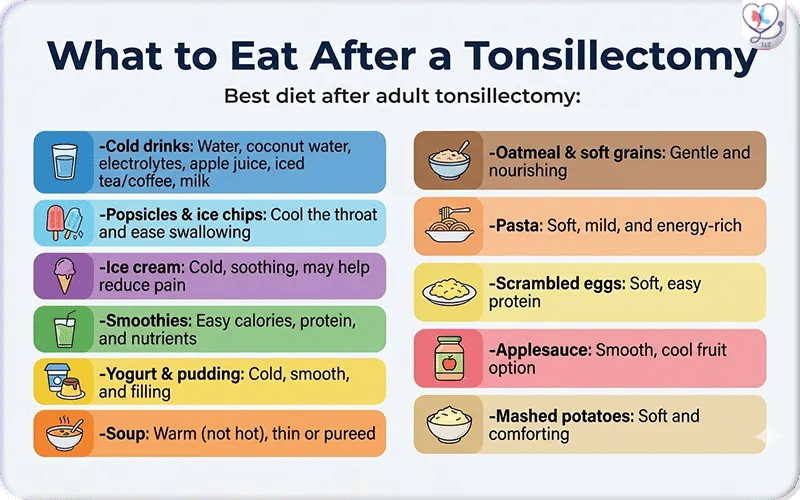
Best diet to eat after adult tonsillectomy:
- Cold drinks: Water, coconut water, electrolyte drinks, less‑acidic juices like apple juice, iced tea, or iced coffee, milk. These drinks help soothe the throat and keep you hydrated.
- Popsicles and ice chips: Provide fluids and cool the throat, making swallowing more comfortable.
- Ice cream: Cold and soothing; studies show it may reduce pain after tonsil surgery.
- Smoothies: A good way to get calories, protein, vitamins, and minerals while being easy to swallow.
- Yogurt and pudding: Cold, smooth, and filling choices ideal for early recovery.
- Soup: Warm (not hot) thin or pureed soups that are easier to swallow can be soothing.
- Oatmeal and cooked grains: Soft, warm, and gentle on the throat; can be boosted with milk or peanut butter for extra nutrients.
- Pasta: Soft pasta (especially with mild sauce) is easy to eat and provides energy.
- Scrambled eggs: A soft, protein‑rich choice that’s easy to swallow.
- Applesauce: Cool, smooth fruit option that’s easy to swallow and provides nutrients.
- Mashed potatoes: Soft, comforting dish that’s easy to eat and nutritious; sweet potatoes are especially rich in vitamin A.
Tonsillectomy Diet Day by Day for Adults
An adult tonsillectomy diet focuses on hydration and, over 10–14 days, gradually transitioning from ice-cold liquids to soft, bland, and eventually normal foods. The key is to prevent dehydration and avoid scratching the throat, which can trigger bleeding.
After a tonsillectomy, prioritize hydration with cold liquids (water, apple juice, popsicles) for the first 24 hours, avoiding red colors. Transition to a soft, bland diet for 2 weeks, including pudding, yogurt, scrambled eggs, mashed potatoes, and smoothies.
Diet Progression After Tonsillectomy for Adult
| Stage | Days | Foods | Benefit | Examples |
| Stage 1 | Day 1–3 | Clear liquids, cold items | Hydration, soothe throat, reduce pain | Water, apple juice, ice cream, frozen yogurt, ice chips |
| Stage 2 | Day 4–7 | Soft/mushy foods | Easy swallowing, support healing | Scrambled eggs, pudding, smoothies, pureed potatoes |
| Stage 3 | Day 8–14 | More solid soft foods | Gentle on throat, avoid bleeding | Minced chicken, soft rice, soft pasta, cooked vegetables |
Stage 1:
In the first 1–3 days after a tonsillectomy, the diet should focus almost entirely on hydration and throat comfort. At this stage, clear and cold liquids are best, as they help soothe pain and reduce swelling. Ice chips, non-citrus popsicles (avoiding red colors), clear broth, apple juice, and cool or lukewarm water are usually well tolerated. Patients should not eat chewable food or use a straw to reduce the risk of bleeding.
Stage 2:
Between days 4 and 7, swallowing typically becomes easier, allowing a gradual move toward thicker liquids and very soft foods. Foods should still be cool or lukewarm and easy to swallow. Options such as yogurt, pudding, ice cream, applesauce, smooth non-acidic smoothies, scrambled eggs, and mashed potatoes can be introduced as comfort food allows. Hydration remains essential during this phase.
Stage 3:
From days 8 to 14, healing continues even if pain decreases. This is a sensitive period because scabs are forming and beginning to heal. A soft or blended diet is recommended, including lukewarm cream soups, soft pasta, cooked cereals like oatmeal, soft fruits, and other bland foods that require minimal chewing. Rough, spicy, hot, or acidic foods should still be avoided to prevent irritation or bleeding.
After day 14, most patients can slowly return to a normal diet based on tolerance. However, hard, sharp, or crunchy foods such as chips, toast, and pretzels should be avoided until around days 18–21, as scabs may fall off during this time, increasing the risk of bleeding.
What to Eat After Tonsillectomy Day-by-Day
Table for day-by-day diet with gradual food progression from strict cold, soft and blended food to normal diet over 14 days
| Day | Foods | Benefit / Notes |
| Day 1 | Water, ice chips, non-red popsicles, cold yogurt, ice cream | Cold, soft, easy to swallow, soothes throat, reduces pain |
| Days 2–3 | Applesauce, mashed bananas, pudding, frozen yogurt, gelatin | Soft, gentle on throat, hydrating, provides calories and nutrients |
| Days 4–7 | Scrambled eggs, soft pasta, oatmeal, mashed potatoes, soft cheese | Soft proteins and carbs, easy to chew, support healing |
| Days 8–14 | Soft bread, pasta, mashed potatoes, soft rice | Gentle on throat, non-sharp, safe during ongoing recovery |
| Day 14 and after | Gradual return to normal diet, avoid hard/crunchy foods | Start adding regular foods slowly, avoid irritation or bleeding |
Day 1
Immediate post-op and during the first 24 hours, focus on cold liquids and very soft or frozen foods. This helps soothe the throat, reduce pain, and lower the risk of bleeding. Suitable options include water, ice chips, non-red popsicles, cold yogurt, ice cream, apple juice, and clear broth. Avoid red-colored drinks, acidic drinks and food like citrus and tomato, and hot liquids. Also, using a straw should be avoided, as suction can increase the risk of bleeding.
Days 2–3
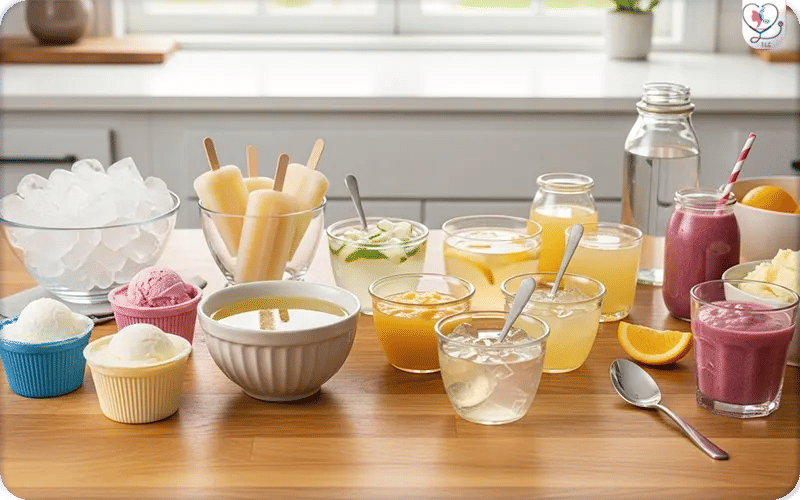
During days two and three, patients can continue with cold foods while gradually introducing slightly thicker textures as swallowing becomes more comfortable.
You throat is still sensitive so, strict to clear liquids and cold foods that are gentle on the throat, do not irritate it, easy to swallow such as ice chips, plain popsicles (avoid citrus), clear broth, chilled applesauce, gelatin, and diluted water or light juices.
Good choices at this stage include frozen yogurt, pudding, non-acidic smoothies, and cooled mashed potatoes. Hydration remains essential, so drinking water and electrolyte fluids throughout the day is strongly recommended. By day 3 and once liquids feel comfortable, introduce soft, easy-to-swallow foods that require minimal chewing.
Days 4–7
From day 4 to day 7, the throat gradually feels more comfortable, allowing for a wider range of soft, non-chewy foods. Meals should be lukewarm or cool, not hot. Scrambled eggs, soft pasta with mild sauce, cooked oatmeal, mashed potatoes, soft cheese, and well-cooked vegetables are generally well tolerated during this phase.
Days 8–14
Although pain may continue to decrease during this period, the surgical area is still healing and covered with delicate scabs. Rough or sharp foods can cause irritation or bleeding, so caution is important. Stick to soft, easy-to-chew foods such as pasta, soft bread, mashed potatoes, and other gentle textures until healing is complete.
Day 14 and Beyond
After two weeks, most patients can slowly return to a normal diet based on comfort and tolerance. However, very hard, crunchy, or sharp foods such as chips and pretzels should still be avoided for at least three weeks after surgery to reduce the risk of irritation or bleeding.
Food to Avoid During Tonsillectomy Recovery
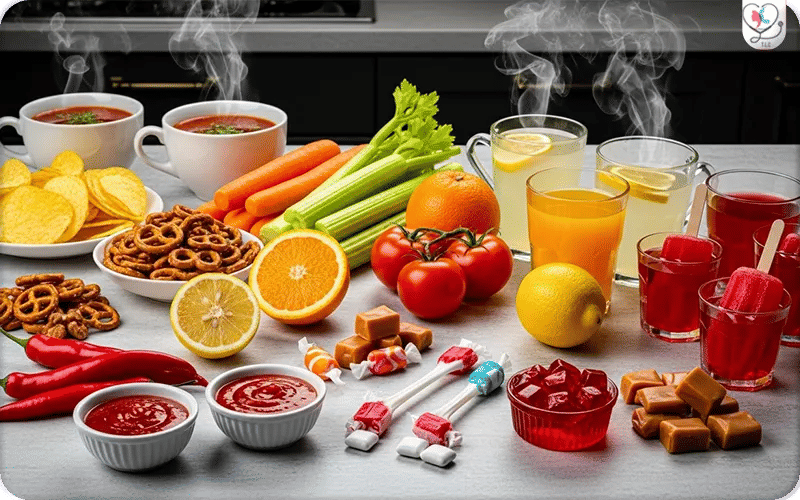
- Hard, crunchy, or sharp foods: Chips, pretzels, nuts, raw vegetables, can scratch healing tissue and cause bleeding.
- Spicy foods: Hot peppers, spicy sauces, may irritate the throat.
- Acidic foods and drinks: Citrus fruits, tomatoes, orange juice, lemonade, can burn or sting the surgical site.
- Hot foods or drinks: Can increase swelling or bleeding.
- Sticky or chewy foods: Caramel, chewing gum, taffy, may be hard to swallow and irritate the throat.
- Red-colored foods or drinks: Red popsicles, Jell-O, and drinks can look like blood and make it harder to monitor bleeding.
- Alcohol: Delays healing and can irritate tissue.
Foods That Support Faster Recovery After Adult Tonsillectomy
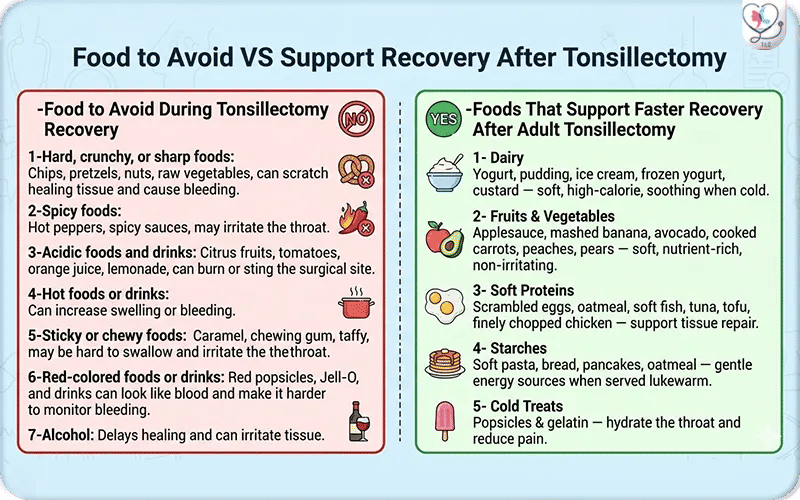
Dairy
Yogurt, pudding, ice cream, frozen yogurt, and custard are soft and easy to swallow, providing protein and calories to support tissue healing. Cold versions also soothe the throat and reduce post-operative pain, making them ideal from day 1–2 after surgery.
Fruits and Vegetables
Soft, cooked, or mashed options such as applesauce, mashed bananas, avocado, cooked carrots, peaches, and pears supply essential vitamins and minerals that promote healing. Serving them at room temperature or slightly chilled prevents throat irritation.
Soft Proteins
Scrambled eggs, cooked cereals like oatmeal, finely chopped chicken, soft fish, tuna, and tofu provide energy and amino acids necessary for tissue repair. Their soft texture avoids scratching the healing tonsil area and can usually be introduced around days 3–4 as tolerated.
Starches
Soft carbohydrates such as pasta, soft bread, pancakes, and oatmeal are gentle on the throat while providing energy. Serving them lukewarm and avoiding crusty edges helps prevent discomfort.
Cold Treats
Popsicles and gelatin (Jell-O) help keep the throat hydrated, reduce pain, and make recovery more comfortable. They are safe to start from day 1–2, as long as they contain no hard pieces.
Tips for Smooth, Fast, and Pain-Free Recovery After Tonsillectomy:
- Hydrate well: Aim for 4–6 glasses of fluids daily.
- Avoid straws: Suction can trigger bleeding.
- Eat slowly: Take small bites and chew gently.
- Cool or lukewarm foods: Prevent irritation and reduce pain.
- Avoid red, acidic, hot, spicy, or crunchy foods for at least 2 weeks.
Tonsillectomy at Turkey Luxury Clinics
Recovering smoothly after a tonsillectomy requires expert guidance, proper diet, and attentive care. Turkey Luxury Clinics provides comprehensive support for adult patients, including personalized day-by-day diet plans, post-operative guidance, and access to internationally trained ENT specialists in JCI-accredited hospitals.
Our team will guide you through every stage of recovery safely and comfortably, ensuring faster healing, minimal pain, and a stress-free experience. Contact Turkey Luxury Clinics today to schedule your consultation and receive professional care tailored to your needs.
You may like
Tonsillectomy and Adenoidectomy for Kids: Procedures, Recovery & Benefits
Cost of tonsil removal surgery 2026 updates