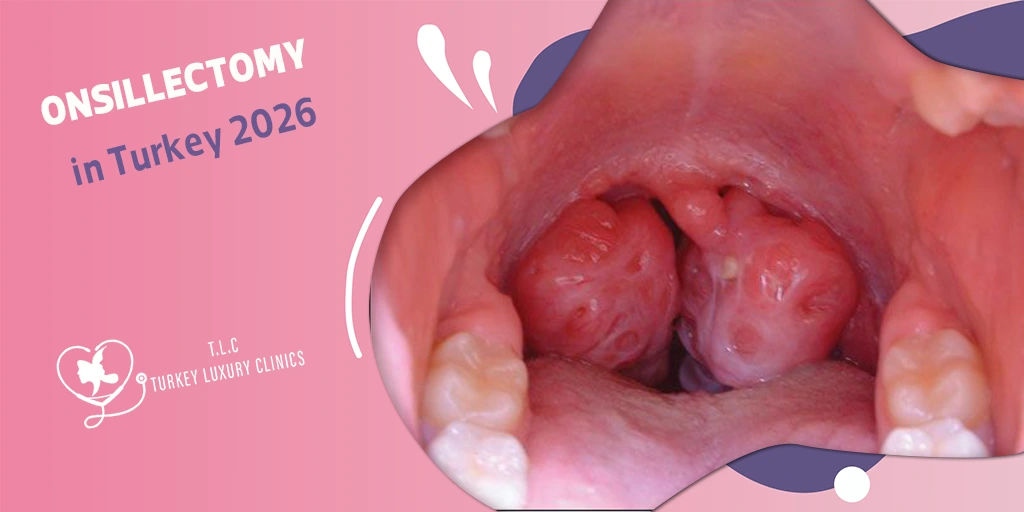


A tonsillectomy is a surgical procedure to remove the tonsils. It is a very common surgery performed in both adults and children to treat severe and frequent tonsillitis, or obstructive sleep apnea caused by enlarged tonsils that affect breathing during sleep.
Tonsil removal is a safe and effective procedure to alleviate breathing difficulties and improve life quality. The procedure is performed as one day surgery, takes around 30 to 60 minutes, and 1 to 2 weeks to recover fully.
Explore the full surgery procedure, safety risks, and a day-by-day healing timeline for adults and children. Learn what to expect after surgery and how to manage post-op pain for a fully healed recovery.
At Turkey Luxury Clinics, we offer full support for medical tourists, ensuring a smooth and comfortable experience with access to top surgeons, accredited hospitals, and personalized care throughout your stay.
What Is a Tonsillectomy?
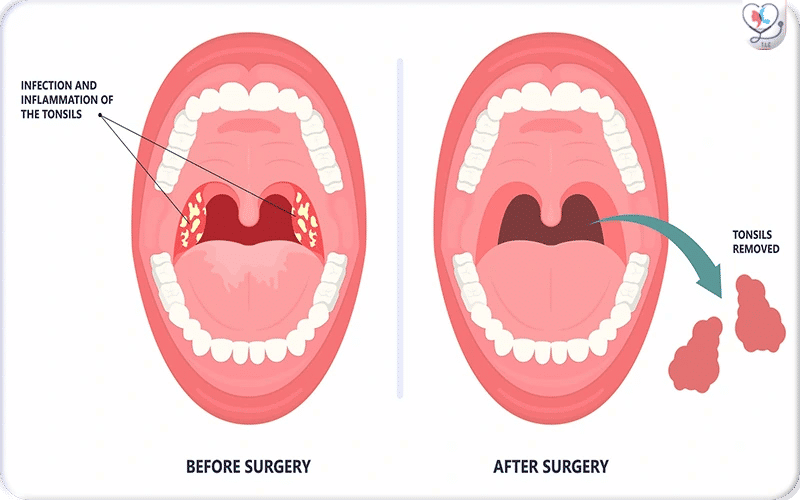
A tonsillectomy is the surgical removal of the tonsils, two oval-shaped pads of tissue at the back of the throat, to treat chronic or recurrent tonsillitis, breathing problems, persistent sore throats, or sleep-disordered breathing (such as sleep apnea) or any other problem caused by enlarged tonsils.
Tonsil removal is performed by an otolaryngologist, commonly known as an ear, nose, and throat (ENT) surgeon. These specialists are trained to manage conditions of the head and neck, including removing the tonsils to address recurrent infections or sleep-related breathing problems.
The tonsillectomy is a major surgery, performed under general anesthesia, as an outpatient surgery, meaning most patients can go home the same day.
The operation typically takes about 30 to 60 minutes and involves removing the tonsils through the open mouth using techniques such as cold dissection (steel instruments), diathermy (heat), or coblation (radiofrequency/plasma).
Tonsillectomy is a safe procedure for both children and adults and, in rare cases, for toddlers, with the most common age range being between 3 and 7 years. In toddlers, many surgeons prefer to wait until a child is at least 3 years old due to the higher risks of postoperative bleeding and dehydration.
Age considerations for tonsillectomy:
- Ideal Age: 3 to 7 years old (often 3-4 years) is considered optimal for recovery and minimizing risks.
- Younger Children (<3 years): Possible, less common, and riskier than adults and children.
- Children & Adolescents (1–18 years): Standard period for tonsil removal, safe, improves quality of life with faster recovery than adults and less risks than toddlers.
- Adults: Less frequent, safe, but associated with a more painful recovery than children and toddlers. Also, adult tonsillectomy recovery time is longer
Tonsillectomy in Toddlers
Toddlers are young children under the age of 3 years. Tonsillectomy at this age is usually avoided due to higher risks of postoperative complications, particularly bleeding and dehydration.
However, in cases of clear medical necessity, such as obstructive sleep apnea, chronic breathing difficulties, or severe and recurrent tonsil infections that do not respond to medical treatment, a surgeon may recommend tonsillectomy before the age of 3
Recovery typically takes 7 to 14 days and may involve throat pain, reduced appetite, difficulty swallowing, and mild bleeding. Although tonsillectomy in toddlers is less common, it can significantly improve breathing, sleep quality, and overall quality of life when symptoms are severe. The decision to proceed with surgery is always based on careful evaluation of risks versus benefits.
Tonsillectomy in Children

Tonsillectomy in children, most commonly performed between the ages of 3 and 7, is primarily done to treat breathing obstructions and sleep apnea. In contrast, tonsillectomy in adolescents and adults is usually performed to address chronic infections or peritonsillar abscesses.
Children generally recover faster, with less pain and fewer complications, although some issues may be more acute. Adults, on the other hand, face higher risks of postoperative bleeding and experience significantly more pain during recovery.
Tonsillectomy in Adults

Tonsillectomy in adults is a safe procedure performed to treat conditions chronic infections or obstructive sleep apnea (OSA).
The main difference between adult and pediatric tonsillectomy lies in the recovery process. Tonsillectomy in toddlers and children is generally associated with faster healing, less postoperative pain, and a shorter recovery period of about one week.
In contrast, adults typically experience more postoperative pain and a longer recovery period, often lasting up to two weeks. This is largely due to increased tissue scarring and inflammation.
Reasons for Tonsillectomy
Tonsillectomy indications primarily fall into two categories: recurrent throat infections (tonsillitis) and obstructive sleep apnea (OSA) or sleep-disordered breathing due to enlarged tonsils.
A tonsillectomy may be recommended to treat the following:
- Chronic, or severe tonsillitis: Infections that do not respond well to medication.
- For Recurrent Infections (Tonsillitis): Tonsillectomy may be needed if infections occur frequently over consecutive years with signs like fever, swollen neck nodes, tonsil pus, or a positive strep test. Chronic problems such as persistent bad breath or tonsil stones can also be a reason, especially in adults.
- Breathing problems during sleep: Cases such as obstructive sleep apnea are often caused by enlarged tonsils. These issues are commonly associated with symptoms like loud snoring, gasping or choking during sleep, restless sleep, daytime sleepiness, mouth breathing, and, in some cases, poor school performance or behavioral changes. They usually result from enlarged tonsils and adenoids physically blocking the airway during sleep. In children, tonsillectomy is usually combined with adenoidectomy in a single procedure called adenotosillectomy.
- Enlarged tonsils causing complications: Tonsillectomy may be recommended for children or adults with persistent tonsil enlargement that leads to difficulty swallowing, speech issues, chronic sore throat lasting three months or more, bad breath, or enlarged neck lymph nodes that do not improve over time.
- Rare tonsil-related conditions: Such as tumors, tonsil bleeding, or other unusual disorders affecting the tonsils.
What is the 7-5-3 Rule for Tonsillectomy?
The 7-5-3 rule, also known as the Paradise criteria, helps doctors determine whether a child may benefit from tonsillectomy due to recurrent tonsillitis. Surgery may be recommended if a child has had at least 7 episodes in one year, 5 episodes per year for two consecutive years, or 3 episodes per year for three consecutive years.
How is a Tonsillectomy Performed?
Tonsillectomy is performed under general anesthesia, typically by an ENT surgeon, as an outpatient or one-day surgery. Surgeons remove the tonsils through an open mouth using methods such as cold dissection (cutting), diathermy (heat), or coblation (radiofrequency).
Before the procedure, you may need to undergo blood tests and provide a complete medical history. Your doctor will give you instructions on what to do and what to avoid before surgery.
After the procedure, the post-operative recovery period begins, usually lasting around 7 to 14 days.
How to Prepare for Tonsillectomy
- Stop aspirin, ibuprofen, and other blood-thinning medications at least 7–10 days before surgery.
- Do not eat or drink anything (including water, gum, or mints) after midnight before your surgery. Some hospitals may allow clear liquids up to 2 hours before, so confirm this with your surgeon.
- Prepare your home for the recovery period, as post-tonsillectomy healing depends largely on diet and care after surgery.
- Arrange for someone to drive you home after the procedure.
Tonsillectomy Procedure
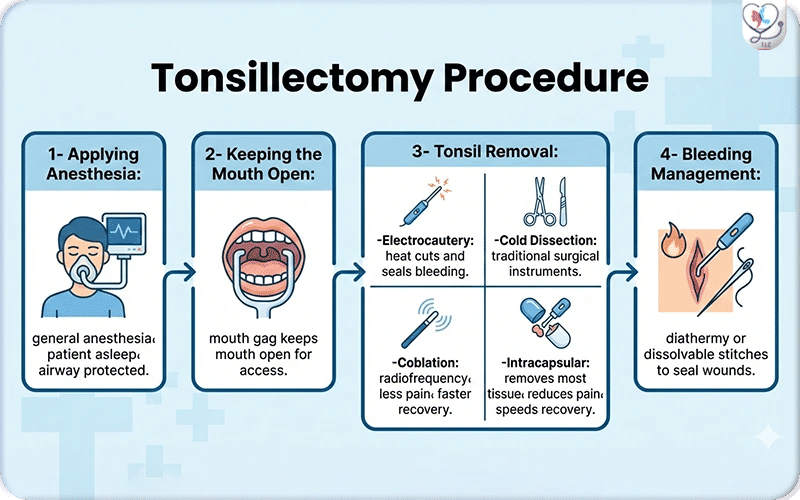
1. Applying Anesthesia:
The patient is asleep throughout the procedure. Anesthesia usually involves general anesthesia, using inhalational agents (like sevoflurane) or intravenous drugs (like propofol), with a breathing tube or Laryngeal Mask Airway (LMA) is placed to protect the airway.
2. Keeping the Mouth Open for Access:
A specialized instrument called a mouth gag (such as a Davis mouth gag) is inserted while the patient is under anesthesia to hold the mouth open, providing clear and continuous access to the tonsils.
3. Tonsil Removal:
The surgeon removes the tonsils using one of several techniques:
- Electrocautery: Uses heat to cut the tonsils and seal bleeding.
- Cold Dissection: Uses traditional surgical instruments.
- Coblation: Uses radiofrequency and a plasma field, often causing less pain and faster recovery.
- Intracapsular Tonsillectomy (Tonsillotomy): Removes most tonsil tissue while leaving a thin layer to protect throat muscles.
The most common method fully removes the tonsils along with their capsule from the underlying muscle. The intracapsular technique may be chosen to reduce postoperative pain and speed recovery.
4. Bleeding Management:
Heat (diathermy) or dissolvable stitches are used to seal the wound and minimize bleeding.
What to Expect After Tonsillectomy
Most patients go home on the same day of the procedure, with recovery typically lasting 1–2 weeks involving some sore throat, ear pain, congestion, general discomfort, and gradual healing.
After tonsillectomy, you may notice white scabs in the throat, a normal part of healing, which usually fall off naturally within 5–10 days. Also, you may experience bad breath and temporary voice changes.
The tonsillectomy recovery timeline for adults is usually longer and more painful than in children, with most adults able to return to work around 14 days after surgery. Children, on the other hand, may feel tired for a few days but generally return to school or daycare within 1 week and resume full activities in 2 weeks.
Tonsillectomy Recovery Stages
Tonsillectomy recovery passes through stages, including immediate post-op discomfort, a peak pain phase around days 5–8, the shedding of scabs (days 7–10), and full healing (2 weeks). Key care involves pain management, hydration, and soft foods.
During these stages, gradual diet progression is key to ensuring smooth healing, minimizing pain, and preventing bleeding, irritation, or delayed healing. For eating, start with soft, cold, or blended foods, gradually progressing over the tonsillectomy recovery stages to normal meals as tolerated.
Most patients achieve a fully healed tonsillectomy after 2 weeks, with the ability to work, eat normally, and feel no pain or discomfort. However, internal healing can continue for several weeks. The throat tissues will gradually remodel, and sensations like dryness or mild tightness may persist during this time; patients should not worry about it.
In the latter stages of your tonsillectomy recovery, you should be feeling much better. A sore throat might still be present, and you may also experience ear pain. This is normal due to the ears and throat sharing a nerve pathway. By the end of the two-week recovery period, most patients are back to normal activities.
Tonsillectomy Recovery Time
After tonsillectomy, you should rest at home for the first 48 hours after surgery, with throat pain typically starting the night of surgery, peaking around day 5, and gradually decreasing over time. Ear pain may occur around days 5–6 and can last a little longer.
Light activity can usually be resumed after 3–5 days, while returning to work or school is generally possible after 7–14 days, depending on recovery and your doctor’s advice.
Tonsillectomy Recovery Timeline Day by Day
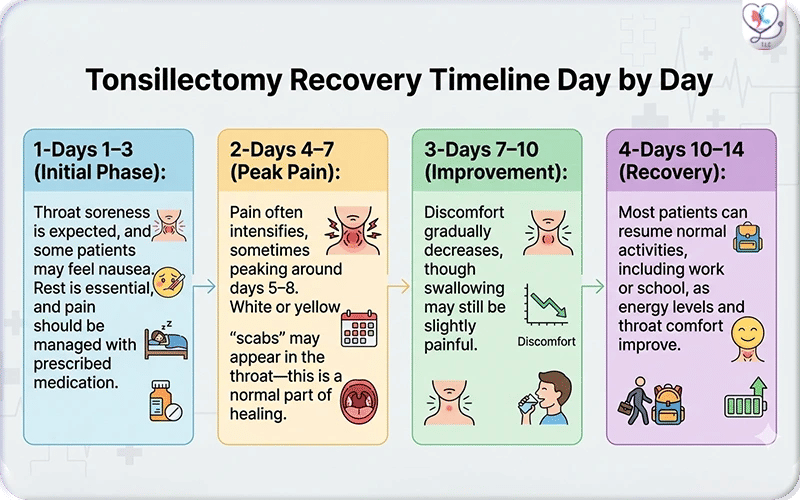
Days 1–3 (Initial Phase):
Throat soreness is expected, and some patients may feel nausea. Rest is essential, and pain should be managed with prescribed medication.
Days 4–7 (Peak Pain):
Pain often intensifies, sometimes peaking around days 5–8. White or yellow “scabs” may appear in the throat—this is a normal part of healing. Ear pain is also common during this phase.
Days 7–10 (Improvement):
Discomfort gradually decreases, though swallowing may still be slightly painful.
Days 10–14 (Recovery):
Most patients can resume normal activities, including work or school, as energy levels and throat comfort improve.
How Painful is a Tonsillectomy?
A tonsillectomy is typically moderately to severely painful, especially during the first 10–14 days of recovery. Pain often feels similar to severe strep throat and may affect the throat, ears, jaw, or tongue. Discomfort usually peaks between days 4 and 7 and is generally more intense in adults than in children.
What is the Worst Day After Tonsillectomy?
For most adults and children, the most painful period after tonsillectomy occurs between days 5 and 8, as the pain often peaks because the throat scabs begin to loosen and fall off, requiring consistent pain control, hydration, and a soft diet. Some patients may experience discomfort slightly earlier or later.
Is the Immune System Affected by Tonsil Removal?
Although tonsils are part of the immune system, research shows that tonsillectomy does not cause significant long-term impairment of immune function. Other lymphoid tissues compensate for their removal, though minor short-term immune changes may occur during recovery.
Tonsillectomy Aftercare Tips for Safe Recovery
1. Notice bleeding: Small traces of blood in saliva are normal as scabs fall off. Seek immediate medical attention if you notice heavy, bright red bleeding.
2. Focus on hydration: Even if swallowing is painful, staying hydrated helps prevent dehydration and reduces infection risk.
3. Rest is crucial: Avoid heavy lifting, strenuous exercise, or contact sports for 7–14 days to lower the risk of bleeding.
4. Maintain a comfortable environment: Using a bedroom humidifier can keep the throat moist, especially for those who breathe through their mouth at night.
5. Manage pain effectively: Take prescribed pain medications on schedule. Proper pain control is essential for both adults and children to ensure smooth recovery.
6. Follow a gradual diet progression: Start with liquids, then mashed foods, smoothies, and gradually reintroduce solid foods according to your comfort.
What to Eat During Tonsillectomy Recovery?
A proper post-tonsillectomy diet plays an important role in minimizing risks, side effects, and complications during recovery. Because swallowing is often painful after surgery, choosing the right foods and drinks helps reduce discomfort and, most importantly, prevents dehydration, which is especially critical for children and toddlers.
During the first 1–2 days after surgery, patients usually tolerate only cold, clear liquids or fully liquefied drinks. Fluids should be taken frequently in small sips rather than large amounts at once, particularly for children.
The next phase of recovery focuses on a soft, bland, and cold or lukewarm diet, typically continued for 2–3 weeks, to reduce throat irritation, manage pain, and support proper healing.
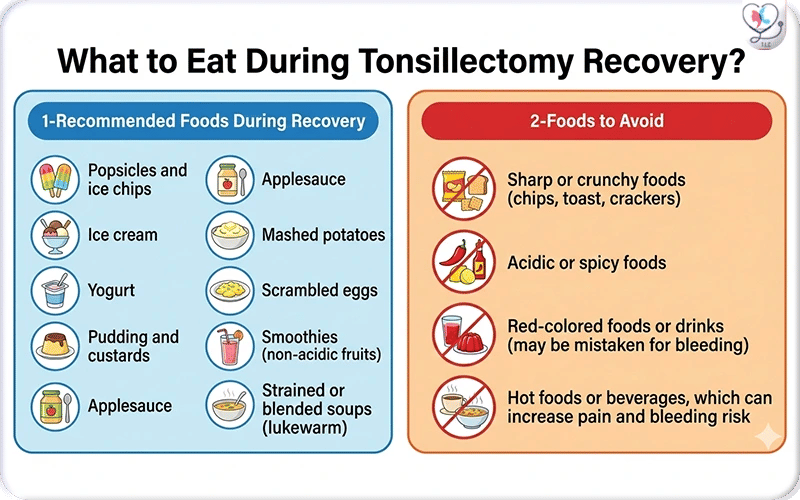
Recommended Foods During Recovery
- Popsicles and ice chips
- Ice cream
- Yogurt
- Pudding and custards
- Applesauce
- Mashed potatoes
- Scrambled eggs
- Smoothies (non-acidic fruits)
- Strained or blended soups (lukewarm)
Foods to Avoid
- Sharp or crunchy foods (chips, toast, crackers)
- Acidic or spicy foods
- Red-colored foods or drinks (may be mistaken for bleeding)
- Hot foods or beverages, which can increase pain and bleeding risk
Tonsillectomy Risks and Side Effects
Tonsillectomy is generally a safe procedure with a low complication rate when performed by an experienced ENT surgeon. However, as a major surgery, it still carries potential risks such as postoperative bleeding, severe throat pain, dehydration, infection, and anesthesia-related side effects.
Common side effects after tonsillectomy are usually temporary and manageable with proper medication and care. These commonly include throat pain, swelling, fatigue, difficulty swallowing, and bad breath during healing.
Common Tonsillectomy Risks and Complications
- Bleeding (Hemorrhage): The most serious complication, affecting about 2–4% of patients, usually within the first 24 hours or between days 7–10 when scabs fall off.
- Severe Throat Pain: Common for 7–10 days, sometimes radiating to the ears, neck, or jaw.
- Dehydration: May occur if pain limits fluid intake and can require IV fluids in severe cases.
- Infection: Rare, but may present with fever, worsening pain, or persistent bad breath or taste.
- Anesthesia Complications: Usually mild, such as nausea, vomiting, or headache; breathing problems are very rare.
- Swelling: Temporary swelling of the uvula or tongue may occur, especially in the early hours after surgery.
- Voice or Taste Changes: Typically temporary, with long-term changes being uncommon.
When to Worry and Seek Medical Help After Tonsillectomy
A tonsillectomy emergency involves severe, uncontrolled bleeding (bright red blood from the mouth or nose), difficulty breathing, inability to keep fluids down, signs of dehydration, or very high fever (over 102°F/38.9°C), requiring immediate ER/doctor contact, especially if bleeding recurs after the first few days when scabs fall off.
Consult your doctor if:
- Heavy Bleeding: Bright red blood, More than a few drops of blood in the mouth or on the pillow (not just small spots),
- Difficulty Breathing: Trouble breathing, wheezing, or bluish lips
- High Fever: Fever above 38.5–39°C (101.3–102.2°F) with chills or severe fatigue
- Severe Pain Unrelieved by Medication: Intense pain that does not improve with prescribed painkillers
- Persistent Vomiting or Dehydration: Inability to keep fluids down or repeated vomiting
- Signs of Infection: Excessive neck swelling, yellow or green discharge from the throat
Medical Tourism for Tonsillectomy in Turkey
Tonsillectomy in Turkey is a popular and cost-effective medical tourism option, with tonsil removal prices typically ranging between $1,200 and $2,000, which is significantly lower than the cost in the US or UK. The procedure is performed by certified ENT specialists in internationally accredited hospitals, using modern surgical techniques such as cold knife dissection, coblation, or radiofrequency.
Most medical packages include comprehensive services such as 24/7 medical care, translator assistance, and airport transfers, ensuring a smooth experience for international patients.
In Istanbul, the presence of JCI-accredited hospitals, highly experienced ENT surgeons, and advanced medical infrastructure, along with high standards of organization and patient care, makes the tonsillectomy procedure and recovery process safe, well-managed, and comfortable.
FAQs About Tonsillectomy