

- What You Need to Know About Otoplasty in Turkey
- What is Otoplasty Surgery?
- Otoplasty in Turkey Before and After Photos
- Are You a Candidate for Otoplasty Surgery?
- Cost of Otoplasty in Turkey 2026 Update
- Why Choose Otoplasty in Turkey
- Otoplasty in Istanbul 2026
- Best Otoplasty Surgeon in Turkey
- Types of Otoplasty Ear Surgery
- How Otoplasty Is Performed?
- Reach the Best Otoplasty in Turkey
- FAQs About Otoplasty in Turkey
Otoplasty in Turkey is a popular cosmetic ear surgery, renowned for high-quality care and experienced surgeons. Prices typically range from $1,500 to $3,000 USD, depending on the type of ear correction, case complexity, the surgeon's experience, the clinic, and the type of anesthesia.
This makes otoplasty in Turkey around 50–70% cheaper than in the US, UK, and Western Europe. Many clinics offer all-inclusive packages that cover accommodation, a translator, a professional coordinator, and transfers.
The procedure, also known as ear pinning or ear correction surgery, takes 1–2 hours under local anesthesia with sedation or general anesthesia, and most patients return to desk work or school within 3–7 days.
Planning ear surgery in Turkey? Our team will review your case and match you with an experienced otoplasty surgeon.
Get a free otoplasty consultation via WhatsApp and receive a personalized price quote and all-inclusive package.
What You Need to Know About Otoplasty in Turkey
- Cost: Most standard otoplasty procedures in Turkey cost $1,500–$3,000, with complex cases reaching around $4,000. Cartilage-sparing Earfold implants typically cost $3,200–$4,500.
- Packages: All-inclusive packages in Istanbul usually cover the surgery, VIP transfers, hotel accommodation, and translator support.
- Procedure: The operation takes 1–2 hours and is performed as an outpatient procedure under local anesthesia with sedation or general anesthesia.
- Technique: Incisions are hidden in the natural crease behind the ear, and the cartilage is reshaped and secured with permanent or absorbable internal sutures.
- Candidates: Adults and children from around age 5–6, once the ear cartilage is nearly fully developed. For children, surgery in a hospital setting is recommended.
- Recovery: A protective head bandage is worn for the first days, most patients return to desk work or school within 3–7 days, and contact sports should be avoided for at least 4 weeks.
- Results: Final results are visible within 3–6 months, once swelling fully settles.
- Hearing: Otoplasty changes the ear's shape only and does not affect hearing.
What is Otoplasty Surgery?
Otoplasty, also known as ear plastic surgery, is a surgical procedure that changes the shape, position, or size of the ears.
It is commonly used to correct protruding ears to address birth defects, injuries, or asymmetry, resulting in a more balanced facial appearance and improved self-confidence.
The surgery reshapes the ear cartilage through incisions hidden behind the ear. Otoplasty is typically performed on children aged 4–14, but it is also suitable for adults.
It is important to note that otoplasty is purely a cosmetic procedure. It does not correct hearing problems, nor does it harm or affect natural hearing in any way.
Otoplasty in Turkey Before and After Photos
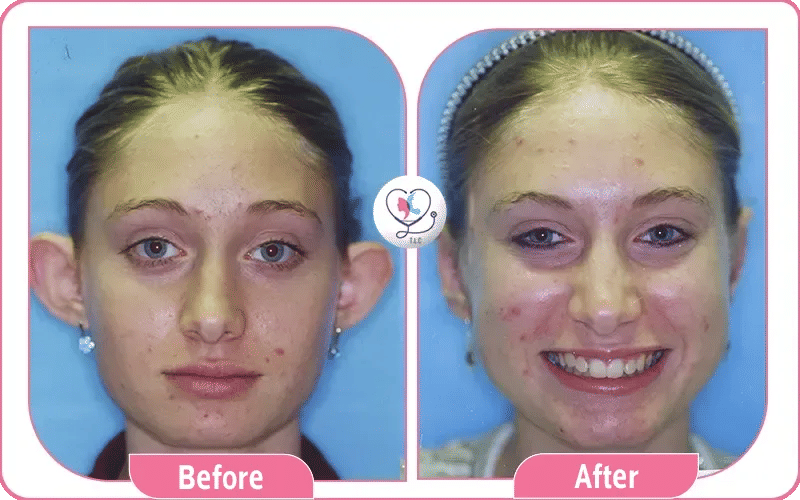
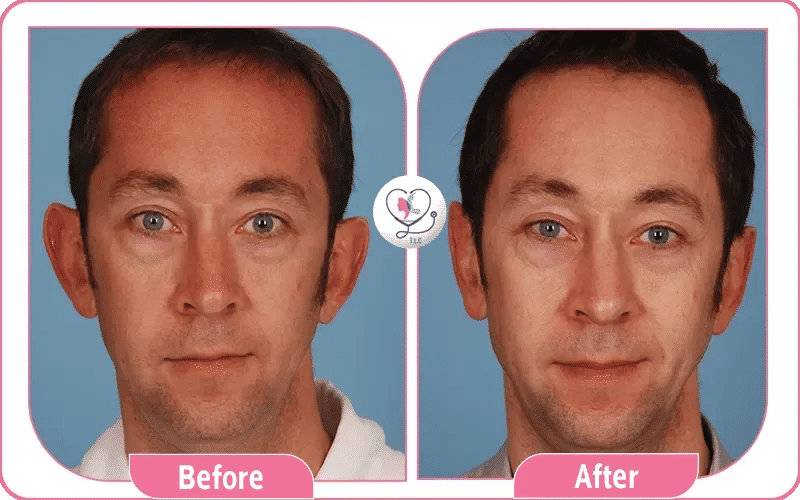
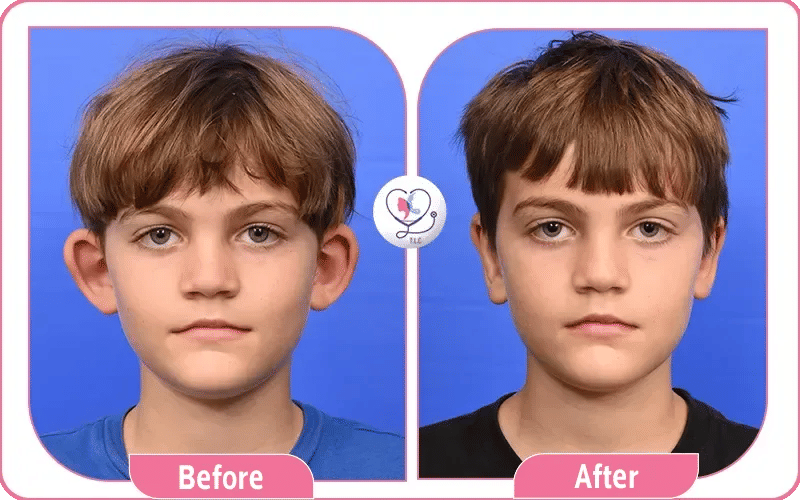
Before and after photos show the transformation from prominent to naturally shaped ears. Otoplasty results are designed to look natural, symmetrical, and proportionate to the face, with ears appearing closer to the head with improved shape and alignment.
The final results appear during recovery after swelling subsides. When performed by an experienced facial plastic surgeon, the ear changes are subtle yet noticeable, without an “over-pinned” look.
Are You a Candidate for Otoplasty Surgery?
Otoplasty in Turkey is suitable for both children and adults who wish to improve the appearance of their ears and enhance facial balance and self-confidence.
You may be a good candidate for otoplasty if:
- Age and ear development:
- Children around the age of 5 or 6, when the ears are nearly fully developed, can benefit from early correction to help prevent teasing. Teenagers and adults may also choose otoplasty to improve self-esteem.
- Good overall health:
- Candidates should be in good general health, without medical conditions that may impair healing. Non-smokers—or those willing to quit before and after surgery—are ideal candidates.
- Aesthetic ear concerns:
- Otoplasty is appropriate for individuals with cosmetic ear conditions such as protruding ears, asymmetrical ears, or congenital deformities like lop ear (folded ear) or cup ear (small or curled ear).
Common reasons for otoplasty include:
- Protruding ears (ear pinning): The most common reason, where the ears stick out too far from the head and are repositioned closer to the scalp.
- Asymmetry: Improving balance between the ears and overall facial harmony.
- Large ears (macrotia): Reducing ear size when it appears disproportionate to the head.
- Congenital deformities: Correcting abnormal ear shapes or contours present from birth.
- Trauma repair: Restoring ear shape after injuries, burns, or conditions such as “cauliflower ear.”
- Psychological and self-esteem concerns: Addressing self-consciousness, embarrassment, or teasing that affects confidence and emotional well-being, particularly in children.
Cost of Otoplasty in Turkey 2026 Update
USD | EUR | GBP | |
Otoplasty in Turkey (procedure only) | $1,500–$2,500 | €1,350–€2,250 | £1,200–£2,000 |
All-inclusive package in Turkey | $2,000–$4,000 | €1,800–€3,600 | £1,600–£3,200 |
Otoplasty in the UK | $4,000–$12,000 | €3,600–€10,800 | £3,200–£9,500 |
Otoplasty in the USA | $4,000–$15,000 | €3,600–€13,500 | £3,200–£11,900 |
The cost of ear surgery in Turkey for 2026 generally ranges from approximately $1,500 to $4,000, with many packages falling between $2,000 - $3,000, covering surgeon fees, anesthesia, and hospital stays. Prices may vary depending on the clinic, surgeon's experience, and case complexity.
Typical Cost Range
- Low End: Starting from around $1,500 - $2,300.
- Average: Often falls between $2,500 - $4,000.
- High End: Up to $4,500 or slightly more for complex cases.
Otoplasty (ear pinning) in Istanbul starts at $1,500, which is significantly less than in the US or Western Europe, where otoplasty costs range between $4,000 and $15,000, making Turkey more affordable by around 50-70%.
The lower ear surgery cost in Turkey does not mean lower services. You can find quality care from skilled surgeons at a fraction of Western prices, thanks to lower living and operating costs, comprehensive otoplasty packages, and medical tourism support.
Cost of Otoplasty in Turkey vs. Other Countries (2026)
Country | Cost Range |
Turkey | $1,500 – $5,000 |
United States | $4,000 – $15,000 |
United Kingdom | $4,000 – $12,000 |
Germany / Canada | $6,000 – $12,000 |
Costs by Otoplasty Type in Turkey vs the US & UK (2026)
Procedure Type | Turkey (Starting From) | United Kingdom (Starting From) | United States (Starting From) |
Otoplasty (Standard Ear Pinning) | $1,700 – $2,300+ | $4,000+ (£3,000+) | $4,000 – $5,000+ |
Ear Lift Surgery | $1,600+ | $2,500+ (≈£2,000) | $4,000+ |
Ear Reconstruction | $1,600 – $3,000+ | $9,000+ (≈£7,100) | $22,000+ |
Prosthetic Ear | $3,000+ | $6,000+ (≈£4,750) | $8,500+ |
All Inclusive Otoplasty Packages in Istanbul in 2026
All-inclusive ear plastic surgery packages in Turkey- Istanbul starts at $2,000 typically cover the surgery, surgeon’s fees, anesthesia, hospital stay, luxury hotel accommodation, airport transfers, a personal translator, post-operative medications, and 24/7 support.
Costs often range from around $2,000 to $4,000 or more, providing a stress-free experience with world-class care at significantly lower prices than in Western countries.
Factors affecting ear plastic surgery cost in Turkey
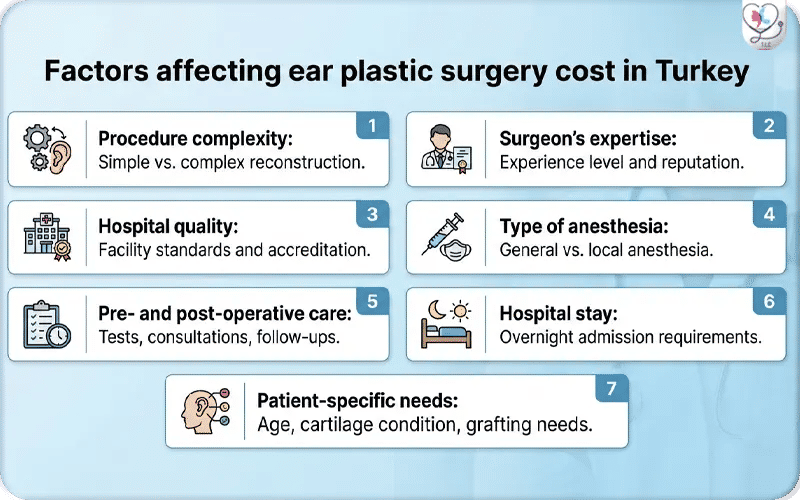
- Procedure complexity: Procedure complexity: Simple ear pinning or other otoplasty ear surgery cost starts at $1,500 which is lower than complex ear reconstructions such as in severe deformities, revisions, or congenital issues, which need more skill and time and their costs start at $2,000
- Surgeon's expertise: Highly experienced, internationally recognized surgeons command higher fees.
- Hospital quality: Prices vary between clinics depending on their Location and the quality of the facility and international accreditation, hospitals with JCI-certified are pricier but offer better quality of services.
- Type of anesthesia: General anesthesia is more expensive than local anesthesia with sedation.
- Pre- and post-operative care: Includes consultations, blood tests, imaging, special dressings, and follow-up appointments.
- Hospital Stay: in case overnight stays are required, the cost changes.
- Patient-Specific Needs: Age, cartilage elasticity, and the need for cartilage grafting or other additions influence final price.
Why Choose Otoplasty in Turkey
Otoplasty in Turkey is a top choice for international patients seeking high-quality cosmetic ear surgery combined with affordable costs and expert care. Turkey is well known for offering advanced otoplasty surgery performed by highly skilled plastic surgeons in modern, internationally accredited medical facilities.
Clinics and hospitals in Istanbul are equipped with state-of-the-art technology and meet strict international safety standards, including JCI and TMH accreditations. This ensures that otoplasty ear surgery in Turkey is safe, precise, and delivers natural-looking, long-lasting results with high patient satisfaction.
One of the main advantages of choosing otoplasty in Turkey is the cost. The cost of otoplasty in Turkey is significantly lower than in countries such as the US, UK, or Australia, without compromising quality.
Many clinics offer all-inclusive packages that cover the otoplasty procedure, anesthesia, hospital stay, post-operative care, and nursing services, along with accommodation, airport transfers, translation assistance, and 24/7 patient support.
Thanks to the experience of the best otoplasty surgeons in Turkey, patients benefit from advanced surgical techniques, shorter recovery times, and carefully planned treatment journeys.
Combined with Turkey’s strong medical tourism infrastructure and cultural appeal, otoplasty surgery in Turkey offers excellent value, safety, and comfort for international patients.
Otoplasty in Istanbul 2026
Istanbul is Turkey's main hub for otoplasty, with experienced plastic and facial plastic surgeons on both the European and Asian sides of the city.
Otoplasty in Istanbul typically costs $1,500–$4,000, around 50–70% less than in Western countries. Standalone procedures usually cost $1,500–$2,500, while all-inclusive packages with hotel accommodation, VIP transfers, and translation services range from $2,000 to $4,000.
Whether you want to correct protruding ears or simply get your ears pinned back, surgeons in Istanbul tailor the technique to your ear anatomy, using methods such as cartilage-sparing sutures, cartilage scoring, antihelical fold creation, or conchal bowl reduction.
Turkey Luxury Clinics coordinates all-inclusive otoplasty packages in Istanbul for international patients, with surgery performed by Dr. Akın Zengin in accredited partner facilities. Get a free quote via WhatsApp.
Best Otoplasty Surgeon in Turkey
At Turkey Luxury Clinics, otoplasty is performed by Dr. Akın Zengin, a board-certified otolaryngologist and facial plastic surgeon with more than 30 years of experience in ear surgery, otoplasty, and facial aesthetic procedures, and a member of the Turkish Society of Facial Plastic Surgery.
The best otoplasty surgeons are board-certified plastic or facial plastic surgeons with extensive experience in correcting ear shape, position, or size through otoplasty (ear surgery). Turkey has many highly experienced surgeons specializing in ear reshaping, working in internationally accredited clinics to ensure natural, balanced results.

Skilled Otoplasty Surgeons Are Trained To:
- Correct protruding ears (ear pinning)
- Improve ear asymmetry
- Reshape large ears (macrotia)
- Repair congenital ear deformities
- Restore ear structure after trauma or injury
Turkey Luxury Clinics coordinates each patient’s treatment journey, ensuring personalized plans with qualified surgeons who use advanced surgical techniques for precise results and smooth recovery.
Qualifications of Highly Skilled Surgeons:
- Board certification in plastic surgery or facial plastic surgery
- Specialized training in ear anatomy and cartilage reshaping
- Proven expertise in both cosmetic and reconstructive ear procedures
Types of Otoplasty Ear Surgery
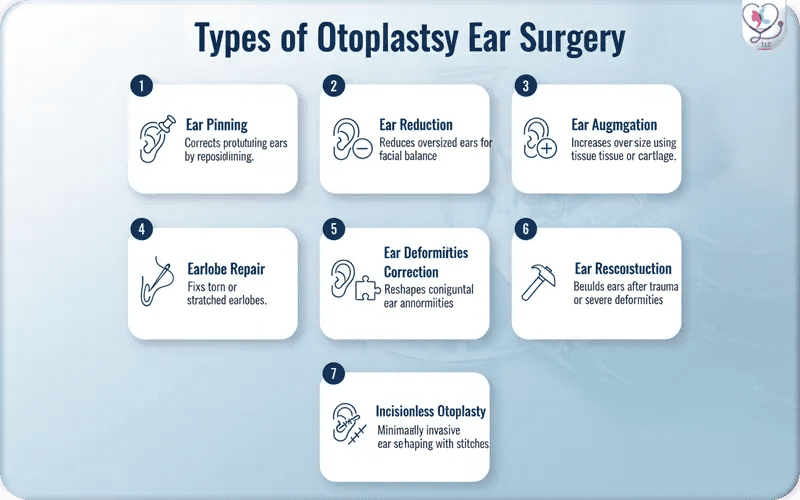
Otoplasty in Turkey covers various ear corrections, primarily Ear Pinning (Pinnaplasty) for prominent ears, Ear Reduction (Macrotia surgery) for large ears, Earlobe Repair for overstretching, and complex Microtia Reconstruction for underdeveloped ears, often using cartilage grafts or implants, with surgeons offering traditional reshaping or minimally invasive laser techniques for improved symmetry and proportion.
- Ear Pinning
The most common otoplasty procedure is used to correct protruding ears by repositioning them closer to the head. See Ear Pinning Before and After Photos and explore how good the transformation is.
- Ear Reduction
Performed to reduce the size of overly large ears (macrotia) for better facial balance.
- Ear Augmentation
Used for underdeveloped or small ears, such as in microtia cases, by adding tissue or cartilage to increase ear size.
- Earlobe Repair
Focuses on correcting torn, stretched, or damaged earlobes caused by heavy earrings, trauma, or aging.
- Ear Deformities Correction
Addresses congenital ear abnormalities such as lop ear, Stahl’s ear, or cryptotia through cartilage reshaping techniques.
- Ear Reconstruction
A more complex reconstructive procedure for severe deformities or trauma, using implants or the patient’s own cartilage to rebuild the ear structure.
- Incisionless Otoplasty
Incisionless otoplasty in Turkey uses stitches placed through the skin behind the ear to reshape prominent ears, offering a less invasive method than traditional surgery, often under local anesthesia, with quick recovery and hidden scarring, making it popular for both children (over age 6) and adults seeking improved ear aesthetics and confidence at a competitive cost.
How Otoplasty Is Performed?
Pre-surgery steps for otoplasty in Turkey
1. Consultation & Planning: Many patients get online consultation to discuss goals, medical history, and get an evaluation; the surgeon plans and the surgical approach.
2. Preparation: Performing blood tests and other assessments; receive instructions (e.g., stop smoking).
3. Travel & Arrival: Often includes airport transfers and hotel stays as part of medical tourism packages.
Otoplasty Procedure Steps
Otoplasty is typically performed as an outpatient procedure under local anesthesia with sedation ( adults and older children) or general anesthesia (for younger children), depending on both the patient’s age and case complexity.
The surgeon makes a small incision behind the ear to reshape or reposition the cartilage, creating a more natural and balanced appearance. The surgery usually takes 1 to 2 hours, and patients can return home the same day.
Otoplasty Recovery and Aftercare in Turkey
Recovery after otoplasty is generally smooth. Most patients experience mild swelling and discomfort during the first few days, which can be managed with prescribed medications.
A supportive headband or dressing is usually worn for 1–2 weeks to protect the ears. Desk work can often be resumed within a few days, while strenuous activities and contact sports should be avoided for 4–6 weeks.
Post-Surgery Recovery Steps:
- Immediate Care (Days 1-3): Wear a headband constantly; manage pain and swelling with prescribed medication.
- Follow-Up (Around Day 3): Clinic visit to remove initial dressings; headband now worn only at night.
- Weeks 1-2: Stitches may be removed; continue nighttime headband; avoid heavy exercise.
- Weeks 2-3: Bruising fades; resume light activities and work/school.
- Weeks 6-8: Most strenuous activities (gym, swimming) are usually okay; final shape becomes clear.
- Long-Term: Full recovery takes months, with ongoing communication with the clinic for monitoring.
Safety and Risks of Otoplasty Surgery in Turkey
Otoplasty in Turkey is considered a safe and well-established procedure when performed by a qualified surgeon in an accredited medical facility. As with any surgery, potential risks may include infection, swelling, minor asymmetry, scarring, or temporary numbness.
Safety Factors in Turkey
- Accreditation & Standards: Many Turkish clinics meet international standards (like JCI, ISO) with modern tech, ensuring strict hygiene and qualified staff.
- Skilled Surgeons: Turkey boasts many experienced, internationally trained plastic surgeons specializing in cosmetic procedures.
- High Success Rates: Otoplasty generally has high success rates, with patients often reporting positive outcomes and confidence boosts.
Common Risks & Complications
- Infection & Bleeding: Risk of infection at the site and minor bleeding, usually manageable.
- Anesthesia Issues: Adverse reactions to anesthesia are possible, as with any surgery.
- Asymmetry: Slight differences between ears can occur, but skilled surgeons aim for balance.
- Scarring: Incisions are behind the ear, but raised (hypertrophic) scars can form.
- Changes in Sensation: Temporary numbness or tingling around the ears is common.
- Suture Problems: Stitches can sometimes cause issues or come loose.
- Hematoma: A collection of blood under the skin that might need draining
Choosing a board-certified plastic or facial plastic surgeon and carefully following post-operative instructions significantly reduces these risks and improves overall outcomes.
Reach the Best Otoplasty in Turkey
Your trust is our priority. Our hospitals are JCI-accredited, high-tech clinics that meet the highest safety and quality standards.
We provide personalized all-inclusive packages tailored to your needs, offering premium services and 24/7 support from our experienced team.
Our board-certified plastic and facial plastic surgeons have extensive experience in ear surgery (otoplasty), performing a high number of procedures each year. They are skilled in handling complex cases such as asymmetry, congenital deformities, or revision surgeries, delivering real before-and-after results that look natural and balanced.
FAQs About Otoplasty in Turkey